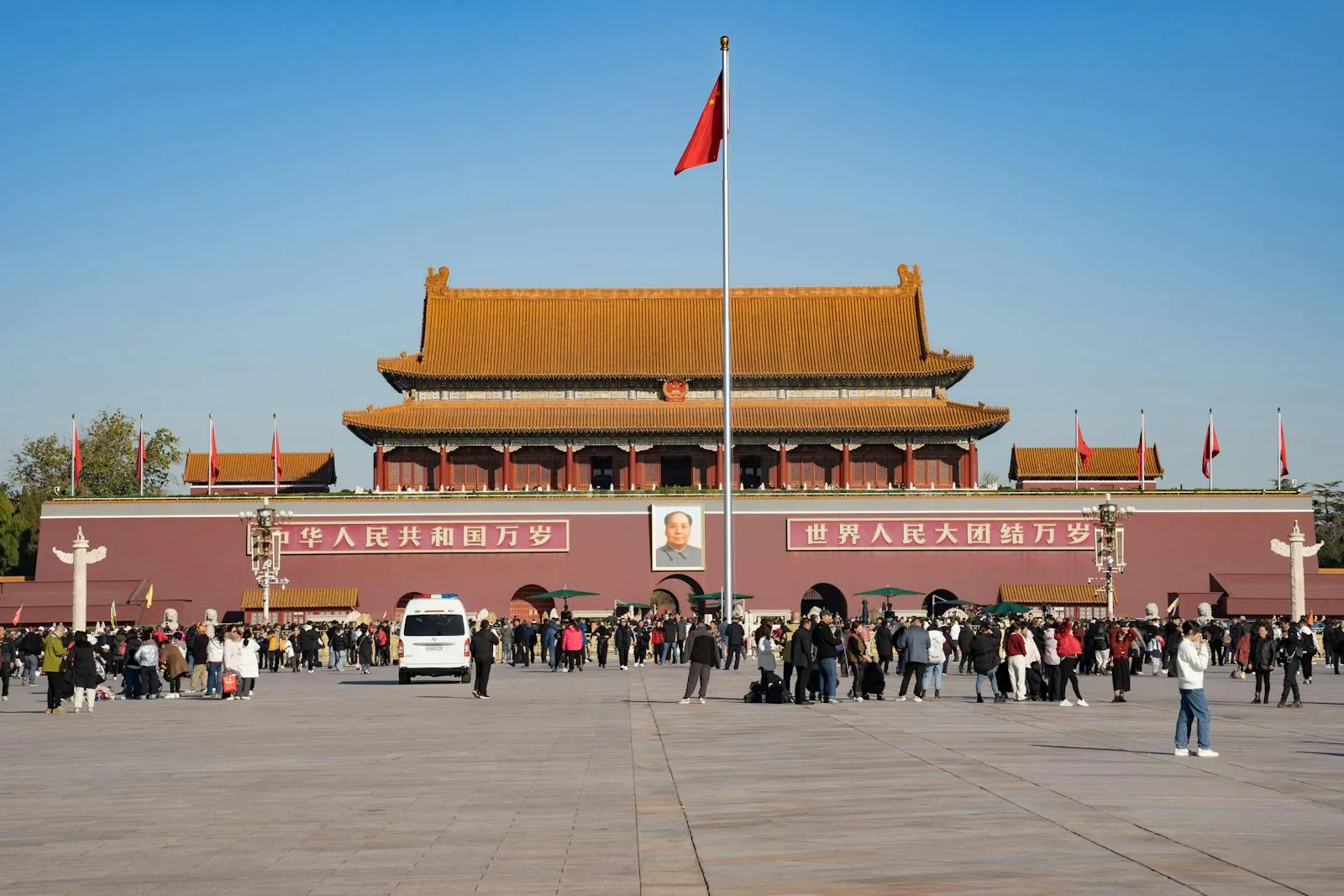
President Donald Trump is scheduled to arrive in Beijing on Wednesday evening for a state visit to China running through May 15 — his first trip to the country in nearly nine years and his second state visit to China overall, following his November 2017 trip during his first term. China’s Ministry of Foreign Affairs confirmed the visit on Monday, with Trump traveling at the invitation of President Xi Jinping. White House principal deputy press secretary Anna Kelly described the trip as a “visit of tremendous symbolic significance.”
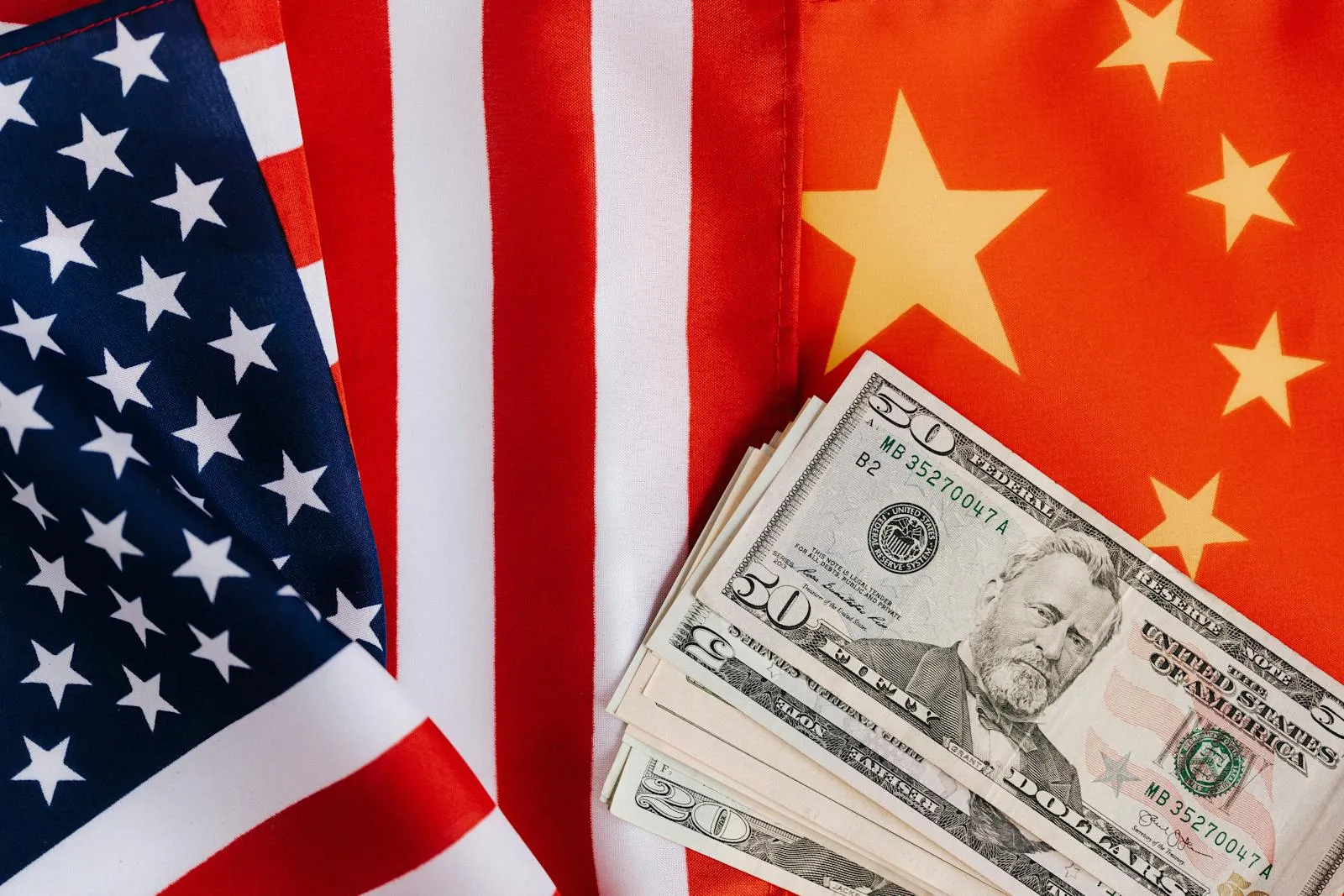
The summit arrives at one of the most consequential moments in the U.S.-China relationship in recent memory. The two leaders carry a crowded agenda: the ongoing Iran war and the blockaded Strait of Hormuz, Chinese concerns about American arms sales to Taiwan, and the fate of a bilateral trade truce set to expire in the fall. Taken together, the three items represent unresolved strains across every major dimension of the relationship.
The visit was originally planned for the first week of April but was postponed after the Iran war escalated in late March, complicating diplomatic calculations on both sides of the Pacific. Six weeks of preparatory talks ultimately cleared enough ground for both governments to confirm new dates.
A War That Changed the Diplomatic Calculus
The Iran conflict has been the pivot on which U.S.-China relations turned in the months leading up to Wednesday’s meeting. When American forces launched Operation Epic Fury, the 66-day air campaign against Iran’s military and nuclear infrastructure, Beijing faced pressure to signal where it stood. In mid-April, Defense Secretary Pete Hegseth announced that Beijing had provided high-level assurances to the White House that it would not send weapons to Iran — explicitly ruling out surface-to-air missiles that would have changed the threat environment for American pilots over the Persian Gulf. Hegseth attributed that pledge to the “strong and direct relationship” between Trump and Xi.
Trump will arrive in Beijing seeking Chinese support for a deal to end the conflict and reopen the Strait of Hormuz. The waterway has been effectively closed since Iran targeted vessels there — a closure that began with attacks on at least three ships in the strait and has since constricted a corridor handling roughly a fifth of the world’s oil and liquefied natural gas traffic.
China, which imports a substantial share of its energy through the strait, has its own reasons to see the waterway reopened. But Beijing has tried to avoid appearing to side openly with Washington against Tehran, a posture that analysts expect will persist into the summit — meaning Trump may find Chinese officials willing to encourage diplomacy without formally backing any specific U.S. terms.
The stakes on the American side extend well beyond geopolitics. The Iran war’s effect on American energy costs has emerged as a significant domestic problem, with a Senate analysis estimating the conflict is costing two-car U.S. households an additional $1,753 in fuel this year alone. With Brent crude trading near $104 a barrel on Monday, the administration has political incentive to show progress on reopening the strait — and some of that progress runs through Beijing.
Taiwan: The Summit’s Most Volatile Item
Both Washington and Beijing have signaled that Taiwan will be near the top of the discussion. The specifics are delicate for American allies.
After Trump mentioned during a February 2026 phone call with Xi that he had discussed arms sales to Taiwan, Taiwan’s government expressed concern that the Trump administration might be willing to use weapons deliveries as a bargaining chip in the broader relationship. The concern centers on one of the Reagan administration’s Six Assurances — a 1982 commitment that the United States would not consult with Beijing before making arms sales decisions to Taipei. Any suggestion that those assurances might be subject to renegotiation would mark a significant shift in American policy toward the island.
Beijing, for its part, has long objected to U.S. arms sales to Taiwan as an infringement on what it regards as Chinese internal affairs. Chinese officials are expected to press Trump on the issue during the bilateral sessions on Thursday and Friday. The White House has not previewed any Taiwan-specific commitment heading into the summit, leaving the outcome on this item the most uncertain of the three main agenda areas.
The Trade Truce and What Comes After
The economic dimension of the summit carries its own urgency. The U.S.-China trade truce finalized at the APEC summit in South Korea on October 30, 2025 expires in two tranches: China’s suspension of rare earth export controls runs through December 31, 2026, and the broader tariff suspension ends November 10, 2026.
Under the South Korea agreement, the United States reduced cumulative fentanyl-related tariffs by 10 percentage points and suspended heightened reciprocal tariffs for one year. China, in return, suspended sweeping export controls on rare earths, gallium, germanium, antimony, and graphite, issued general licenses for American end-users, and committed to purchasing more than 25 million metric tons of American soybeans annually through 2028.
Renewing and expanding those commitments is a core objective of the administration heading into Beijing. Treasury Secretary Scott Bessent is meeting with He Lifeng, China’s vice premier and top economic official, in Seoul on Wednesday — the same day Trump departs for Beijing — in a last-minute push to lock in terms before the leaders sit down. Earlier preparatory sessions in Paris in March, which Bessent described as “very good,” focused on agriculture, critical minerals, and managed trade.
The ceasefire talks and Iran deal framework that Secretary Rubio pushed in early May linked the Hormuz reopening explicitly to the economic normalization both sides want — a thread that connects the diplomatic and trade agendas directly as the two leaders prepare to meet.
A Business Delegation as a Negotiating Signal
The composition of the American business delegation traveling with Trump is itself a statement about what the administration is hoping to achieve. Invitations have gone to executives from Nvidia, Apple, Exxon, Qualcomm, Visa, Citigroup — whose chief executive is Jane Fraser — and Blackstone, whose chief executive is Steve Schwarzman. Boeing CEO Kelly Ortberg is also attending.
The Boeing delegation is closely watched. The aircraft maker has not received a large order from China in nearly a decade, a gap driven by trade tensions, the 737 Max grounding, and regulatory friction between the Federal Aviation Administration and China’s Civil Aviation Administration. Trump’s Beijing trip is widely expected to include preliminary terms for a Chinese purchase of several hundred Boeing aircraft, which would mark a reset for one of America’s largest exporters of manufactured goods. Whether those terms get finalized at the summit or require further negotiation will depend in part on how the Iran and Taiwan discussions go.
What the Schedule Looks Like
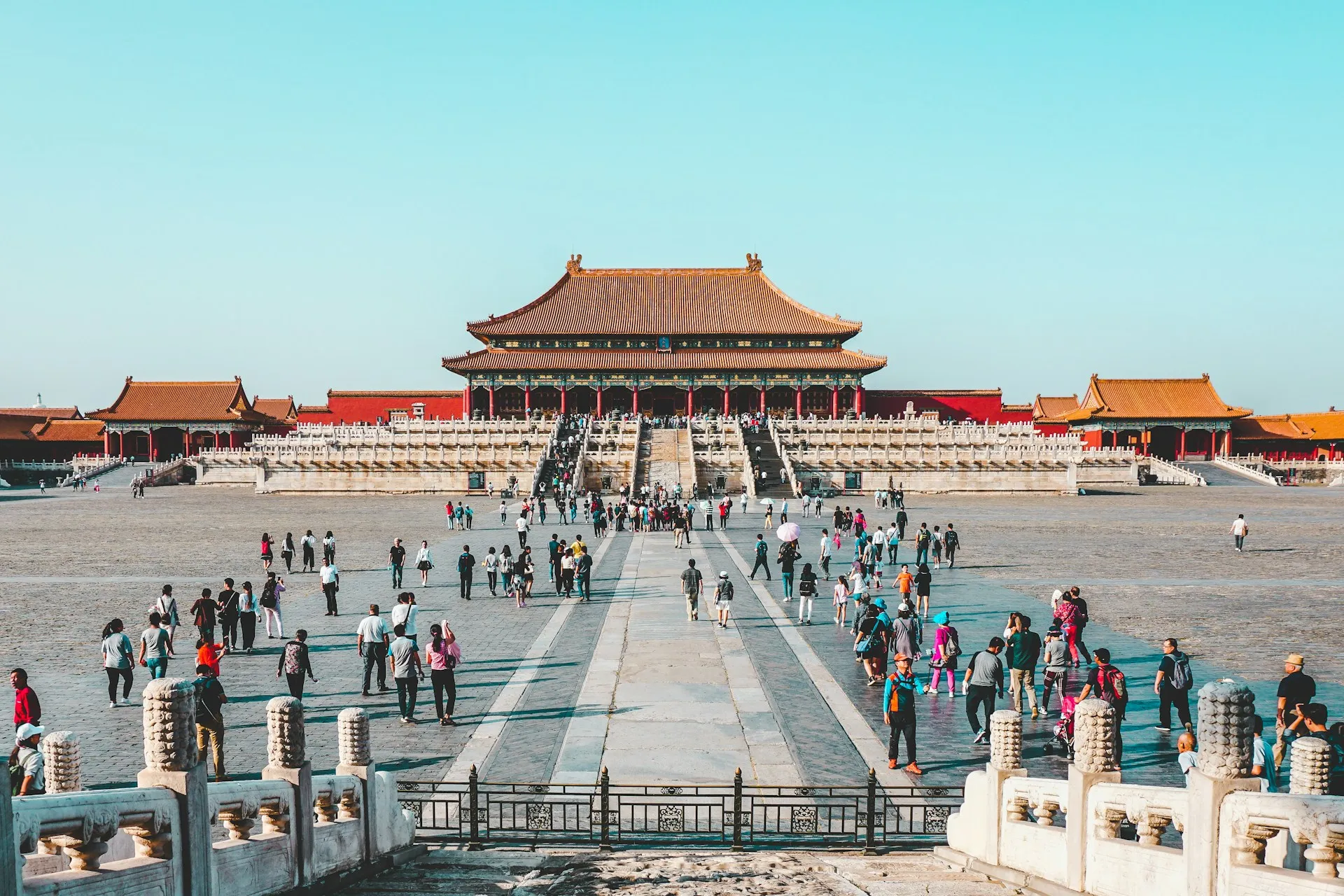
Trump arrives in Beijing on Wednesday evening, May 13. On Thursday, he will attend a formal welcome ceremony and hold his first bilateral meeting with President Xi at the Great Hall of the People, located on the western edge of Tiananmen Square — the building where China conducts its highest-level state functions. The afternoon includes a visit to the Temple of Heaven, a site Chinese protocol reserves for guests it assigns high ceremonial significance. A state banquet follows Thursday evening.
The substantive sessions continue Friday, with extended working meetings that the two sides have said will cover the Trade and Investment Committee and potential agreements in aviation, agriculture, and energy.
The White House has not announced a final schedule for Friday afternoon or confirmed whether a joint statement will be issued before Trump departs. Neither government has pre-announced specific deliverables — leaving open the question of how much publicly committal language both sides are prepared to put on paper when the summit closes.
Sources 6 cited · 2 primary
- U.S. President Donald J. Trump to Pay a State Visit to China
- Fact Sheet: President Donald J. Trump Strikes Deal on Economic and Trade Relations with China
- China Confirms Xi-Trump Summit After Delay Linked to Iran War
- Trump invites Boeing, Mastercard CEOs to join China trip next week: sources
- Exclusive: Trump administration plans to invite CEOs from Nvidia, Apple, Exxon on China trip
- Bessent says will visit Seoul ahead of Trump-Xi summit
American Courant cites its sources and links to primary documents where they exist. How we report →