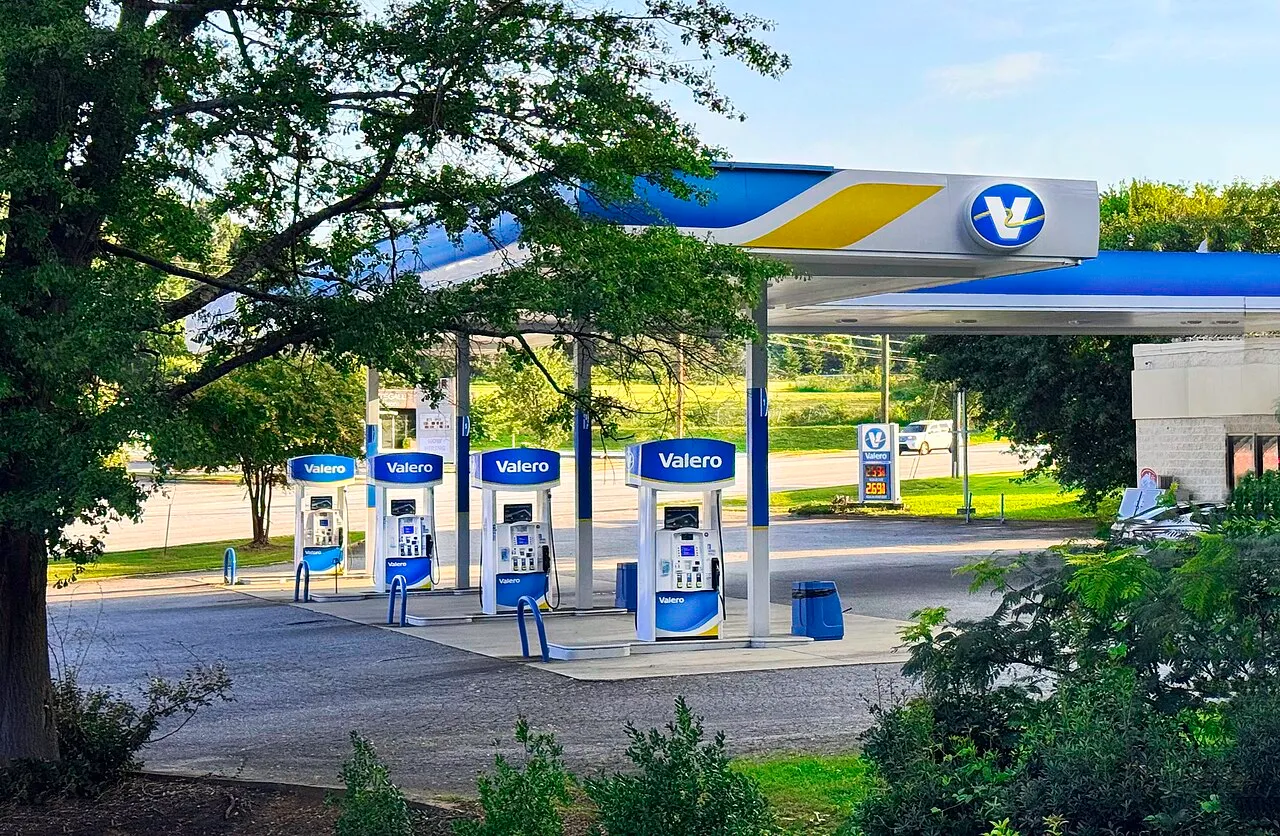
The national average price of regular gasoline hit $4.56 a gallon this week, according to AAA — up from roughly $3.00 before the United States went to war with Iran on February 28. A Senate analysis released Thursday puts the cumulative damage in concrete terms: a household with two cars will pay approximately $1,753 more at the pump this year than it did before the conflict began, assuming prices hold at current levels.
That projection, published by the office of Senator Edward Markey of Massachusetts, the ranking member of the Senate Small Business and Entrepreneurship Committee, calculates $73 extra per car per month against the pre-war baseline. The report describes the figure as “likely an underestimate,” noting that many energy analysts project prices will continue rising if the Strait of Hormuz remains at least partially closed — which it currently is, more than 10 weeks into the conflict.
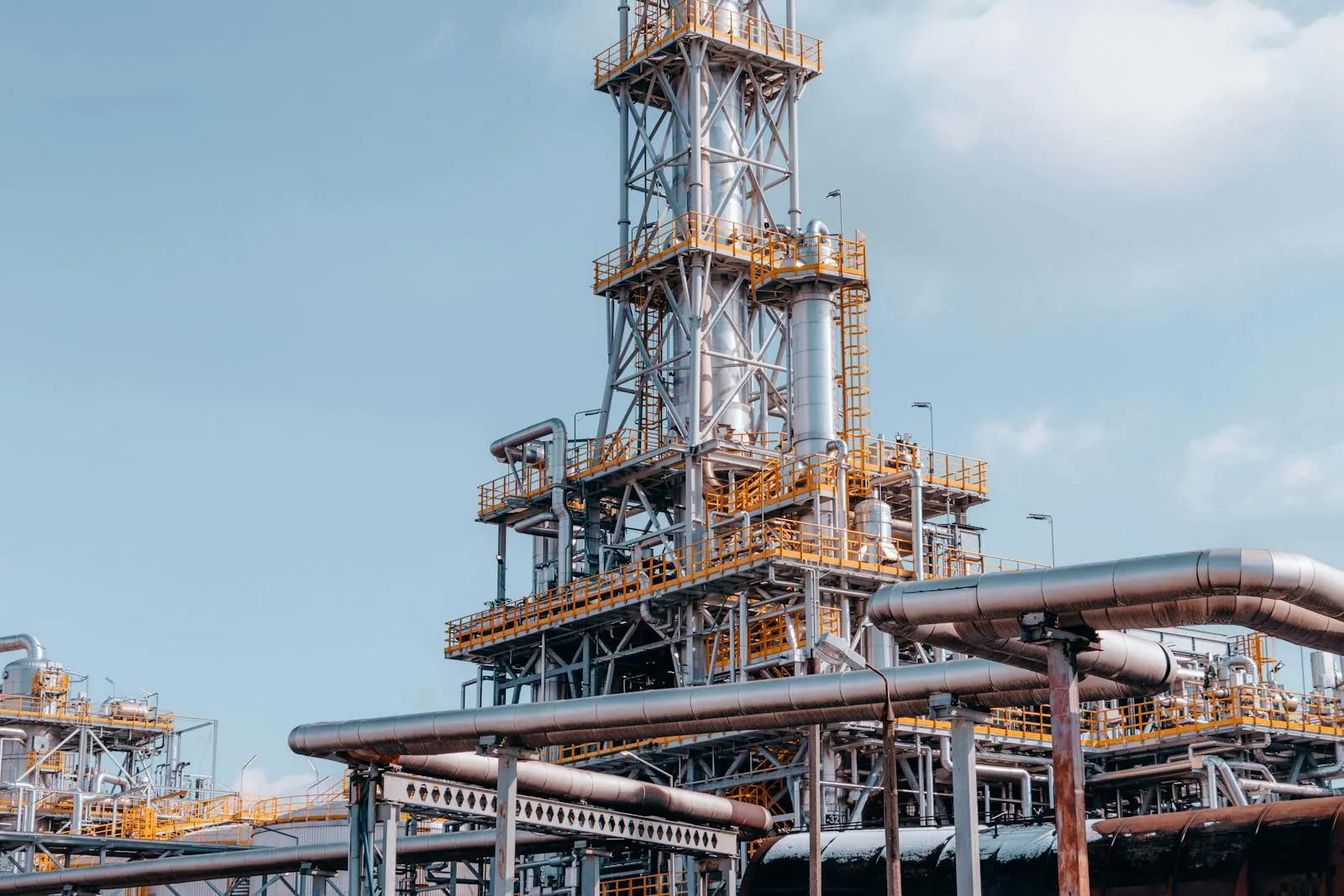
The same market disruption that is draining household budgets has produced a windfall for the world’s largest oil companies. Shell reported adjusted earnings of $6.92 billion for the first quarter of 2026 Thursday — a 24 percent increase over the $5.6 billion it posted in the same period last year, and more than $800 million above the $6.1 billion analysts had expected.
Shell CEO Wael Sawan described the quarter as one “marked by unprecedented disruption in global energy markets” and attributed the performance to higher realized prices and increased trading activity. In a separate interview Thursday, Sawan was more specific about the cause: the conflict has created “the hard realities of taking 12% of the world’s crude off the market,” he said.
What the Markey Analysis Found
The Senate analysis, released the day after Shell’s earnings report, uses AAA’s weekly pump price data to calculate the added annual cost to American drivers relative to the pre-war national average of approximately $3.00 per gallon.
At the current $4.56 average, the additional cost per car comes to about $876 per year — $73.06 per month — compared to pre-war fuel spending. The two-car family number, $1,753, represents what that household will have spent extra over a full calendar year if prices stay where they are through December.
The “likely underestimate” qualifier matters. Gas prices have been rising for two consecutive weeks, per AAA. Several energy analysts have forecast that prices could approach $5.00 per gallon if the Strait of Hormuz closure extends into summer driving season without a deal. At $5.00, the two-car family figure would approach $2,600 annually.
The analysis does not include the cost of higher diesel prices, which affect trucking and shipping costs and show up as higher prices for groceries and other goods. It also does not account for elevated jet fuel costs, which have already prompted domestic airlines to raise fares and reduce service on several thin-margin routes.
Big Oil’s War Windfall
Shell’s first-quarter results are not an outlier. The six largest European oil companies combined to report roughly $22 billion in profits during the first three months of 2026 — the highest collective quarterly figure since Russia’s invasion of Ukraine triggered the 2022 energy shock.
Shell announced a 5 percent dividend increase alongside the earnings report and a $3 billion share buyback program for the next three months. The company’s shareholder returns are a direct consequence of a market it did not create, but in which it is positioned to profit at scale.
Sawan’s characterization of the market as “unprecedented disruption” is accurate in a specific sense. The Strait of Hormuz closure — which Iran imposed by mining shipping lanes and attacking commercial vessels in the weeks after the war began — has created a structural supply shortage that spot market trading has not been able to fully offset. Iran also struck Qatar’s Ras Laffan LNG complex in March, damaging infrastructure that analysts estimate will require three to five years to fully repair and reducing Qatar’s LNG export capacity by roughly 17 percent.
The combined effect — reduced crude, reduced LNG, heightened insurance costs for all maritime transit — has pushed Brent crude from roughly $71 per barrel on February 27, the day before the war began, to approximately $118 per barrel by mid-March, a trajectory that has only partially corrected since.
The Broader Inflation Footprint
The pump price is the most visible part of the Iran war’s domestic cost, but not the only one.
The Bureau of Labor Statistics reported in April that the Consumer Price Index rose 0.9 percent in March on a month-over-month basis and 3.3 percent year-over-year — up sharply from February’s 0.3 percent monthly increase and 2.4 percent annual reading. Energy prices drove the headline jump, but analysts at the Federal Reserve Bank of Dallas, who published a detailed breakdown of the war’s inflation impact in April, flagged that the pass-through from energy to food prices typically takes three to six months. That means the grocery store impact of the February-March energy spike has not yet fully materialized.
Housing costs have also risen. Mortgage rates, which had been declining steadily in early 2026 on expectations of Federal Reserve rate cuts, reversed direction when the war began and the 10-year Treasury yield spiked in response to energy-driven inflation expectations. American Courant covered the mortgage rate reversal in detail earlier this month.
U.S. auto loan debt hit a record $1.7 trillion in the first quarter, according to consumer finance data cited in recent news reports — a figure that reflects both higher car prices and higher borrowing costs for households already absorbing elevated fuel expenses.
The Dallas Fed analysis emphasized a pattern that recurs across energy-shock cycles: lower-income households spend a higher proportion of their income on gasoline and are therefore hit proportionally harder by pump price increases. A family earning $50,000 per year spending $1,753 more on gas faces a 3.5 percent effective income reduction from fuel costs alone before accounting for the broader inflation footprint.
What It Would Take to Bring Prices Down
The direct answer is a deal. Specifically, a signed memorandum of understanding between the U.S. and Iran that reopens the Strait of Hormuz and establishes a path to restoring Iranian oil exports.
Secretary of State Marco Rubio set an end-of-day Friday deadline for Iran to respond to the 14-point MOU the U.S. transmitted Wednesday. The status of those negotiations, and what the framework would require of both sides, is detailed in our report published earlier today.
Markets have already priced in a partial deal premium. Oil prices are not as high as they would be if the market expected hostilities to continue indefinitely — traders have assigned meaningful probability to a deal being reached before the ceasefire expires May 17. If a deal is signed and the Strait reopens, the consensus forecast from energy economists is that Brent crude would fall to the $80-$90 range within weeks as suppressed supply returns to market.
If the ceasefire expires without an agreement, the reverse would apply. A return to open hostilities — or even a prolonged deadlock with no clear path to resolution — would push crude toward or above $130 per barrel in the near-term estimate from several analysts.
For American households, the difference between those two outcomes is roughly $1.00 per gallon at the pump — the gap between prices today and prices in a deal scenario. For a two-car family, that translates to the difference between spending an extra $1,753 this year and spending nothing extra at all.
The Markey analysis notes that conclusion plainly: the war is an ongoing, compounding cost, and the only mechanism for ending it is the diplomatic process that is, as of Friday afternoon, still unresolved.
Sources 6 cited · 3 primary
- Ranking Member Markey: Trump's Pump Bump is Hitting American Families and Small Businesses Hard
- Shell tops profit estimates as Iran war boosts oil price, cuts share buybacks
- Shell CEO says oil market is short nearly 1 billion barrels due to Iran war
- National Average Rises 25 Cents for Second Straight Week
- Implications of the Iran war for U.S. inflation
- In 8 weeks, the Iran war has dented the U.S. economy. The damage could linger, economists say.
American Courant cites its sources and links to primary documents where they exist. How we report →