For two years, the world’s major central banks were moving in the same direction: down. Inflation was fading, growth was wobbling, and the debate was only over how fast to cut. The war in the Middle East has broken that consensus, and on Thursday the European Central Bank did something no major Western central bank had done since the conflict began — it raised rates.
The ECB lifted its three key interest rates by a quarter of a percentage point, pushing the benchmark deposit rate to 2.25 percent, its first increase since 2023. In its statement, the bank pointed squarely at the war, saying the conflict is “generating inflation pressures” across the euro area through higher energy costs. President Christine Lagarde said the decision was unanimous, and the bank described the move as “robust across a range of scenarios” for how the energy shock might evolve.
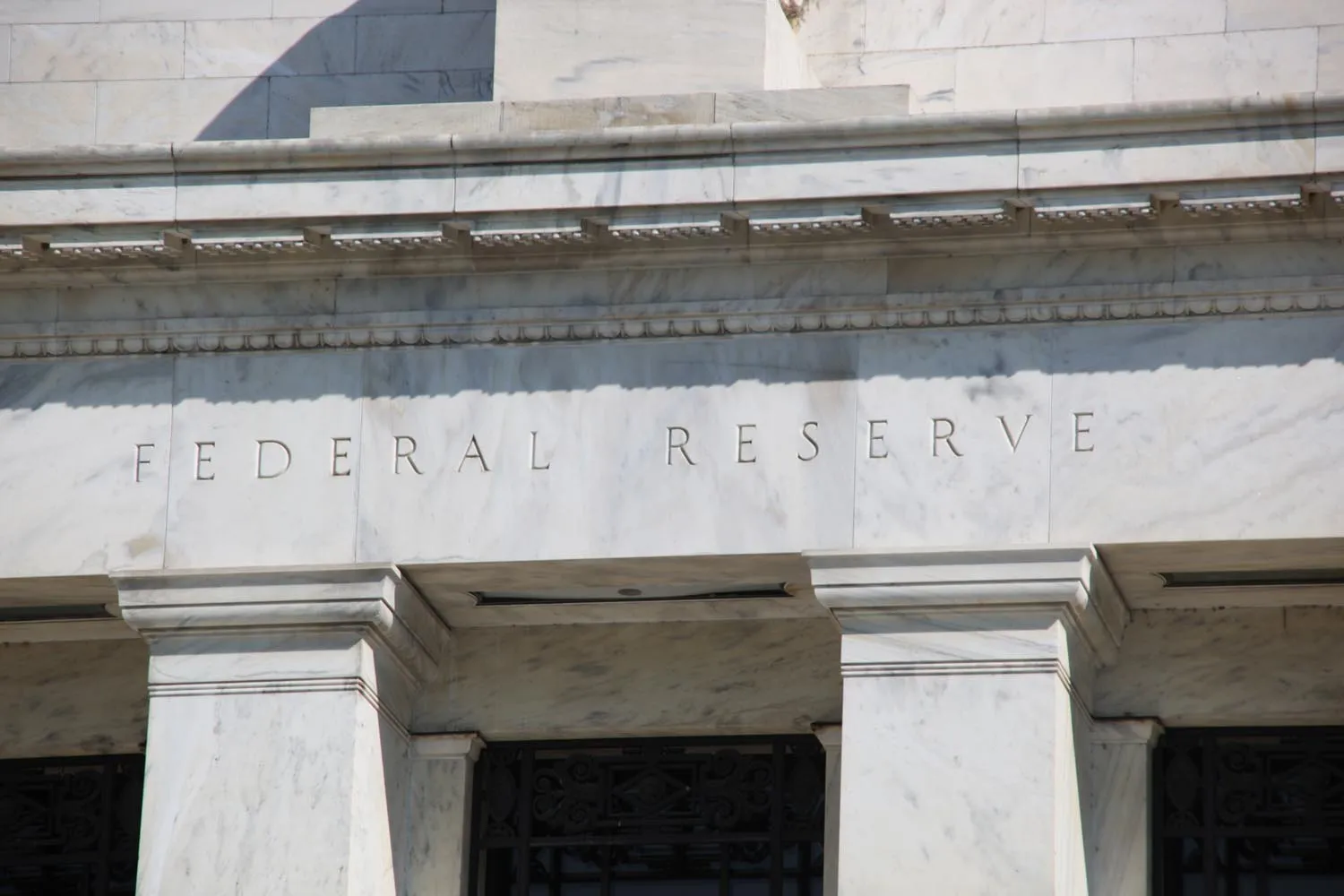
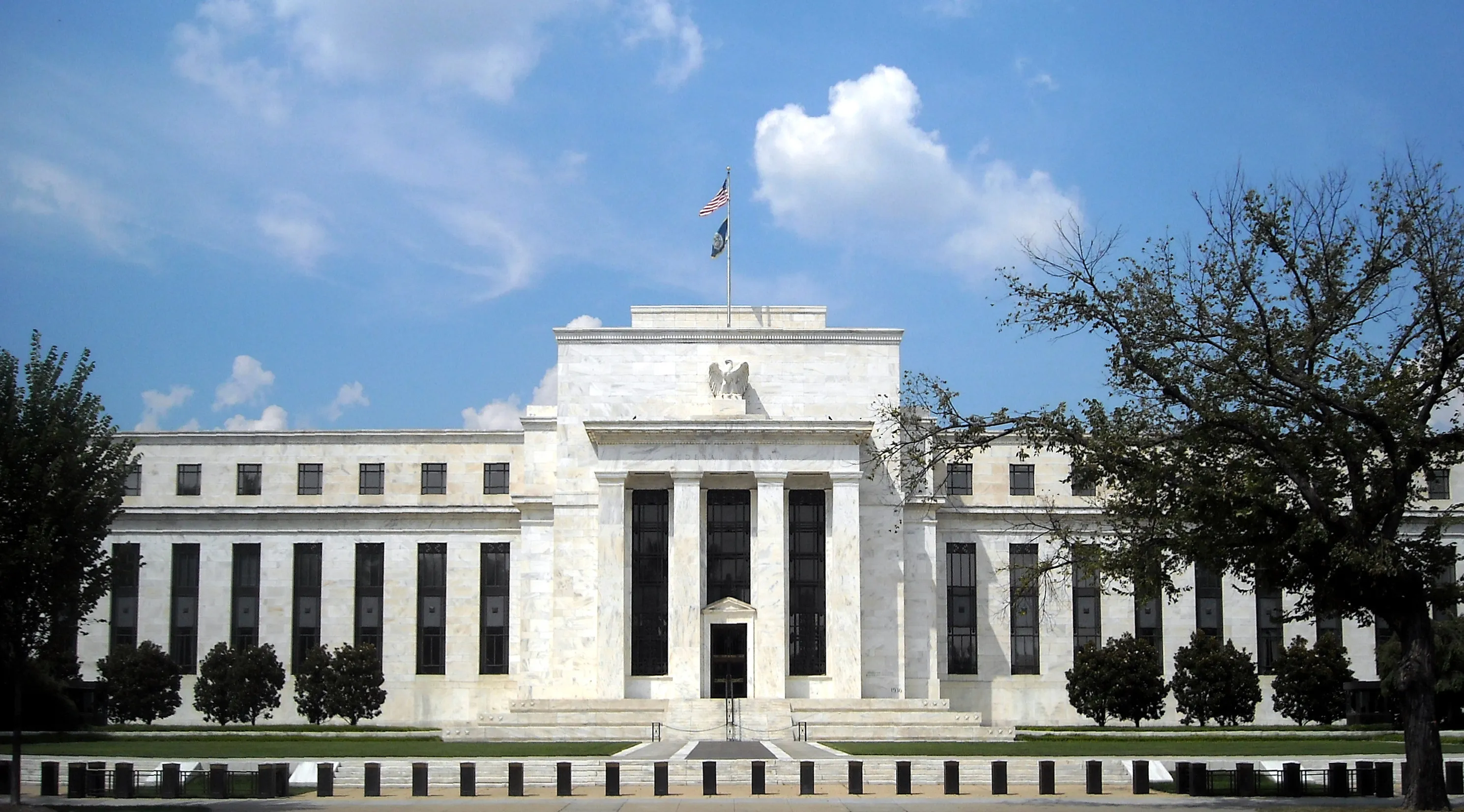
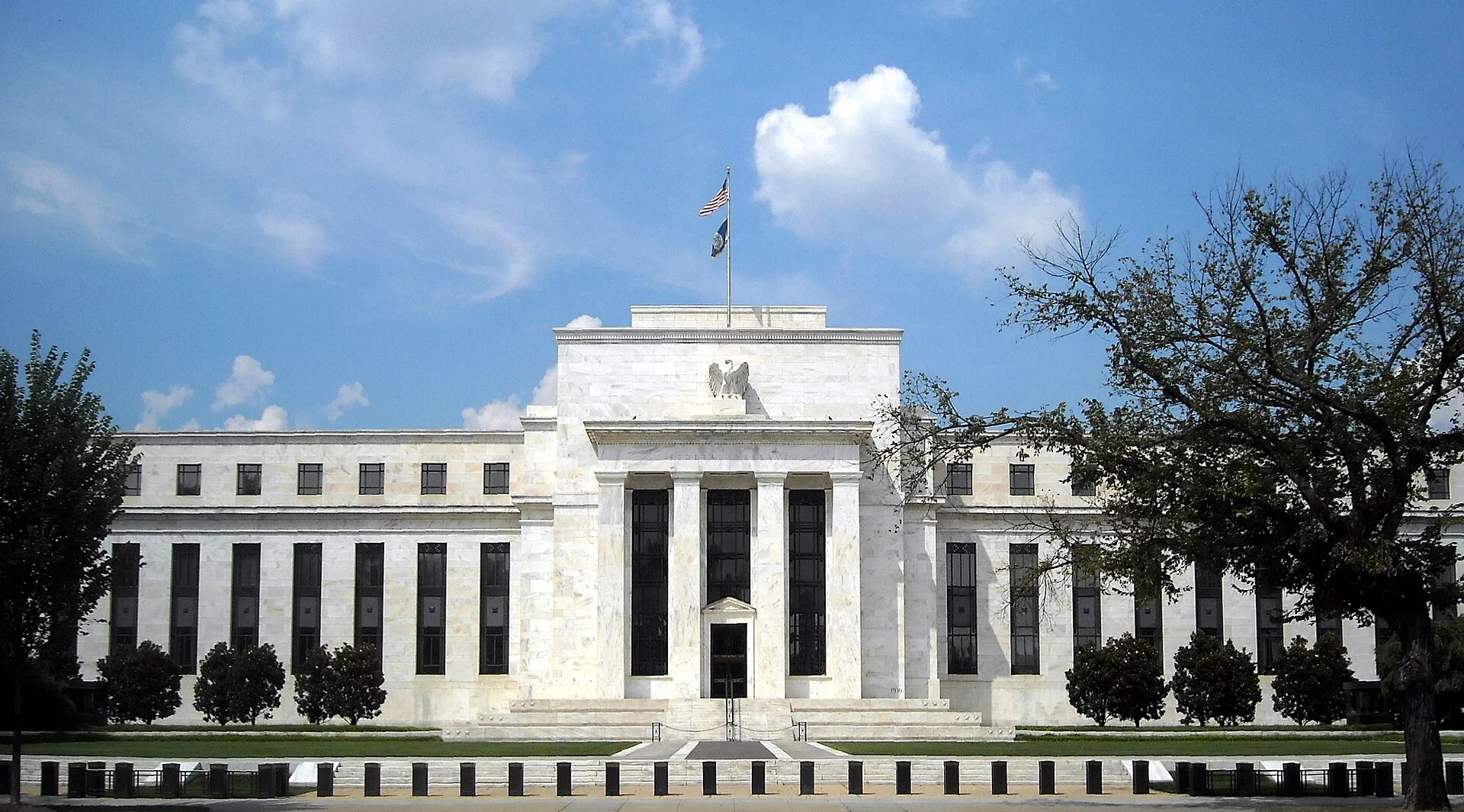
The significance reaches well beyond Frankfurt. The Federal Reserve meets in Washington on June 16 and 17, with U.S. inflation running hotter than Europe’s and the same oil-driven forces pressing on American prices. Europe’s central bank has now shown its hand. The Fed’s is next.
Why It Matters
A single quarter-point move in Europe does not change anyone’s mortgage in Ohio. What it changes is the story central bankers are telling about where inflation is headed — and that story now points up, not down.
The mechanism is the same one that has driven this year’s price pressure on both sides of the Atlantic: a war that keeps a risk premium on every barrel of oil and a recurring threat to shipping through the Strait of Hormuz. American Courant has tracked how those swings ripple outward, from the brief crude-price drop after Trump claimed an Iran settlement to the World Bank’s downgrade of global growth to its weakest since the pandemic. Energy is the common thread, and energy is what turns a regional conflict into a line item on a household budget.
For the euro area, eurozone consumer prices rose to 3.2 percent in May, the third straight month above the ECB’s 2 percent target. The bank’s own forecasts now see inflation averaging 3.0 percent this year before easing to 2.3 percent in 2027 and back to target in 2028 — a path slow enough that the ECB judged it could not keep waiting.
The Fed’s Turn
The contrast with the United States is stark, and it runs in the uncomfortable direction. U.S. headline inflation sits at 4.2 percent, well above the eurozone’s rate and more than double the Fed’s target, after a May reading that hit a three-year high. Yet the Fed has held its benchmark rate steady at 3.50 to 3.75 percent across three straight meetings this year.
Markets broadly expect the central bank to hold again this week. The more important question is what new Fed Chair Kevin Warsh, confirmed by the Senate in one of the narrowest votes for the post on record, signals about the path ahead. The ECB’s move puts the possibility of tightening — not just pausing — back on the table in a way it has not been for the Fed in years. If a central bank with lower inflation than America’s just decided it had to raise rates, the case for the Fed to rule out hikes gets harder to defend.
Lagarde, for her part, declined to call Thursday’s increase the start of a hiking cycle, leaving the ECB room to stop after one move if the energy shock fades. That hedge matters: it tells markets the bank is reacting to a specific shock, not embarking on an open-ended campaign. The Fed will likely seek the same flexibility.
The Global Divide
The deeper story of this week is the end of synchronized policy. For most of 2024 and 2025, the major central banks moved together, easing as pandemic-era inflation receded. The war has split them apart according to how exposed each economy is to the energy shock and how much inflation each is already carrying.
Europe, heavily dependent on imported energy and physically closer to the conflict, felt the price pressure first and moved first. The Bank of England, facing its own elevated inflation, has signaled it is closer to tightening than cutting. The Bank of Japan, long an outlier with rock-bottom rates, has been inching its policy rate higher for separate reasons tied to a weak yen and rising import costs. The common thread is that the direction of travel has reversed: a year ago the question was how quickly to cut, and now it is whether to hold or hike.
That reversal has consequences in markets that ordinary borrowers rarely watch but ultimately pay for. When central banks signal that rates will stay high, longer-term government bond yields rise, and those yields set the floor for mortgage rates, corporate borrowing and the interest the U.S. government itself pays on its debt. A hawkish turn in Frankfurt nudges those benchmarks worldwide, because global capital moves toward whichever safe asset pays more. The ECB’s decision is, in that sense, not only a European event but a small upward tug on the cost of money everywhere.
The Consumer Impact
For American households, the practical channel is borrowing costs. Mortgage rates, which fell to a 2026 low near 6.09 percent earlier in the year, have climbed back above 6.5 percent as oil-driven inflation reasserted itself, according to Bankrate. Rates on credit cards, auto loans and small-business borrowing move with the same expectations. When central banks signal “higher for longer,” lenders price it in well before any official rate actually changes.
The squeeze is uneven. Borrowers — homebuyers, anyone carrying a balance, businesses that expand on credit — feel the cost. Savers, by contrast, continue to earn more on cash than they did during the cheap-money decade. The net effect for most families is that the relief many expected from falling rates in 2026 has not arrived, and the war is the reason it keeps slipping further out.
What Europe’s decision adds is a warning that the pressure is not a local American problem. It is a shared shock, transmitted through oil, that is forcing central banks everywhere to choose between fighting inflation and supporting growth — and, for now, to choose inflation.
For businesses, the same dynamic complicates planning. Companies that borrow to expand — to build a plant, open a location, carry inventory — face financing costs that have stopped falling and may climb. The ECB’s own staff forecast frames the bind plainly: it expects the energy shock to keep inflation above target this year while it simultaneously flags downside risks to growth. That combination, sometimes called stagflation, is the hardest environment for a central bank to manage, because the standard tools for one problem worsen the other. Raising rates fights inflation but slows the economy; cutting them supports growth but risks letting prices run. The ECB chose to fight inflation, and the Fed will weigh the same trade-off with a weaker hand, given that U.S. inflation is higher to begin with.
What Comes Next
The Fed’s statement lands Wednesday afternoon, followed by Warsh’s press conference, where every word about future “tightening” will be parsed for whether the central bank is moving closer to Europe’s stance. Traders are already pricing in at least one more quarter-point ECB hike by year-end if the Hormuz disruptions persist.
The broader test is the war itself. Both central banks have effectively bet that the energy shock is serious enough to fight but not permanent. If the Strait of Hormuz stabilizes and oil retreats, the ECB’s hike may prove a one-off and the Fed may never have to follow. If the conflict drags on and crude stays elevated, Thursday’s move in Frankfurt will look less like an outlier and more like the first step everyone else eventually takes.
Sources 6 cited · 1 primary
- Monetary policy decisions, 11 June 2026
- ECB hikes interest rates for first time since 2023 as Iran war ramps up energy costs
- ECB raises interest rates for the first time in three years as Iran war fuels inflation
- ECB Stands Out With First G7 Rate Hike Since Start of Iran War
- The ECB raises interest rates by 25 basis points; the deposit rate rises to 2.25%
- Mortgage Rates Remain Above 6.5% As Inflation Spikes
American Courant cites its sources and links to primary documents where they exist. How we report →