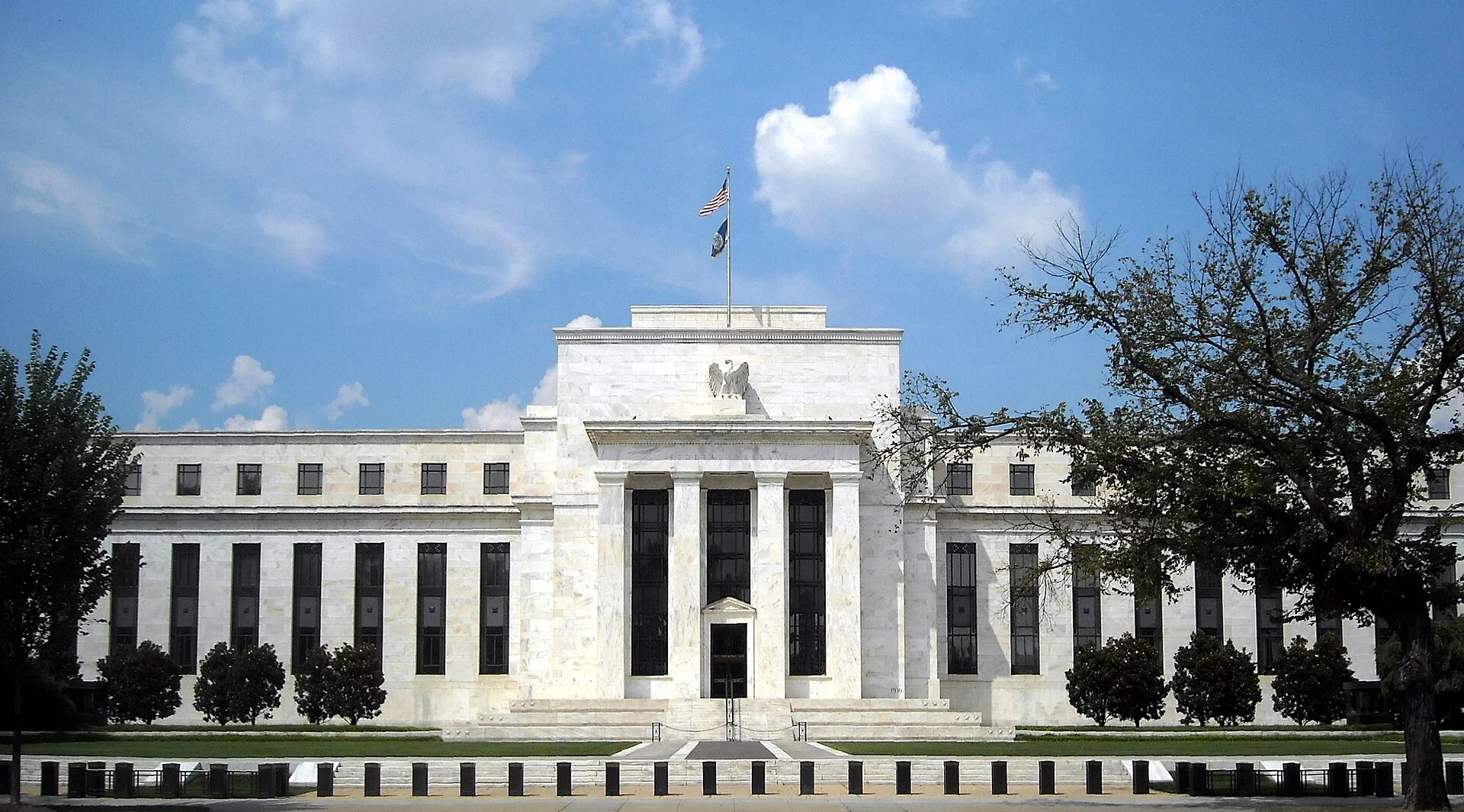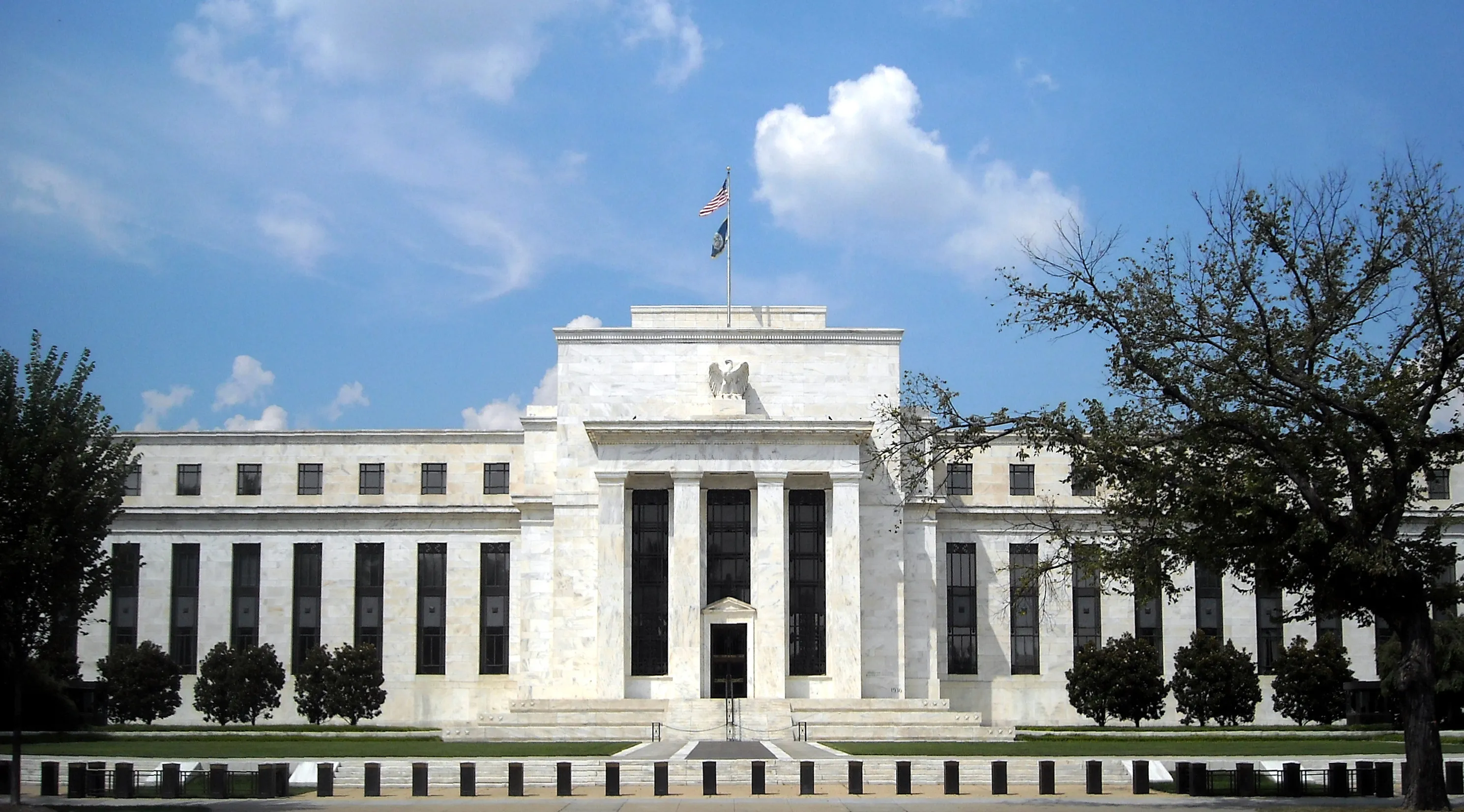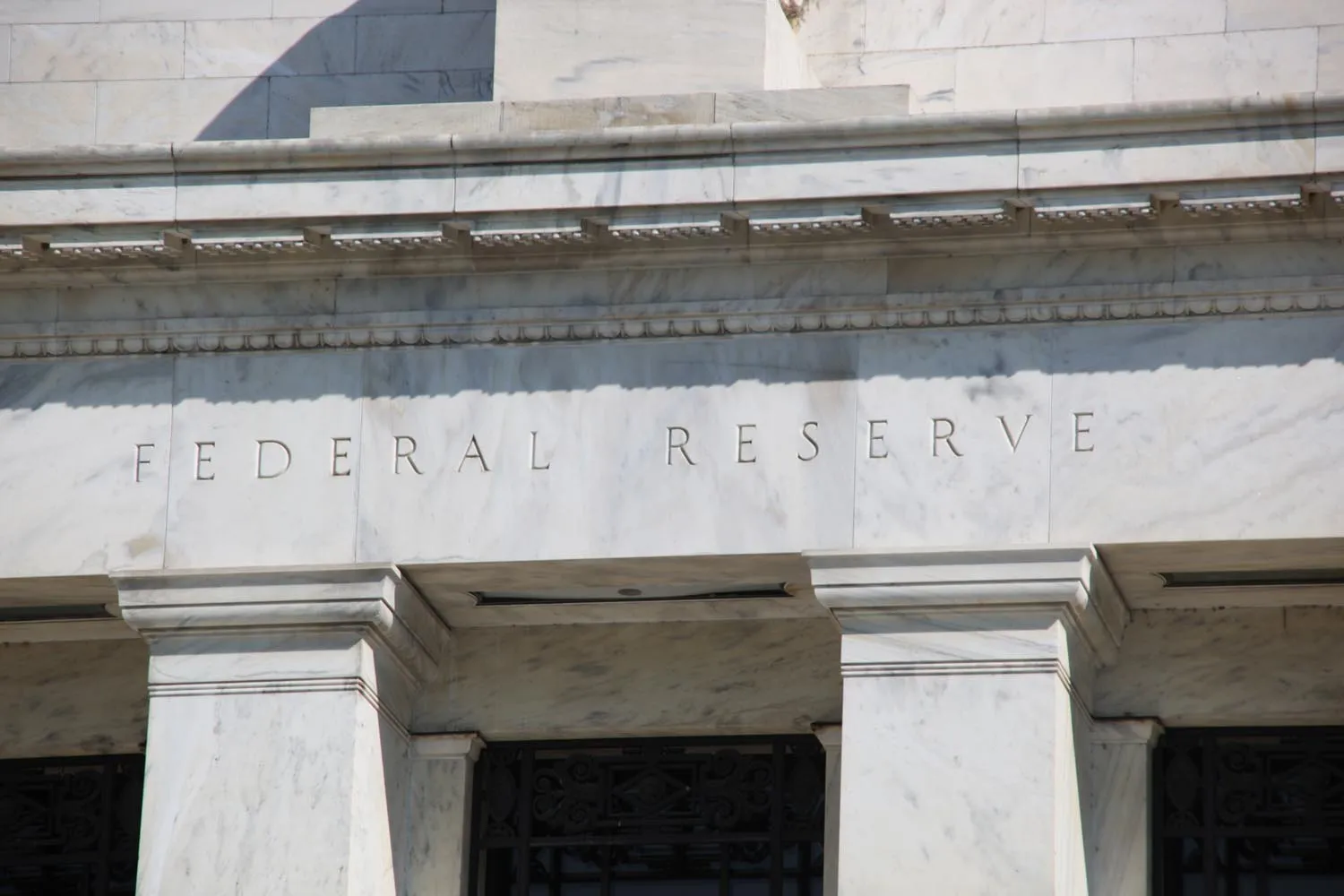
The Federal Reserve’s two-day meeting that opened Tuesday is, on its face, the least suspenseful gathering in months: almost no economist expects Kevin Warsh to move interest rates at his first meeting as chairman. The real signal sits one layer down — in the market that sets the price of money for everyone who is not the Fed.
In the Treasury market, traders spent the spring abandoning bets that the central bank’s next move would be a rate cut and began pricing the opposite. After May’s inflation reading, fed funds futures swung to imply a better-than-even chance of a rate hike by December — above 70% by some measures — with no cuts left on the board, a reversal from the start of the year, when investors penciled in two reductions. That shift runs directly against the assignment President Trump handed Warsh when he installed him to bring borrowing costs down. On Wednesday at 2 p.m. Eastern, the Fed will publish the quarterly projections, including the closely watched “dot plot,” that reveal whether its own policymakers now agree with the market.
What the bond market has already decided
The move that matters has happened at the long end of the yield curve, where the government borrows for 10 and 30 years and where mortgages, corporate debt and car loans take their cue. In mid-May the 30-year Treasury yield climbed above 5.19%, its highest level since before the 2008 financial crisis — a roughly 19-year peak, according to CNN Business. The 10-year note pushed to about 4.69% in the same stretch, the highest since January 2025, CNBC reported.
The driver was inflation, and the inflation had a specific cause. Consumer prices rose 4.2% in the year through May, the fastest pace in three years, as the war between the United States and Iran sent energy costs surging. That three-year high in inflation hardened a view in the bond market that the Fed cannot ease without letting price pressures run, even as the headline rate it directly controls stays put.
Warsh inherits that backdrop on day one. He was confirmed by the Senate 54-45, the narrowest margin ever for a Fed chair, on an explicit White House expectation that he would steer rates lower. The bond market’s verdict is that the economics point the other way — a tension Warsh himself acknowledged last month when he warned that the federal government’s fiscal trajectory carries “real monetary consequences” and that the Fed would not cut to accommodate Washington’s deficits.
What makes the move telling is where it sits on the curve. The Fed controls the overnight rate directly, but the 10- and 30-year yields are set by investors weighing inflation, the supply of government debt and the compensation they demand for locking up money for decades. When long yields climb even as the Fed holds the short rate steady, it signals that the market doubts inflation will fall back on its own — and that it wants to be paid more to hold Treasurys at a time when federal borrowing is heavy. That combination, not any single data point, is what flipped the futures market from pricing cuts to pricing a possible hike.
There is a late twist that cuts the other way. The provisional peace reached between the United States and Iran has pulled crude oil down toward $80 a barrel, the lowest since mid-April and roughly 20% off its 2026 peak, easing the single biggest source of the inflation scare. By Tuesday the 10-year yield had retreated to about 4.44%, a three-week low, and traders trimmed some of their hike bets. The energy relief gives Warsh a sliver of room he did not have a month ago — but it does not erase a 4.2% inflation rate, and it does not turn the market’s base case back toward cuts.
The dot plot is the real reveal
Because a hold is all but certain, the market’s attention falls on the Summary of Economic Projections the Fed releases alongside the decision. The June meeting is one of four a year at which policymakers submit their forecasts for growth, unemployment, inflation and — in the dot plot — where each expects the policy rate to sit at year-end and beyond.
In the Fed’s previous projections, the median dot still implied at least some easing ahead. Wednesday’s update will show whether that median has moved up, flattened or, in the scenario the bond market is now bracing for, tilted toward a hike. A dot plot that abandons cuts would confirm the market’s repricing and validate the long end’s climb. One that still pencils in easing would put the Fed openly at odds with the traders who fund the Treasury — and with the inflation data sitting in front of both.
Warsh’s first appearance in the post-meeting news conference will carry unusual weight for a no-change decision. Investors will parse how he frames the inflation overshoot, whether he treats the oil pullback as durable or fragile, and how forcefully he defends the Fed’s independence from a president who wants lower rates now. The substance of the decision is settled; the posture is not.
The political subtext
The reason markets are watching the dot plot rather than the rate is that the gap between what the White House wants and what the data support has rarely been this visible. President Trump pressed publicly for lower rates throughout the spring and chose Warsh — a former Fed governor — on the expectation that he would deliver them. A first meeting that holds rates steady, paired with projections that decline to promise cuts, would be Warsh’s clearest statement yet that the central bank reads the economy on its own terms.
That is why the meeting many analysts call the “easy” one is being scrutinized so closely. As one widely cited framing has it, the first decision is the one almost no one expects to be a cut anyway; the test of independence comes later, when the political pressure to ease has a real economic case to push against. Wednesday’s projections are an early read on whether Warsh’s committee is prepared to disappoint the president who appointed it — and the bond market has already placed its bet on the answer.
What a hawkish Fed means outside Washington
The reason a “boring” Fed meeting still matters to households is that the short rate the Fed sets and the long rates the market sets do not move in lockstep. The central bank can hold its policy rate flat while the 10- and 30-year yields that actually price mortgages and business loans keep rising — which is roughly what has happened this spring.
A 30-year Treasury yield near multidecade highs feeds straight into the cost of a home loan, a reality borrowers have already felt as financing costs climbed in the wake of the oil shock from the war with Iran. Higher long rates also raise the government’s own borrowing bill at a moment when the deficit is large and growing, and they tighten conditions for companies rolling over debt. If Wednesday’s projections signal that policymakers see rates staying higher for longer — or moving up — the upward pressure on those everyday borrowing costs is unlikely to ease soon, regardless of what the headline “Fed holds” verdict says.
That is the gap Warsh has to manage. He was brought in to deliver cheaper money. The market that prices most of the money in the economy has spent the spring betting he cannot — at least not yet. Wednesday’s dot plot is the first official accounting of which side the Fed is on.
Sources 5 cited · 2 primary
- FOMC Meeting Calendars and Information
- Selected Interest Rates (Daily) — H.15
- 30-year Treasury yield tops 5.19%, highest since before the financial crisis
- 30-year US Treasury yield hits highest level in 19 years
- 10-year Treasury yield is steady even after data showing highest inflation since 2023
American Courant cites its sources and links to primary documents where they exist. How we report →