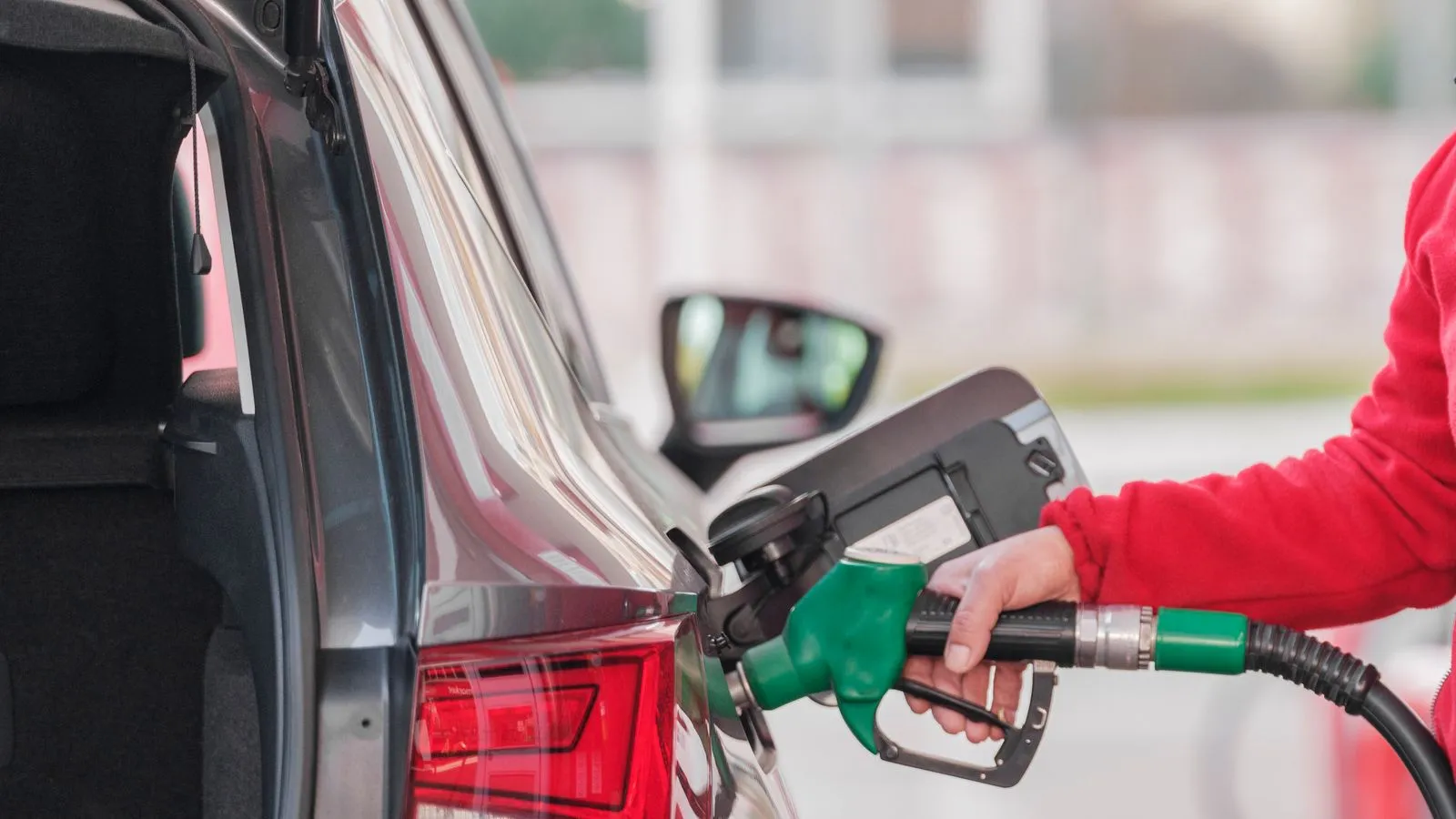
For the first time since late March, American drivers are paying less than $4 for a gallon of gas. The AAA national average slipped to $3.99 on June 18 and eased a hair lower the next day to about $3.97, a small but symbolic break after more than three months of pain at the pump driven by the war between the United States and Iran.
The relief is real. It is also partial. Even at $3.99, the national average sits roughly 34% above where it stood before the war began on Feb. 28, and analysts warn that fully unwinding the spike could take many months — possibly stretching into 2027. The number on the sign is moving in the right direction, but the cost of the conflict is still baked into nearly every fill-up.
What Changed at the Pump
The trigger was diplomacy. The U.S.-Iran agreement to halt fighting and reopen the Strait of Hormuz — detailed in American Courant’s coverage of the deal that sent oil prices tumbling — pulled the war-risk premium out of crude markets almost immediately. On June 14, U.S. crude closed down 4.8% at $80.75 a barrel and international Brent fell 4.7% to $83.17, both three-month lows. Lower crude eventually flows to the pump, and within days the national average cracked the $4 barrier.
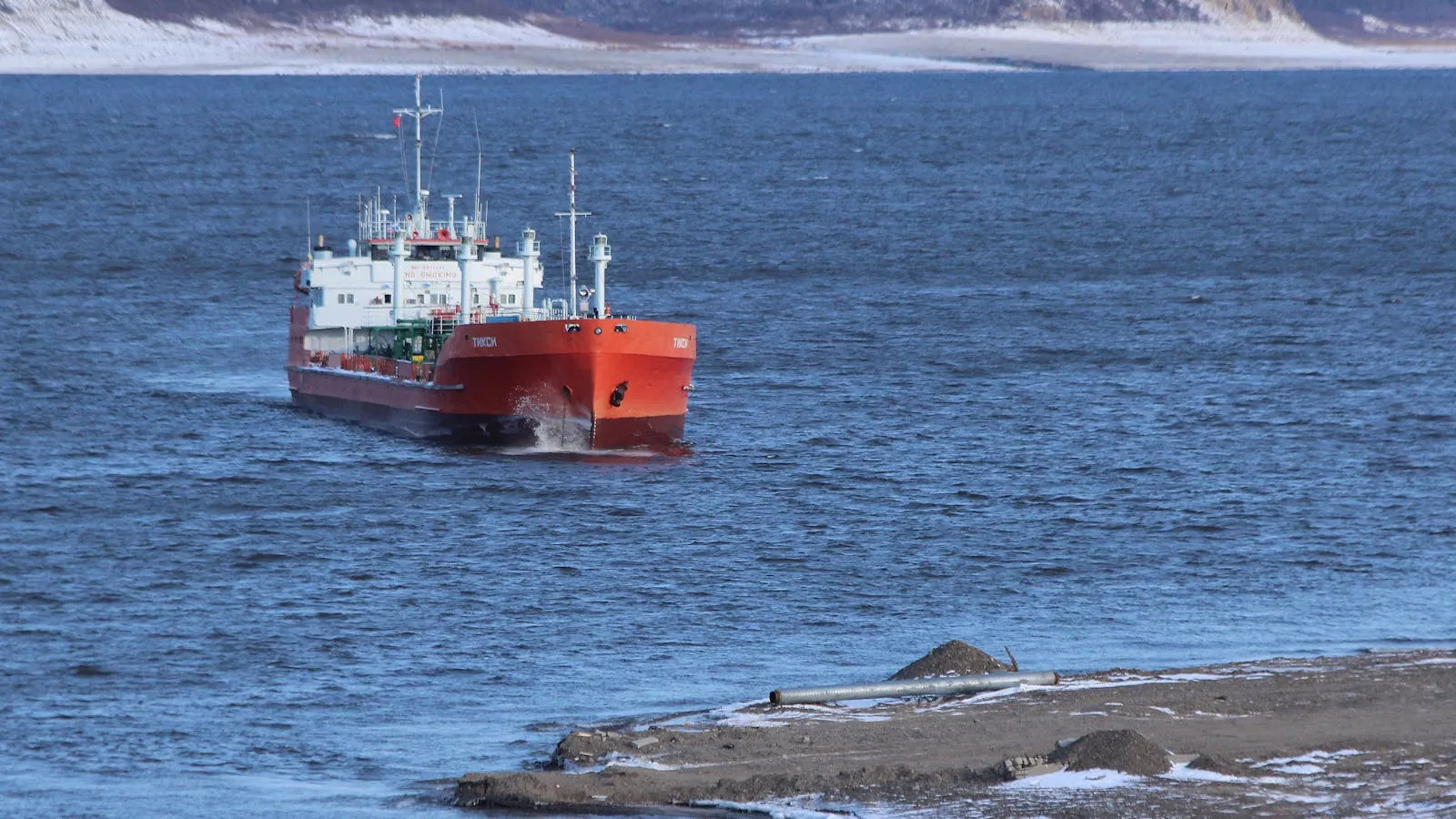
The drop matters because of how steep the climb had been. Through the spring, the closure of the Strait of Hormuz — the chokepoint through which a large share of the world’s seaborne oil moves — squeezed global supply and pushed pump prices up sharply, at one point jumping roughly a dollar in a single month, according to AAA. Patrick De Haan, head of petroleum analysis at GasBuddy, warned in May that the season was shaping up to be the most expensive in years. “This is the most volatile summer at the pump in years, and the Strait of Hormuz closure is at the center of it,” he said, adding that a deal could knock another 50 cents off the average if tensions eased. The deal arrived; the easing has begun.
Why It Won’t Fall Faster
Here is the part that gets lost in the headline: a ceasefire does not refill a tank truck overnight. Oil markets price in expectations quickly, but the physical supply chain moves slowly, and several factors are likely to keep gas elevated well after the shooting stops.
Global oil inventories were drawn down during the war and have to be rebuilt, a process that takes months. Facilities damaged or idled during the conflict need to come back online. Tankers rerouted around the Hormuz disruption have to find their way back into normal patterns. And refiners, who set their own margins, are not obligated to pass savings through at the same speed they passed along the increases. Analysts cited by Al Jazeera cautioned that U.S. fuel prices could take many months — and in some scenarios not until 2027 — to return to pre-war levels, even if the ceasefire holds.
There is also the diesel problem. Diesel powers the trucks, trains and ships that move nearly everything Americans buy, and it tracks crude with its own lag. Elevated diesel costs ripple into freight rates and, eventually, the price of groceries and goods on store shelves — which means the oil shock keeps feeding consumer prices even after gasoline starts to ease. A drop at the pump is the most visible relief, but it is not the whole story of what the war did to household costs.
That slow grind is also why the broader economic damage from the oil shock lingers. The same supply squeeze fed into higher costs across the economy and was a factor when forecasters trimmed their growth outlooks, including the World Bank’s downgrade of global growth that cited Middle East oil. Cheaper gas helps reverse some of that, but the unwind is gradual, not a switch.
The Consumer Impact
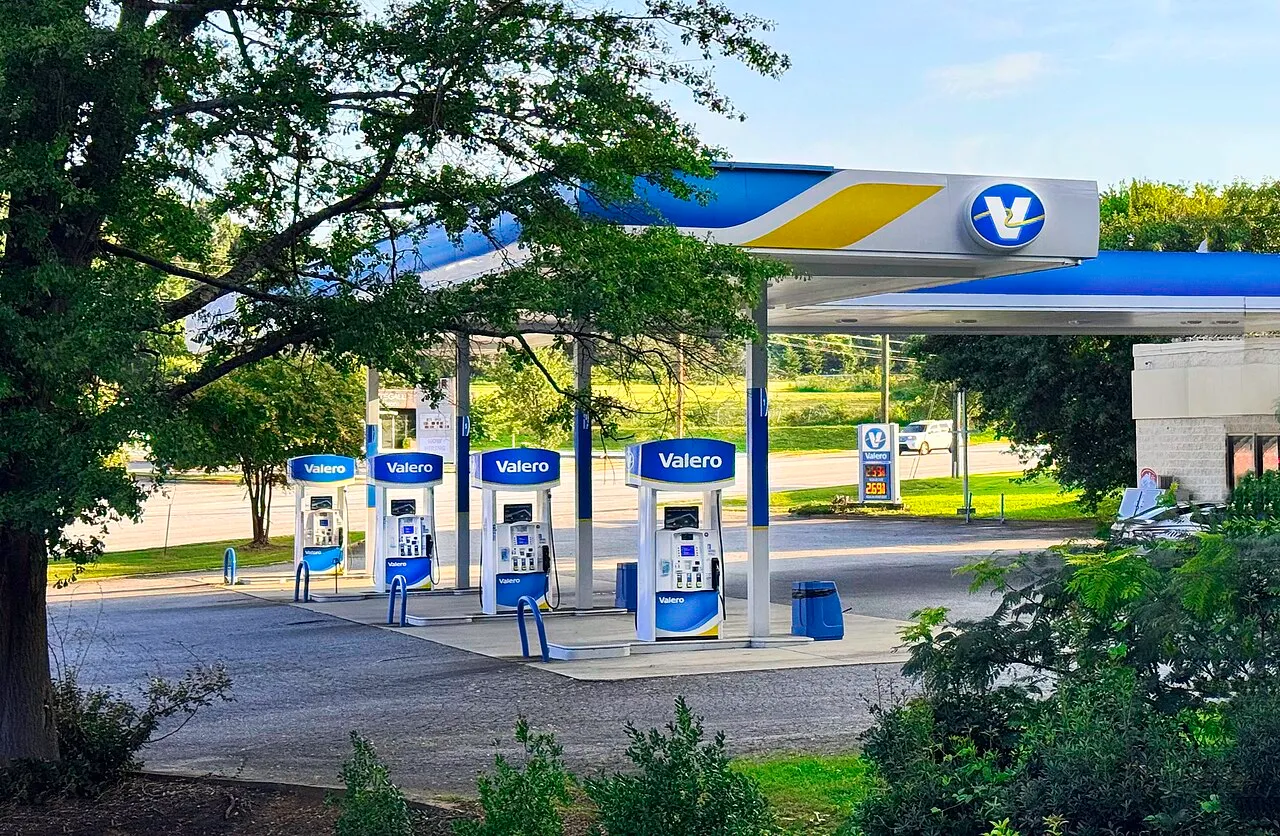
For households, the move below $4 is a modest tailwind heading into the heart of summer travel season. Gasoline is one of the most visible prices in American life — drivers pass the numbers on the corner sign several times a day — and dipping under a round-number threshold tends to lift consumer sentiment out of proportion to the actual dollars saved.
But the math is sobering. A driver filling a 15-gallon tank at $3.99 is paying about $60, versus roughly $45 before the war at pre-conflict averages — still nearly $15 more per fill-up than in February. Multiply that across a summer of commuting and road trips, and the war is still costing the typical household real money even with prices falling. The relief is a step back from the worst of it, not a return to normal.
There are other small pockets of breathing room emerging for stretched budgets, including the recent cut to student-loan autopay interest rates, but energy remains the single biggest swing factor in what families feel month to month. As long as gas sits a third above pre-war levels, it keeps a floor under the inflation readings that shape everything from grocery prices to the Federal Reserve’s next move.
The timing matters for summer. The stretch between Memorial Day and Labor Day is the busiest driving season of the year, when families plan road trips and demand for fuel peaks. Heading into that window, GasBuddy had projected a punishing season, with forecasts earlier in the year warning the national average could climb well past $4.50 if the Hormuz disruption dragged on. The deal blunted the worst-case path, but drivers planning long trips this July are still budgeting for fuel costs that would have looked alarming a year ago, when the average sat comfortably below $3.50.
What Comes Next
The near-term test is whether the decline continues or stalls. If the ceasefire holds and Hormuz traffic normalizes, AAA’s average could keep grinding lower through July. If the truce wobbles — and earlier rounds of this conflict have wobbled before — the war premium could snap back into crude just as fast as it left.
Investors get an early read this week. Carnival and FedEx both report earnings on June 23, and analysts will be watching the cruise line for signs of how lower fuel costs and the cooling conflict are shaping travel demand, and the shipping giant for what fuel prices mean for its costs. For drivers, the signal is simpler and shows up every morning on the corner: $4 gas is, for now, in the rearview mirror. Getting the rest of the way back to pre-war prices is going to take a while longer.
Sources 6 cited · 1 primary
- AAA Fuel Prices — daily national average
- Gas prices fall below $4 for the first time since March
- Oil prices hit three-month lows on US-Iran agreement
- Oil prices fall on Iran deal, but whether they go much lower 'is highly questionable'
- US fuel prices to take 'months' to normalise after US-Iran deal to end war
- Gas prices on track for most expensive summer in years, GasBuddy warns
American Courant cites its sources and links to primary documents where they exist. How we report →