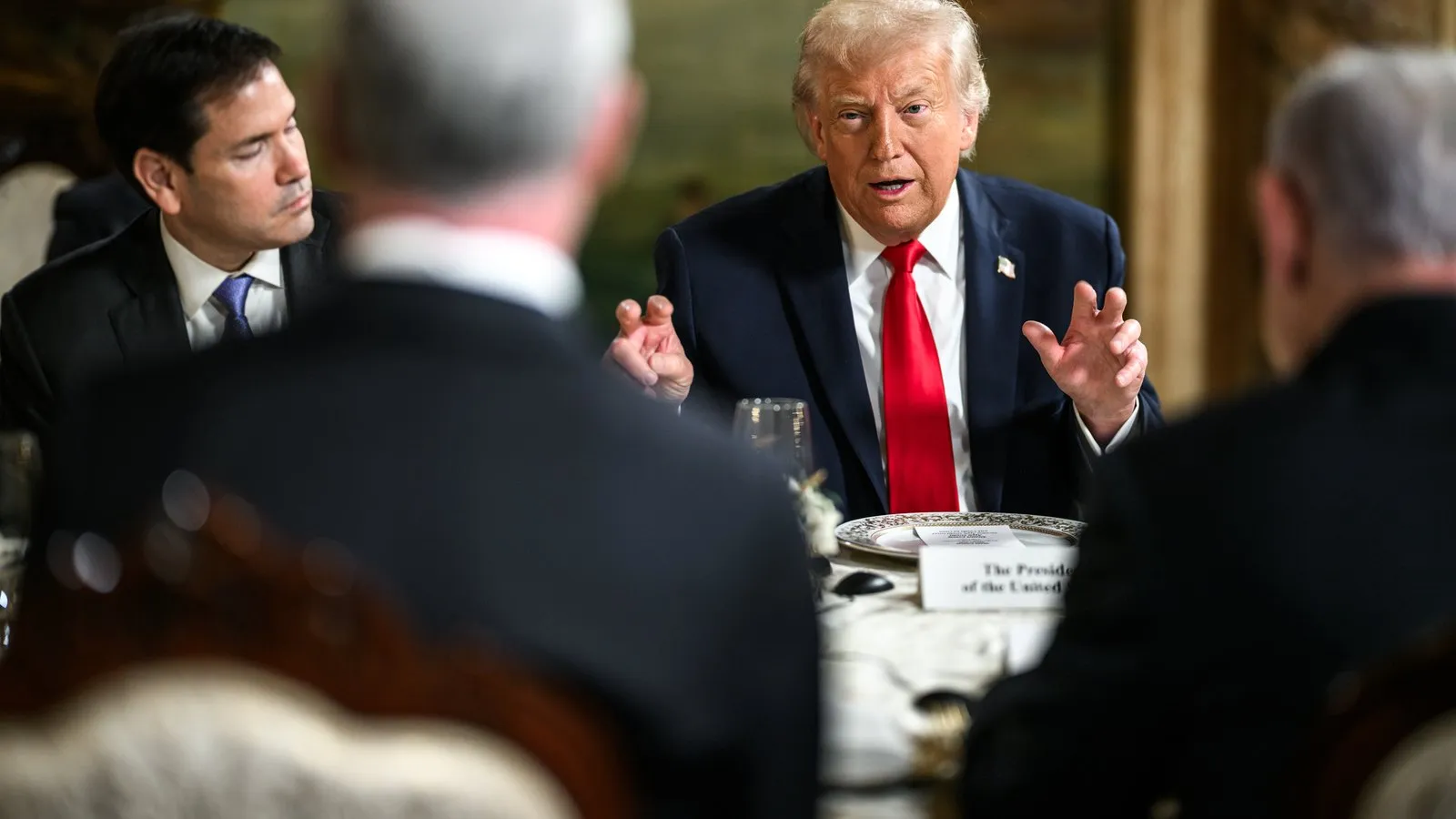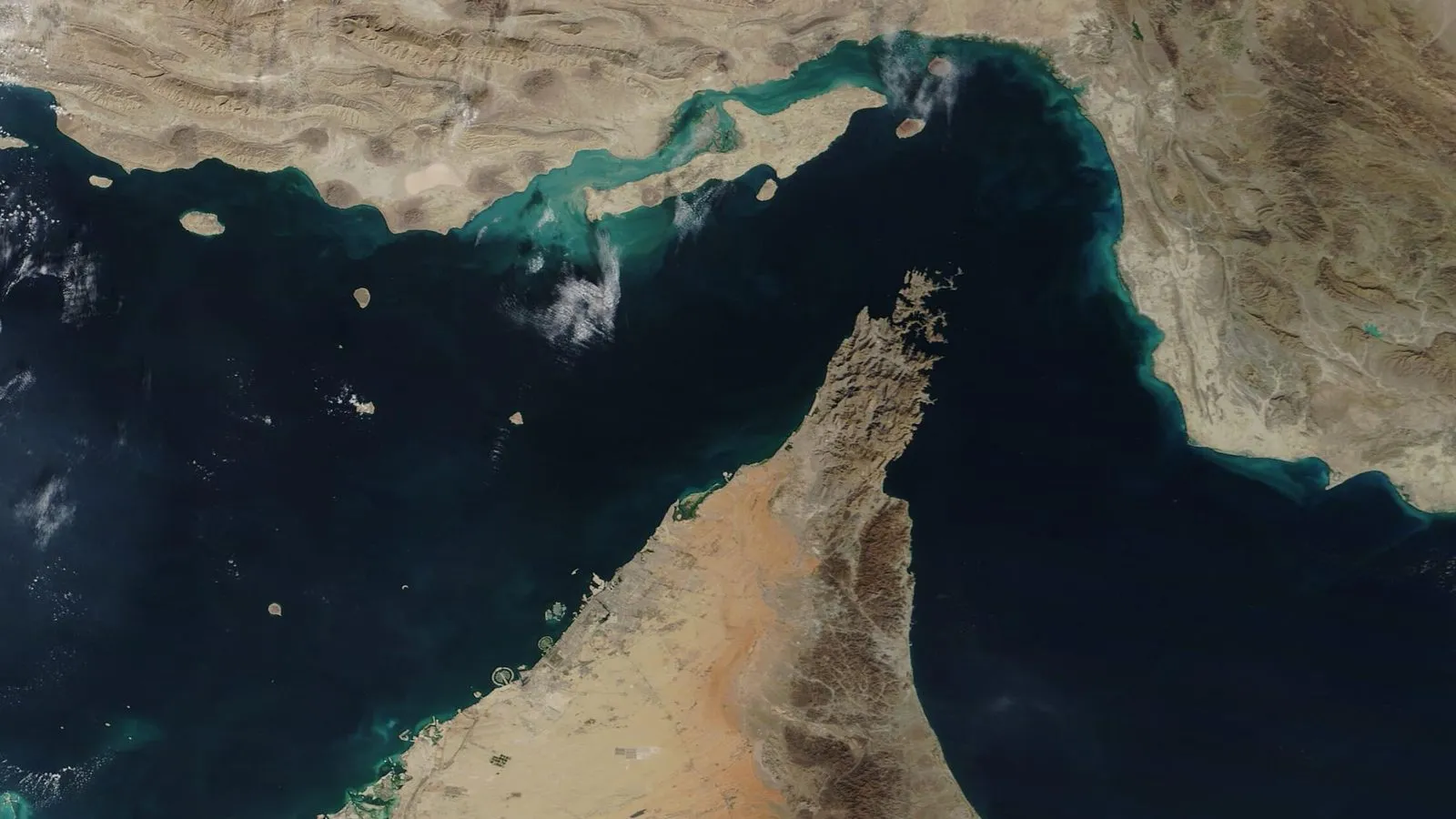
President Trump said on Saturday that the United States and Iran could sign a deal to end their war as soon as today, declaring that the agreement would reopen the Strait of Hormuz immediately and with no tolls. Tehran’s message was almost the opposite in tone: not yet, stop speculating, and wait for the details. The gap between the two — Trump announcing an imminent signing, Iran urging everyone to slow down — is now the whole story, and it left oil prices sliding on hopes the markets are not sure they should fully trust.
Trump said the memorandum of understanding was “scheduled to be signed,” with a ceremony expected over the weekend in Europe and Vice President JD Vance representing the United States. Lead mediator Pakistan and the White House had earlier pointed to Sunday; by Saturday Trump was suggesting it could come even sooner. Qatari negotiators flew to Tehran to try to lock down the final text.
Iran would not match the certainty. Foreign Minister Abbas Araghchi said the “Islamabad Memorandum of Understanding has never been closer,” but pointedly added that “pending its finalization, the media should refrain from entering speculation about its content” and that “all details will be shared with the public in due course.” Iranian officials have rejected some reported drafts outright. A war that Trump keeps describing as finished, Iran keeps describing as nearly — but not yet — resolved.
What Trump Says Is in the Deal
By the U.S. account, the terms have firmed up and tilted in Washington’s favor. Trump and administration officials say the MOU would reopen the Strait of Hormuz immediately and without tolls — a notable hardening from Iran’s earlier insistence that it would keep its grip on the waterway and seek compensation “for services rendered” from passing ships. Sanctions relief, in the U.S. telling, would be tied to Iranian compliance rather than granted up front, and the deal would extend the ceasefire 60 days, including in Lebanon, while nuclear negotiations proceed.
On the nuclear file, a senior U.S. official has said the agreement would require Iran to dismantle its program, have its highly enriched uranium “destroyed on site and then taken out,” and accept long-term inspections, with a 15-to-20-year moratorium on enrichment. Those specifics are exactly what the 60-day window after any signing is meant to finalize — which is also why they remain a live source of dispute.
Why Oil Keeps Sliding
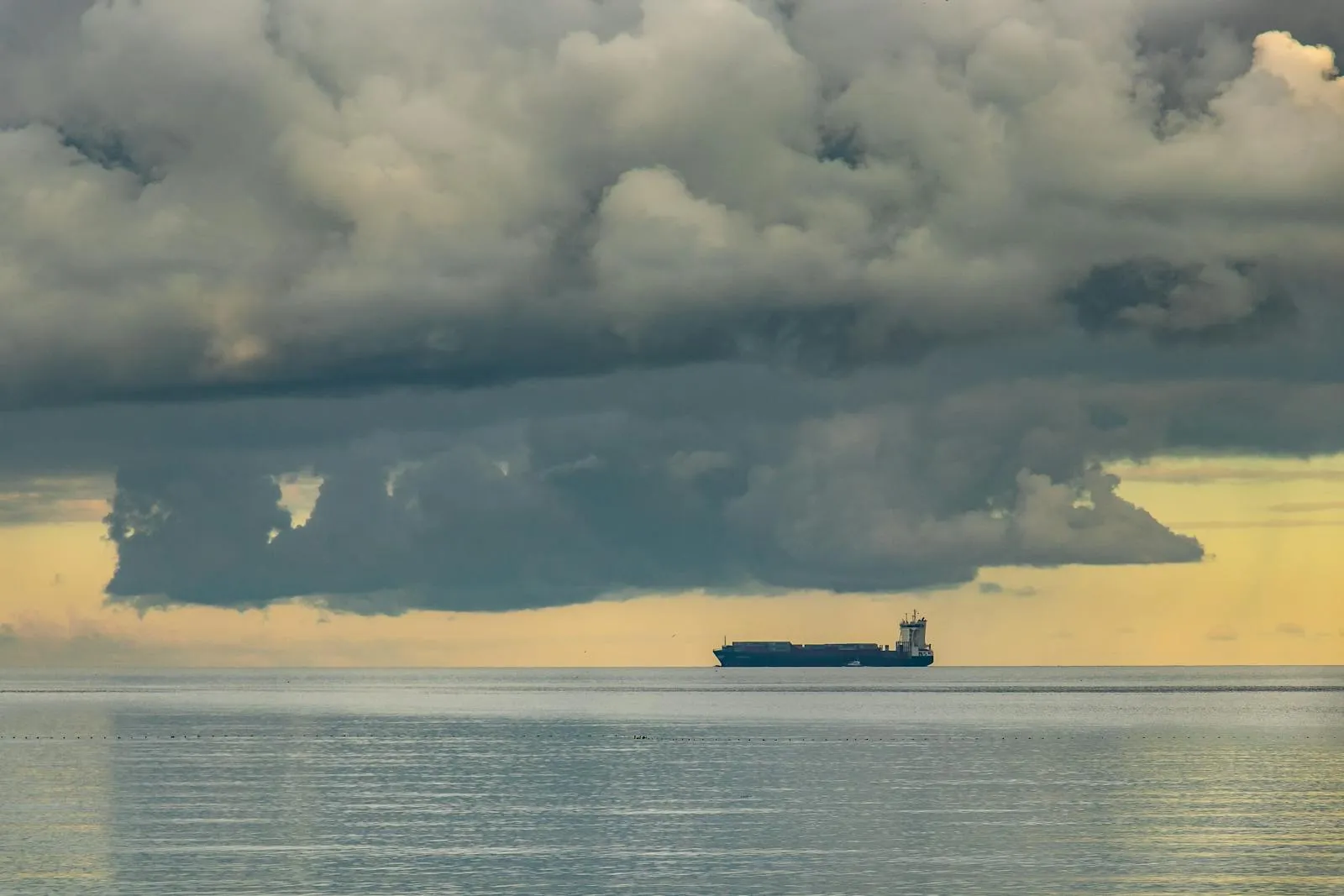
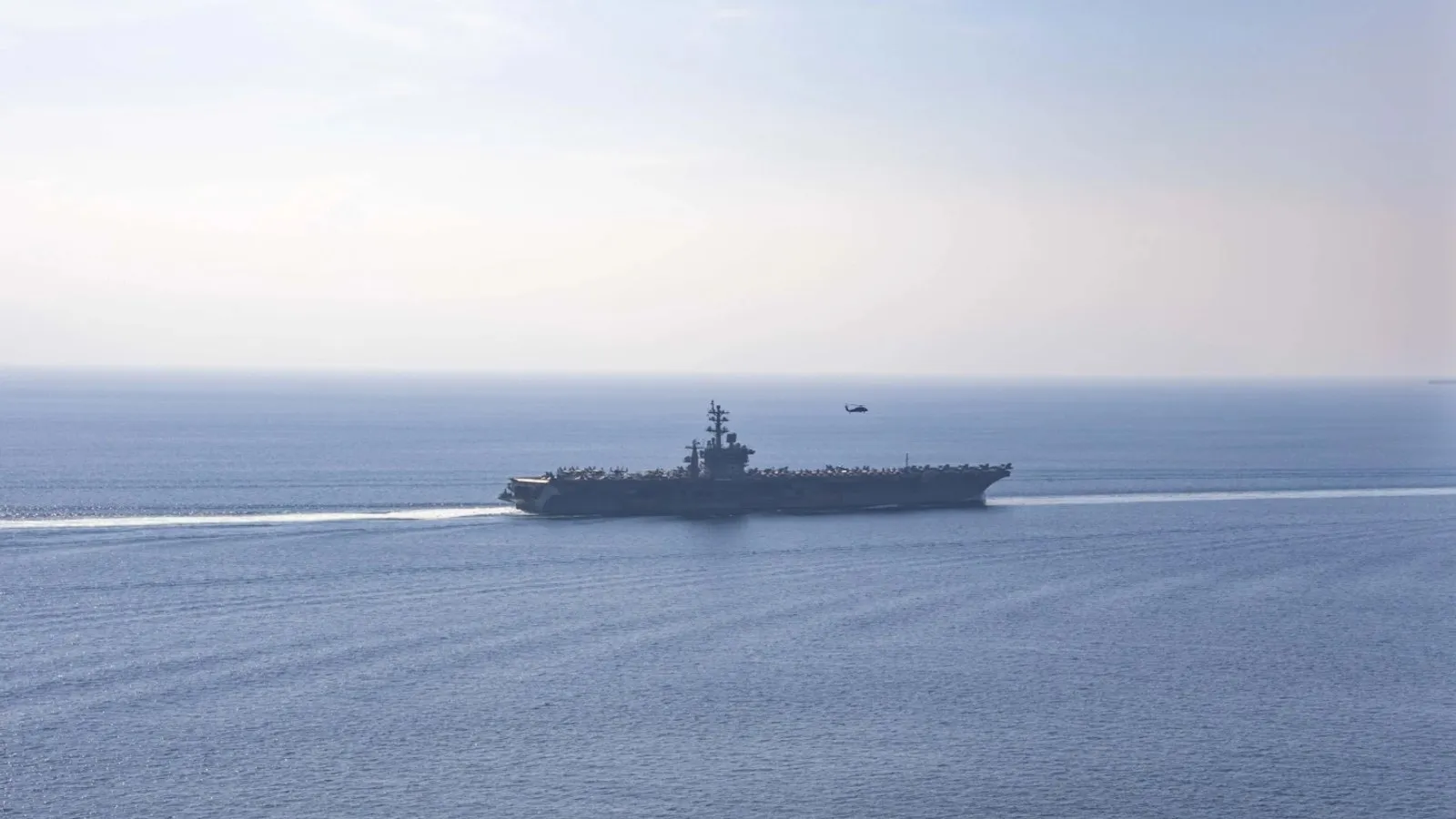
For energy markets, the only term that matters right now is Hormuz, the channel through which a quarter of the world’s seaborne oil normally passes and which Iran has kept effectively shut for more than three months. The prospect of that crude returning has steadily pulled prices down from their wartime highs.
U.S. benchmark West Texas Intermediate fell 3.2% to settle around $84.88 a barrel, while Brent, the international benchmark, lost 3.4% to about $87.33 — far below the $110-plus levels oil hit at the peak of the war. For the week, crude shed roughly 6%. But the longer arc is the more important one: oil is still up more than 20% since the conflict began, which is the market’s way of saying it is pricing in a partial, conditional reopening rather than a clean return to normal. The relief at the pump has fed directly into the energy-driven inflation now pressing on the Federal Reserve.
Analysts are openly skeptical of the timeline Trump is selling. Fitch has projected the strait is more likely to reopen around the end of July than in June, and expects Brent to average about $87 a barrel across 2026 — roughly where it sits now. In other words, traders have already banked most of the good news a deal would bring, and are waiting to see whether the tankers actually move before pricing in more.
The Disputes That Could Still Sink It
The friction between Washington and Tehran has turned personal. Trump, in an angry Truth Social post, said Iranian statements about the deal “bear no relation to the truth,” called Iranian negotiators “dishonorable people,” and decried a new drone attack in the Gulf. Vance pushed back on Iranian claims about the financial terms, insisting that Iran is “not receiving any cash” and that no funds would be released simply for signing or showing up. Trump has separately dismissed leaked versions of the terms as “fake.”
That is a remarkable amount of public contradiction for a deal said to be hours from signing. The two governments are not just haggling over a signing time; they are describing different documents. Whether the Strait reopens immediately and toll-free, as Trump says, or under the conditions Iran has floated, is not a detail — it is the difference between a genuine reopening and a managed one. Until a signed text exists, both versions are claims.
Where Israel Stands
Israel remains the wild card. Trump has briefed Prime Minister Benjamin Netanyahu, but Israeli officials said earlier in the week that the country is not a party to the agreement and that Netanyahu was caught off guard by Trump’s first announcement. A war this entangled with Israel’s operations in Lebanon and against Iranian proxies cannot be closed by Washington and Tehran alone, and Israel’s reaction to the final nuclear terms will help determine whether any ceasefire holds.
What Comes Next
The immediate question is whether a signature actually appears today, this weekend, or slips again — as Trump’s previous “done deal” announcements have. The deeper question is which version of the terms is real.
For oil, the test is not the ceremony but the shipping lanes. A signed MOU is a document; tankers moving freely and at scale through Hormuz is a market event, and the one traders are still waiting for. If Iran begins restoring pre-war flows quickly, the slide in prices could deepen. If the signing slips, the terms unravel, or Iran reopens the strait only on its own conditions, the risk premium that has defined oil for three months will snap back — and the war Trump keeps declaring over will still be looking for an ending both sides can sign.
Sources 6 cited · 2 primary
- Iran war live: Trump says deal to be signed today as Tehran urges caution
- US-Iran deal expected to reopen Strait of Hormuz could be signed in days, both sides say
- Trump denies Iran's account of deal terms, decries new drone attack: 'Dishonorable people'
- Iran Conflict and the Strait of Hormuz: Impacts on Oil, Gas, and Other Commodities
- U.S.-Iran Ceasefire and Negotiations: Assessment and Issues for Congress
- What's in the Iran deal Trump says he's ready to sign
American Courant cites its sources and links to primary documents where they exist. How we report →