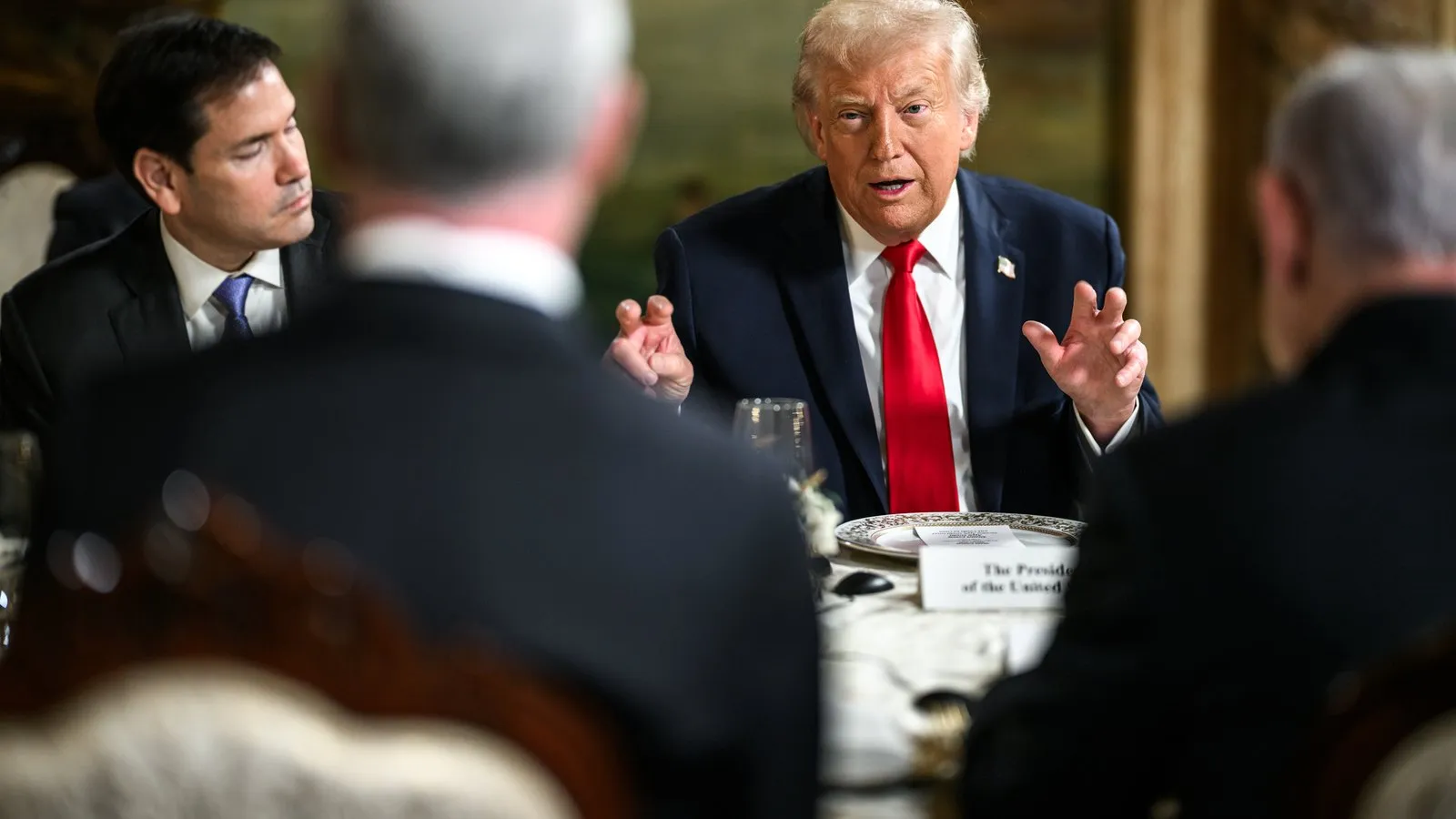
On Monday, President Donald Trump told reporters that Iran needed to make a decision “one way or another.” By Tuesday, an Iranian military officer told state television that renewed war with the United States appeared “inevitable.” Neither statement reflected where negotiations between the two sides actually are — which is closer to a deal than either public posture suggests, and also further than either government has acknowledged.
What sits between the Trump administration and a signed framework agreement is not a failed negotiation. It is a draft memorandum of understanding that U.S. and Iranian negotiators have agreed on at the working level, covering the reopening of the Strait of Hormuz, a 60-day ceasefire extension, and the launch of nuclear talks. What has not happened — what neither side has been willing to do publicly — is get the two leaders who actually matter to sign off.
This is an analysis of what the proposed deal would do, the three specific problems keeping it from taking effect, and what each unresolved issue means for the region if talks collapse.
What the Framework Would Actually Do
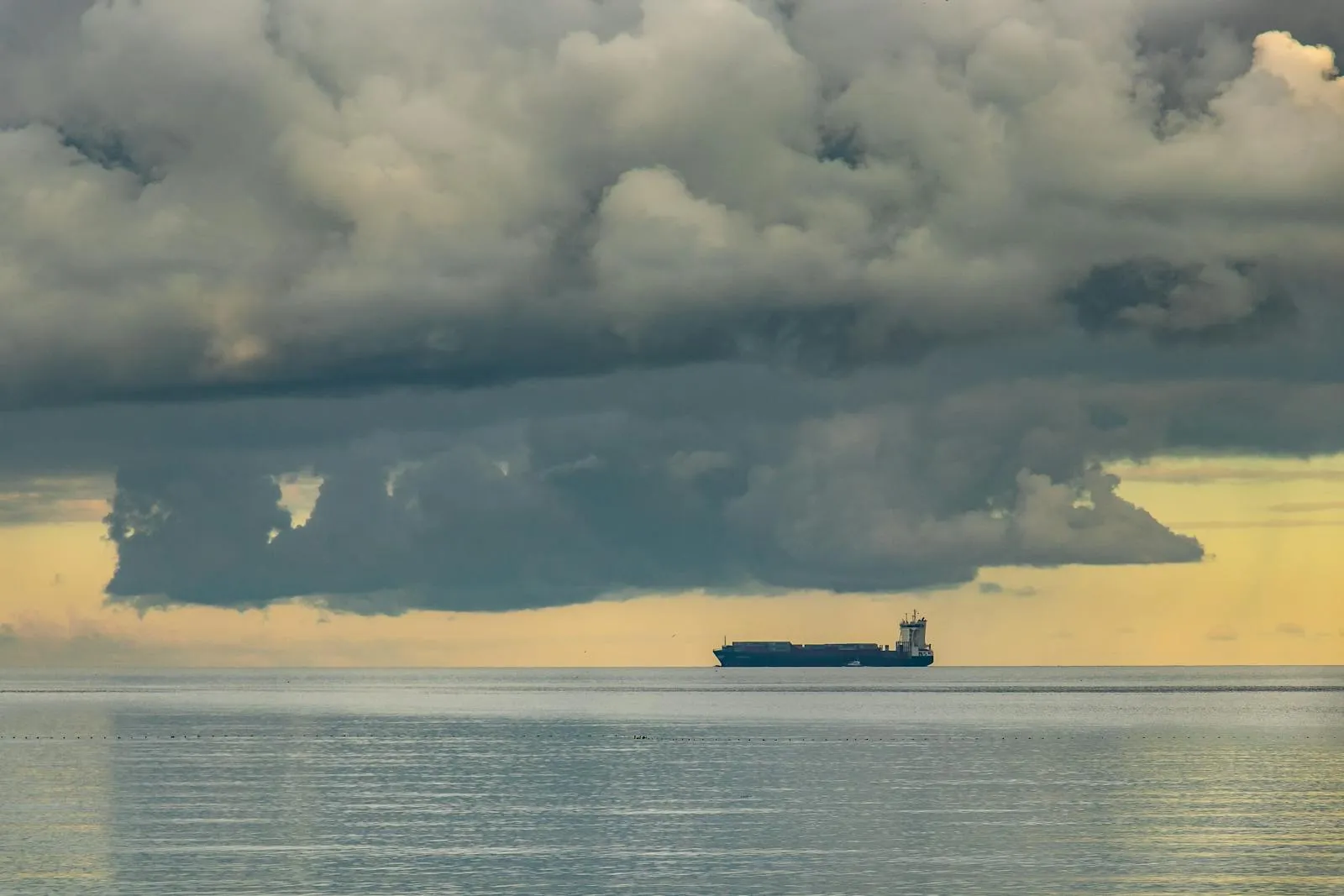
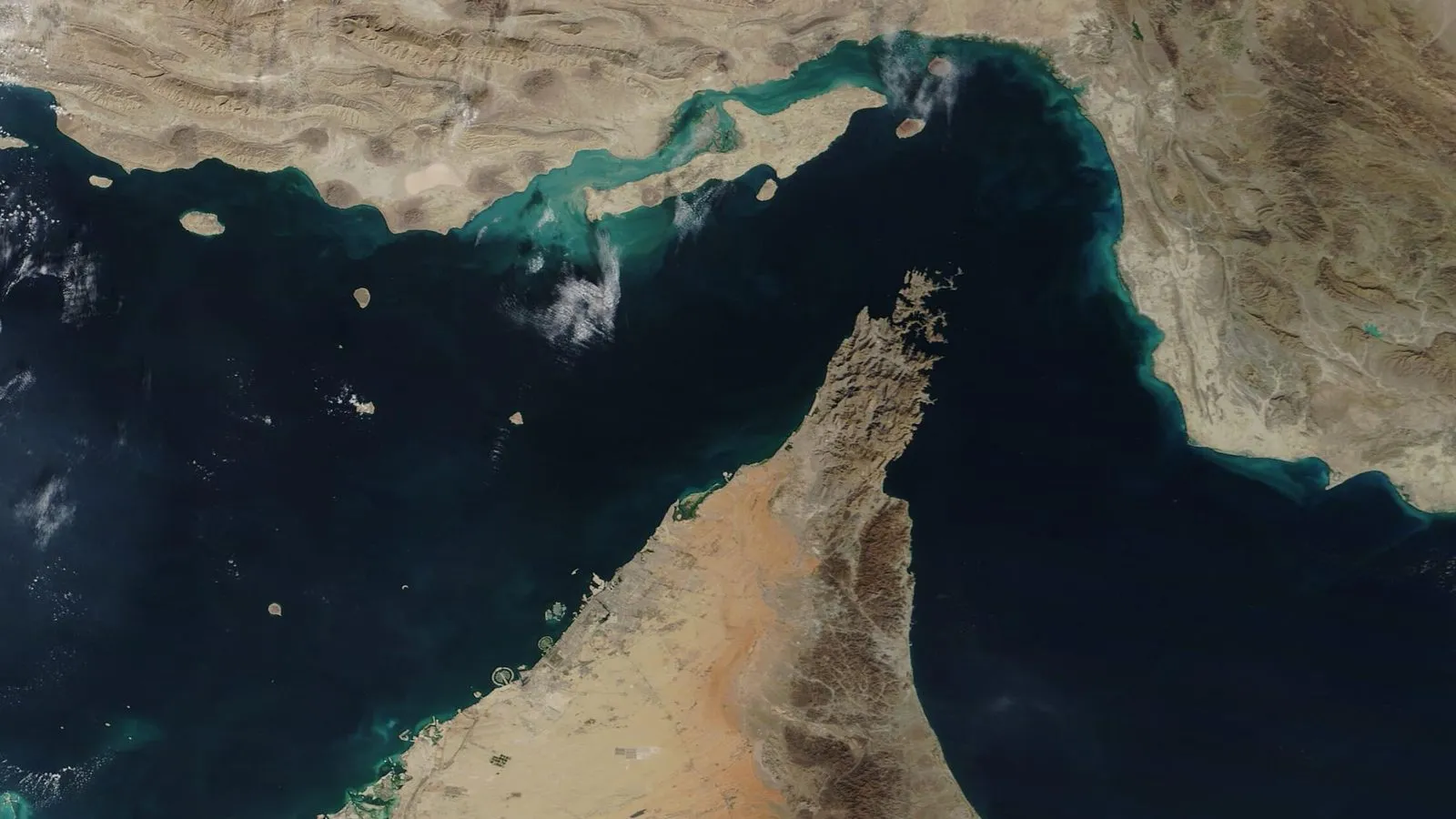
The draft memorandum, as reported by multiple outlets including Fortune and PBS NewsHour, is a phased agreement rather than a final treaty. In its first stage, the parties would implement immediate changes. Iran would agree to clear the mines it deployed in the Strait of Hormuz — the waterway that carries roughly 20 percent of globally traded oil — and reopen it to commercial shipping with no transit tolls. In exchange, the United States would lift its naval blockade of Iranian ports and issue temporary sanctions waivers that would allow Iran to sell oil on international markets.
The second stage is a 60-day negotiating window in which the harder questions — Iran’s nuclear program, the fate of its uranium stockpile, sanctions relief, and the release of frozen Iranian assets — would be addressed. Nothing in stage two is resolved by the MOU itself. The document only commits both sides to negotiate those subjects during the window.
That distinction matters. The Trump administration has sometimes described the deal as including Iran’s commitment to give up its nuclear program. The actual draft commits Iran to negotiate over its nuclear program — a meaningfully different obligation. Iran suspended those talks last Monday after the U.S. failed to show movement on the Lebanon question, suggesting the distance between “agree to talk” and “agree to anything” remains significant.
For oil markets, the framework’s immediate measures matter more than its longer-term promises. The Strait has been closed to most tanker traffic for nearly seven weeks. U.S. forces have struck Iranian missile sites, mine-laying vessels, and air defense infrastructure twice in the past month to slow Iran’s capacity to enforce the blockade. Even a temporary reopening under a ceasefire extension would move global oil prices, which surged 7 percent on June 1 alone after Tehran threatened a complete closure.
The Uranium Problem
The most technically difficult sticking point in the proposed deal is what Iran does with its stockpile of roughly 440 kilograms of uranium enriched to 60-percent purity.
That number requires some context. Uranium enriched to 60 percent is not weapons-grade — nuclear weapons require enrichment to approximately 90 percent — but it is, as Al Jazeera’s analysis put it, “a short, technical step” from weapons-grade levels. Iranian scientists have already demonstrated the capacity to enrich to 60 percent at scale. The stockpile represents, in the view of U.S. and Israeli intelligence officials, a breakout capability that Tehran could exercise in a matter of weeks.
The United States has demanded that Iran transfer the stockpile out of the country before or during the 60-day window. Alexei Likhachev, the head of Russia’s state nuclear corporation Rosatom, publicly offered to take the uranium — describing Russia as the “only country with positive experience cooperating with Iran.” That offer has been on the table since April.
Iran’s supreme leader, Ali Khamenei, has rejected it. A directive attributed to Khamenei and reported by multiple regional outlets states that the stockpile “will under no circumstances be transferred anywhere.” Iran’s foreign ministry has repeated the position in writing.
The draft MOU appears to have found an ambiguous middle path. According to reporting in Fortune, the current language commits both sides to “discuss how to dispose of” the material — phrasing analysts have interpreted as potentially allowing for down-blending, in which Iran’s 60-percent enriched uranium would be diluted to a far lower enrichment level and retained inside Iran rather than exported. A Times of Israel commentary suggested Iran could keep its 440 kilograms if it accepts dilution to 3.6 percent — a level suitable for civilian nuclear fuel but not for weapons. Whether Khamenei would accept this formulation, even in principle, is unknown. Whether Trump would accept a uranium stockpile that remained in Iran — even at low enrichment — is equally unclear.
The Lebanon Problem
Iran’s position in the negotiations has consistently been that any deal with the United States must include Lebanon — specifically, a halt to Israeli strikes on Hezbollah and a stable ceasefire framework for southern Lebanon. The U.S. position has been that Lebanon is a separate matter to be addressed by Israel and Hezbollah directly.
That divide became acute over the past week. Trump called Israeli Prime Minister Benjamin Netanyahu on Monday night and, according to U.S. officials cited by multiple outlets, expressed fury that Israeli strikes on Beirut’s southern suburbs were threatening to collapse U.S.-Iran negotiations just as they were nearing a signing point. Netanyahu told Israeli forces to continue operating “as planned.” Israel’s far-right National Security Minister Itamar Ben-Gvir publicly told Netanyahu the time had come to say “no” to Washington.
CNN’s diplomatic analysis described Lebanon as a “mortal threat” to Trump’s dealmaking — not because the Lebanon problem is insoluble but because it gives Iran a politically defensible reason to stall indefinitely. As long as Israeli strikes continue, Tehran can argue that any deal that excludes Lebanon fails to address the underlying conflict, and Iranian hard-liners can use continued Israeli military action to block Khamenei from approving the MOU.
Hezbollah has, according to a statement from the Lebanese Embassy in Washington, agreed to a U.S. proposal calling for a ceasefire with Israel. Whether that agreement holds — given Netanyahu’s stated refusal to stop military operations — remains the central variable that neither the United States nor Iran directly controls.
The Frozen Assets Question
Iran is pushing hard for the release of frozen assets as part of any deal. How hard, and for how much, has become clearer in recent weeks of Qatar-hosted talks.
The total amount of Iranian funds frozen under U.S. and allied sanctions is estimated at between $100 billion and $120 billion, held primarily in South Korea, Qatar, Iraq, Japan, Luxembourg, and Germany, according to Al Jazeera’s reporting on the asset picture. The funds represent decades of oil revenue and trade payments that accumulated in accounts that became inaccessible when sanctions were imposed or tightened.
Iran’s lead negotiator, Mohammad Bagher Ghalibaf, was in Doha in late May pressing for $12 billion of frozen assets to be included in the initial MOU — not as a final settlement, but as a confidence-building measure at signing. Iran’s earlier position, reported in April, had been a minimum release of $6 billion, which itself mirrors the 2023 prisoner-swap deal in which Qatar released Iranian funds in exchange for Americans held in Iranian detention. According to The National’s reporting, the current demand stands at $24 billion, split into phases tied to milestones in the 60-day nuclear talks.
The Trump administration has not publicly committed to releasing any specific amount at signing. A White House official told CBS News that Trump “will only make a deal that is good for America” — a formulation that leaves both the uranium and the assets question deliberately open.
What Comes Next
The deal that negotiators have tentatively drafted requires two signatures that matter: Trump’s and Khamenei’s. Neither has been given.
Trump met with his national security team in the White House Situation Room on May 29 and left without announcing a decision. He has since said Iran must decide “one way or another” — language that functions as a deadline warning without specifying what the deadline actually is. White House officials have not indicated a target date.
Khamenei’s calculus is more constrained. The supreme leader has spent 47 years building an ideological framework in which Iran’s nuclear program is a symbol of national sovereignty. Approving a deal that touches the uranium stockpile — even one that keeps the uranium in Iran — requires him to accept that Washington has leverage over a program he has called untouchable. His public statements and the directive on uranium transfer suggest he is not yet there.
The pressure pushing in the other direction is economic. Iran’s economy has been under severe strain since the U.S. blockade began. Oil revenues have collapsed. The immediate sanctions waivers in the MOU framework represent real money. Reopening the Strait ends a disruption that has cost Iranian commerce as well as global shipping.
What happens if talks collapse is the scenario both governments are trying to avoid stating publicly. Iran’s military has threatened to seal the Strait entirely, shutting off roughly 17 million barrels of daily oil flow. The U.S. has made clear it would respond militarily to that step. A third round of American strikes would move the conflict beyond a limited war into territory neither capital has fully prepared its public for.
The 60-day window, if it opens, is not a resolution. It is a pause in which the harder questions become the only questions. Whether both leaders can say yes to the framework before the window becomes relevant is what the next several days will determine.
Sources 7 cited · 2 primary
- Trump Says It's Time 'One Way or Another' for Iran to Make a Deal and Insists Talks Have Been Ongoing
- Optimism over US-Iran deal fades; Trump scrambles to secure Lebanon truce
- Analysis: Why Lebanon's unhealed wounds pose a mortal threat to Trump's Iran dealmaking
- The $24bn question: Iran pushes US to release frozen funds in Qatar talks
- Iran's enriched uranium stockpile: Can it be safely transferred?
- Under emerging deal, Iran's uranium, sanctions relief, and release of frozen funds would be negotiated during a 60-day window
- Despite continued fighting, U.S. says deal to end Iran war is progressing
American Courant cites its sources and links to primary documents where they exist. How we report →