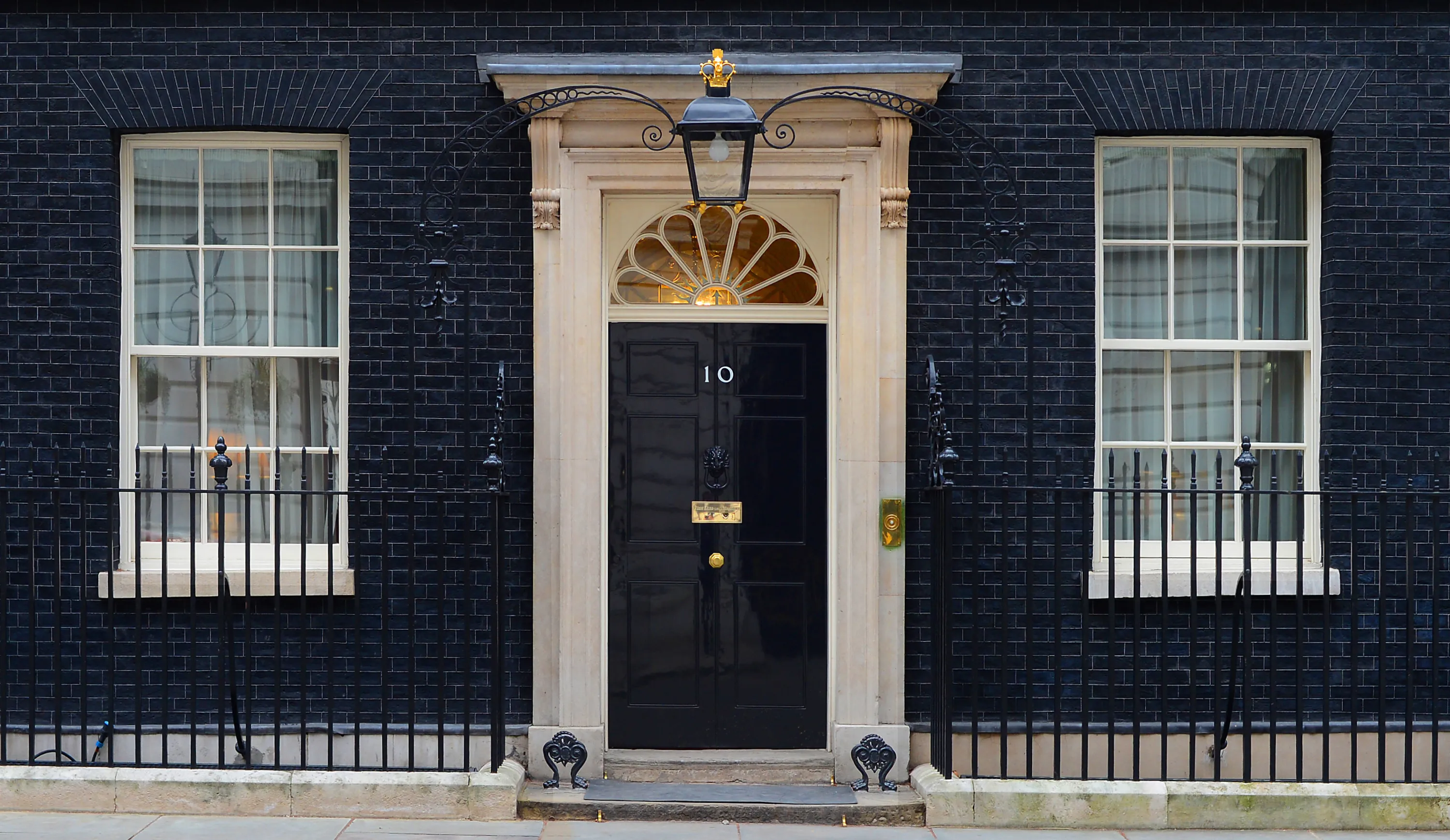
Keir Starmer stood outside the black door of 10 Downing Street on Monday and gave his Labour Party the answer it had spent months demanding. He will resign as prime minister and as leader of the party he carried to a landslide just two years ago.
He will not leave immediately. Starmer said he would stay on as prime minister until Labour chooses a successor, with nominations opening on July 9 and a new leader expected to be in place before Parliament returns in September. But the decision ends one of the steepest political falls in modern British history — and sets up the United Kingdom to install its seventh leader in a decade.
The trigger was a single seat. Andy Burnham, the mayor of Greater Manchester and Starmer’s most persistent internal rival, won the Makerfield by-election on June 18 with 54.8% of the vote, nearly doubling Labour’s majority in the northwest England constituency. Burnham was sworn in as a member of Parliament on Monday. Until he held a Commons seat, party rules barred him from standing for the leadership at all. Within hours of his return to Westminster, the man he had been circling gave up the job.
”I accept that answer with good grace”
Starmer framed the resignation as deference to his own MPs rather than a personal collapse. “The question my party is asking now is whether I am best placed to lead us into the next general election,” he said. “I have heard the answer of my parliamentary party to that question, and I accept that answer with good grace.” That, he said, was why he would resign as leader of the Labour Party.
The gap between Monday’s announcement and the 2024 election that put him in office is stark. Labour won that vote with a majority of 172 seats, ending 14 years of Conservative government, and King Charles III invited Starmer to form a government on July 5, 2024. Less than two years later, the 63-year-old prime minister had become deeply unpopular, and the party that handed him a historic mandate concluded it no longer wanted him to lead it into the next campaign.
A cabinet that came apart
The resignation did not come out of nowhere. It followed a slow-motion collapse inside Starmer’s own government.
Health Secretary Wes Streeting quit on May 14, saying he had lost confidence in Starmer’s leadership after Labour’s punishing performance in the 2026 local elections. Last month, the crisis reached the Ministry of Defence: Defence Secretary John Healey resigned in a dispute over the government’s planned defence spending, along with a junior minister and a ministerial aide. By mid-May, more than 95 Labour MPs had publicly called on Starmer to either resign or set out a timetable for his departure.
Burnham’s by-election win was the event that turned that pressure into an exit. American Courant’s earlier report on Andy Burnham’s victory in the Makerfield by-election laid out how a regional mayor with no Commons seat had positioned himself as the obvious successor — and how the only thing standing between him and a leadership bid was the seat he has now won.
Britain’s revolving door at the top
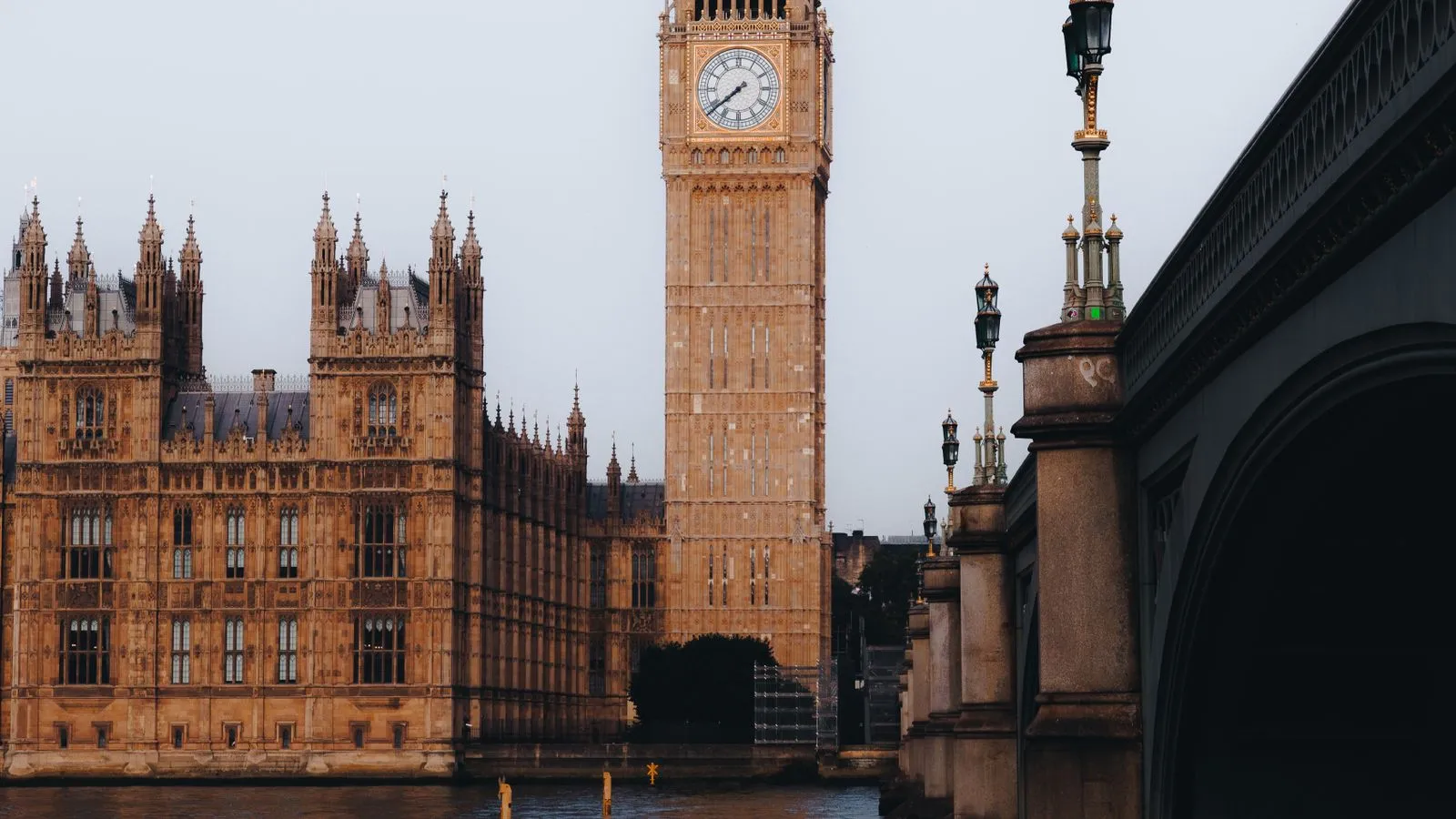
Monday’s announcement extends a stretch of churn at the top of British politics that has no recent parallel. David Cameron resigned after the 2016 Brexit referendum. Theresa May fell over her inability to pass a withdrawal deal. Boris Johnson was forced out by a wave of ministerial resignations in 2022. Liz Truss lasted weeks before her budget cratered the bond market. Rishi Sunak lost the 2024 election. Starmer was supposed to be the steadying figure who ended that cycle. Instead, his exit means the country will get its seventh prime minister since 2016 — and, like several of his predecessors, he is leaving not because voters removed him but because his own party did.
That distinction matters. A mid-term change of prime minister in Britain does not require a general election; the governing party simply chooses a new leader, who then becomes prime minister. Burnham, or whoever wins, would inherit Labour’s large Commons majority and could govern until an election must be called by 2029. Whether to seek an earlier mandate from voters will be one of the first questions the new leader faces.
What happens next
Labour’s rules make the next steps clear, even if the outcome is not. To get on the ballot, a candidate needs nominations from 20% of the party’s MPs — roughly 81 of the current 403. Contenders then need backing from 5% of local constituency parties or from at least three affiliated organizations, including two trade unions. Labour MPs and party members each cast a single vote under an alternative-vote system, and the contest runs until one candidate clears 50%.
Burnham is the clear frontrunner. In polling of who Labour supporters want as the next leader, he leads on 20%, well ahead of Deputy Prime Minister Angela Rayner at 5%, Streeting at 3% and Justice Secretary Shabana Mahmood at 3%. David Lammy and Ed Miliband have also been floated as possible candidates. The open question now is whether the party stages a full contest or, faced with an obvious favorite, effectively coronates Burnham to avoid a summer of public infighting.
For voters, the immediate change is at the top: the person running the country will switch within weeks, even though no general election has been held. The deeper question is what a Burnham government — or whoever emerges — would do differently on the defence-spending fight and domestic agenda that helped sink Starmer, including contested measures like the government’s push to bar under-16s from social media. Starmer, for his part, will keep the keys to Downing Street a little longer. He just won’t keep them for the fight he was elected to win.
Sources 5 cited · 1 primary
- UK PM Starmer resigns as Britain faces its seventh leader in 10 years
- Keir Starmer says he will resign as prime minister; Andy Burnham expected to be next U.K. leader
- Live updates: UK Prime Minister Starmer expected to announce timetable for resignation
- Pressure mounts on Starmer to quit after Burnham's by-election win
- How do Labour Party leadership contests work?
American Courant cites its sources and links to primary documents where they exist. How we report →