Andy Burnham spent nine years building a political base outside Parliament, governing Greater Manchester and styling himself as the voice of England’s north. On Friday he collected the one thing that base could not give him: a seat in the House of Commons, and with it a clear runway to challenge Prime Minister Keir Starmer for control of the Labour Party and the country.
Burnham won the Makerfield by-election in northwest England with almost 55% of the 45,510 votes cast, finishing more than 9,000 votes ahead of his nearest challenger, according to the declared result. The margin was emphatic enough that it read less like a narrow comeback than a coronation in waiting. For a sitting prime minister already battling the lowest approval ratings of any modern British leader, the outcome turned a long-rumored threat into an immediate one.
The mechanics of British politics now do the rest. Burnham, 56 and widely nicknamed the “King of the North,” has long signaled he would move against Starmer if he could get back into Parliament. He is back. What happens next will test whether a prime minister who won a landslide just two years ago can survive the rival who has been circling him ever since.
How a By-Election Became a Leadership Threat
The vacancy in Makerfield was not an accident. Josh Simons, the Labour lawmaker who held the seat, stepped down specifically to trigger a special election and hand Burnham a path back into the Commons, according to reporting on the contest. It was an unusually naked piece of political choreography — a safe Labour seat cleared so that the party’s most prominent internal critic could return to Westminster.
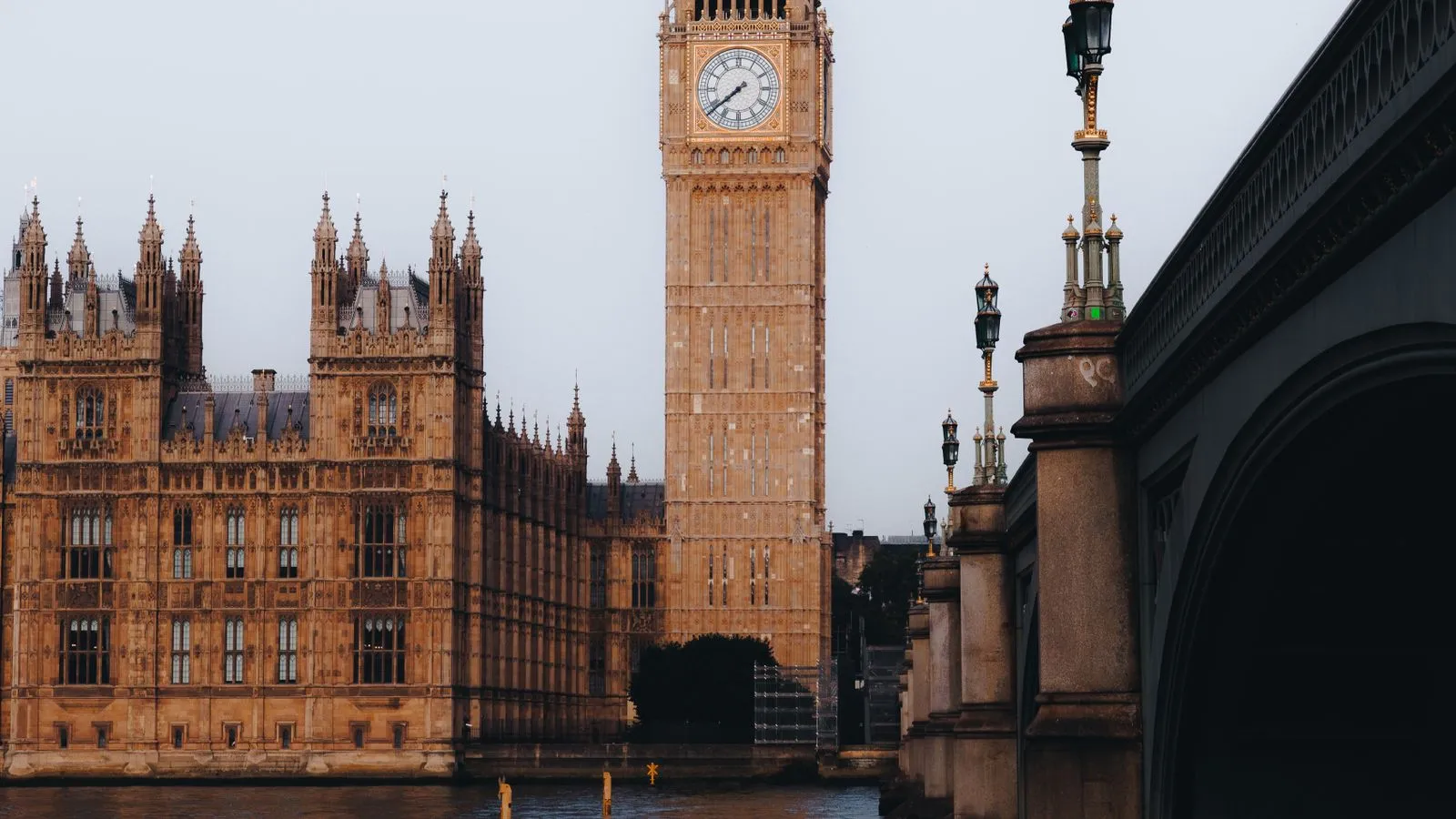
That return matters because of how Labour’s rules work. Under the party’s procedures, a challenger can force a leadership contest with the backing of one-fifth of Labour’s members of Parliament — a threshold that currently stands at 81 lawmakers. Crucially, a sitting member of Parliament does not need a public vote of the wider electorate to mount that challenge; the trigger is internal. Until Friday, Burnham was a popular regional mayor with no vote inside the Commons and no standing to invoke that rule. Now he has both.
Burnham did not invent his standing overnight. An Ipsos poll published earlier in the week found that 25% of British adults named him as their preferred prime minister, compared with 12% for Starmer — a striking gap for an incumbent against a man who, until Friday, was not even in Parliament. “The pressure on Starmer will be very hard to resist” now that Burnham is back, Rob Ford, a professor of political science at the University of Manchester, told reporters.
A Prime Minister on the Defensive
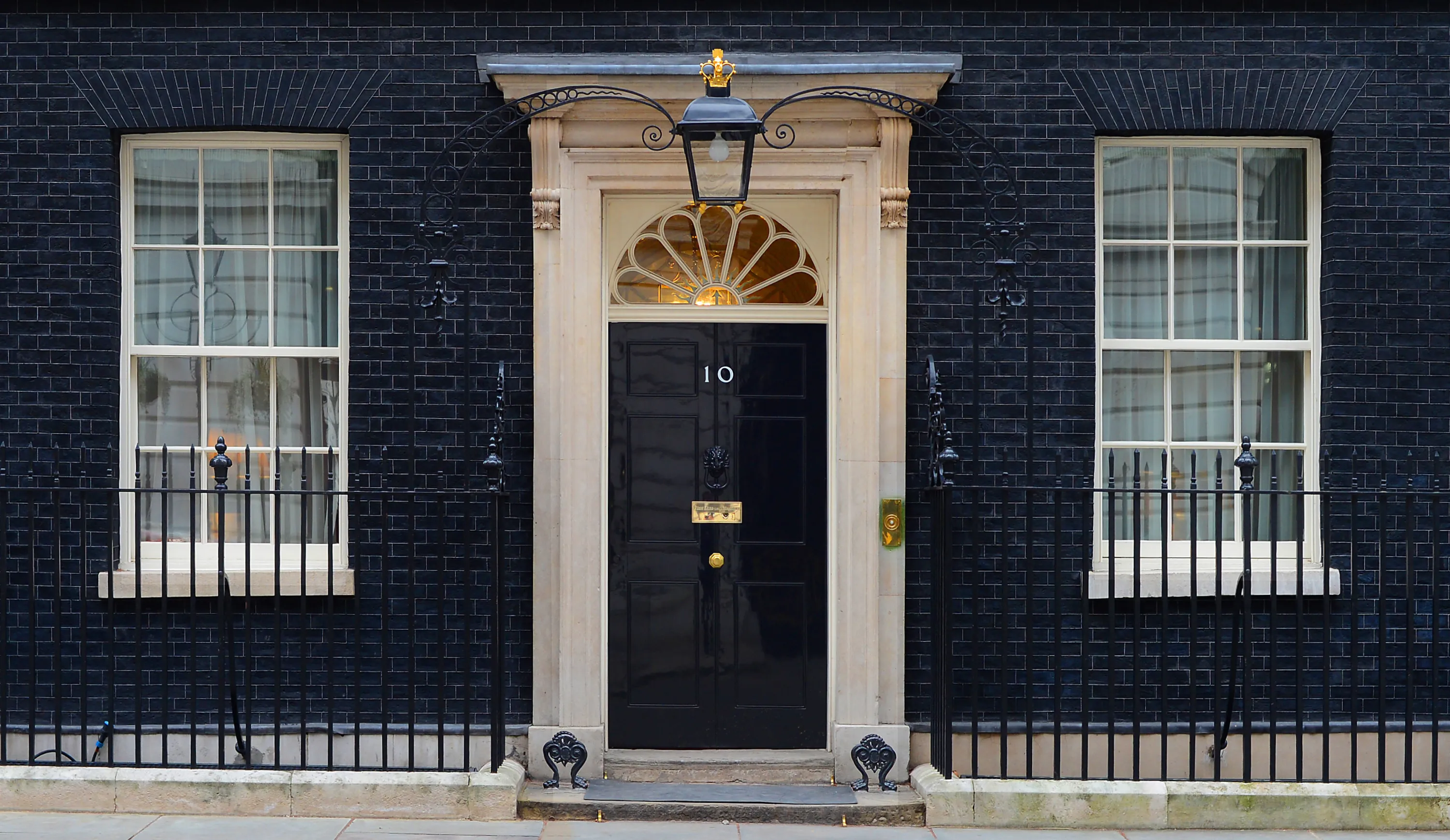
Starmer is not conceding. “I will fight if there’s a challenge,” he has said, insisting he has no intention of leaving the job. But his position is weaker than the size of his 2024 election victory would suggest. Two years after sweeping into Downing Street, Starmer has become, by the measure of approval ratings, the least popular British leader on record — a slide driven by a string of policy reversals, a perceived lack of political personality, and a run of scandals that has sapped his authority inside his own party.
The danger for Starmer is less a single dramatic vote than a slow collapse of confidence. In the British system, a prime minister can be forced out not only by a formal challenge but by his own senior ministers deciding the situation is untenable — telling him privately that the game is up, or threatening to resign en masse. Burnham’s victory makes those conversations easier to start. A backbench rebellion that lacks a credible alternative leader tends to fizzle; one with a popular, Parliament-seated rival waiting in the wings does not.
Starmer’s government has also spent its political capital on contentious domestic fights, including a push to restrict social media access for users under 16 that drew both praise and backlash. Each such battle that lands badly with voters strengthens the argument Burnham has been making for years: that Labour needs a different kind of leader to hold the coalition that elected it.
Why Washington Should Be Watching
A leadership scramble in London is not a parochial British drama. The United Kingdom is one of the closest allies the United States has, a nuclear power, a permanent member of the UN Security Council, and a linchpin of NATO. Who runs it — and how stable that person’s grip on power is — feeds directly into questions Washington cares about: the future of military support for Ukraine, the cohesion of NATO, trade, and intelligence-sharing.
The timing is particularly sensitive because the UK’s role in European security is growing just as American attention to the continent is in flux. The Trump administration has been reviewing and trimming the U.S. troop footprint in Europe, a shift that pushes more responsibility onto European allies — with Britain near the front of that line. A government consumed by an internal leadership war is a government with less bandwidth to lead on Ukraine aid or to coordinate the European response to a smaller American presence.
It also adds to a stretch of turbulence among Washington’s traditional partners. The friction is not confined to London; relations between the Trump administration and European capitals have been uneven, as seen in the recent public spat that led Italy’s Giorgia Meloni to cancel a U.S. trip. A wave of political instability across allied capitals complicates any coordinated Western strategy, whether on Ukraine, trade, or the Middle East.
What Comes Next
The immediate question is timing. Burnham has the seat and the polling, but a leadership challenge still requires assembling the votes and choosing the moment, and moving too early against a prime minister who vows to fight can backfire. Expect a period of maneuvering — whip-counting, private conversations among Cabinet ministers, and public positioning — before any formal move.
Starmer, for his part, will try to steady his government and deny Burnham a clean opening, betting that the threat dissipates if he can string together a run of better news. History is not on his side: prime ministers who reach record-low popularity rarely recover it, and few have faced a rival as well-positioned as Burnham now is. Friday did not end Starmer’s premiership. But it may have started the clock on it — and the consequences will be felt well beyond Westminster.
Sources 6 cited · 1 primary
- Labour's Andy Burnham wins a special election, setting up a showdown with Starmer to lead Britain
- Andy Burnham wins crucial UK by-election in blow to Keir Starmer
- Andy Burnham: The charismatic mayor almost certain to challenge for Britain's premiership
- Andy Burnham, Makerfield by-election set to decide British PM Starmer's future
- Inside Makerfield: How Andy Burnham defied the polls in historic by-election
- Andy Burnham continues to be the public's preferred choice to replace Keir Starmer
American Courant cites its sources and links to primary documents where they exist. How we report →