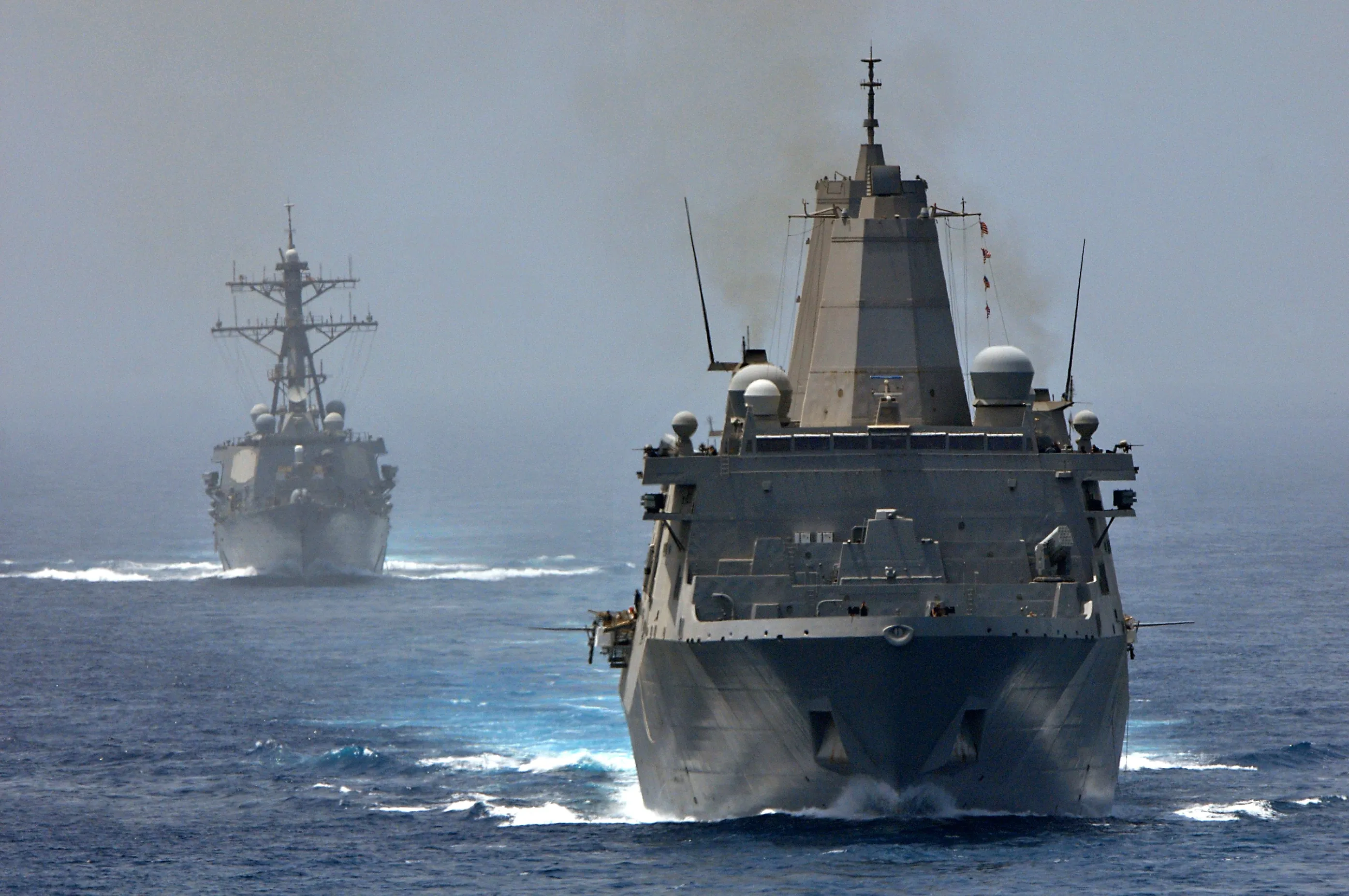
Iran said it shut the Strait of Hormuz on Saturday. The U.S. military says it can prove otherwise.
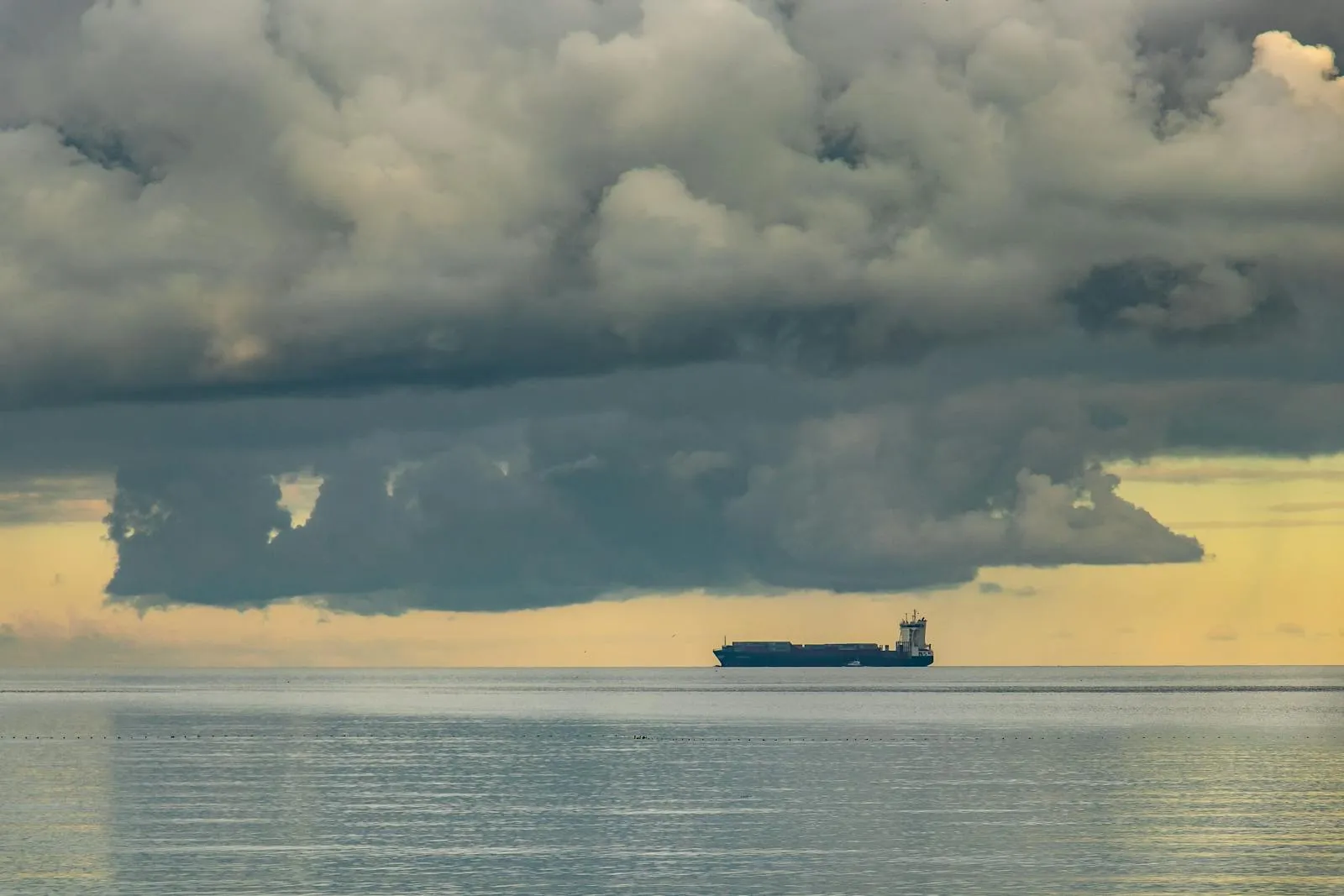
Tehran’s joint military command announced that the strait — the narrow channel at the mouth of the Persian Gulf through which roughly a fifth of the world’s oil moves — was once again closed to shipping, and warned vessels to stay clear. Hours later, U.S. Central Command flatly rejected the claim and put a number on its rebuttal: 55 merchant ships transited Hormuz on Saturday, carrying more than 17 million barrels of oil to global markets.
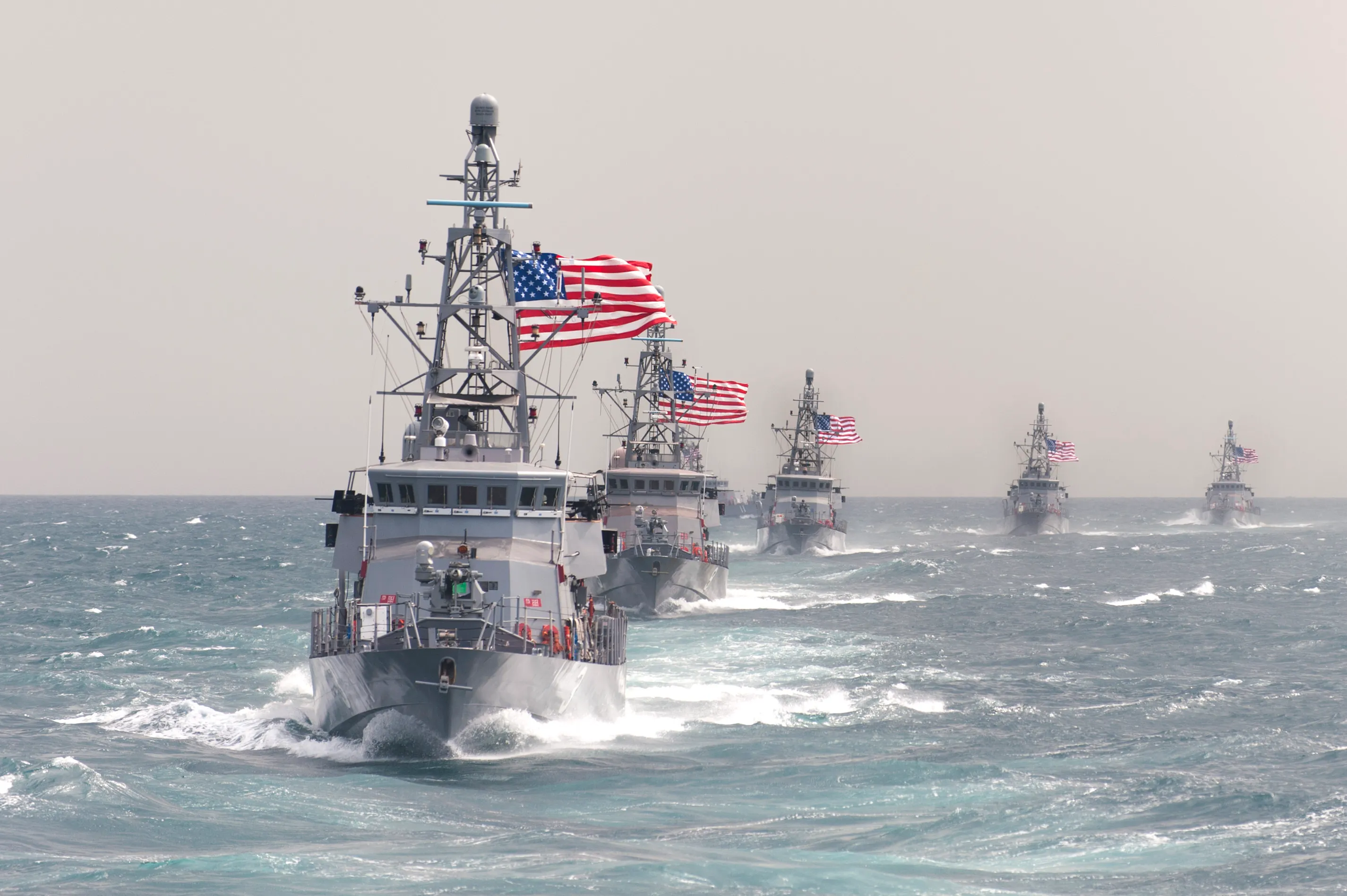
“Iran does not control the Strait of Hormuz,” CENTCOM spokesman Capt. Tim Hawkins said in a statement. “Traffic continues to flow, and U.S. forces are monitoring the situation to ensure this remains the case.”
The dispute lands at the worst possible moment for the week-old truce. Vice President JD Vance arrived in Switzerland on Sunday to launch the first round of substantive negotiations with Iran over its nuclear program — talks meant to convert a hastily signed framework into a durable agreement. The reopening of Hormuz was supposed to be the part of that deal that already worked. Instead, the strait has become the first live test of whether the agreement means anything at all.
What Iran Said, and What the U.S. Saw
Iran’s announcement tied the closure directly to events in Lebanon. Tehran’s military command said it was acting in response to continued Israeli strikes against Hezbollah and to what it called U.S. “bad faith” — a failure, in Iran’s telling, to hold up Washington’s end of the truce. The declaration echoed the language Iran used in March, when it first closed the strait at the start of the war and threatened to fire on any ship that tried to pass.
CENTCOM’s response was unusually specific, and that specificity was the point. Rather than simply deny the closure, the command released traffic figures: commercial transits through the strait actually increased on June 20, it said, with 55 ships moving large volumes of cargo and crude. U.S. forces, it added, observed no Iranian military movements consistent with an actual enforced blockade. The message to shippers, insurers and oil traders was that Iran’s declaration was words, not a physical closure — a warning without a navy behind it.
That gap between announcement and enforcement matters. A strait is “closed” only if someone can close it, and the Iranian navy and the Revolutionary Guard’s fast-boat fleet have been badly degraded over months of fighting. The earlier shutdown that began in early March choked traffic to a trickle and helped drive a months-long energy crunch; commercial flows only began recovering after the new framework was reached. Whether Saturday’s declaration slows that recovery again will depend less on Tehran’s rhetoric than on what tanker owners and their insurers decide the risk now is.
Geography is what makes the threat credible even when the closure isn’t. Hormuz is about 21 miles wide at its narrowest, and the lanes ships actually use are far tighter — a sliver of water hemmed by Iran on the north shore and Oman on the south. There is no pipeline network that can reroute most Gulf crude around it, which is why a chokepoint that moves nearly a fifth of the world’s oil has no real substitute. That is also why the market does not need a strait to be physically blocked to react: a credible-sounding declaration can push war-risk insurance premiums higher and nudge cautious owners to slow down or wait, tightening supply without a single shot fired. CENTCOM’s decision to publish hard transit numbers was aimed squarely at that psychology — an attempt to keep Iran’s words from doing the work its weapons no longer can.
A Promise at the Heart of the Deal
Reopening Hormuz was not a side detail of the agreement. It was a centerpiece.
The memorandum of understanding signed June 17 by President Trump and Iranian President Masoud Pezeshkian runs to 14 points and commits both governments to halt military operations, reopen the strait, lift the U.S. blockade of Iranian ports and ease oil sanctions, while opening a 60-day window to negotiate the harder questions about Iran’s nuclear program. Pakistan, which helped broker the deal, said afterward that the text obliged Tehran to “promptly” reopen Hormuz. The reopening was the concession that delivered an immediate, visible benefit — to Iran in restored oil revenue, and to American drivers in lower fuel costs.
That benefit had begun to show up. American Courant has reported that what the memorandum actually changed included the strait’s reopening and a partial revival of Iranian crude exports, and that gas prices had only just slipped back below $4 a gallon as the war premium drained out of the market. A renewed Hormuz standoff threatens exactly that relief, which is why Saturday’s competing claims rippled through energy desks far faster than any single statement from Geneva.
It also fits a pattern that has dogged this deal since the framework the two governments reached last week: Trump and his envoys announcing breakthroughs while Tehran qualifies, delays or disputes the terms in the same breath. The agreement has repeatedly been described as done by one side and unsettled by the other.
The Talks Begin Under a Cloud
The Switzerland round was supposed to start Friday. It didn’t.
The session was postponed at short notice as fighting flared again in Lebanon, where Israeli strikes killed at least 16 people on Saturday, according to news reports, and Hezbollah returned fire. Vance delayed his travel before flying in Sunday to formally open the negotiations. Special envoy Steve Witkoff and Jared Kushner, the president’s son-in-law, were already on the ground working through the technical detail. Iran’s delegation is led by parliament speaker Mohammad Bagher Ghalibaf and Foreign Minister Abbas Araghchi, with Pakistani Prime Minister Shehbaz Sharif and army chief Asim Munir and Qatari mediators also involved.
The Lebanon front is the thread that ties the diplomacy and the strait together. Iran has cast its Hormuz move as retaliation for Israeli operations there, which means the negotiators in Switzerland are trying to build a nuclear agreement on top of a ceasefire that is still being violated on a different battlefield. Vance spent much of the past week pressing that case publicly, including a blunt message to Israel that it should fall in line behind the U.S. approach rather than torpedo it. The strait standoff is a reminder that Washington is managing two reluctant parties at once.
What Comes Next
The immediate question is narrow and answerable: do ships keep moving? CENTCOM’s bet is that they will, and that publishing daily traffic counts strips Iran’s declaration of its power to spook the market. If transits hold near Saturday’s level through the coming days, the closure will have been rhetorical. If insurers raise war-risk premiums or owners begin rerouting around the Gulf again, the cost will show up at the pump within weeks regardless of who technically controls the water.
The larger clock is the 60-day negotiating window the memorandum opened. Each Hormuz flare-up eats into the goodwill that window depends on, and each one tests whether the framework’s most concrete promise can survive contact with the war it was meant to end. For now, two governments are telling the world two different stories about the same stretch of sea — and the ledger that settles the argument is the count of ships passing through it.
Sources 6 cited · 2 primary
- Text of the Iran-U.S. memorandum of understanding
- US CENTCOM: 'Iran does not control the Strait of Hormuz,' waterway remains open
- Iran reportedly closes Strait of Hormuz again, casting shadow over nuclear talks
- Iran claims Hormuz closed again as IDF attacks Hezbollah; Vance says Switzerland talks may start Sunday
- JD Vance arrives in Switzerland to launch talks with Iran on its nuclear program
- Iran declares the Strait of Hormuz closed
American Courant cites its sources and links to primary documents where they exist. How we report →