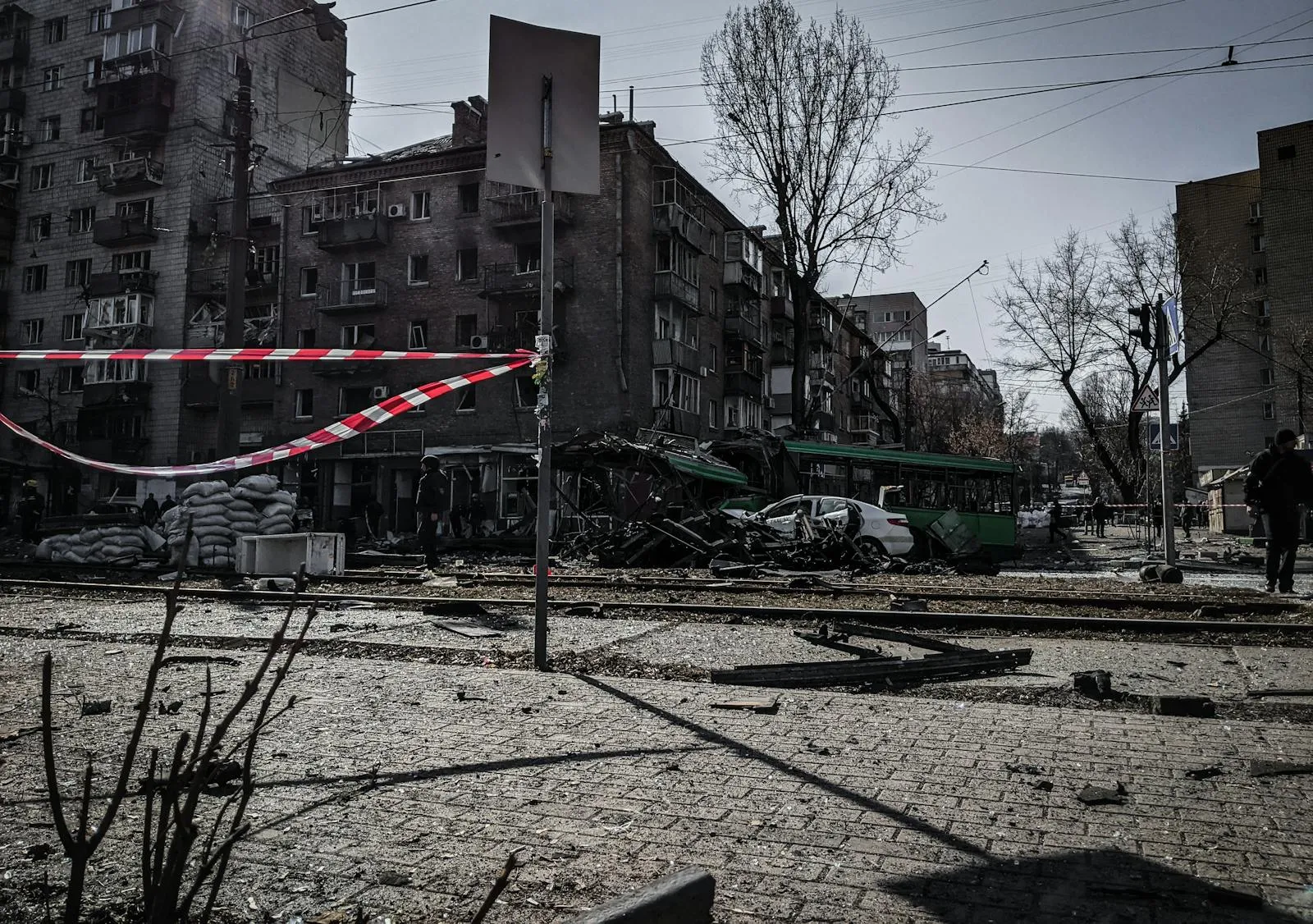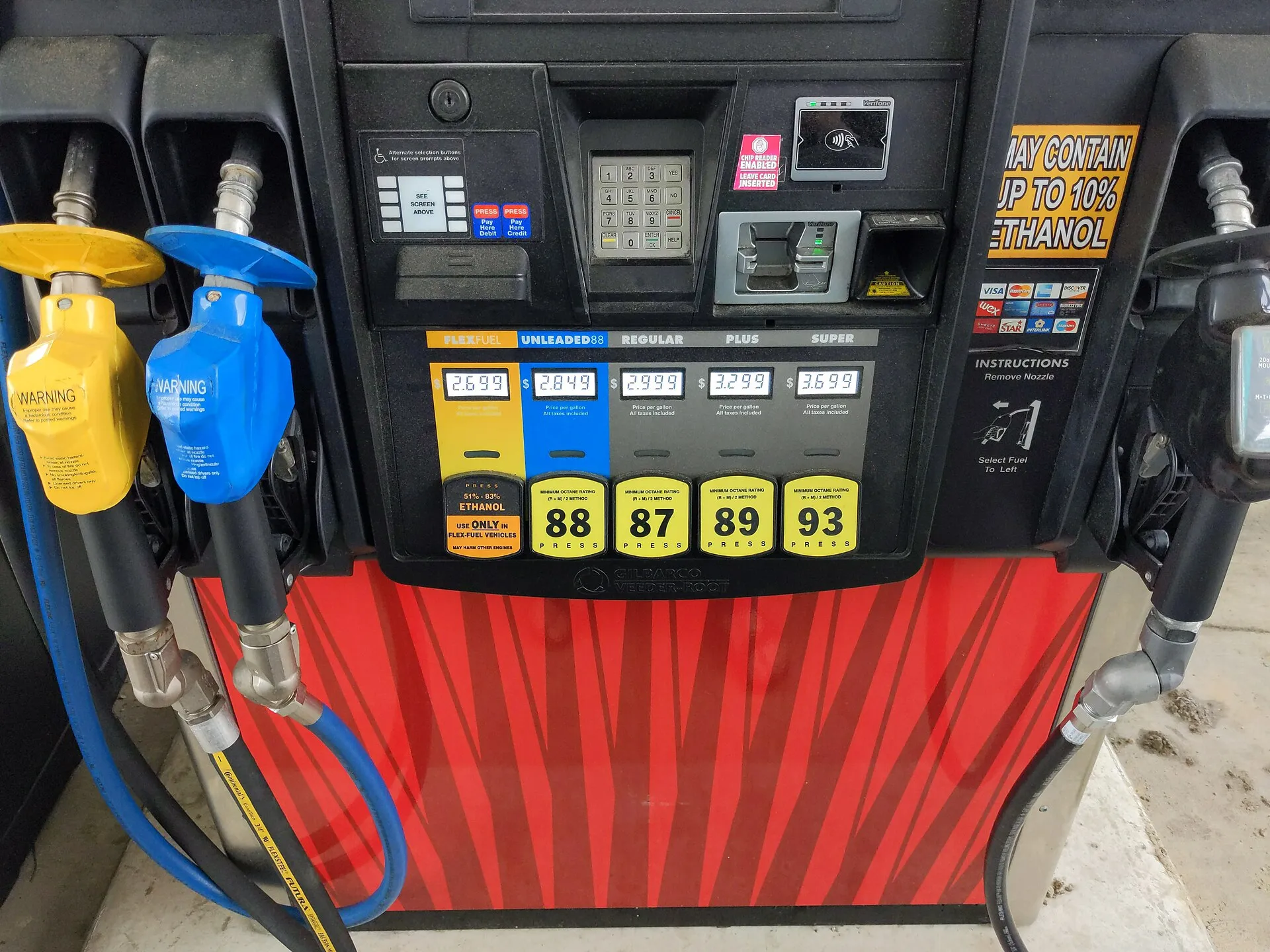
Officials in Russian-occupied Crimea stopped selling gasoline to ordinary civilians on Sunday, an extraordinary step that turned a military campaign into a daily hardship for the people living under occupation. The order, announced by the Kremlin-appointed head of the peninsula, came after Ukrainian forces intensified strikes on the fuel depots and oil-transport facilities that keep Crimea running.
The move marks one of the clearest signs yet that Ukraine’s strategy of hitting Russia’s energy infrastructure far from the front line is biting. By choking the supply of fuel to a region Moscow seized in 2014 and treats as a showcase of its control, Kyiv is demonstrating that it can impose real costs deep inside occupied territory — and President Volodymyr Zelenskyy is making no secret of the intent.
What Happened
Sergey Aksyonov, the Russian-installed governor of Crimea, said local gas stations would halt all sales to private companies and individuals for an undefined period. “Fuel will be sold only to government agencies that ensure the functioning and security of the Republic of Crimea,” Aksyonov said, according to The Associated Press, effectively reserving the remaining supply for the occupation authorities and security services rather than the public.
Aksyonov also said overnight Ukrainian strikes had killed four people and wounded 28 others in the region. Those casualty figures come from the Russian-appointed administration and have not been independently verified. Ukraine has generally said its long-range campaign targets military and energy infrastructure rather than civilians, and the competing characterizations of who and what is being hit are a recurring feature of the war.
Zelenskyy, in a statement Sunday, said the targets struck included a Crimean oil depot and an oil-transport facility in Russia’s southern Krasnodar region. He described the attacks as part of what he called Ukraine’s “long-range sanctions” against Russia’s energy infrastructure — a phrase that frames the strikes not as battlefield tactics but as a deliberate economic weapon meant to drain the resources funding Moscow’s war.
The Timeline
The fuel halt did not come out of nowhere. It is the culmination of weeks of escalating pressure on Crimea’s energy supply, the worst the peninsula has faced since the annexation.
By the end of May, authorities had already begun rationing, restricting sales to 20 liters of gasoline per vehicle owner per week through a system of prepaid coupons distributed on an official messaging-app channel. The coupons were snapped up almost immediately, and motorists lined up for hours waiting to refuel — early evidence that the supply was failing to keep pace with demand. Sunday’s order to cut off civilian sales entirely is the next rung up that ladder: from rationing to outright denial.
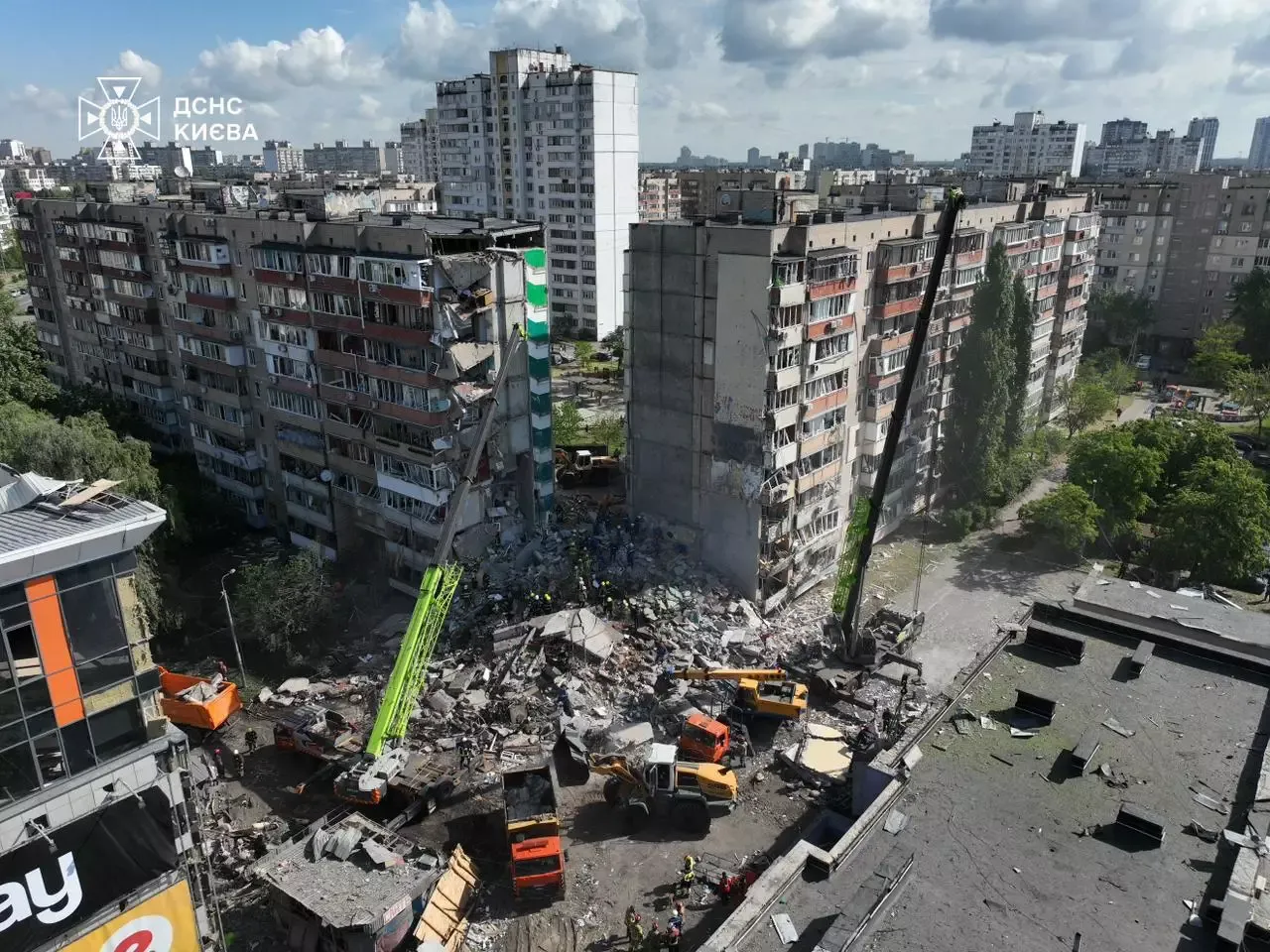
The strikes on Crimea are part of a broader Ukrainian campaign that has reached well beyond the occupied south. Kyiv recently launched one of its largest attacks on Moscow since Russia’s full-scale invasion began, and its drones and long-range systems have repeatedly targeted refineries, depots and pipelines across Russian territory. The pattern is consistent: hit the infrastructure that turns Russian oil into usable fuel and into export revenue.
Why Ukraine Is Targeting Fuel
The logic behind the campaign is straightforward, and Zelenskyy’s “long-range sanctions” language captures it. Western governments have imposed extensive sanctions on Russian energy exports, but enforcement is uneven and Moscow has found workarounds. Striking the physical infrastructure — the depots, refineries and transport links — accomplishes directly what sanctions attempt to do indirectly: it reduces the fuel available to the Russian military and the revenue available to the Russian state.
Crimea is a particularly pointed target. Moscow has spent more than a decade portraying the peninsula as fully integrated, secure and prosperous under Russian rule. A gasoline shutoff that forces civilians into coupon lines and then cuts them off entirely undercuts that narrative in a way no battlefield map can. It also complicates the logistics of Russia’s southern military operations, which rely on Crimea as a rear base and supply hub.
The peninsula’s vulnerability is partly geographic. Crimea is not connected to the Russian mainland by an ordinary land border; supplies reach it across the Kerch Strait bridge and through the occupied corridor of southern Ukraine that Russia seized in 2022. Both routes have been repeated targets of Ukrainian strikes, leaving the region’s fuel and goods dependent on a small number of chokepoints. When depots inside Crimea are hit and resupply across those links is disrupted at the same time, shortages compound quickly — which is how rationing in late May escalated to a full civilian cutoff within weeks.
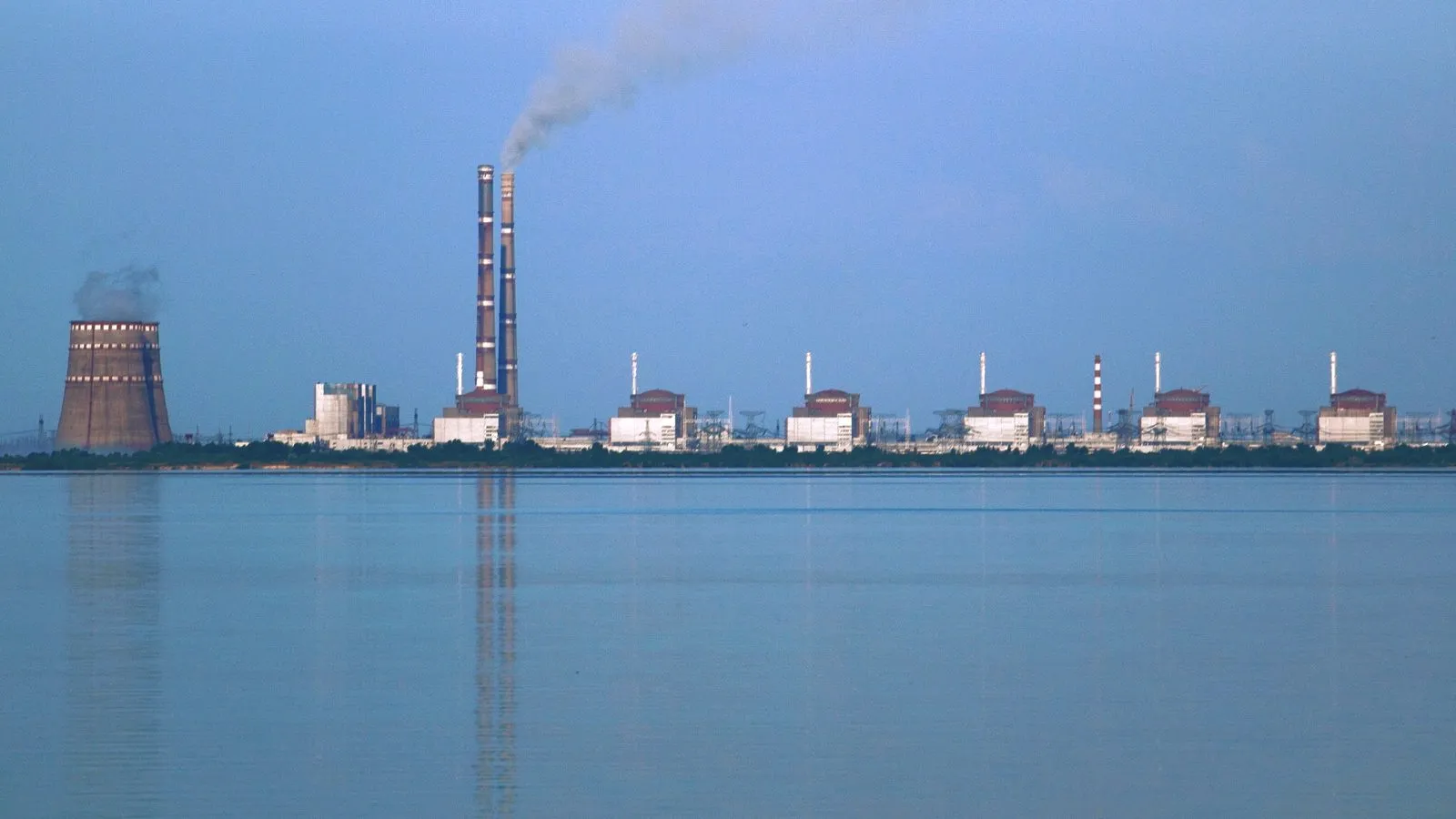
This is the same dynamic playing out at other strategic sites across the war zone, where attacks on critical infrastructure carry consequences far beyond the immediate damage. The danger of that approach is visible at Europe’s largest nuclear plant, where repeated drone strikes have alarmed international inspectors who cannot always determine who is firing. Energy infrastructure has become both a weapon and a target, with civilians on each side of the line absorbing the fallout.
The U.S. Angle
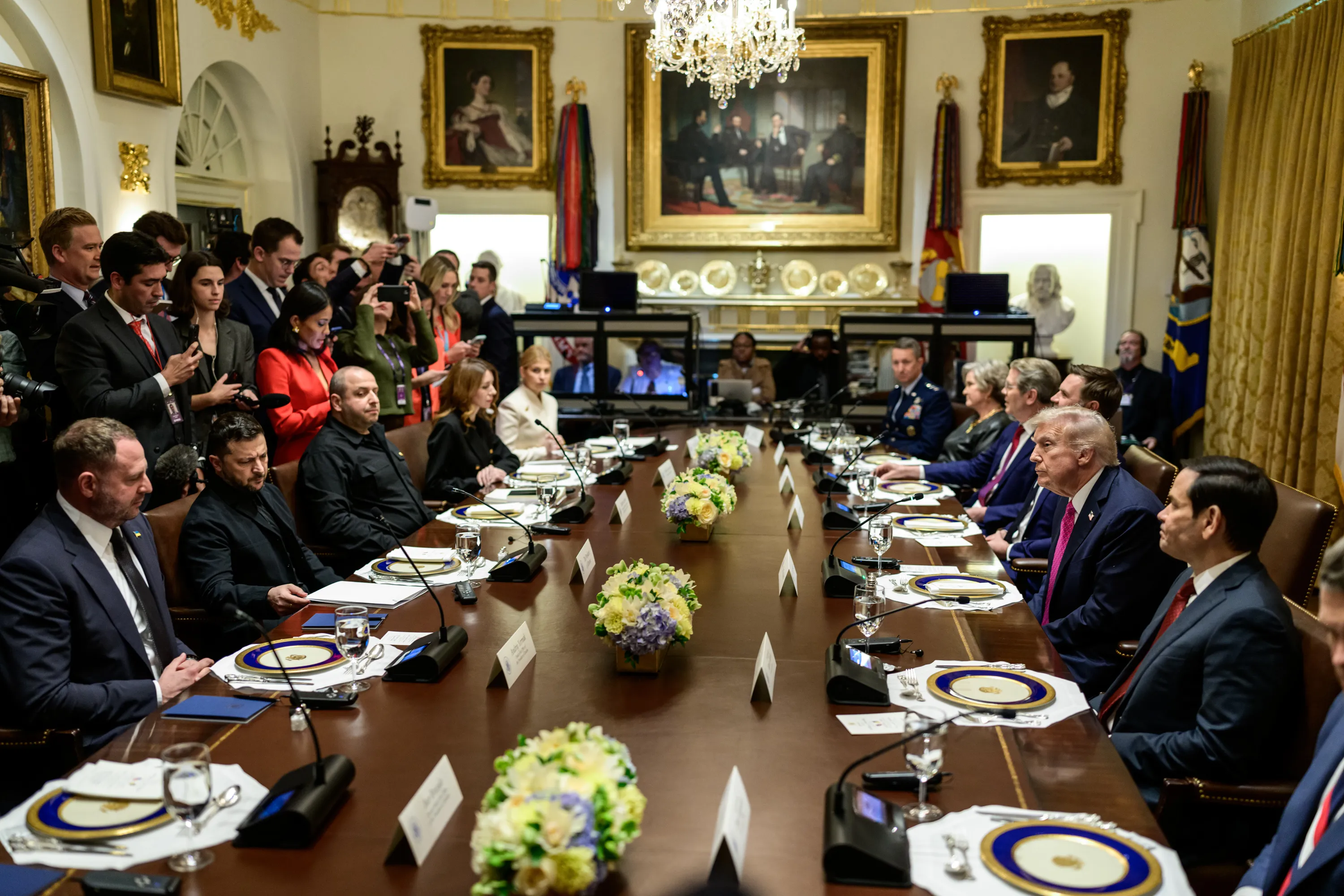
For Washington, the Crimea fuel crisis lands at a sensitive moment. The Trump administration has been pressing for a settlement to the war, and the question of how much military and financial support to keep sending Kyiv remains a live debate in Congress and at the negotiating table. Ukraine’s ability to strike deep inside Russian-controlled territory — and to inflict tangible economic pain — strengthens its hand in any talks by showing it retains options beyond a static front line.
That leverage was on display at the recent Group of Seven summit, where, as our reporting noted, President Trump’s claim that Vladimir Putin was ready to negotiate ran into Putin’s public refusal. A Kremlin that is still absorbing strikes on its energy assets has less incentive to make concessions and more incentive to escalate — a dynamic that makes the diplomatic path narrower even as the pressure campaign succeeds on its own terms.
There is also a market dimension that reaches American households. Attacks on Russian refining and export capacity feed into global oil prices, the same machinery that has whipsawed fuel costs for U.S. consumers this year. After a spring spike tied to conflict in the Persian Gulf, energy prices have lately eased, a swing detailed in our coverage of how pump prices fell back under $4 in the U.S.. Sustained disruption to Russian energy infrastructure is one of several forces that could put upward pressure on those prices again, even as a separate Middle East de-escalation pulls in the other direction.
What Comes Next
The immediate question is how long Crimea can function on a fuel supply reserved for the state. A peninsula that cannot sell gasoline to its residents faces cascading problems — transportation, commerce, agriculture and the daily movement of millions of people all depend on it. Russian authorities will be racing to repair damaged depots and reroute supply, while Ukraine has every incentive to keep striking the infrastructure that would restore normal service.
The broader trajectory points toward more of the same. Ukraine has signaled it intends to continue its long-range campaign against Russian energy targets, and Moscow has shown no sign of pulling back its own strikes on Ukrainian cities and power systems. Each side is now waging a war on the other’s ability to keep the lights on and the fuel flowing — a contest of endurance that will shape both the battlefield and any eventual negotiation. For the civilians lining up at shuttered gas stations in Crimea, the consequences are already here.
Sources 4 cited
- Ukrainian attacks prompt Russian-held Crimea to halt civilian gasoline sales
- Russian-held Crimea halts civilian gasoline sales following Ukrainian attacks
- Russian-occupied Crimea suspends petrol sales amid fuel crisis
- Ukrainian attacks prompt Russian-held Crimea to halt civilian gasoline sales
American Courant cites its sources and links to primary documents where they exist. How we report →