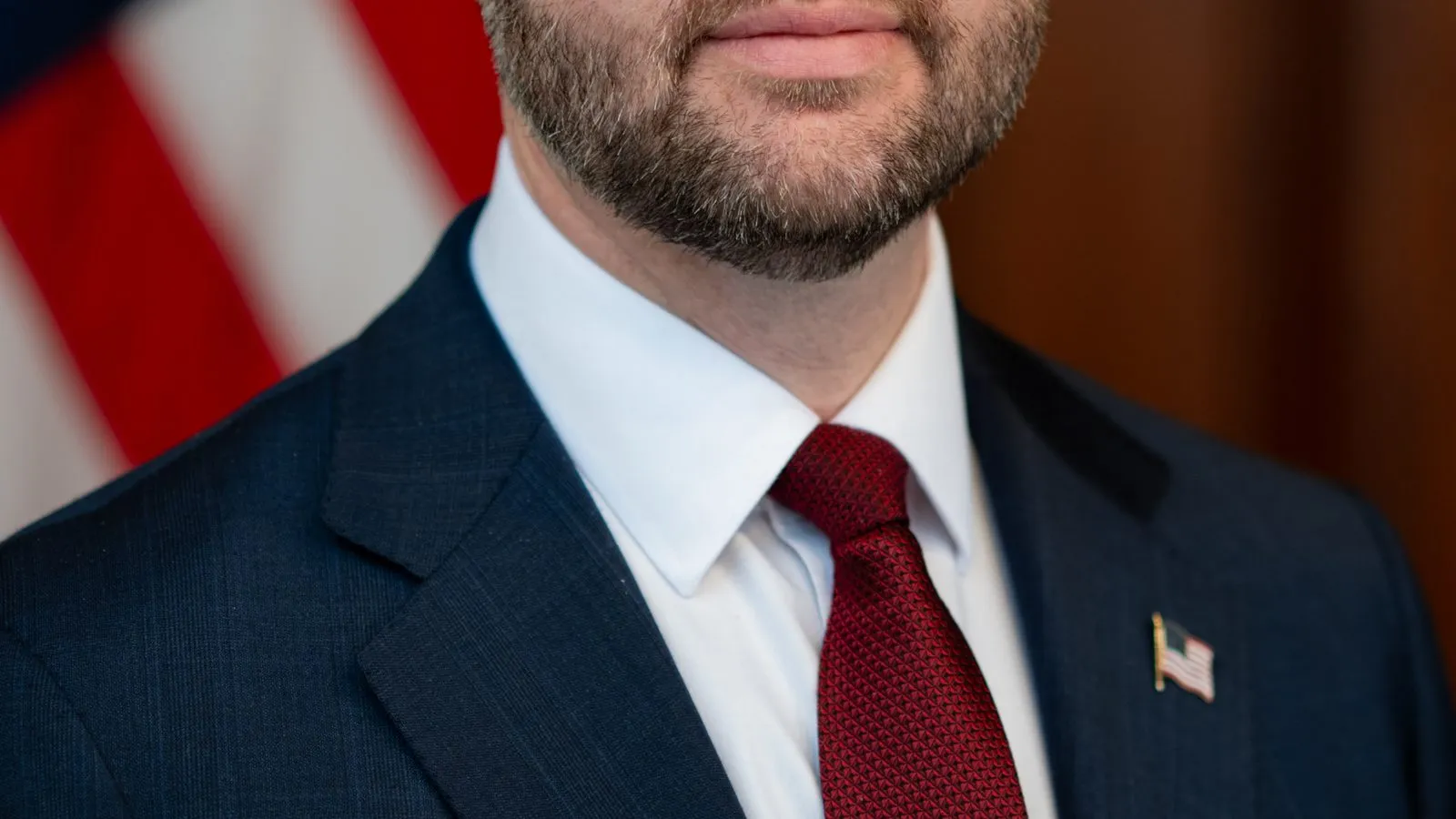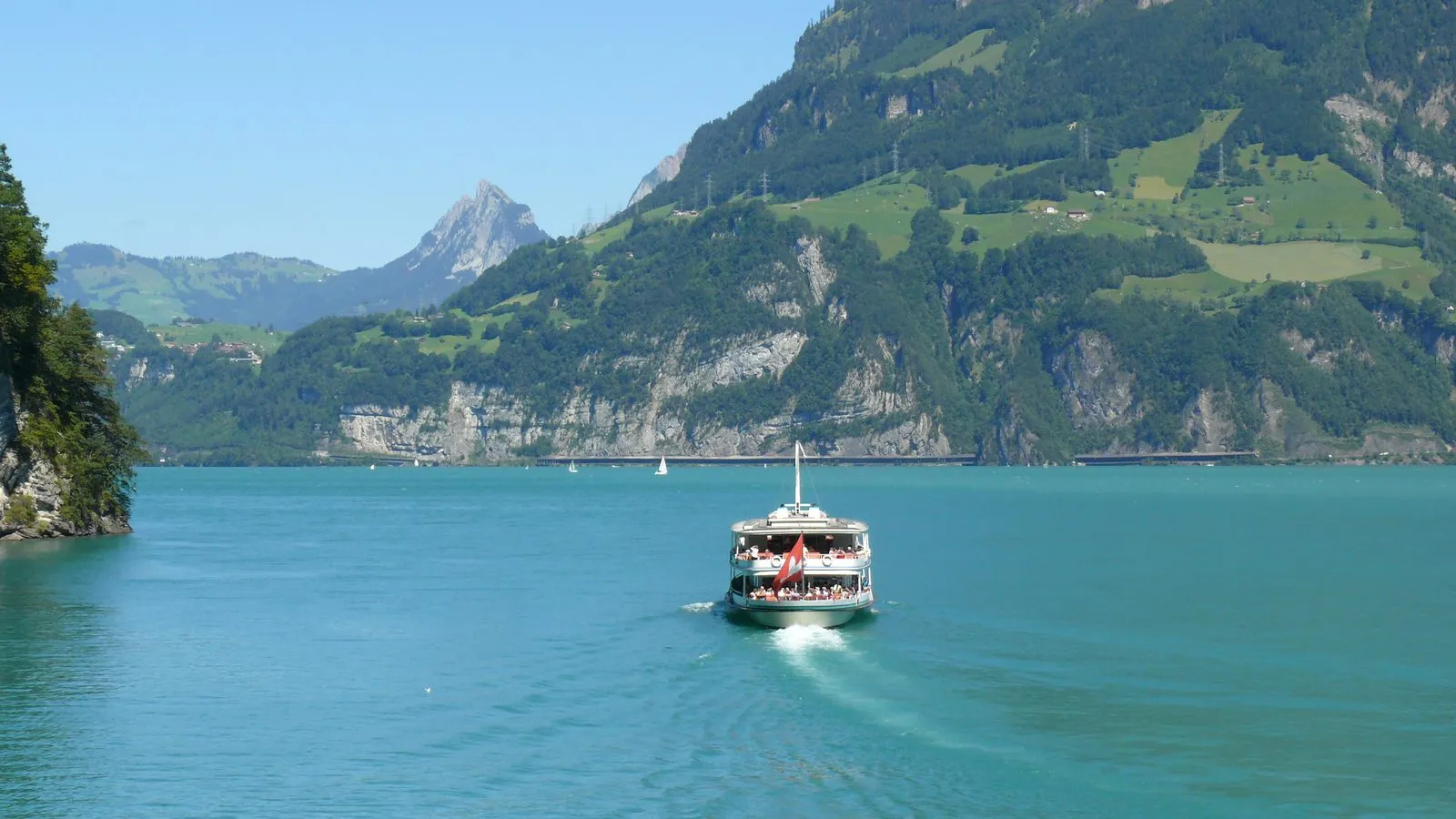
A sitting American vice president and the foreign minister of Iran sat in the same room on Sunday — a sentence that would have read as a fantasy a year ago. At the Bürgenstock resort overlooking Lake Lucerne in Switzerland, Vice President JD Vance opened direct, face-to-face talks with Iran’s leadership, launching a 60-day sprint to settle the fate of Iran’s nuclear program. Vance called it what it was. “This is a historic meeting,” he said.
The optimism in the room sat awkwardly beside the news outside it. Even as the delegations gathered, Iran’s military was declaring the Strait of Hormuz closed and warning ships away, and an emergency session on the fighting in Lebanon had to be bolted onto the agenda. The talks that are supposed to end the war began with two reminders of how easily it could reignite.
A Meeting Without Precedent
The scene itself was the story. Vance appeared alongside Iran’s chief negotiator, parliamentary speaker Mohammad Bagher Ghalibaf, and Foreign Minister Abbas Araghchi, with special envoys Jared Kushner and Steve Witkoff at his side and Pakistani and Qatari mediators in the room. “Outside the last few months, never before has the Iranian and American leadership met at such a high level,” Vance said — an accurate description of a diplomatic gulf that has run, with rare interruptions, since 1979.
That the meeting happened at the vice-presidential level is a measure of how far and how fast the two governments have moved. It follows the memorandum of understanding President Trump signed with Iran last week to wind down their war, and it puts Vance — who has spent recent days publicly pressing Israel to accept that same deal — at the center of the most consequential U.S.-Iran diplomacy in a generation.
What the 60 Days Are For
The clock now running is the one written into the agreement. Under the MOU, the United States and Iran have 60 days to negotiate the hardest questions, beginning with Iran’s nuclear program. The framework calls for an end to military strikes, the reopening of the Strait of Hormuz to commercial shipping toll-free during the window, the lifting of the U.S. naval blockade of Iran’s ports, and a 60-day extension of the ceasefire.
Inside that window sit the issues that have repeatedly stalled this process: the future of Iran’s enrichment, the fate of billions in frozen Iranian funds, the resumption of Iranian oil sales, and the fighting in Lebanon. Tehran’s delegation reflected that breadth, including not just diplomats but central bank and oil officials. The agreement that got the two sides into the room deliberately deferred the thorniest details to exactly these talks — which is why their success is far from assured even now that they have begun.
The Hormuz Threat Hanging Over the Talks
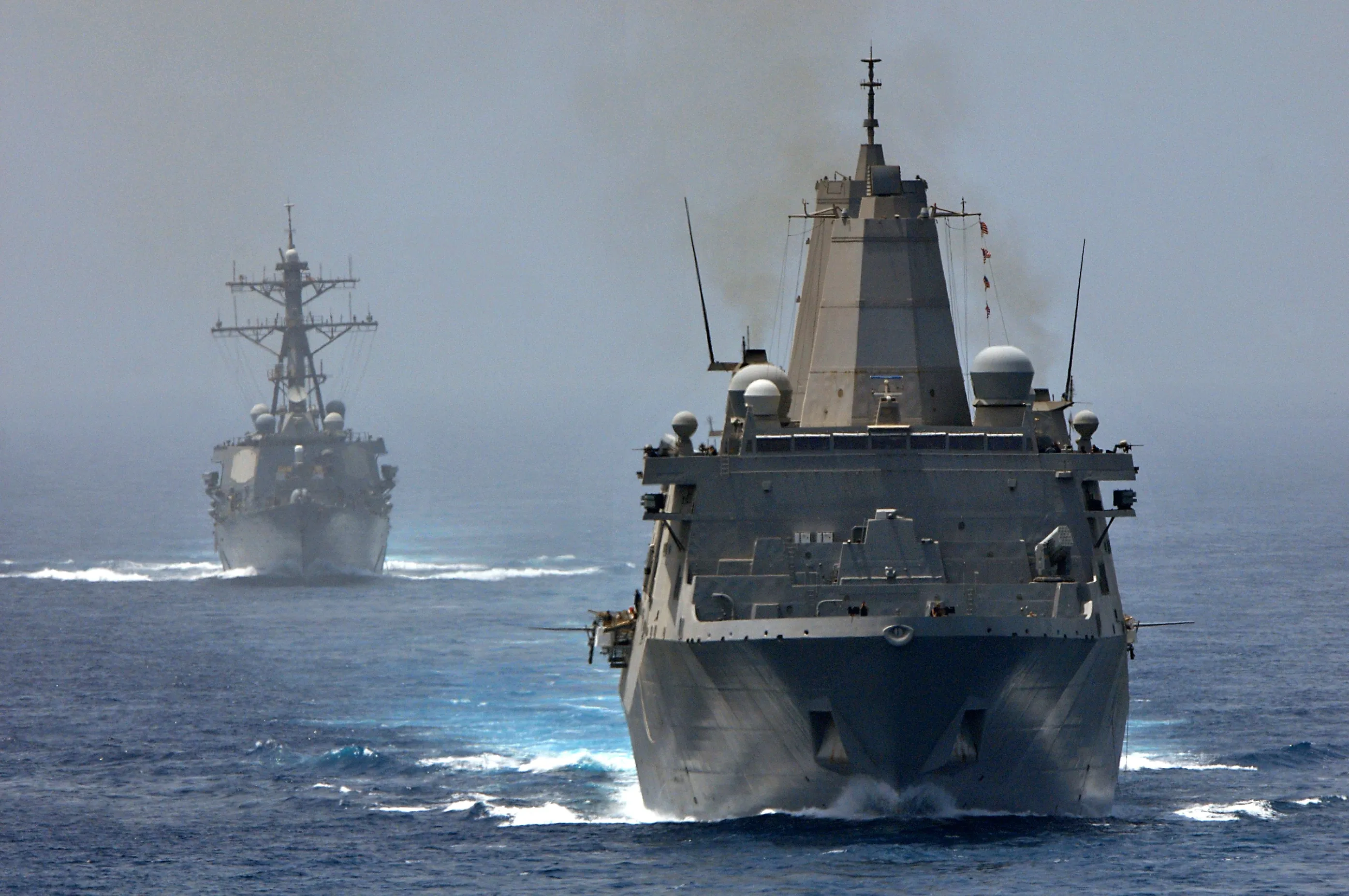
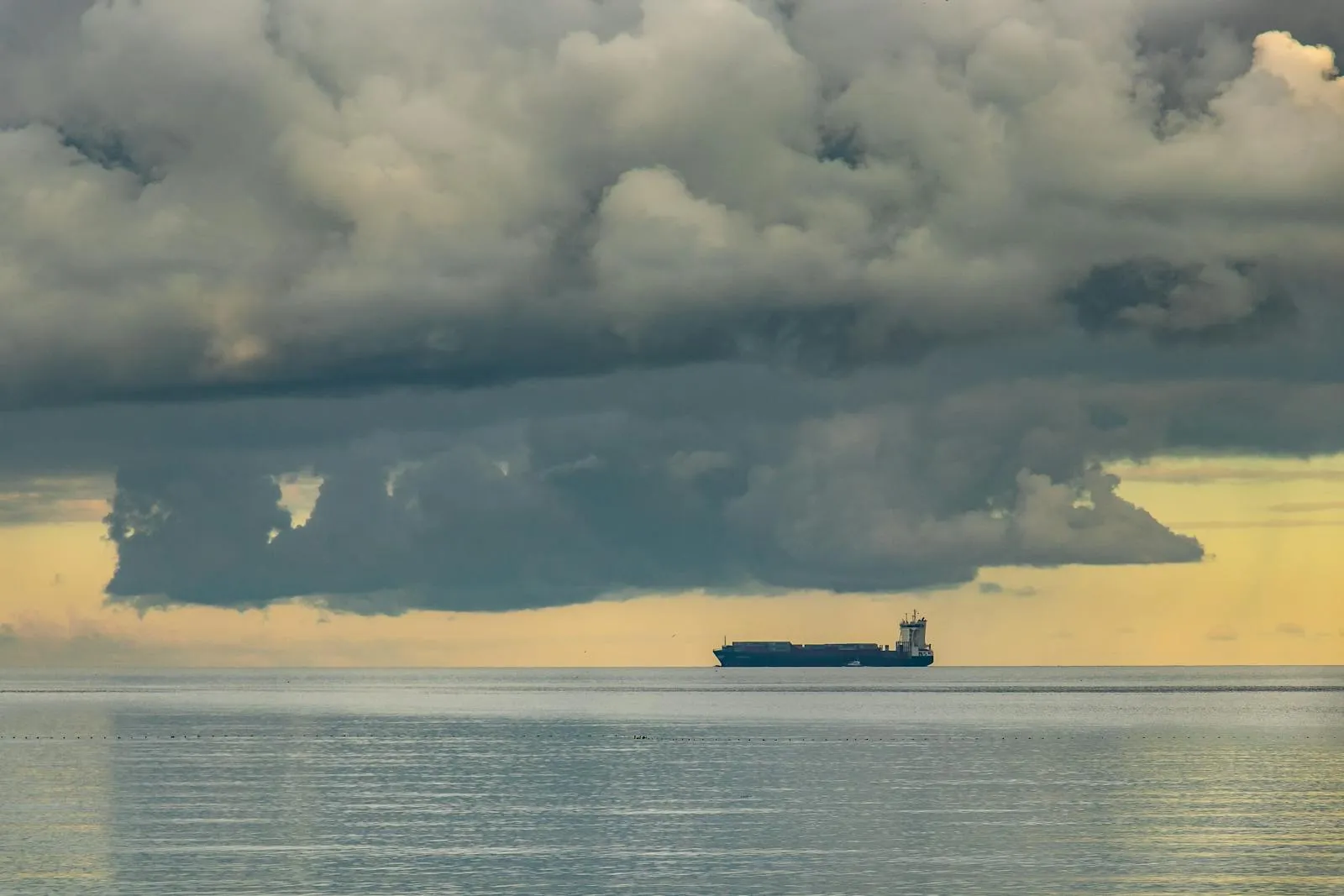
The most immediate complication was unfolding in real time. On Saturday, Iran’s Islamic Revolutionary Guard Corps announced via state television that the Strait of Hormuz was closed, citing Israeli attacks in Lebanon, and warned that “vessels should not approach the Strait of Hormuz; otherwise, their security will be at risk.” It was a direct contradiction of the deal Vance had come to advance, which is built in part on keeping the strait open.
Washington rejected the claim outright. CENTCOM spokesman Captain Tim Hawkins said flatly that “Iran does not control the Strait of Hormuz,” adding that “traffic continues to flow, and U.S. forces are monitoring the situation to ensure this remains the case.” As American Courant has reported, that gap — between Iran’s declaration that the strait is shut and the U.S. military’s insistence that ships keep moving — is now a recurring feature of the standoff, and it hung over the Lucerne talks as a live test of whether either side can deliver what the deal promises.
Lebanon, the Other Fire
If Hormuz is the threat at sea, Lebanon is the one on land. The MOU requires hostilities to cease “on all fronts, including Lebanon,” but the fighting between Israel and the militant group Hezbollah has not stopped, and an emergency session on it was added to the Switzerland agenda. Iran cited those Israeli operations as its justification for the Hormuz move, tying the two flashpoints together.
The Lebanon problem is compounded by who is not at the table. Israel was not a party to the deal and has bristled at it, with Vance himself warning Jerusalem that it is jeopardizing its relationship with its most important ally. A ceasefire that depends on Israel halting operations it has refused to halt — negotiated by a country that was left out of the agreement — is the structural weakness the Lucerne talks have to manage from day one. The piece that ended the broader war, from the disputed terms that nearly sank it to the Lebanon carve-out, was always going to be tested here.
What Comes Next
The substance now begins. Over the coming weeks, negotiators are meant to translate a framework into enforceable terms on the nuclear program — the dismantlement and inspection regime the U.S. says it wants, against Iran’s insistence that it will not simply accept American demands. Frozen funds, oil sales, and the Lebanon ceasefire will all be litigated alongside it.
The early signals will come from outside the conference room as much as inside it. If the Strait of Hormuz quietly stays open despite Iran’s declaration, and if the Lebanon fighting cools, the talks will have room to work. If Iran enforces its closure or the Israel-Hezbollah front flares, the 60-day clock could run out before it accomplishes anything. For now, the remarkable fact stands on its own: an American vice president and Iran’s leadership are in the same room, talking. Whether that produces a lasting peace or just a photograph is the question the next two months will answer.
Sources 4 cited
- JD Vance heads to Switzerland to accelerate peace talks as Iran threatens to close Strait of Hormuz
- Vance arrives in Switzerland for US-Iran talks
- JD Vance lands in Switzerland to launch talks with Iran on its nuclear program
- Iran live updates: Vance heads to Switzerland for talks amid opposing claims over Strait of Hormuz
American Courant cites its sources and links to primary documents where they exist. How we report →