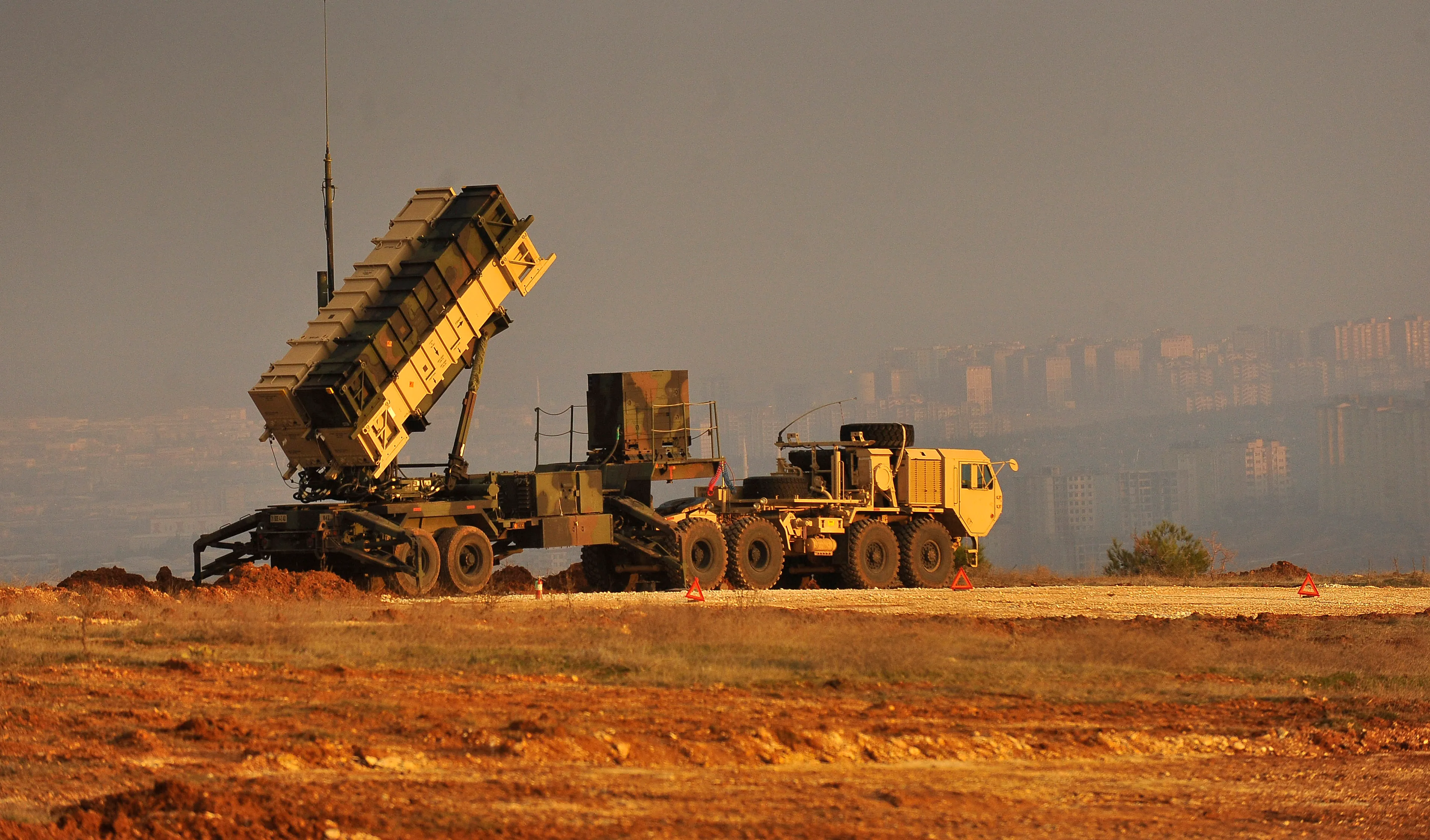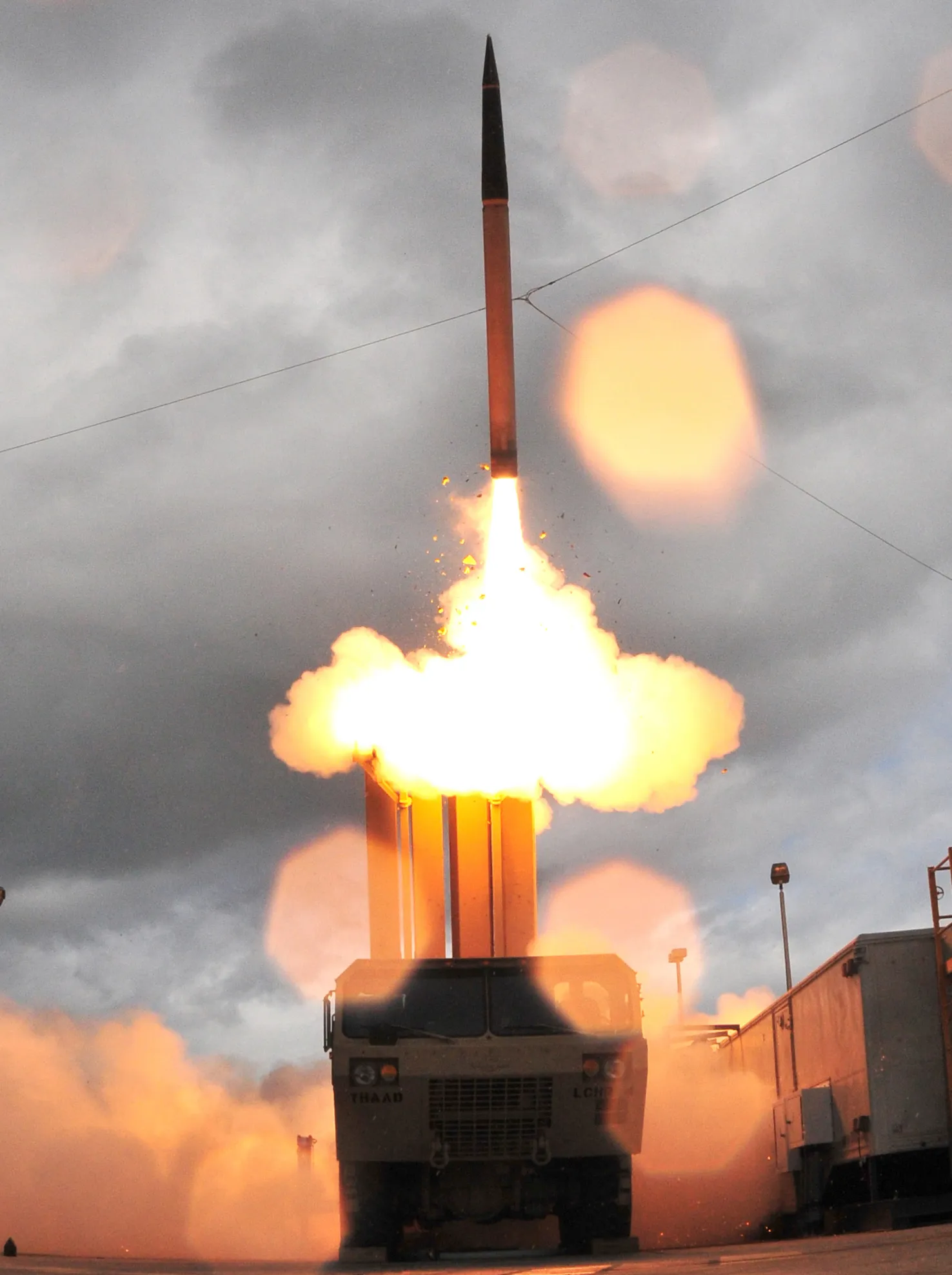
Defense Secretary Pete Hegseth stood inside NATO headquarters on Thursday and told America’s closest allies that the deal that has anchored European security for 75 years is being put under formal review. The Pentagon, he announced, will spend the next six months studying how many of the roughly 80,000 U.S. troops stationed in Europe should stay — and which allied countries have earned them.
The review, Hegseth said in Brussels, is meant to push the alliance toward a future in which Europeans, not Americans, carry the main weight of defending the continent. He framed it bluntly as a test with winners and losers. “It’s a review that some countries will fail, and others will pass with flying colors,” he told defense ministers, according to a transcript released by his department. The message lands at the center of the most consequential question facing the Western alliance: whether the United States is beginning a managed step back from Europe, and how fast.
What Hegseth Announced
The core of the announcement is a six-month Pentagon assessment of U.S. force posture across Europe, conducted in consultation with Congress. Hegseth tied its outcome directly to how quickly European governments take over responsibility for their own security.
“This will be a real review,” he said. “It will be designed to ensure that NATO is moving fast and irreversibly toward Europe leading, stepping up to take primary responsibility for the defense of Europe.” He branded the goal “NATO 3.0,” which he described as a “post-Cold War recognition that it needs to go back to a real hardline military alliance that has real military capabilities capable of deterring right here on the continent and taking the lead for the conventional defense of Europe.”
He also attached a financial threat. Countries that drag their feet on military spending, Hegseth warned, will see Washington’s support contract: “Where other allies do not spend with urgency, our dues contributions will go down.” It was a pointed inversion of the usual NATO bargain, in which the United States has long underwritten the alliance’s collective defense.
The rhetoric went beyond budgets. Hegseth delivered a sweeping indictment of how he believes Europe has spent the post-Cold War decades, arguing that the continent let its militaries wither. “Instead of tanks and fighters and air defenses, the focus has been on gender equity and climate change and defense austerity,” he said. “Europe’s borders flew wide open, welfare states expanded, defense budgets cratered.”
The Break Over the Iran War
The sharpest moment came when Hegseth turned to the recent U.S. military campaign against Iran. He accused European governments of refusing to let American forces use bases and airspace on the continent to carry out strikes, calling the refusal “shameful.”
“These allies, they put America’s sons and daughters, our sons and daughters, at risk by denying them the predictable access, basing and overflight that never should have been in question at all,” he said.
The grievance connects this week’s confrontation to a string of recent events. The United States carried out strikes on Iranian targets that sent oil prices toward $100 a barrel and rattled global shipping through the Strait of Hormuz earlier this spring. Hegseth’s complaint is that when Washington went to war in the Middle East, parts of Europe declined to help — and he is now using that refusal as evidence for why the trans-Atlantic relationship has to change.
That argument is contested. Several European officials have noted that decisions about hosting offensive operations against a third country are sovereign choices, not automatic NATO obligations, and that the alliance’s mutual-defense commitment under Article 5 covers attacks on members, not expeditionary wars of choice.
What’s Actually at Stake: 80,000 Troops and a Congressional Floor
The numbers give the review its weight. There are roughly 80,000 U.S. service members in Europe, a presence built up after Russia’s full-scale invasion of Ukraine in 2022. That force underpins air defense, logistics, intelligence and the nuclear-backed deterrent that European capitals have relied on for generations.
Any drawdown runs into a guardrail Congress already built. Lawmakers have required the Pentagon to submit a plan before cutting U.S. forces in Europe below 76,000 — a floor designed precisely to keep an administration from quietly thinning the deployment. Hegseth said the review would involve consultations with Congress, an acknowledgment that the executive branch cannot unilaterally gut the presence without a fight on Capitol Hill.
The posture question is also tangled up in a broader debate about whether the United States can sustain its global commitments at all. American stockpiles of key munitions have been the subject of an unresolved dispute after months of heavy expenditure in the Middle East and arms transfers to Ukraine — a reminder that force levels are only one measure of whether an alliance can actually fight.
How Europe Is Responding
European leaders have spent the past two years preparing for exactly this conversation, and their public reaction was less panic than acceleration. NATO Secretary-General Mark Rutte pointed to the money already moving: allies spent roughly $90 billion more on defense last year, he said, a jump of about 20% over 2024. That surge follows the pledge alliance members made to drive military spending sharply higher over the coming decade.
Rutte sought to cast a smaller American footprint as something the alliance can absorb rather than a rupture, stressing that the U.S. would still come to Europe’s defense in the event of a war. European governments, for their part, have launched the most ambitious rearmament push since the Cold War — expanding their armies, restocking ammunition, and building the air-defense and logistics capacity the continent leaned on the United States to provide. The reflex now is visible across the continent, where allies have raced to shore up air defenses against Russian missile barrages without waiting for Washington.
The harder question is timing. Rearmament that pays off over a decade does little for the gap that would open immediately if the United States pulled tens of thousands of troops and their enabling capabilities out in the near term. That mismatch — long-term European buildup against a potentially faster American drawdown — is the seam Hegseth’s review now sits in.
What Comes Next
The review will run for up to six months, which puts its conclusions in late 2026, and it will play out alongside continued consultations with Congress over the 76,000-troop floor. Its findings will shape concrete decisions: which bases stay open, which rotations continue, and how much of the American presence built up after 2022 becomes permanent.
For now, no troops are moving. What changed Thursday was the framing. Washington has told its allies, on the record and inside NATO’s own headquarters, that the size of the U.S. commitment to Europe is no longer a given but a variable — one that will rise or fall depending on how quickly Europe is judged to be carrying its own defense. The alliance has weathered American complaints about burden-sharing for decades. This time the complaint comes attached to a formal review with a deadline, and to an explicit warning that some members are expected to fail it.
Sources 7 cited · 1 primary
- Remarks by Secretary Pete Hegseth at the 2026 NATO Defense Ministerial in Brussels (As Delivered)
- Hegseth announces in Brussels a review of U.S. forces in Europe, and a 'NATO 3.0'
- Hegseth lashes out at NATO allies and announces a review of U.S. forces in Europe
- Hegseth announces review of U.S. forces in Europe, blasts 'shameful' NATO allies
- Hegseth announces review of US troops in Europe, scorns some allies
- Europe readies for a NATO with less U.S. as Hegseth announces troop review
- Hegseth Scolds NATO Allies Over 'Shameful' Response to Iran War
American Courant cites its sources and links to primary documents where they exist. How we report →