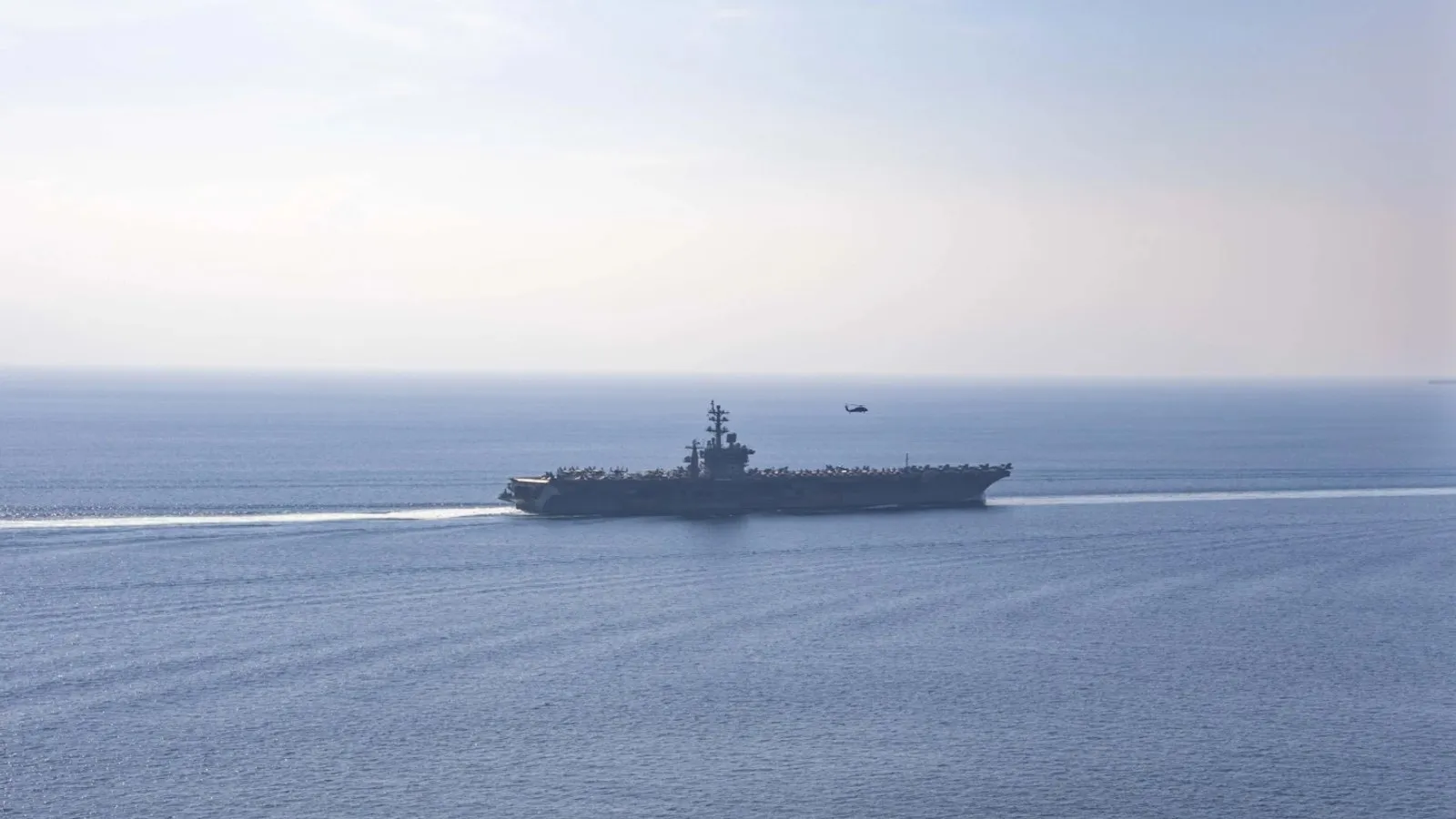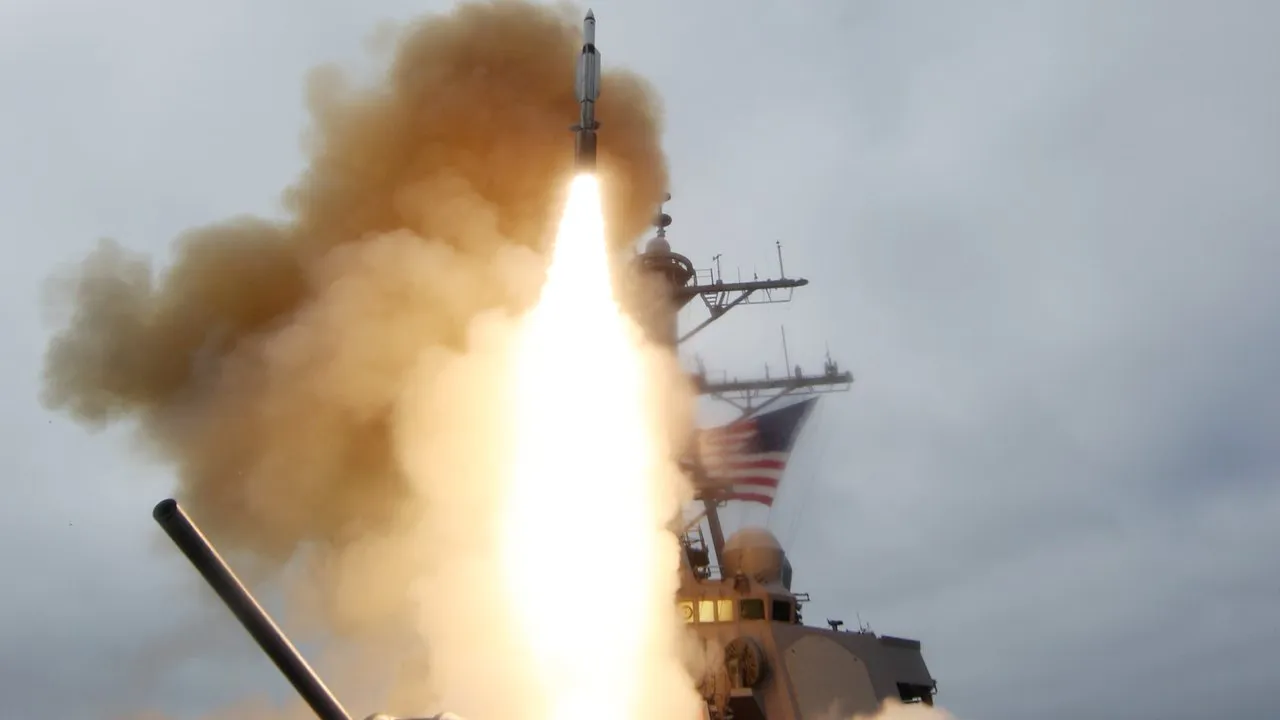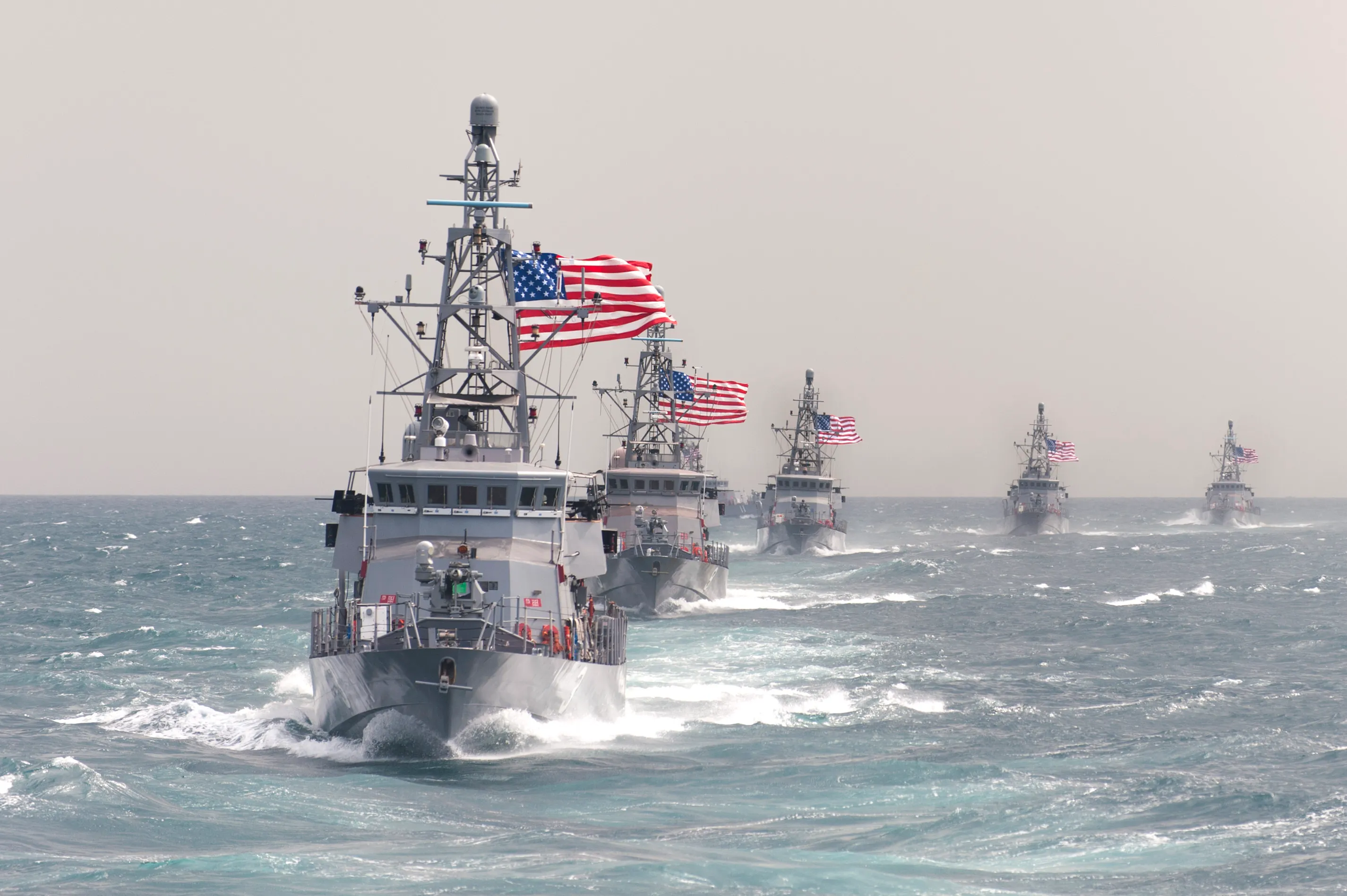
U.S. Central Command struck two Islamic Revolutionary Guard Corps boats that were laying mines in the Strait of Hormuz and destroyed a surface-to-air missile site near Bandar Abbas that was tracking American aircraft, CENTCOM announced Monday — the same day that Iranian negotiators sat down in Doha to work on a final peace deal and Secretary of State Marco Rubio told reporters a settlement was “a couple of days” away.
Brent crude briefly touched $100 a barrel on the news before easing back to around $99. Iran’s IRGC threatened “decisive” retaliation and its Foreign Ministry called the strikes a “flagrant violation” of the April 8 ceasefire. CENTCOM said it was acting in self-defense.
The collision between military action and active diplomacy underscores just how fragile the ceasefire has become nearly seven weeks after it was announced — and how much distance still separates the two sides from a durable agreement.
What CENTCOM Struck and Why
CENTCOM spokesperson U.S. Navy Capt. Tim Hawkins issued a statement Monday describing the targets: “Targets included missile launch sites and Iranian boats attempting to emplace mines.” The full statement read: “U.S. forces conducted self-defense strikes in southern Iran today to protect our troops from threats posed by Iranian forces. U.S. Central Command continues to defend our forces while using restraint during the ongoing ceasefire.”
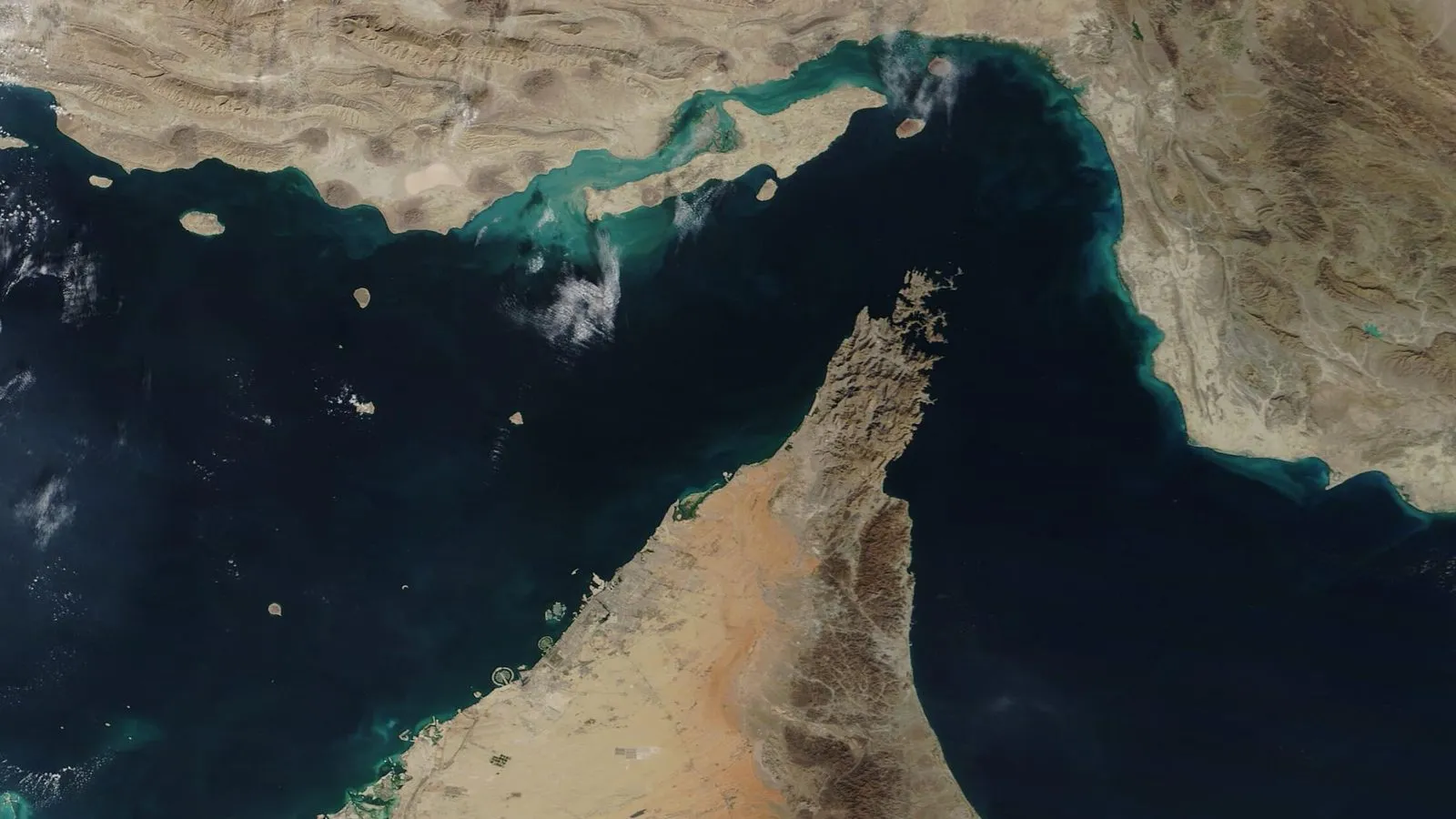
The mine-laying boats were operating in the Strait of Hormuz itself — the narrow choke point, roughly 21 miles wide at its narrowest, through which roughly one-fifth of the world’s oil supply passes every day. The SAM site was located in Bandar Abbas, Iran’s largest port city and the home of the IRGC’s navy, situated directly at the eastern end of the strait.
U.S. military aircraft have been conducting surveillance and escort missions throughout the region since Operation Epic Fury began in late February. CENTCOM’s position is that those aircraft are legitimate targets of neither a ceasefire nor any future agreement — Iran disagrees.
The IRGC separately claimed to have shot down a U.S. MQ-9 Reaper drone during the confrontation, and said air defenses fired on a second MQ-9 and an F-35 Lightning II. CENTCOM did not confirm or deny the drone claim in its statement.
Iran’s Response
Tehran’s reaction was immediate and blunt.
The IRGC issued a statement warning that it “considers its right to reciprocal response to be legitimate and certain” and described the U.S. military as “aggressive.” Iran’s Foreign Ministry accused Washington of committing a “flagrant violation” of the April 8 ceasefire agreement, citing what it said were repeated incidents over the previous 48 hours in the Hormozgan region, including what the ministry described as “repeated naval harassment against Iranian commercial vessels.”
The IRGC framed the mine-laying activity — which triggered the strikes — as defensive rather than provocative. Iranian officials have consistently maintained that mines in the strait are a legitimate deterrent against what they call an illegal U.S. naval blockade.
That framing has found little traction with American officials, who point to the April 8 ceasefire as an explicit commitment by both sides to halt offensive actions during the negotiating period.
The Diplomatic Contradiction
The strikes landed while Rubio was aboard his plane en route to New Delhi for the Quad Foreign Ministers’ meeting — a previously scheduled stop with Japan, Australia, and India that he kept even as the Iran talks moved toward a critical juncture.
Speaking to reporters on the plane, Rubio insisted a deal was still within reach despite the morning’s military activity. “It’s going to take a couple of days to settle … down to the disagreements over a word, a sentence,” he said.
That assessment was being tested in real time. An Iranian delegation — including Iran’s central bank governor, whose presence signaled that the core financial questions around sanctions relief and frozen assets were on the table — had arrived in Doha on Sunday for what both sides described as a potentially decisive round. The three main sticking points, as understood from coverage of the talks: the timeline for Iranian compliance with limits on its highly enriched uranium stockpile, the mechanism for verifying that compliance, and the terms under which the Strait of Hormuz would be reopened and de-mined.
As American Courant reported Saturday, Trump on Saturday said the deal was “largely negotiated” — a formulation the White House began to walk back by Sunday evening, with officials saying a final agreement could still take “days.” The Doha session had already hit turbulence before Monday’s strikes, stalling over Iranian insistence on language protecting its sovereignty over the strait.
The strikes add a new complication. Iran’s negotiating team in Doha did not immediately walk out, according to reporting from Al Jazeera, but the political pressure on Iranian officials to respond to the IRGC’s calls for retaliation is real. Any escalation — from either side — would likely end the Doha session immediately.
Oil Markets Reflect the Risk
Energy traders were not waiting to see how diplomacy resolved the tension.
Brent crude hit $100 per barrel Tuesday morning, its highest level in weeks, before pulling back to around $99. That’s still a sharp move from the roughly $96 price the day before, when optimism about an imminent deal had pushed prices down from their wartime highs.
The Strait of Hormuz has been effectively closed to normal commercial shipping since early March, when Iran stepped up mine-laying operations and began boarding and diverting tankers after Operation Epic Fury began. About 20 percent of global oil flows through the strait in normal conditions. The economic cost of its continued closure — running now into its fourth month — has been a consistent pressure point on both Washington and Tehran.
A deal that reopened the waterway would require Iran to clear the mines it has laid, under what would almost certainly need to be some form of international verification. That has been one of the most contentious points in the Doha discussions: Iran wants the process to proceed under its sovereign control; the U.S. wants international inspectors present from the start.
The Timing: Arafah Day
There was a geopolitical layer to Monday’s timing that drew notice in the Gulf.
The strikes occurred on Arafah Day, the holiest single day in the Islamic calendar — the day when Hajj pilgrims gather on the plain of Arafah outside Mecca in the climax of the annual pilgrimage. As American Courant reported this morning, roughly two million pilgrims from more than 160 countries are observing the Hajj this year, including tens of thousands from Iran.
Saudi Arabia, which controls the holy cities, was reportedly not given advance notice of the strikes, according to regional sources cited in Arab media. Riyadh has walked a careful line throughout the U.S.-Iran conflict, hosting diplomatic contacts while avoiding a formal alignment with either Washington or Tehran. Strikes on a major Islamic holiday, without consultation, risk complicating that posture.
The White House and State Department did not address the Arafah Day timing in their Monday statements.
What Happens Next
The ceasefire has now held — loosely — for 48 days. Whether it survives Monday’s confrontation depends on several near-term decisions.
The Doha talks are the most immediate variable. If the Iranian delegation remains and the working sessions continue, it signals that Tehran is treating the strikes as a contained incident rather than a deal-breaker. If the Iranians leave, the ceasefire effectively collapses and the April 8 framework becomes irrelevant.
In Washington, Senate Republicans have been skeptical of the deal’s terms from the start, with Armed Services Committee Chair Roger Wicker and Foreign Relations Committee Chair Lindsey Graham warning publicly that any agreement that doesn’t permanently shut down Iran’s uranium enrichment is unacceptable. Monday’s strikes, which CENTCOM framed as both self-defense and consistent with the ceasefire, give the administration something to point to as evidence that it has not gone soft — but they also give Iran something to point to as it decides whether to stay at the table.
Rubio’s “couple of days” estimate, delivered before the strikes became public, may prove optimistic. What it may accurately reflect is how close the technical language in the agreement actually is to completion — a measure of the remaining distance that has nothing to do with the political will on either side to close it.
That, as of Monday afternoon, remained the open question.
Sources 6 cited · 1 primary
- CENTCOM Statement: U.S. Forces Conduct Self-Defense Strikes in Southern Iran
- Iran Accuses US of Cease-Fire Breach After US 'Self-Defense' Strikes
- Marco Rubio Says Iran Deal Could Take Days After U.S. Launches Fresh Strikes
- Global Oil Prices Rise as Fresh U.S. Strikes on Iran Cast Shadow Over Trump's Promised Peace Deal
- US military launches strikes on southern Iran amid talks in Qatar
- Iran war news live updates: IRGC threatens retaliation after U.S. strikes on launch sites and boats
American Courant cites its sources and links to primary documents where they exist. How we report →