President Donald Trump posted on Truth Social Saturday evening that a peace agreement with Iran has been “largely negotiated” — one that would reopen the Strait of Hormuz, impose limits on Iran’s nuclear program, and provide Tehran with sanctions relief in exchange for verified compliance. He said the deal would be announced “shortly.”
Within hours, Iran’s state-aligned press agency disputed his description, calling it “incomplete and inconsistent with reality.” Two senior Republican senators said the deal would be a disaster. Secretary of State Marco Rubio, on a diplomatic trip to India, told reporters he expected further news on the agreement by Sunday.
Eighty-four days after the United States launched Operation Epic Fury against Iranian military and nuclear targets, what was once a shooting war now stands on the edge of a formal framework — if the two countries can agree on what they actually agreed to.
What the Deal Would Say
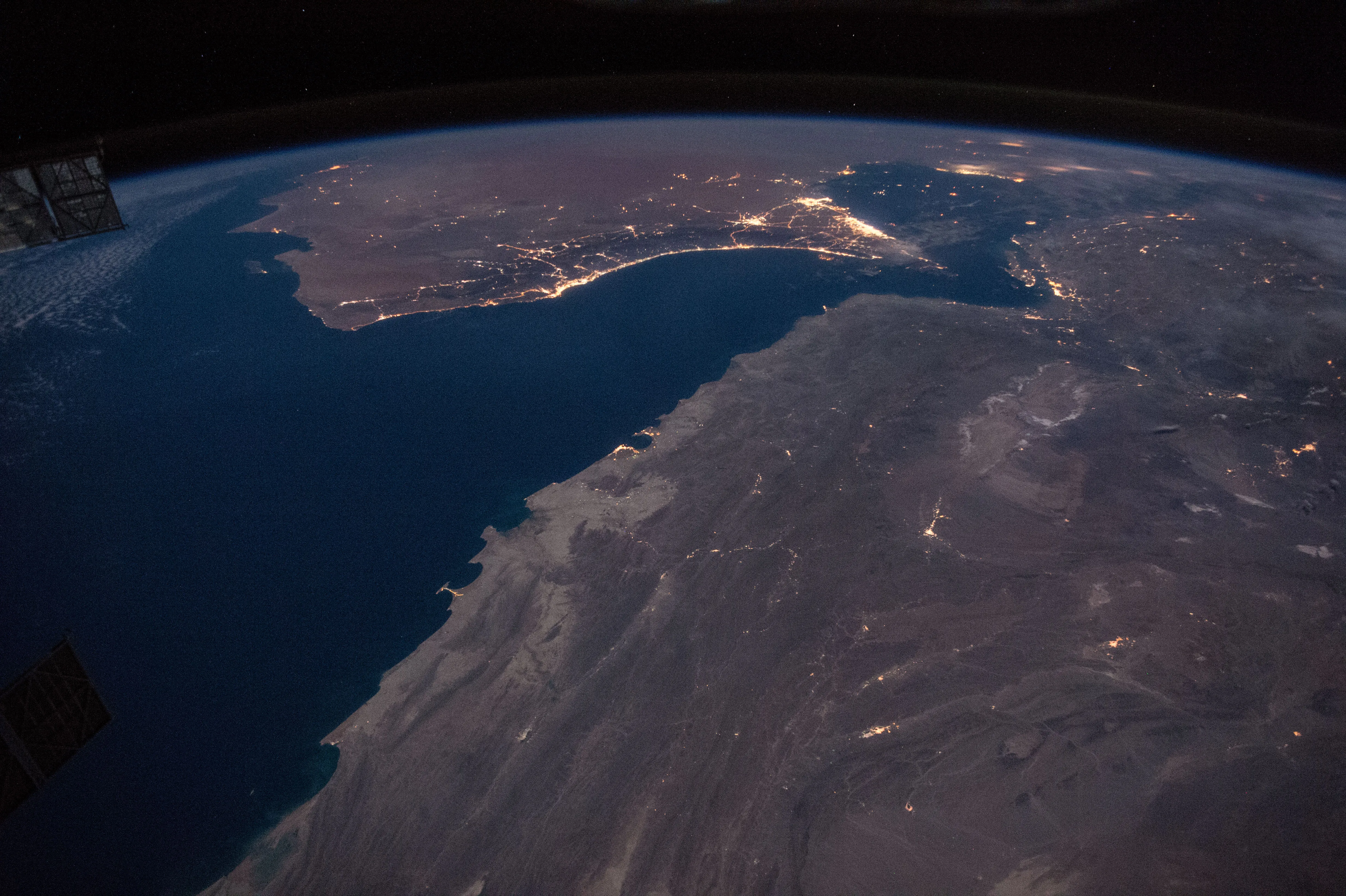
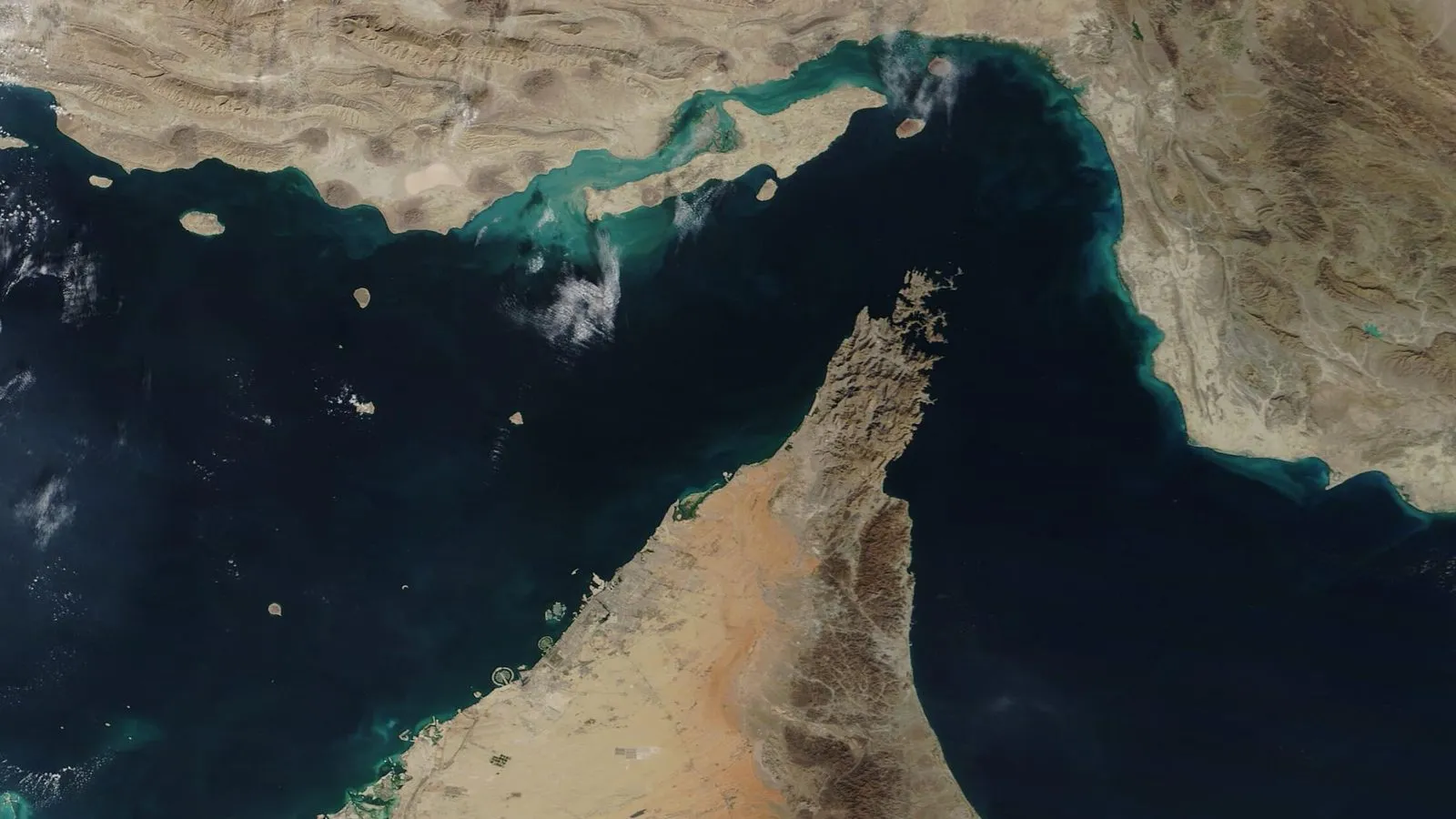
According to an Axios exclusive based on multiple officials familiar with the text, the agreement would take the form of a memorandum of understanding lasting 60 days and extendable by mutual consent. During that window, the Strait of Hormuz would reopen with no passage tolls, and Iran would be required to clear the mines it deployed in the strait since late February. In exchange, the United States would lift its naval blockade of Iranian ports and issue sanctions waivers allowing Iran to sell oil on global markets.
Trump’s Truth Social post laid out the core: “An Agreement has been largely negotiated, subject to finalization between the United States of America, the Islamic Republic of Iran, and the various other Countries. Final aspects and details of the Deal are currently being discussed, and will be announced shortly. The Strait of Hormuz will be opened.”
He said the call involved leaders from Saudi Arabia, the United Arab Emirates, Qatar, Pakistan, Turkey, Egypt, Jordan, and Bahrain — a coalition of eight regional governments that have been mediating or hosting negotiations since the ceasefire talks began in earnest after Operation Epic Fury formally concluded on May 6.
The nuclear provisions are the most complex piece. Under the draft MOU, Iran would commit to never pursuing nuclear weapons and would enter separate negotiations over a moratorium on uranium enrichment. Three officials familiar with the talks told Axios that a moratorium of at least 12 years is the working landing zone, with one source suggesting 15 years as a likely outcome. Iran had proposed five years; the United States demanded twenty. A provision being debated would automatically extend the moratorium if Iran is caught violating enrichment limits. After the moratorium expires, Iran would be allowed to enrich uranium to the low level of 3.67% — the threshold that existed before the 2025 crisis.
The principle Trump’s team has insisted on is “relief for performance”: sanctions relief would be negotiated during the 60-day window but implemented only as a final agreement is verifiably carried out. Billions in frozen Iranian funds would be part of that later relief package, not released upfront.
What Iran Says It Actually Agreed To
Tehran’s characterization is substantially different.
Iran’s Foreign Ministry spokesperson Esmail Baghaei described the emerging document as a “framework agreement” and said the 30 to 60 days ahead would be spent working through its details, not executing a finished deal. More pointedly, Baghaei said the lifting of sanctions on Iran has been explicitly included in the text as a fixed position — not a future negotiation point — and that the framework’s primary focus is ending the war on all fronts, including Lebanon.
Iran’s Fars News Agency, which is affiliated with the Islamic Revolutionary Guard Corps, went further. It called Trump’s social media post “incomplete and inconsistent with reality” and said the characterization that the Strait of Hormuz would be “reopened” misrepresents what Iran agreed to. According to Fars, Iran consented to restore vessel traffic to pre-war levels — a meaningful but limited step — not to grant the unrestricted free passage that existed before late February. The strait, Fars reported, would remain under Iranian management.
That gap is significant. Iran has consistently insisted that any agreement on the Strait cannot strip Tehran of strategic control over the waterway, which it has used as leverage since the crisis began. Whether the final text resolves that dispute or papers over it will determine whether the deal holds.
Baghaei added that nuclear issues are not part of the current phase of negotiations, with Iran characterizing the moratorium talks as a separate downstream process rather than a core element of what is being signed now. That stands in direct contrast to what U.S. officials have described to Axios and other outlets as central terms of the MOU.
Republicans Say It Would Make the War Pointless
Two senior Republican senators moved quickly to express alarm.
Sen. Lindsey Graham of South Carolina, who has tracked the Iran negotiations closely and has previously expressed mixed views on the Trump administration’s approach, warned Sunday that a deal allowing Iran to grow stronger over time would inflame conflicts in Lebanon and Iraq. “If it is perceived in the region that a deal with Iran allows the regime to survive and become more powerful over time, we will have poured gasoline on the conflicts in Lebanon and Iraq,” Graham wrote on X, adding that Hezbollah and Shia militias in Iraq would be put “on steroids.”
Sen. Roger Wicker of Mississippi, who chairs the Senate Armed Services Committee, was more direct. He called the reported 60-day ceasefire framework “a disaster,” saying the strategic gains of Operation Epic Fury would “be for naught” if the deal proceeded on the terms being described.
Their objections reflect a broader concern among hawkish Republicans: that a deal which lets Iran retain even a degraded nuclear infrastructure, reopens oil revenues, and lifts sanctions may reconstitute the same Iranian military apparatus the United States spent nearly three months trying to degrade. The administration has not publicly addressed those concerns in detail, and Senate leaders have not announced any plans for a formal authorization or review vote.
Congress does have a 60-day clock under the War Powers Resolution — a timeline that has been running since Operation Epic Fury began and that could complicate a multi-month negotiation extending past its expiration. American Courant has covered the unresolved question of congressional war powers oversight in prior reporting.
What Happens Next
Rubio said Sunday morning — while attending a Quad ministerial meeting in New Delhi with counterparts from India, Australia, and Japan — that he expected an announcement on the deal. He has been one of the administration’s primary negotiating voices on nuclear terms and emphasized that preventing Iran from ever acquiring a nuclear weapon is the core objective.
Whether a formal announcement comes Sunday or slips further depends on resolving the outstanding disputes: how to characterize strait passage, whether nuclear terms are part of the MOU or a later track, and how sanctions relief is sequenced. Gulf mediators, particularly Pakistan and Qatar, have been central to the back-channel work that got both sides close enough to announce a framework.
Even if the MOU is signed, the hard work begins immediately after. The 60-day window would have to produce a permanent agreement on uranium enrichment duration, verified removal of Iran’s highly enriched uranium stockpile, a timeline for sanctions relief, and a mechanism for handling violations. None of those questions have been settled.
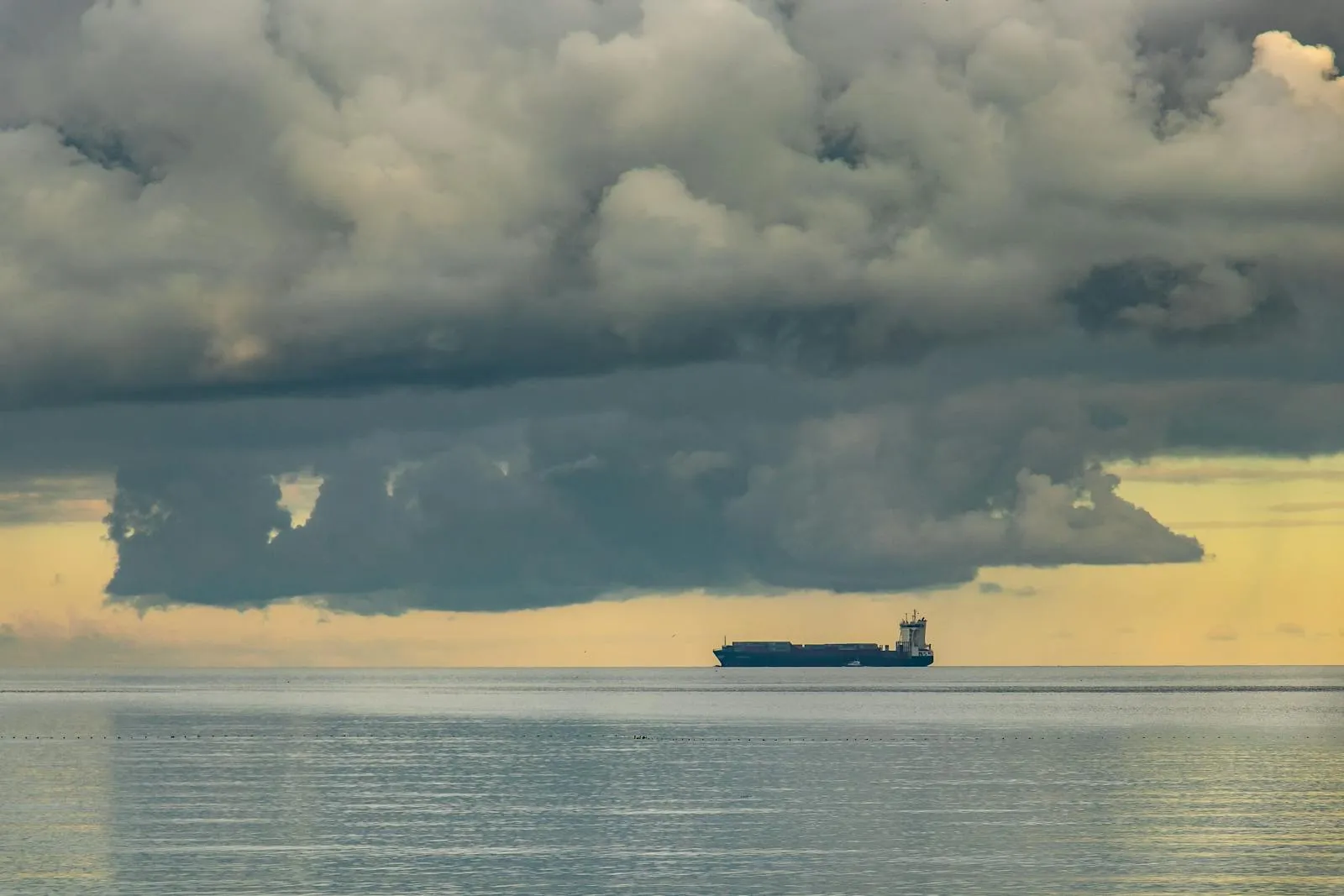
Commercial shipping through the strait has been rerouting around the Cape of Good Hope since Iran’s mine-laying campaign escalated in April, adding thousands of miles to voyages and driving up insurance premiums and fuel costs. A genuine reopening would ease those pressures almost immediately. But both sides agreeing that an agreement has been reached — and then agreeing on what that agreement actually says — remain two separate problems.
For now, Trump says a deal is done. Iran says his description doesn’t match reality. Senate hawks say the deal shouldn’t exist at all. The formal announcement, when and if it comes, will have to contend with all three.
Sources 6 cited · 3 primary
- Trump says a deal with Iran and opening of Strait of Hormuz are 'largely negotiated'
- Exclusive: What's inside the Iran deal Trump is close to signing
- Hormuz will stay under Iran's management, Trump's post 'inconsistent with reality' — Iran's Fars news
- GOP Senators Lindsey Graham, Roger Wicker blast reports of 60-day ceasefire deal with Iran
- Trump says agreement with Iran has 'been largely negotiated' and Strait of Hormuz will be opened
- Trump says Iran deal reopening Strait of Hormuz 'largely negotiated,' will be announced soon
American Courant cites its sources and links to primary documents where they exist. How we report →