Secretary of State Marco Rubio stood at the White House lectern Tuesday and said the words that had been building since late February: “Operation Epic Fury is concluded.” After 66 days, the United States formally ended the offensive phase of its air and naval campaign against Iran — a campaign that reshaped the Persian Gulf’s strategic balance even as its most consequential questions remain wide open.
“We achieved the objectives of that operation,” Rubio said. He pointed specifically to Iran’s defensive infrastructure: “Their ability to build a shield behind which they could hide their nuclear program was wiped out. That’s a very substantial achievement. And that was the purpose of this operation from Day 1.” The United States, he added, had shifted to a strictly defensive posture — “there’s no shooting unless we’re shot at first.”
Even as Rubio spoke, a cargo ship in the Strait of Hormuz was struck by an unknown projectile, according to a British maritime monitoring organization. The Strait — the 21-mile-wide chokepoint through which roughly one-fifth of the world’s seaborne oil once moved — remains contested. Iran’s stockpile of highly enriched uranium sits in reinforced underground tunnels at the Isfahan nuclear complex, unverified by any international inspector since June 2025. The offensive phase of the war may be concluded. Peace is a separate transaction.
What 66 Days of Strikes Actually Achieved
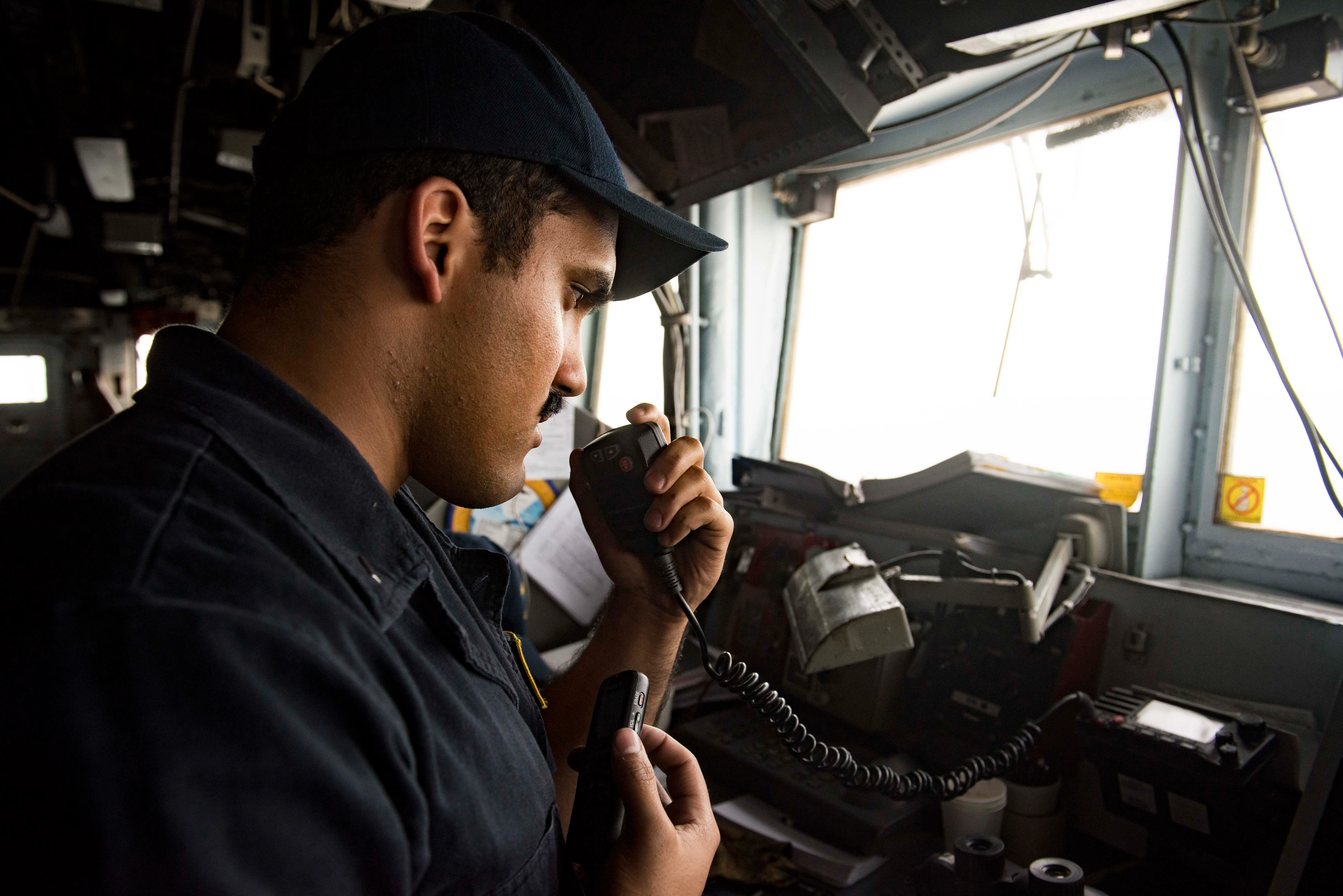
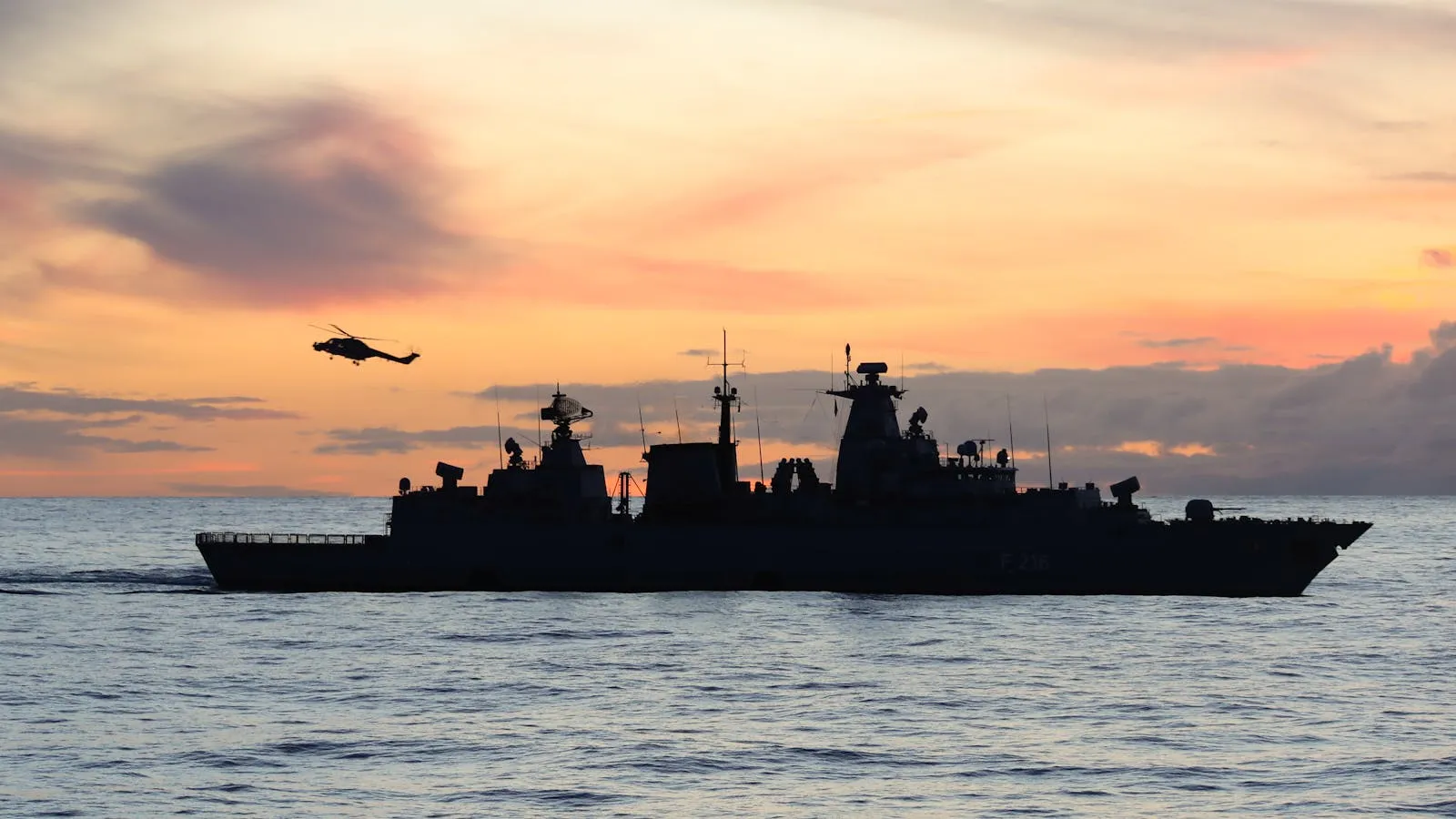
Operation Epic Fury launched February 28 as a joint U.S.-Israeli campaign following the June 2025 Israeli strikes that had failed to fully destroy Iran’s nuclear infrastructure. The expanded American campaign committed Arleigh Burke-class guided-missile destroyers, carrier strike groups, and long-range strategic bombers to a sustained offensive targeting Iran’s military infrastructure, its naval capacity to threaten commercial shipping, and the layered air and missile defense systems surrounding its main nuclear facilities.
By Rubio’s accounting, the primary military objectives were met. The three main nuclear sites — Natanz, Fordow, and Isfahan — had already been significantly damaged in the 2025 Israeli strikes, and the 2026 campaign extended that damage to the conventional military infrastructure Iran had built around them. Six Arleigh Burke-class destroyers operated independently in the Arabian Sea, conducting Tomahawk strikes in coordination with the Abraham Lincoln Carrier Strike Group.
The central limitation, which Rubio acknowledged directly, is that military strikes can degrade enrichment facilities but cannot destroy the enriched material inside them. Iran moved much of its 60-percent-enriched uranium stockpile into reinforced tunnel complexes at Isfahan before the June 2025 strikes, according to IAEA assessments and satellite analysis. That material is still there. “Part of the negotiation process has to be not just the enrichment, but what happens to this material that’s buried deep somewhere that they still have access to if they ever wanted to dig it out,” Rubio said.
What Hasn’t Changed in the Strait
Roughly 1,600 commercial vessels carrying an estimated 20,000 seafarers remain stranded inside the Persian Gulf, unable to exit since Iran’s effective blockade on maritime traffic began. The Strait of Hormuz, which had carried nearly a fifth of global seaborne oil before the conflict, has been effectively closed to regular commercial transit for months.
Iran’s attacks on the UAE’s Fujairah oil zone on May 4 — the conflict’s most serious escalation since April’s ceasefire — underscored how fragile the lull in major hostilities had been. Trump announced Project Freedom, a U.S. naval escort mission to guide trapped commercial ships through the Strait, on May 4. He paused the operation less than 24 hours later, citing “great progress” toward a comprehensive deal. Even in its brief operational window, the mission encountered immediate fire from parties not always readily identified.
Rubio drew a direct line from the Strait to the negotiating table. “Under no circumstances can we live in a world where we accept that this is normal — that you have to coordinate with Iran, you have to pay them a toll in order to go through the Straits of Hormuz,” he said. The U.S. position is that any agreement must establish free commercial passage as a matter of international law, not as a courtesy Tehran can extend or revoke at will.
The Sequencing Dispute at the Heart of the Talks
The most immediate obstacle between Wednesday’s declaration and a signed agreement is a disagreement over what gets settled first. Iran’s Foreign Ministry spokesman Esmaeil Baghaei has been explicit: the war must end, the U.S. naval blockade must be lifted, frozen Iranian assets must be released, and the Strait must be operationally reopened — all before any nuclear talks begin. “At this stage, we do not have nuclear negotiations,” Baghaei said after Iran submitted its 14-point counter-proposal to Washington via Pakistan.
The one-page memorandum of understanding Axios reported Wednesday is near completion would, in the American conception, declare the war over and simultaneously trigger a 30-day negotiation period covering both the Strait’s operational terms and the nuclear program’s future. That combined framing is precisely what Tehran has publicly rejected. Iran wants to secure the end of hostilities and the Strait’s reopening before consenting to nuclear constraints it views as a separate, longer-term conversation.
Rubio’s formal declaration that Epic Fury is “concluded” may be a deliberate signal designed to give Iranian leaders political cover — the offensive chapter is closed, which means Tehran would not be seen negotiating under active bombardment. Whether that framing lands productively in Tehran depends on how internally divided Iranian leadership actually is. The White House believes the split is real, and that a credible response would arrive within 48 hours.
The Nuclear Stockpile Question That Won’t Close
Whatever Strait settlement is reached, the fate of Iran’s enriched uranium stockpile is the issue that will define any deal’s long-term credibility. IAEA Director General Rafael Grossi said in late April that much of Iran’s 60-percent-enriched uranium is “likely still at Isfahan” — but international inspectors cannot verify the quantity, condition, or movement of the material. Iran suspended cooperation with the IAEA when Israel launched its 12-day war in June 2025, and that suspension has never been lifted.
The immediate negotiating gap is over duration. The United States entered talks demanding a 20-year moratorium on uranium enrichment. Iran has offered five years. Discussions have gravitated toward a 12-to-15-year freeze, according to multiple reports, but nothing has been formally agreed. Rubio’s specific framing — not just enrichment, but “what happens to this material” — signals that the administration wants the existing stockpile addressed in any final agreement, not merely a forward-looking cap on new enrichment.
This is the hardest problem on the table. Iran has approximately 440 kilograms of 60-percent-enriched uranium, enough to theoretically produce multiple crude weapons if further processed to weapons grade. The question of where that material goes — whether it leaves Iran, is diluted to lower enrichment levels, or simply remains under enhanced inspection — is the one Rubio left deliberately unanswered when he declared the offensive concluded.
What the Next 48 Hours Decide
Iran has roughly 48 hours to respond to the U.S. draft memorandum. If Tehran accepts or offers a credible counter, a 30-day negotiation window begins in which both sides work through specifics: nuclear moratorium duration, IAEA access protocols, Strait operational terms, sanctions relief, and the release of frozen Iranian assets. If Tehran stalls or refuses, Trump has been direct about the consequence — strikes at “a much higher level and intensity than before.”
The formal end of the offensive phase also changes the constitutional posture in Washington. The Senate failed to pass six consecutive war powers resolutions that would have required congressional authorization for the campaign, and Republicans largely backed the White House. Trump declared in early May that “the hostilities have terminated,” invoking that language specifically to argue the 60-day War Powers clock had stopped. A defensive posture — escort operations, convoy protection, returning fire when fired upon — is considerably easier to sustain without a formal Authorization for Use of Military Force than a sustained offensive air campaign.
The operational campaign that began February 28 is, by the U.S. government’s official account, over. What comes next — a negotiated settlement that reopens the Strait, accounts for Iran’s nuclear stockpile, and formally closes three months of conflict — will be determined by what Tehran puts on paper in the next two days.
Sources 6 cited · 1 primary
- Rubio says operation in Iran is 'over,' nuclear material 'has to be addressed'
- Rubio Says 'Epic Fury' Is Over, as Flare-Ups in Strait of Hormuz Tests Fragile Ceasefire
- Operation Epic Fury has ended: Is the Iran war over?
- US, Iran closing in on one-page memo to end war, officials say
- IAEA's Grossi: Much of Iran's Enriched Uranium Likely Still at Isfahan
- Has the US accepted Iran's demand to settle Hormuz first, nuclear later?
American Courant cites its sources and links to primary documents where they exist. How we report →