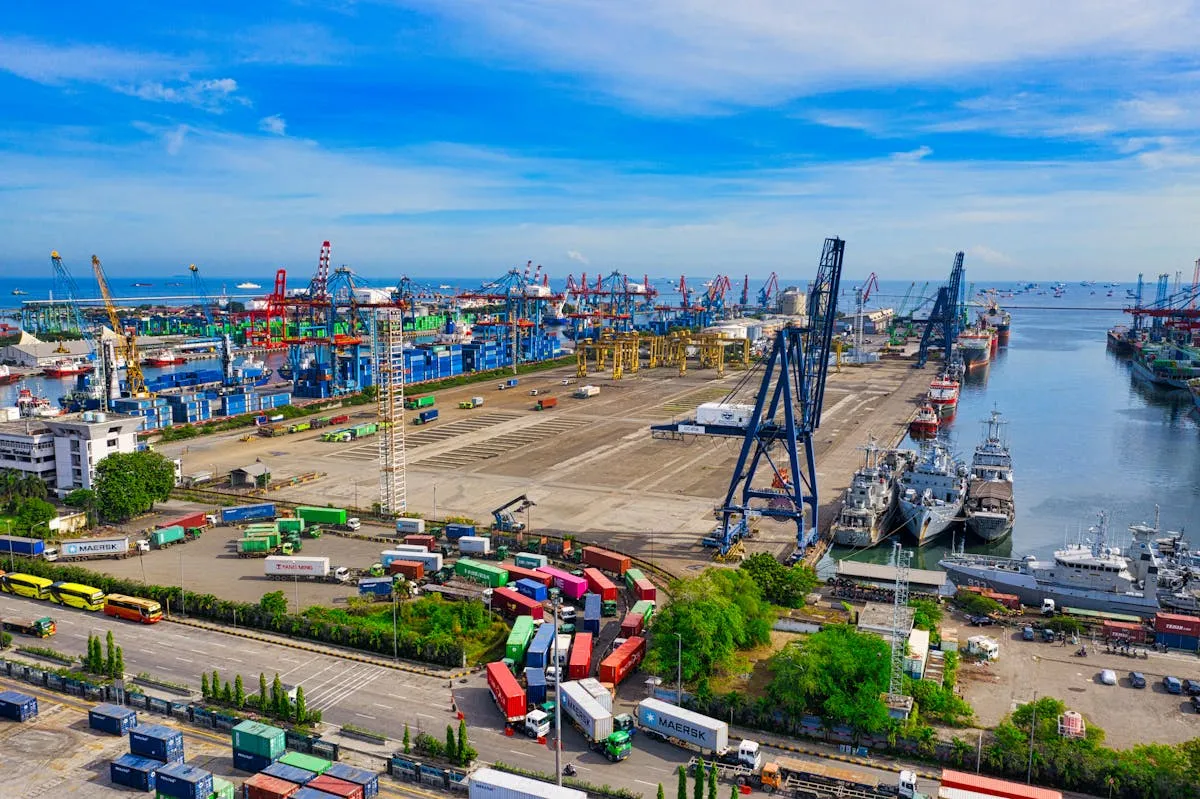
Iran fired 12 ballistic missiles, three cruise missiles, and four drones at the United Arab Emirates on Monday, setting an oil industrial zone in Fujairah ablaze, wounding three Indian workers, and sending Brent crude surging nearly 6 percent in what analysts and regional governments called the conflict’s most serious escalation since the April ceasefire.
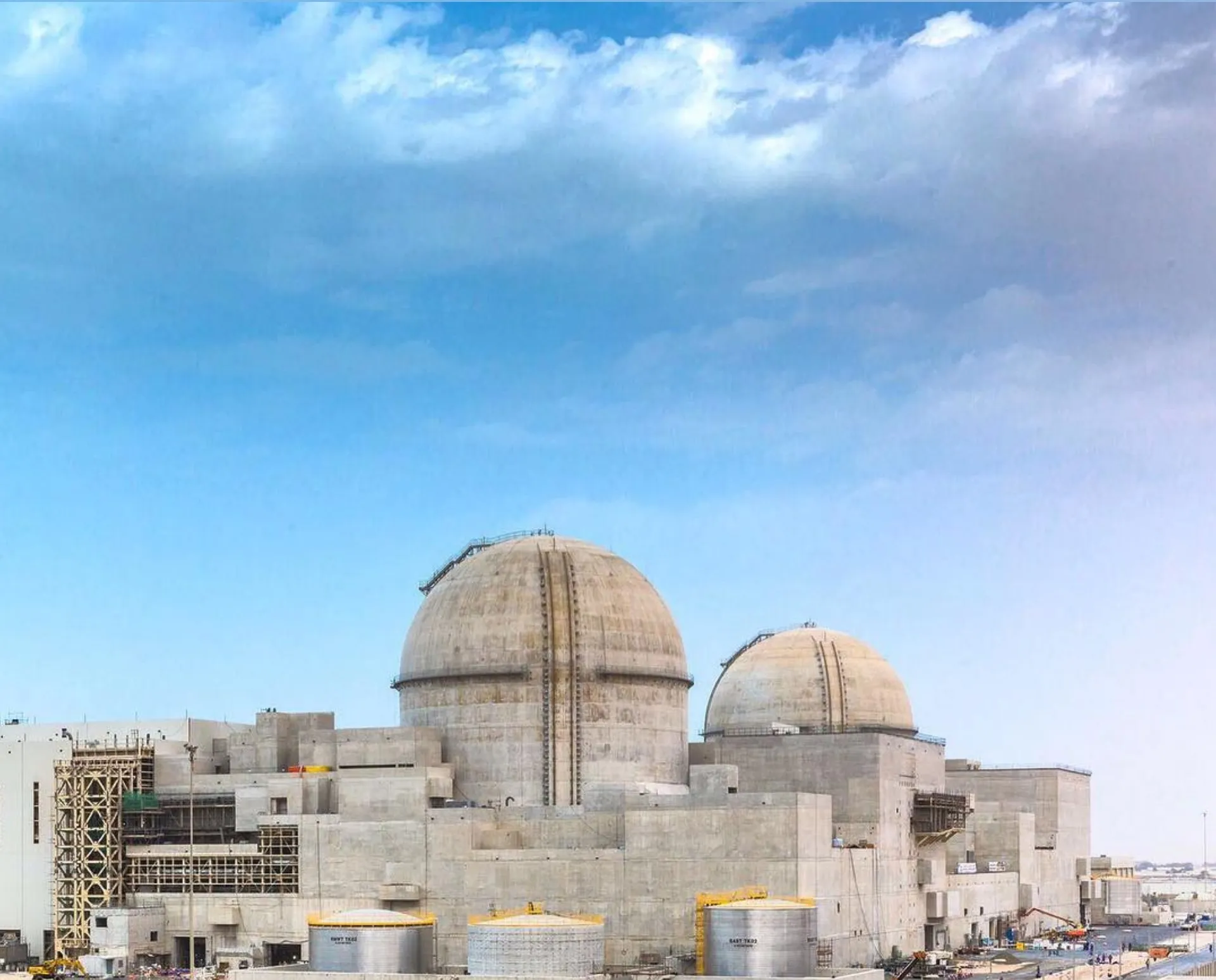
The UAE’s military said its air defense systems intercepted 19 projectiles throughout the day, but one drone broke through and sparked a fire at the Fujairah Petroleum Industries Zone — a sprawling oil storage and refueling complex on the UAE’s east coast. Fujairah’s local authorities said the fire was contained. Schools and universities across the emirate shifted to remote learning as a precaution, and authorities briefly restricted commercial airspace over the region.
Brent crude closed at $114.44 a barrel, up 5.8 percent on the day. West Texas Intermediate climbed to $107.46. Global equity indices fell sharply on fears the conflict was spreading beyond the Strait of Hormuz into the broader Gulf.
Why Iran Targeted Fujairah
The choice of target was deliberate. Fujairah sits on the Gulf of Oman, roughly 70 nautical miles east of the Strait of Hormuz — which means oil loading at Fujairah can bypass the strait entirely.
The UAE built a 1.8-million-barrel-a-day pipeline specifically for this purpose. It runs from onshore oil fields in Abu Dhabi to the Fujairah terminal, giving the UAE a route to export crude even if the strait is closed. The port also holds roughly 18 million cubic meters of refined fuel and crude in storage, making it one of the world’s largest bunkering hubs.
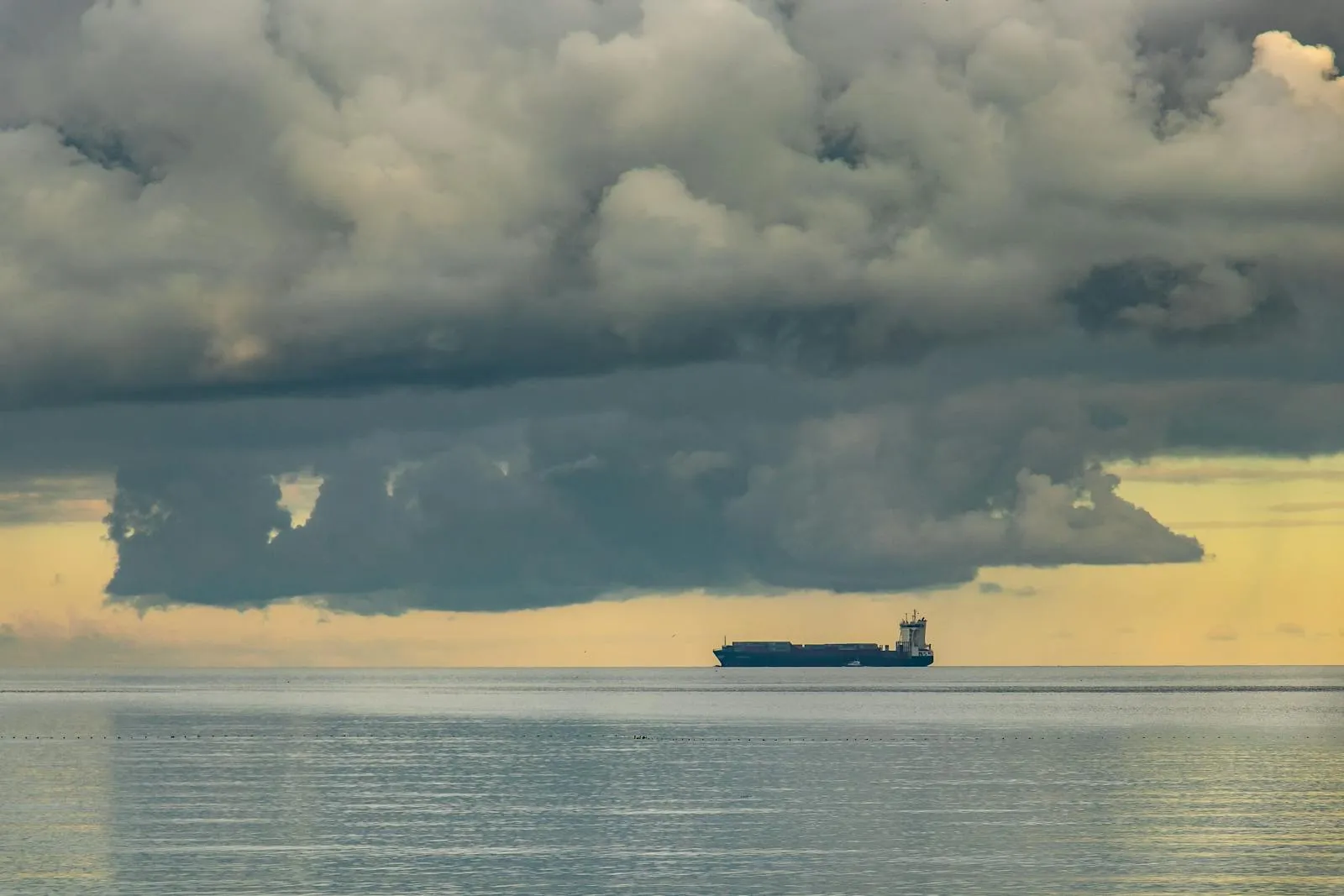
Iran has kept the Strait of Hormuz largely closed to commercial shipping since the conflict began. By striking Fujairah, it sent a clear message: the UAE’s workaround was no longer safe either. Last week, the UAE announced it was leaving OPEC after nearly 59 years, freeing it to pump oil at full capacity — a decision that may have contributed to Iran’s decision to apply new pressure on its neighbor.
The International Energy Agency had already characterized the broader disruption as “the largest supply disruption in the history of the global oil market.” Earlier attacks on tankers in the strait last month made the scale of the crisis plain, but Monday’s assault — reaching onto UAE soil and targeting the one export route designed to withstand a Hormuz closure — marked a new phase.
What the UAE Said
The UAE’s Ministry of Foreign Affairs condemned what it called “renewed terrorist, unprovoked Iranian attacks targeting civilian sites and facilities in the country.” The ministry said the UAE “reserves its full and legitimate right to respond.”
In a separate statement issued the same day, the ministry condemned the Iranian targeting of an ADNOC national carrier in the Strait of Hormuz, calling the attack “a flagrant violation of UN Security Council Resolution 2817” and describing the use of the strait as an instrument of economic coercion as “acts of piracy by Iran’s Revolutionary Guard Corps.”
Saudi Crown Prince Mohammed bin Salman contacted UAE President Mohammed bin Zayed Al Nahyan by phone and condemned the strikes as “unjustified Iranian attacks targeting the sisterly United Arab Emirates,” according to the Saudi state press agency. He reaffirmed Riyadh’s full support for Abu Dhabi’s security and sovereignty.
Across the region, Gulf capitals issued statements of condemnation. Bahrain, Kuwait, and Qatar — all of which have their own exposure to Iranian air power — called the attacks a “dangerous escalation” and reaffirmed support for UAE territorial integrity.
Trump’s Response, and Washington’s Silence on the Ceasefire
President Trump made clear where his red line sits: American ships, not UAE territory.
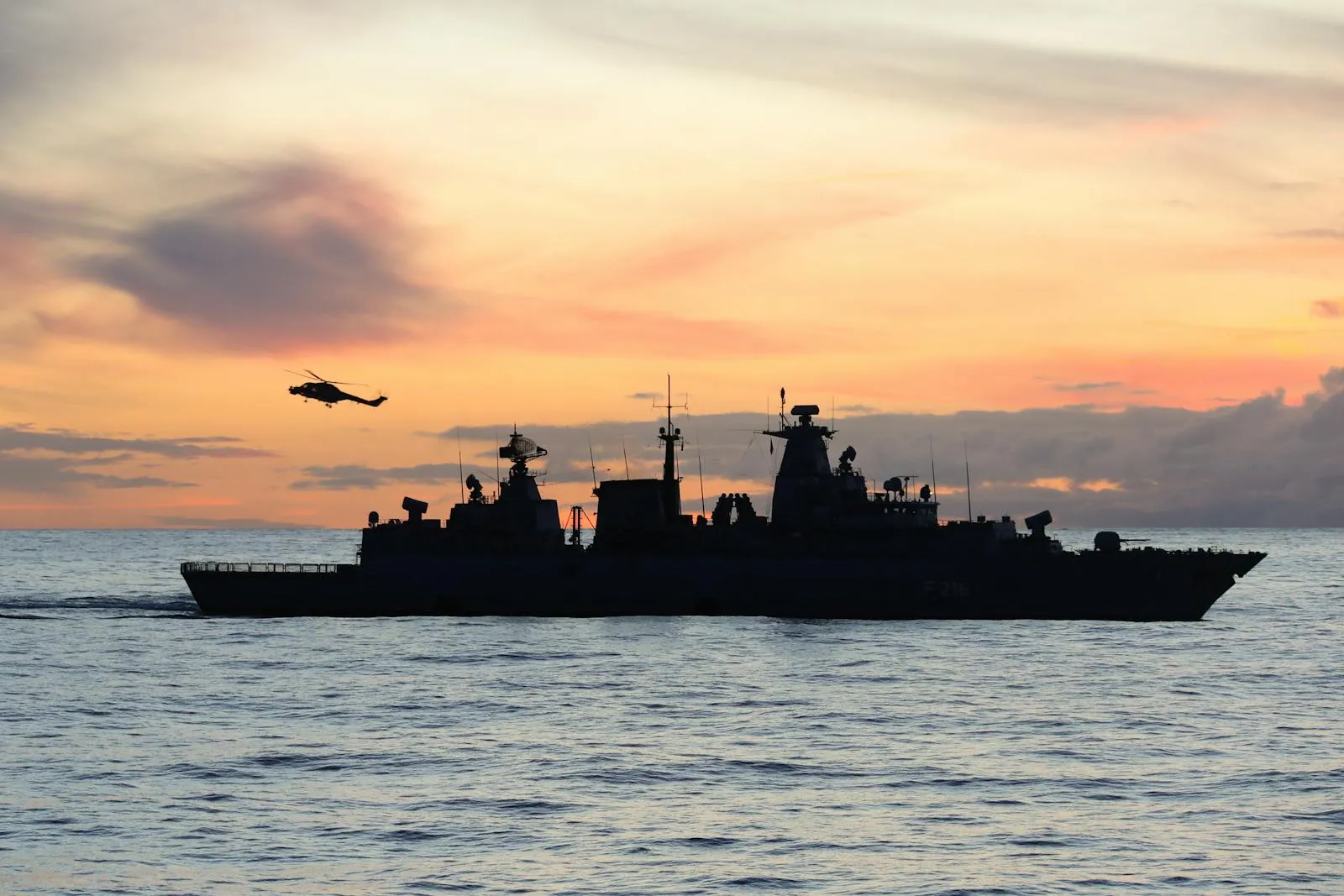
Speaking to Fox News on Monday, Trump warned that Iran would be “blown off the face of the earth” if it attacked American vessels protecting commercial ships navigating the strait. He was describing “Project Freedom” — a US Navy mission to escort commercial ships through the Strait of Hormuz that launched earlier in the week.
Trump did not say the ceasefire had been violated. Defense Secretary Pete Hegseth told reporters the ceasefire was “holding for now” — an assessment that struck many observers as a strained reading of a day that included a fire at a Gulf oil facility and 19 incoming projectiles aimed at a US partner state.
US Central Command confirmed that American forces sank six Iranian small boats that had been threatening commercial vessels during the day’s engagements in the strait. CENTCOM did not characterize the action as a ceasefire violation.
The restraint in Washington’s language reflects a genuine dilemma. The administration negotiated the April 8 ceasefire as a political achievement and has a diplomatic stake in keeping it alive. Formally declaring it dead would require either escalating or retreating — and neither option is one the White House has publicly embraced. The war’s contested legal standing in Congress further narrows the administration’s room to maneuver.
Iran offered its own framing. Tehran argued that Project Freedom — the US Navy escorting ships through what Iran still considers a contested waterway — was itself a ceasefire violation, and that Monday’s strikes were a defensive response. The US and Iran have offered incompatible accounts of what the truce actually permits, leaving both sides able to claim the other fired first.
A Ceasefire in Name Only
The April 8 agreement, brokered through Pakistan, had already been fraying for weeks. Direct talks in Islamabad on April 11 produced no lasting agreement. Iran’s nuclear program and its stranglehold over Strait of Hormuz shipping remained unresolved. Both sides accused the other of infractions throughout April.
The 60-day War Powers deadline passed on May 1 with Congress still unable to force a vote authorizing or ending the conflict. The White House argued the ceasefire paused the clock on the legal deadline; congressional Democrats disagreed, and forced procedural votes that fell short of the threshold needed to compel a formal response from the executive branch.
The Pentagon has disclosed a cumulative cost of $25 billion for US operations in Iran as of late April. That figure predates Monday’s escalation and the additional munitions, patrol deployments, and defensive operations it will require. According to the UAE Ministry of Defence, Emirati air defense systems had already engaged more than 549 ballistic missiles, 29 cruise missiles, and 2,260 drones since the conflict began — Monday’s salvo was one day’s contribution to that running total.
What began as a US effort to prevent Iran from acquiring a nuclear weapon has evolved into a grinding, open-ended conflict over who controls the world’s most important oil shipping lane.
What Comes Next
The two most immediate questions are whether the ceasefire formally collapses and whether the UAE retaliates.
The UAE has not engaged in offensive action during the conflict, relying on its air defenses and diplomatic pressure. But the MoFA’s language Monday — “full and legitimate right to respond” — was harder-edged than previous statements. Whether that signals a genuine shift in posture or standard diplomatic positioning is not yet clear.
For oil markets, Monday’s move sets a new floor rather than a ceiling. The Fujairah petroleum zone absorbed one drone strike and continued operating. If Iran scales up attacks on the facility or disrupts the Abu Dhabi–Fujairah pipeline, analysts warn that Brent crude could climb past $120 a barrel with limited near-term relief, given how little spare export capacity exists outside the Gulf and how fully warehoused strategic petroleum reserves already are.
For the United States, the question is whether Project Freedom — now operating under Iranian fire — can continue without broadening into direct military confrontation. American sailors are engaged in daily skirmishes with Iranian fast boats in the strait. A direct Iranian hit on a US warship would almost certainly trigger the kind of response Trump has publicly promised, making the current state of managed escalation extremely fragile.
The ceasefire may still technically exist on paper. But Monday’s strikes on Fujairah’s oil zone have left it looking less like a truce and more like a brief pause between rounds.
Sources 6 cited · 1 primary
- UAE Strongly Condemns Targeting of ADNOC National Carrier While Transiting Strait of Hormuz
- UAE accuses Iran of attacks as 'large fire' breaks out at oil refinery
- Iran attacks UAE; U.S. says it sank boats in Strait of Hormuz
- UAE intercepts 12 ballistic missiles, three cruise missiles and four drones from Iran; Schools, universities go online
- Oil Surges After Iran Strikes Energy Facility in UAE's Fujairah
- U.S. tries to open Hormuz Strait as UAE says Iran attacked it
American Courant cites its sources and links to primary documents where they exist. How we report →