The United Arab Emirates announced Monday it was leaving OPEC effective May 1, giving the cartel three days’ notice and ending nearly 59 years of membership that began when Abu Dhabi joined the group in 1967.
The exit is the most consequential departure from the cartel in decades. The UAE accounts for roughly 12 percent of OPEC’s output and about 4 percent of global oil supply — making it the organization’s third-largest producer.
“The time has come to focus our efforts on what our national interest dictates and our commitment to our investors, customers, partners and global energy markets,” the UAE energy ministry said in announcing the exit.
A capacity gap years in the making
The break has been building for years. ADNOC, Abu Dhabi’s national oil company, spent $150 billion over the past six years expanding the UAE’s production capacity by roughly 40 percent. The country can now pump 4.85 million barrels per day and is targeting 5 million by 2027.
Its OPEC+ quota kept it capped at 3.2 to 3.4 million barrels per day — nearly 30 percent below what it can actually produce.
Energy Minister Suhail Al Mazrouei described the decision as “purely a policy move” driven by the country’s long-term production strategy. He told Reuters it reflected “a careful look at current and future policies related to level of production.” The UAE gave no advance notice to other OPEC members, including Saudi Arabia, before making the announcement.
The strain between Abu Dhabi and the Saudi-led cartel erupted publicly in July 2021, when the UAE refused to agree to extended production cuts unless its quota baseline was updated to reflect its expanded capacity. That standoff lasted two weeks before Saudi Arabia agreed to a partial adjustment. The core tension was never fully resolved.
Al Mazrouei offered a conciliatory tone on departure. “This has nothing to do with any of our brothers or friends within the group,” he said. “We have the highest respect for the Saudis for leading OPEC.”
Timing and the Iran war
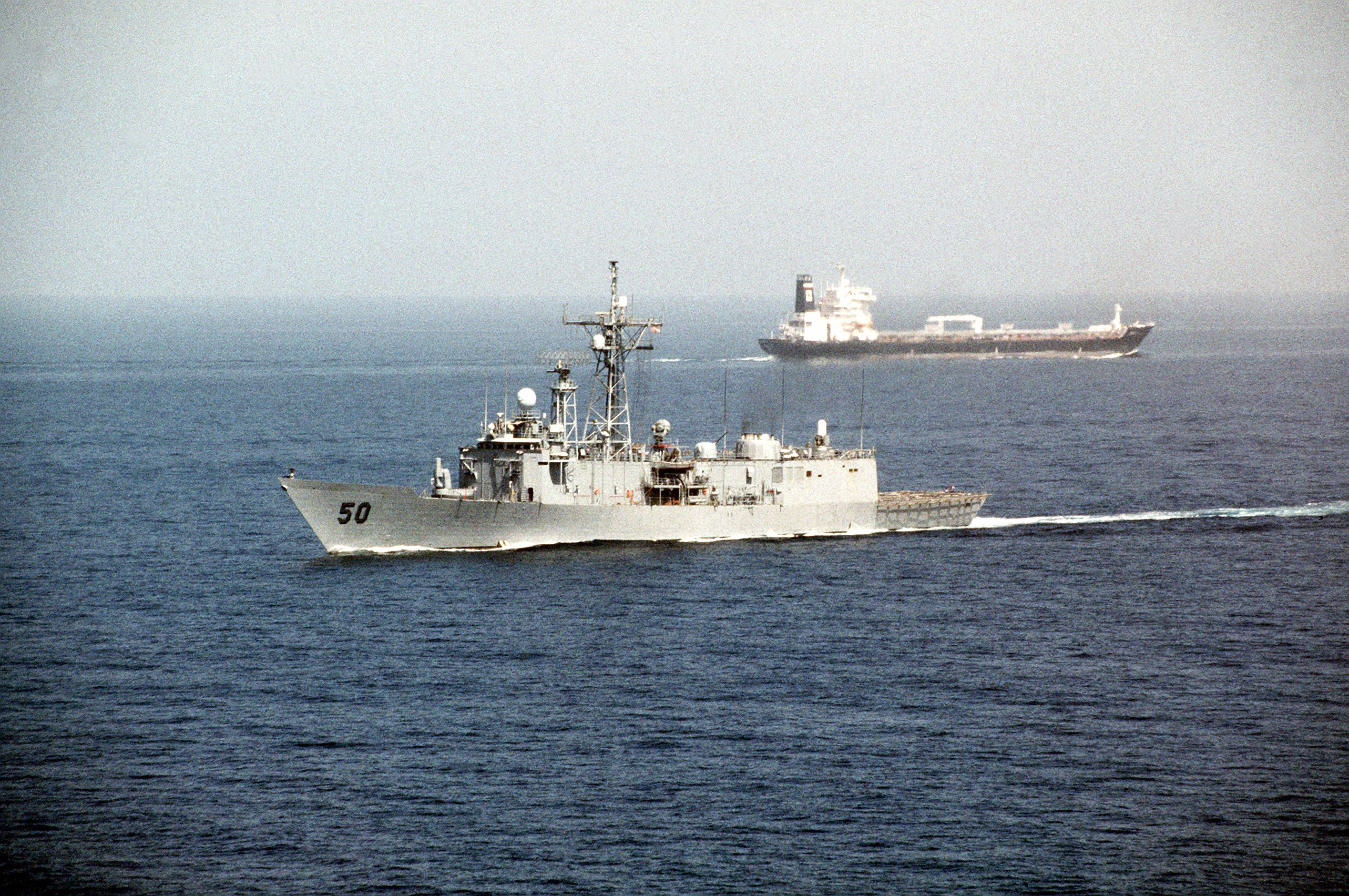
The announcement also arrives during active conflict. Iranian attacks on Gulf shipping in recent weeks have disrupted UAE export routes and strained the financial logic of staying quota-constrained while managing the economic fallout from the Hormuz crisis.
The exit came days after U.S. Treasury Secretary Scott Bessent publicly backed an emergency dollar swap line for Abu Dhabi of approximately $20 billion before the Senate — a move financial analysts described as Washington reinforcing Gulf alliances outside the traditional Saudi-centered energy order.
What OPEC loses
OPEC’s share of global oil supply falls from roughly 30 percent to about 26 percent with the UAE gone. Saudi Arabia, now without its key ally in managing internal quota disputes, absorbs more of the burden of market stabilization alone.
The spare capacity loss may matter more than the headline output numbers. The UAE held the second-largest spare production capacity inside OPEC, behind Saudi Arabia. That buffer is now a freely deployable national asset rather than a collective stabilization lever the cartel can manage.
Brent crude was trading near $110 per barrel at the time of the announcement, already elevated by the ongoing disruption to Gulf shipping lanes. The UAE’s freedom to raise output could add meaningful supply to a market short on it, though any production ramp-up will take months to fully materialize.
Who might follow
Kazakhstan and Nigeria have been named most frequently by analysts as the countries most likely to weigh similar exits. Both have repeatedly overproduced their OPEC+ quotas and both have ambitions to expand output.
The precedent matters. Qatar left OPEC quietly in December 2019, but it is a gas economy with limited crude production. The UAE’s departure is a different magnitude, and the political cost of leaving the cartel has now been visibly reduced for any member running similar calculations.
Saudi Arabia had not issued a public response to the exit as of Tuesday night.
Sources 7 cited
- The United Arab Emirates is quitting OPEC oil cartel after nearly 60 years
- UAE quits OPEC in blow to cartel that could reshape global oil markets
- UAE to Leave OPEC in May as Iran War Reshapes Oil Market
- United Arab Emirates to leave OPEC May 1, energy chief says still committed to oil price stability
- UAE leaves OPEC in blow to oil cartel during war on Iran
- UAE quits OPEC: What that means for the Gulf, energy markets and beyond
- UAE's shock OPEC exit: What it means for the oil cartel's future and for crude prices
American Courant cites its sources and links to primary documents where they exist. How we report →