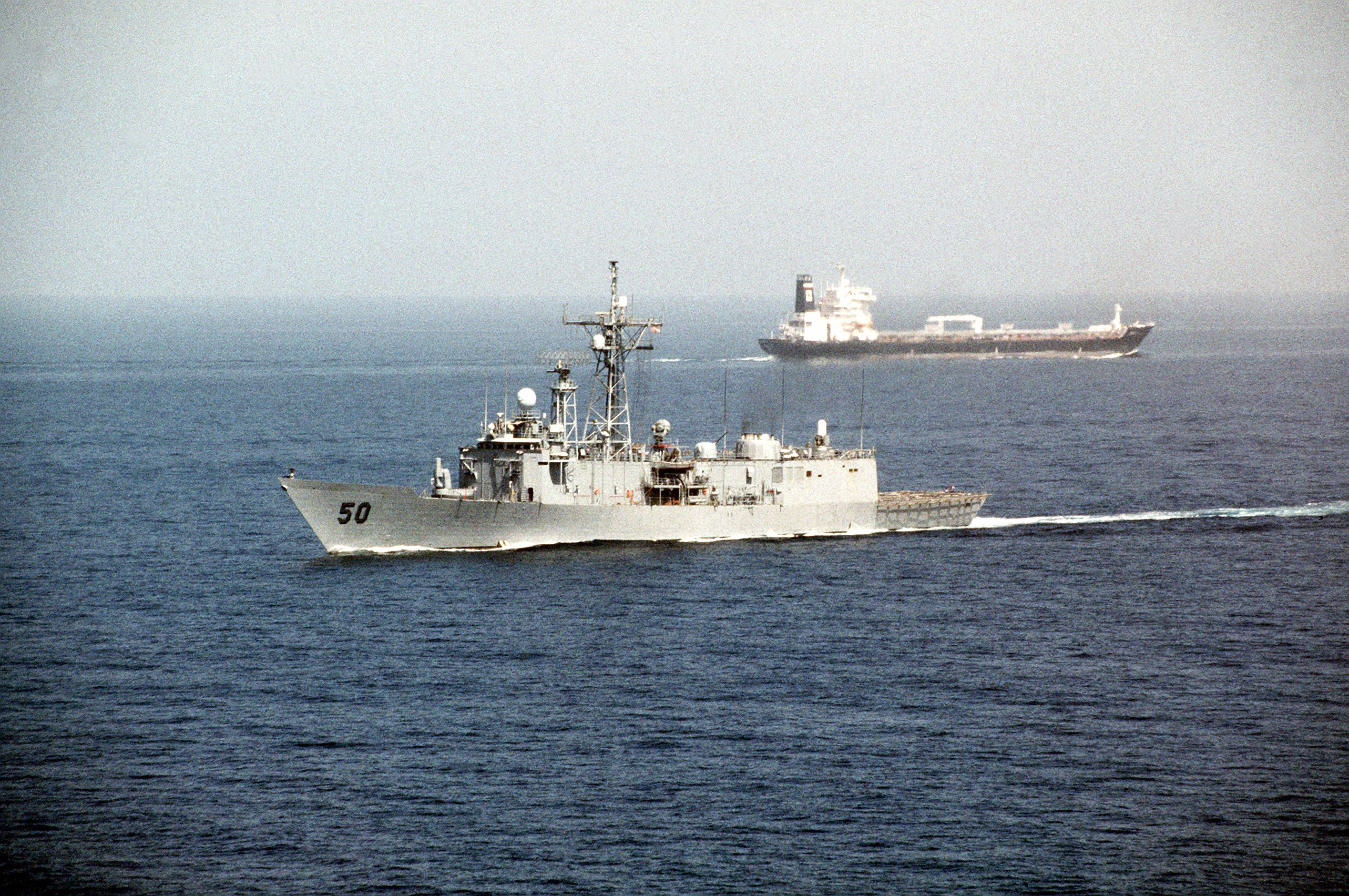
President Trump said Wednesday that the U.S. military had been quietly slipping oil tankers through the Strait of Hormuz for weeks, under Iran’s nose, in an operation he called a “secret mission.” The numbers he attached to it were enormous: more than 100 million barrels of oil and more than 200 commercial ships, he wrote, moved safely through the world’s most contested chokepoint.
By Wednesday night, his own government was describing something far smaller.
The gap between the president’s account and the one offered by U.S. officials is the story. Trump portrayed a clandestine wartime convoy run that beat an Iranian blockade. Officials, speaking to reporters, described a coordination effort in which shippers could call U.S. Central Command for guidance on when and where to transit — and put the number of vessels actually guided through at roughly 70 as of late last month, not 200. When Trump’s own energy secretary was asked about the 100 million barrels, he said he was unaware of it.
What Trump claimed
The president laid out the operation on Truth Social. “Last month, I directed our Great U.S. Military to execute a secret mission to support Oil Tankers and other Commercial Ships through the Strait of Hormuz,” he wrote, before citing the figures of “more than 100 MILLION Barrels of Oil” and “more than 200 Commercial Ships.” He framed it as a reason oil prices had not spiked higher, saying crude had hovered closer to $90 a barrel in recent days rather than holding above $100, as it did in the opening weeks of the U.S.-Israel war on Iran.
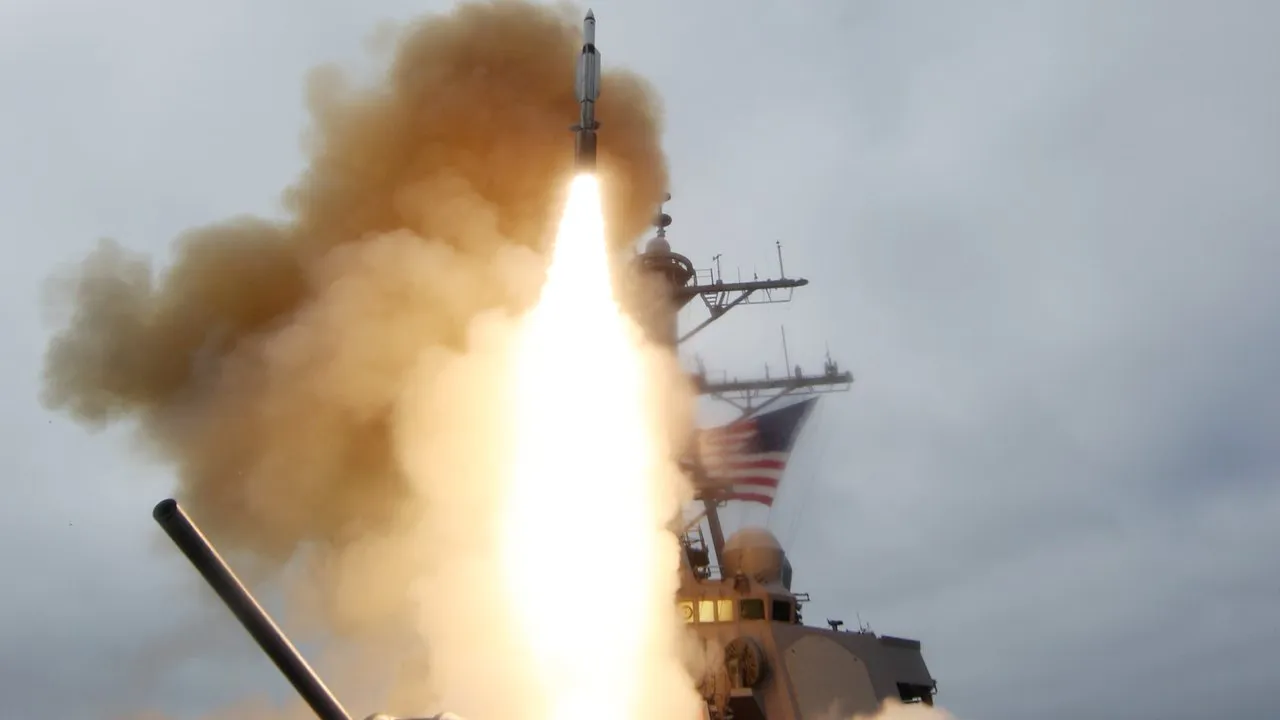
Earlier in the day, in the Oval Office, Trump went further, describing a nighttime action against Iranian vessels. “We took out the other night 22 ships late at night with no lights, because they don’t have any radar, because we blasted the crap out of it,” he told reporters. He did not provide evidence for the strike, and the Pentagon did not announce any such engagement.
The president has repeatedly cast himself as the figure keeping the strait — and global energy markets — from coming apart. That framing tracks with American Courant’s earlier coverage of the CENTCOM strikes on Iranian mine-laying boats near Hormuz, which sent crude briefly to $100 and drew a retaliation threat from Tehran.
What the record shows
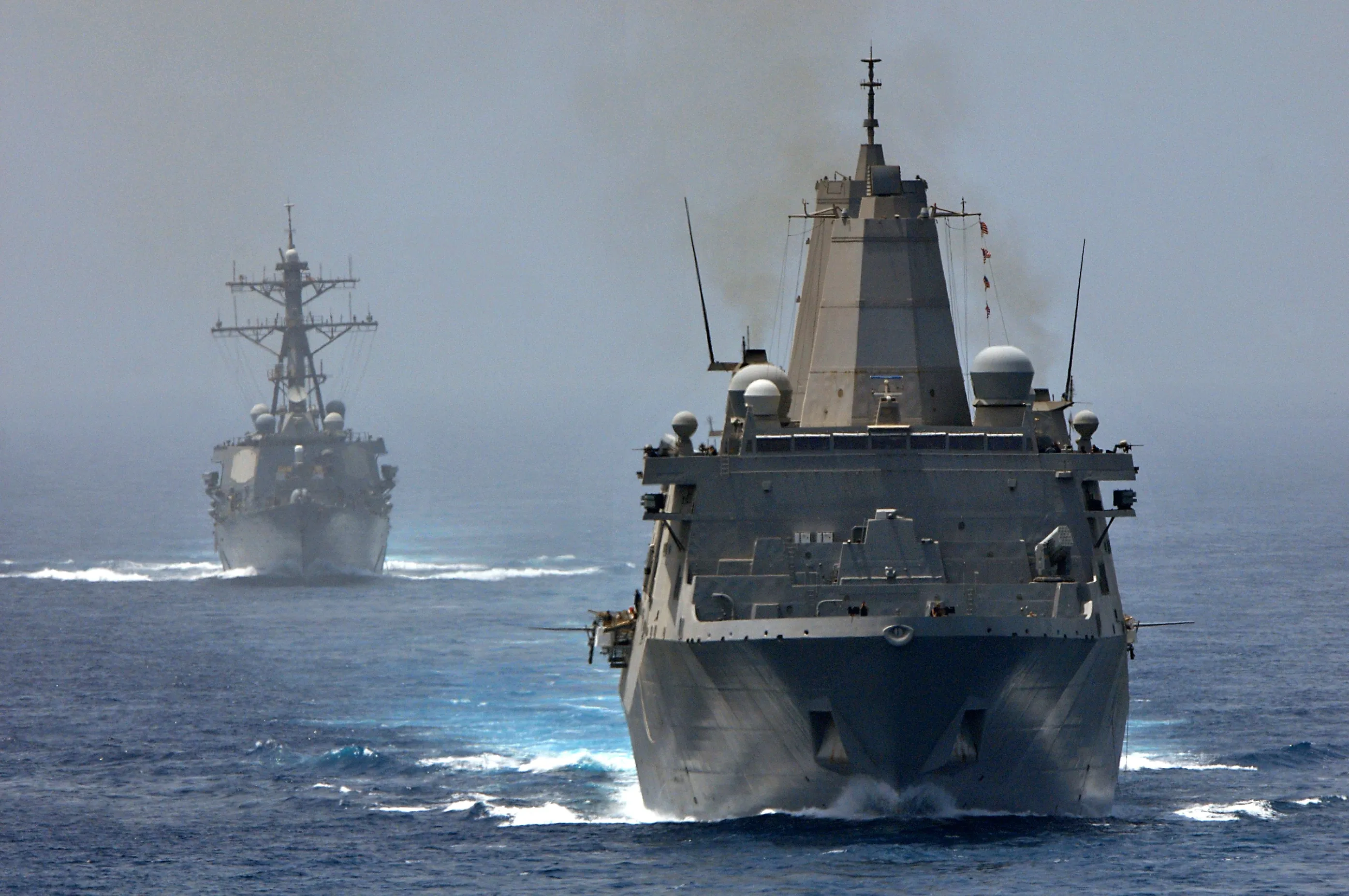
The coordination effort Trump appears to be describing was first reported by The New York Times and confirmed by ABC News. Under it, commercial shippers could contact U.S. Central Command and receive information about safe transit windows and routes through the strait. ABC reported that, as of late last month, approximately 70 commercial ships had been guided through that way — a fraction of the 200-plus Trump cited, and a process built on information-sharing rather than the armed escort his language implied.
The 100 million-barrel figure drew the most skepticism. A very large crude carrier — the workhorse of Gulf oil exports — holds roughly 2 million barrels when fully laden. Moving 100 million barrels would therefore mean shepherding the equivalent of about 50 such supertankers through a mined, surveilled chokepoint without detection, on top of the smaller product tankers that make up much of the strait’s traffic. Analysts noted the arithmetic does not square easily with a covert operation, and suggested the president may have been conflating the advisory program with a separate set of seized or interdicted vessels, or with the cumulative cargo of every ship that has transited since the war began.
The discrepancy was not limited to outside critics. British outlet IBTimes characterized the claim as facing “awkward maths” from within Trump’s own administration, given the distance between the president’s figures and what officials would confirm on the record. The White House did not release a ship-by-ship manifest, a barrel count, or operational details that would let the numbers be checked independently.
The clearest signal of the disconnect came from inside the administration. Asked Wednesday about the 100 million barrels, Energy Secretary Chris Wright said he was unaware of any such removal. For the cabinet official whose department tracks national oil flows to have no knowledge of an operation the president described as historic underscored how much of the claim rested on Trump’s word alone.
Why the strait became a war zone
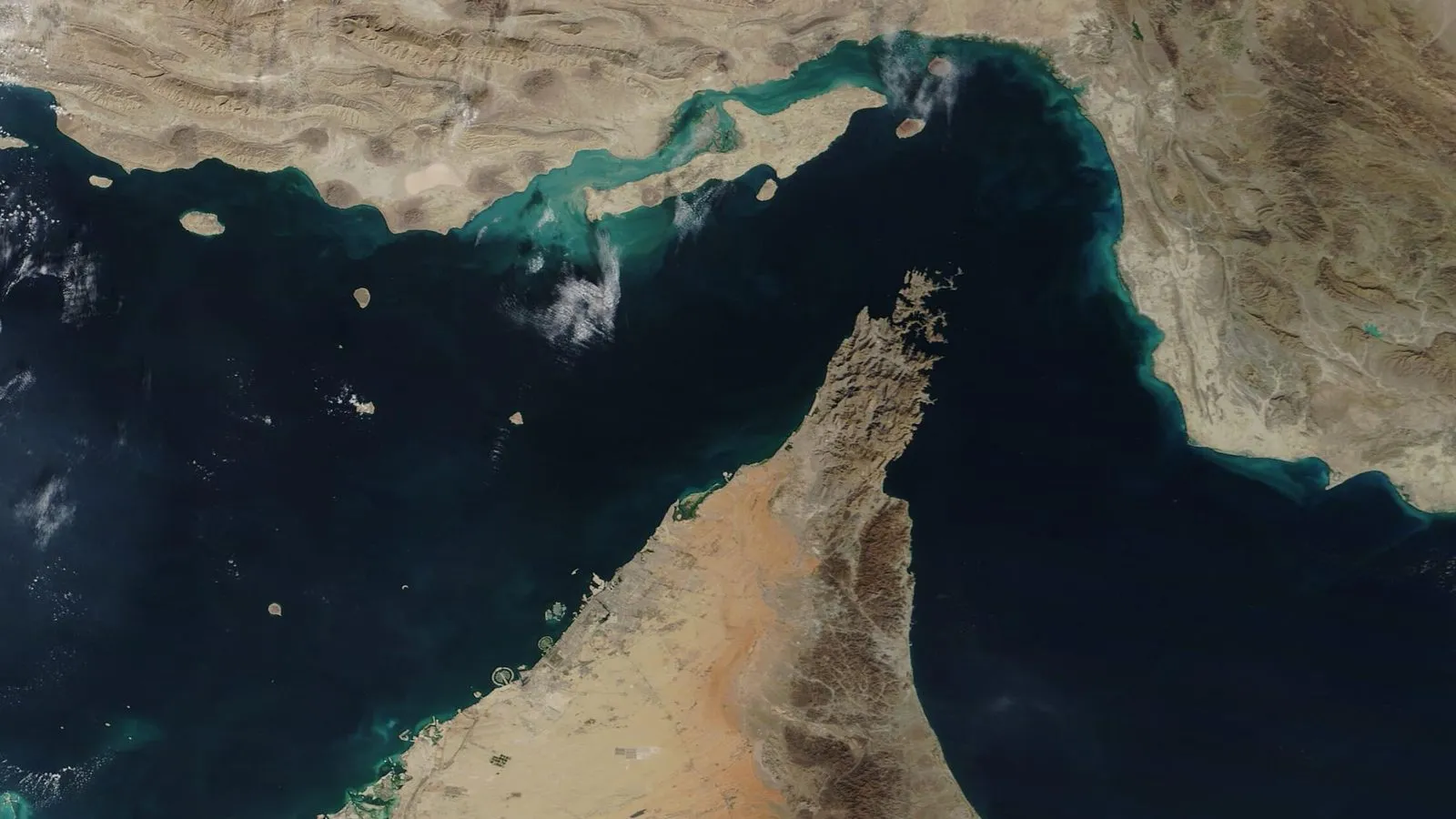
The Strait of Hormuz normally carries about a fifth of the world’s seaborne oil, and its disruption is the central economic fact of the war. The waterway has been largely choked since early March, after the United States and Israel struck Iran in late February. Tehran responded by attacking tankers and mining the sea lane, sending traffic plunging and triggering one of the largest oil-supply disruptions on record.
The consequences have rippled outward. Crude has climbed roughly 30% since the opening strikes, insurers have repriced the risk of sailing into the Gulf, and shipowners have weighed long detours around the Arabian Peninsula. American Courant has tracked how war-risk insurance and re-routing have reshaped tanker economics and how the price shock has landed on American families at the gas pump. Against that backdrop, any credible claim of restored flow through Hormuz is politically valuable — which is part of why the specifics matter.
What it means
For oil markets, the substance beneath the rhetoric is real even if the numbers are inflated: the U.S. has helped move some commercial traffic through a strait that had nearly closed, and prices easing off the $100 line reflects a market that sees the supply picture as less dire than it was in the spring. Whether that is the result of a 70-ship advisory program or a 200-ship secret armada changes the political story far more than the price chart.
For the administration, the episode is a familiar pattern: a sweeping claim, delivered first and in superlatives, that the government’s own officials then have to narrow. The president has spent weeks insisting a broader settlement with Iran is within reach, a message that has run ahead of his negotiators before, as in his claim that an Iran deal was nearly done while Tehran pushed back. The Hormuz “secret mission” lands in the same register — a wartime success story whose scale, on the available evidence, is smaller than advertised.
What comes next
The claim landed while the administration was still pressing for a broader settlement to end the war that began with the late-February strikes. Trump has said for weeks that a deal with Tehran is close, even as Iranian officials have publicly disputed that characterization and the fighting has continued in fits and starts. A durable agreement on Hormuz — guaranteed safe passage, an end to the mining, a lifting of the war-risk premiums that have throttled traffic — would do more for oil prices than any single night’s convoy. None of that has been signed.
Until it is, the strait remains a place where claims are easy to make and hard to verify. The Pentagon has not detailed the “secret mission,” CENTCOM has not published transit figures, and the Energy Department’s own secretary could not vouch for the barrel count. What markets can see is the price: crude easing off its springtime highs, a market betting that the worst-case closure has not materialized.
What is verifiable is narrow and consequential: a chokepoint that handles a fifth of the world’s oil has been partly reopened to commercial traffic with U.S. help, the count of vessels involved is in the dozens rather than the hundreds, and the most senior energy official in the government could not confirm the headline number when asked. The rest remains the president’s account, and his alone.
Sources 5 cited
- Trump claims more than 100 million barrels of oil, 200 ships have safely made way through Strait of Hormuz
- Trump says U.S. secretly moved more than 100 million barrels of oil through Strait of Hormuz
- Trump claims 100 million oil barrels secretly moved through Strait of Hormuz
- Did US sneak 100 million barrels of oil out of Hormuz, as Trump claims?
- Trump's 'Secret Mission' Claim of 200 Ships and 100 Million Barrels Faces Awkward Maths From His Own Officials
American Courant cites its sources and links to primary documents where they exist. How we report →