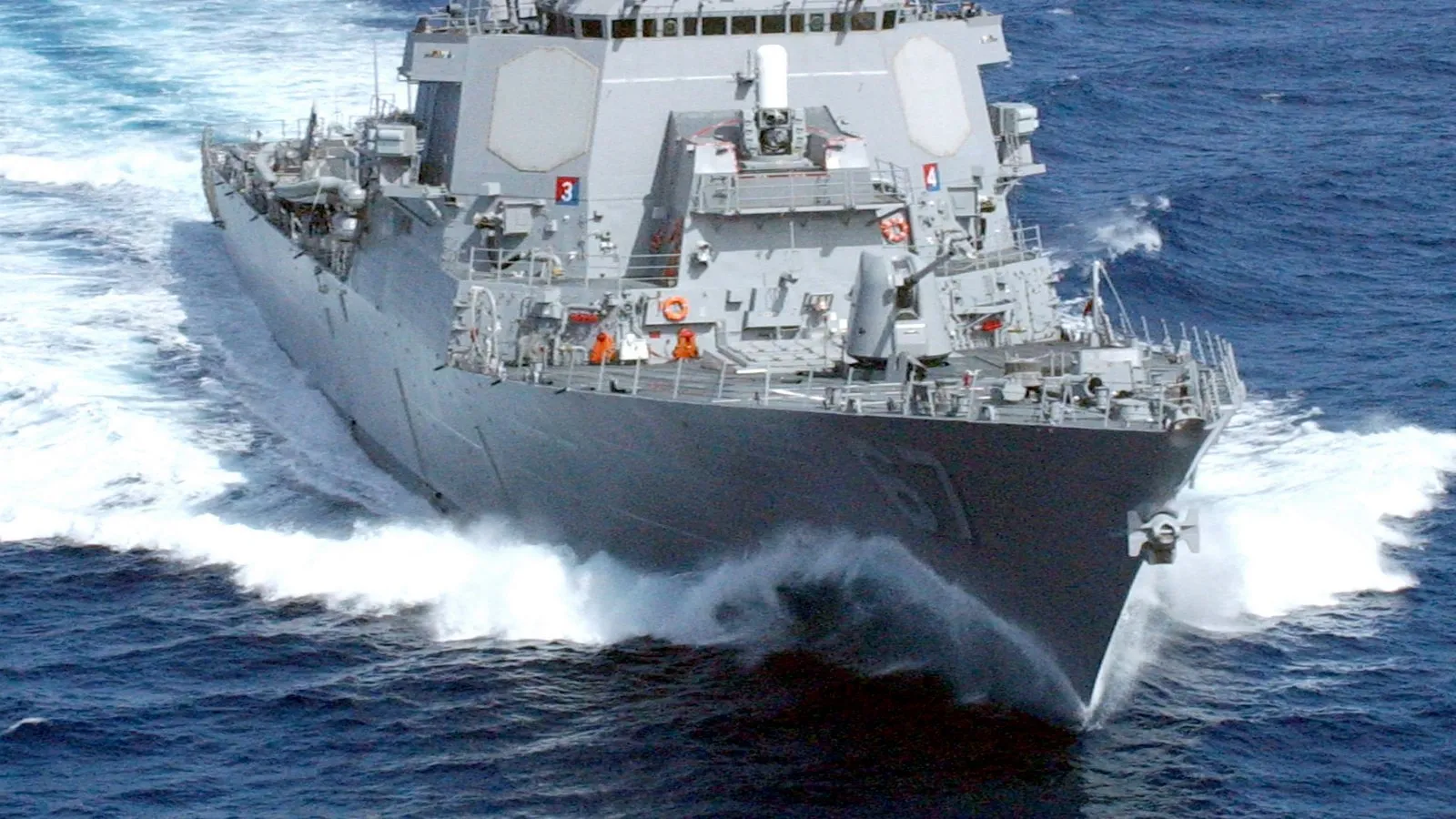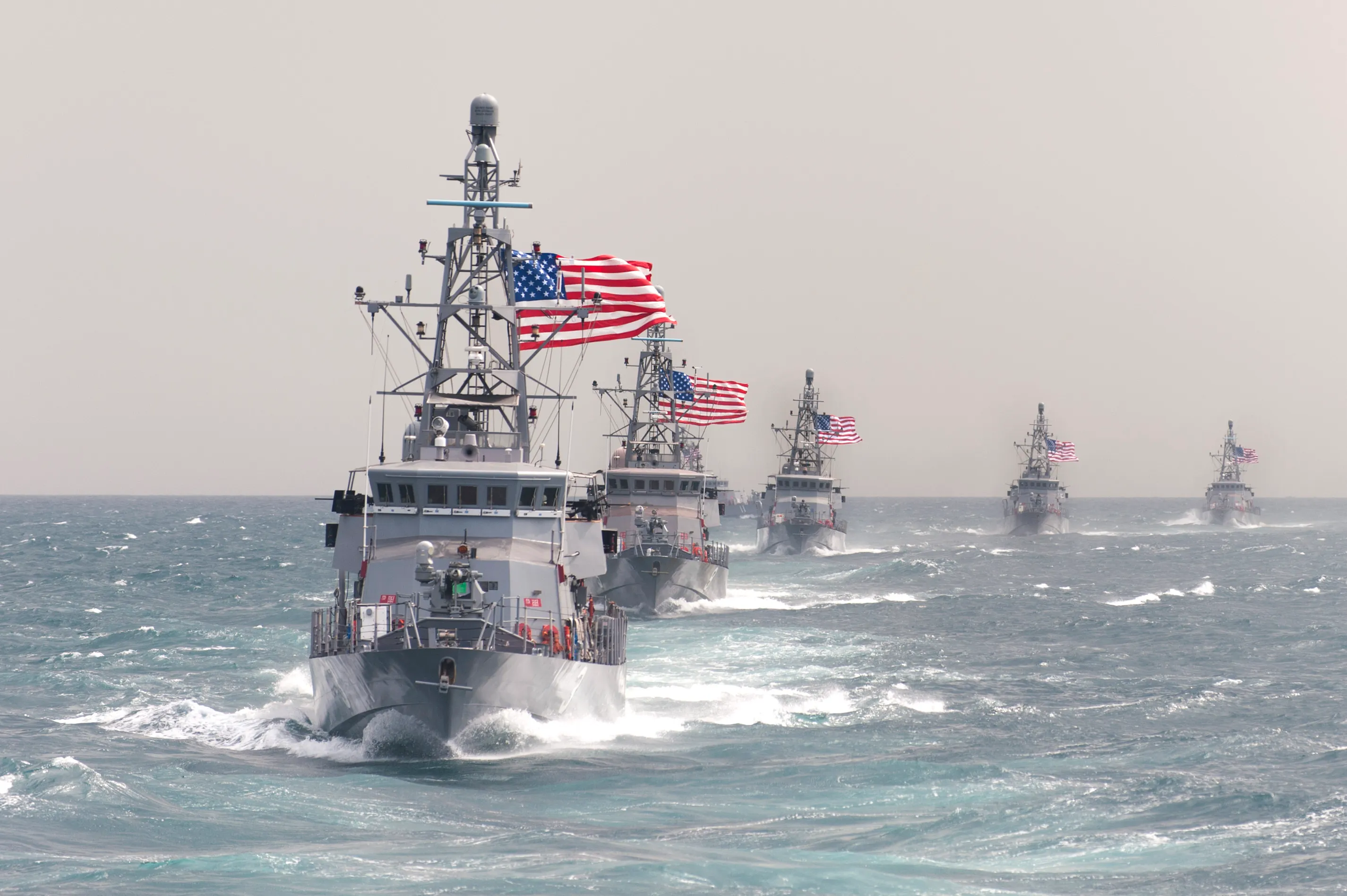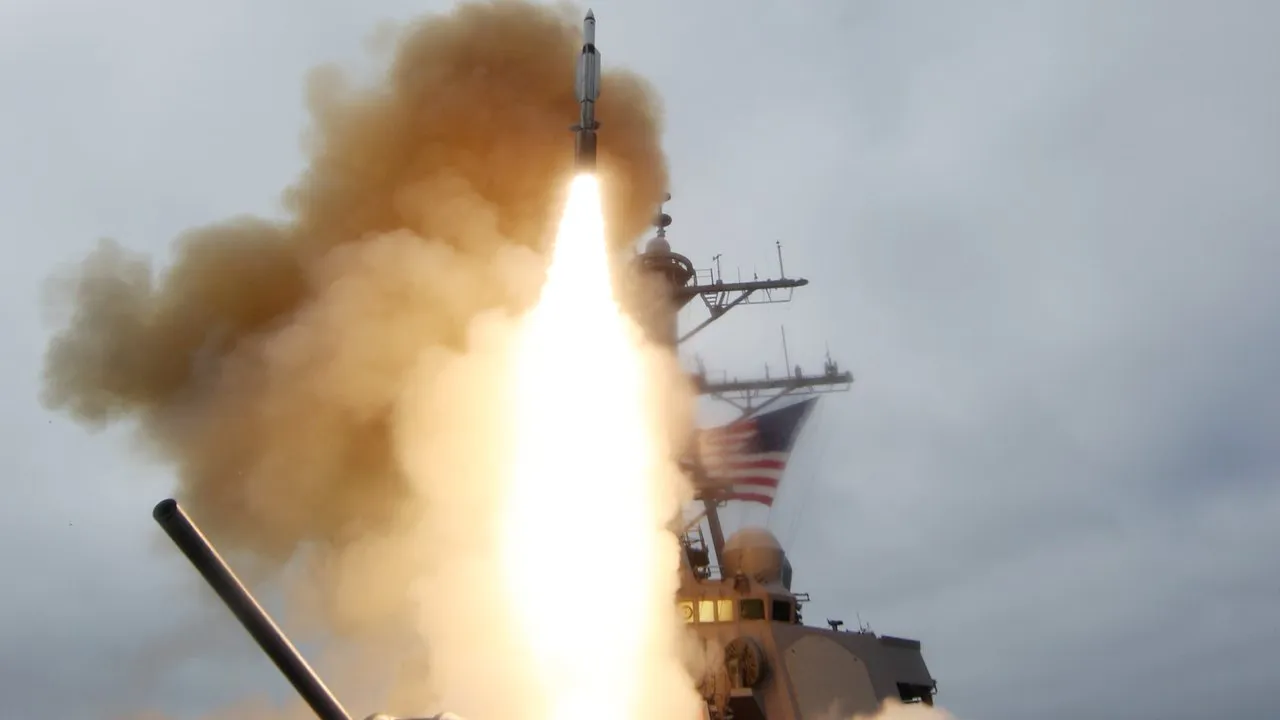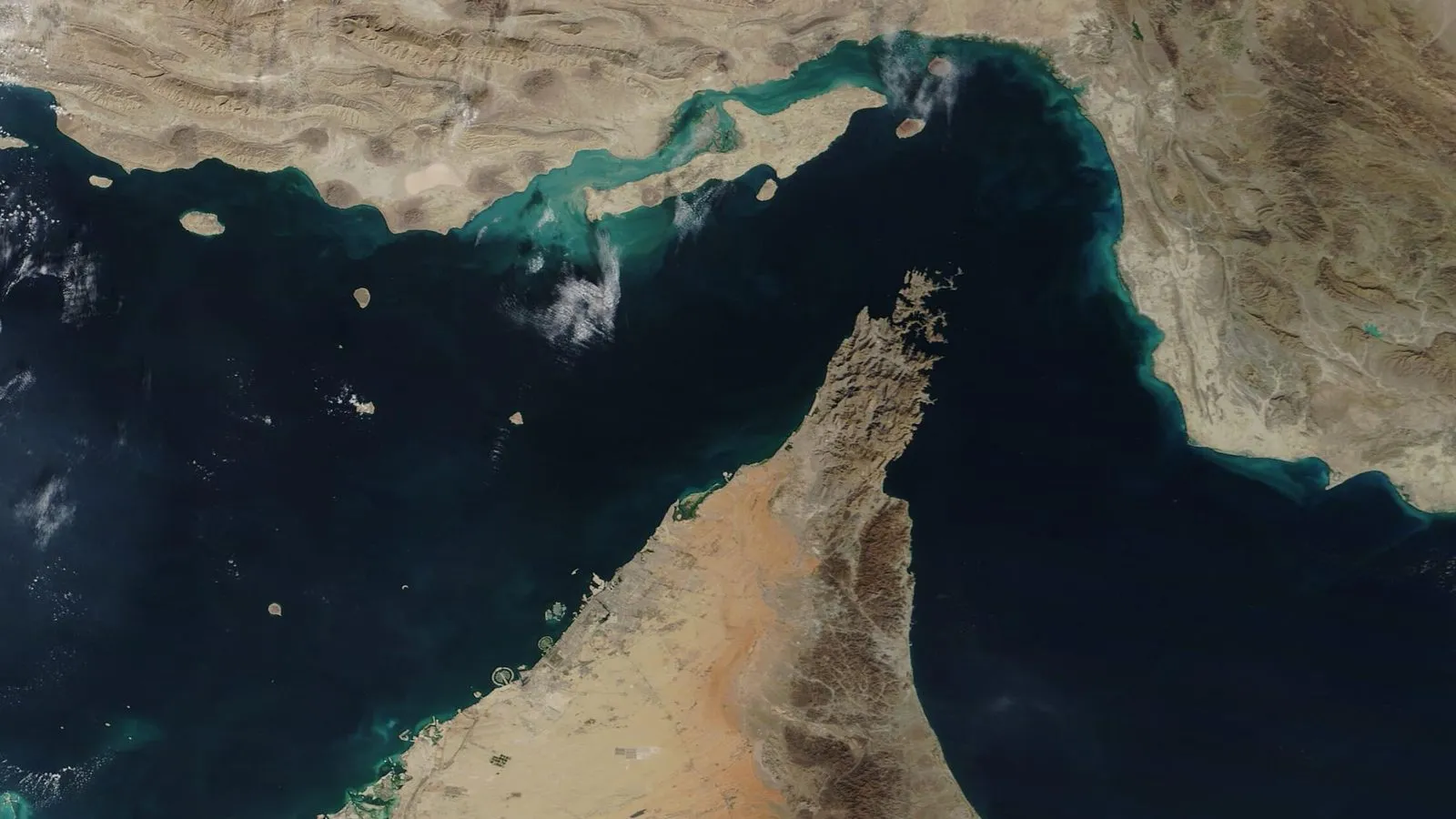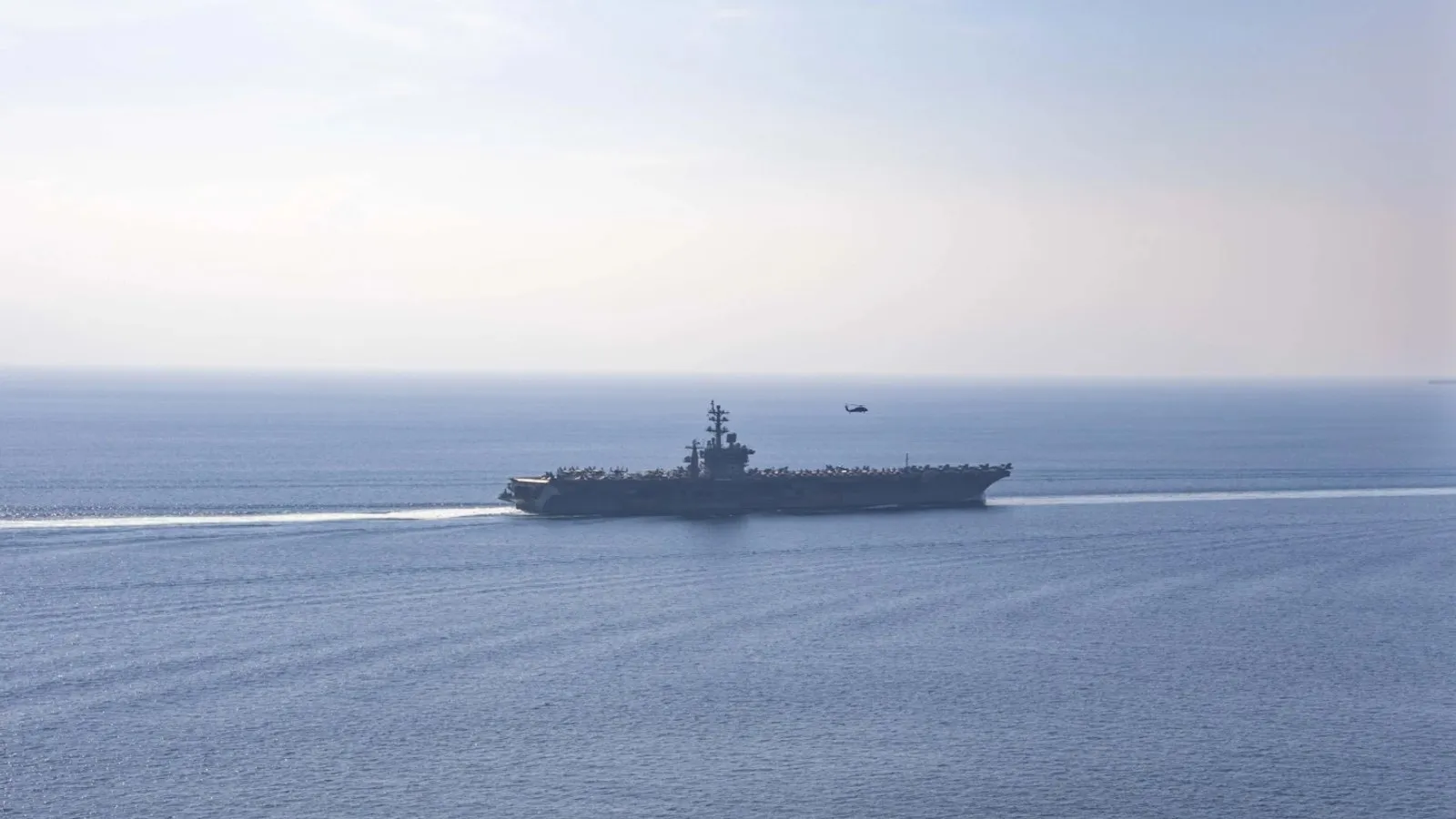
The United States struck Iranian forces twice in a single week around the Strait of Hormuz — the second time this past weekend — even as American and Iranian negotiators worked to close a ceasefire agreement that President Trump has now sent back to negotiators for a third round of edits. The pattern of escalating military exchanges alongside a still-unsigned deal has left the seven-week truce intact on paper, but visibly fraying.
The flashpoint, again, is the strait. The roughly 60-day cessation of violence taking shape between Washington and Tehran rests on two pillars: reopening the Strait of Hormuz to commercial shipping and putting Iran’s nuclear program back on the negotiating table. Both have moved this week — but in opposite directions from a finished agreement.
Two rounds of “self-defense” strikes
U.S. Central Command says the first wave came on May 25, when American forces struck what officials described as Iranian missile launch sites and Revolutionary Guard boats attempting to lay mines in the strait. Navy Captain Tim Hawkins, the CENTCOM spokesperson, said in a statement that “U.S. forces conducted self-defense strikes in southern Iran today to protect our troops from threats posed by Iranian forces,” with targets including “missile launch sites and Iranian boats attempting to emplace mines.” Secretary of State Marco Rubio publicly confirmed the same set of targets the next day. Iranian state media reported explosions in and around Bandar Abbas, the country’s main southern port.
A second, larger round followed over the weekend of May 30–31. CENTCOM, in a release titled “U.S. Defends, Disables Threats in Response to Iranian Aggression,” said American forces hit Iranian radar and command-and-control sites for unmanned aircraft at Goruk and on Qeshm Island, a surface-to-air missile site at Bandar Abbas, and two Revolutionary Guard boats laying mines in the strait. CENTCOM said the action was triggered by the shootdown of a U.S. drone “operating over international waters” and that “no American service members were harmed.” The command characterized the strikes as “measured and deliberate” and said it would “continue to defend our forces while using restraint during the ongoing ceasefire.”
The Iranian response has been verbal and physical. Iran’s Revolutionary Guard Corps claimed after the May 25 strikes to have downed a U.S. MQ-9 Reaper drone over the Persian Gulf and to have fired on an RQ-4 surveillance drone and an F-35 fighter, while reserving what it called the “legitimate and definite” right to retaliate against any ceasefire violation. The U.S. has not confirmed losing any aircraft to Iranian fire. Iran’s foreign ministry called the American strikes “a gross violation of the ceasefire enacted on April 8,” and Supreme Leader Ayatollah Khamenei publicly threatened U.S. allies in the region. On May 26, the oil tanker Olympic Life was struck by an unidentified projectile in the strait, discharging bunker fuel into the water — an incident neither side has formally claimed.
CENTCOM’s framing is that the strikes are consistent with the ceasefire, on the theory that they are defensive responses to specific Iranian acts — drone shootdowns, mine-laying, missile fires — and not a return to offensive operations. Tehran rejects that interpretation. The truce, signed April 8, is still nominally in effect; whether the strikes have broken it is now itself one of the disputed terms.
What’s in the deal — and what Trump is changing
The proposed memorandum of understanding under negotiation has been described in similar terms by multiple outlets reporting on its contents. Axios, in an exclusive last week, said the agreement would impose a roughly 60-day cessation of violence; reopen the Strait of Hormuz to commercial shipping, including by allowing Iran to resume freely selling oil; and open follow-on talks on Iran’s nuclear program. Sanctions relief and access to frozen Iranian assets are also reportedly on the table.
Trump’s edits are the lever now pulling the deal back from the finish line. CBS News, citing a source familiar with the talks, said Trump’s latest changes — his third round of revisions — center on the strait and on Iran’s stockpile of highly enriched uranium. The president has publicly stated that “the Hormuz Strait must be immediately open, no tolls, for unrestricted shipping traffic, in both directions.” On the nuclear front, he has demanded that Iran’s enriched material be “unearthed by the United States” and “DESTROYED” — language that goes considerably further than the framework agreement, which contemplated future negotiations on Iran’s nuclear program rather than the surrender and destruction of existing fissile material.
The disconnect with Tehran on the nuclear question is structural, not stylistic. Iran’s foreign ministry has stated that “at this stage, we are focused on ending the war, and there are no negotiations on the nuclear issue.” Iranian foreign ministry spokesperson Esmaeil Baghaei said earlier in the week that a final agreement is “not imminent.” Pakistan has been acting as a back-channel for the most recent rounds of edits between the two governments.
This is consistent with the on-record posture Trump has taken throughout — the administration’s claim that an Iran deal was “largely negotiated” earlier in May was followed within days by Iran’s pushback, and the gap has widened rather than closed.
The strait isn’t fully open
While the diplomats argue, the strait itself remains only partly functional. Iran continues to impose what it calls a transit fee on commercial vessels — a system the U.S. rejects as an illegal toll under international law and which reopening the strait, under the proposed deal, is meant to end. CENTCOM has been informally guiding commercial transits without resuming the Project Freedom convoy operation Trump paused last month, and the mine-laying activity that drew this week’s strikes is itself evidence that Tehran has not abandoned the option of squeezing traffic through the chokepoint.
Why it matters
About a fifth of the world’s oil moves through the Strait of Hormuz, which is why both sides treat its status as the load-bearing element of the deal rather than a side issue. Each new self-defense strike, mine deployment, or drone shootdown adds risk to a shipping route that has not been normal for months — and that has tangible costs in fuel prices and insurance premiums far beyond the Persian Gulf.
The military cost is also already on the books. The Pentagon disclosed earlier this month that the war has run the United States $25 billion to date, a figure that does not include the carrier strike groups, fighter wings and air-defense assets still in theater enforcing the ceasefire. Every round of “self-defense” strikes adds to the tab. So does every additional day the U.S. Navy escorts tankers through a 21-mile-wide stretch of water that the agreement is supposed to make routine.
What happens next
Three things have to happen for the deal to become a deal. The two sides have to agree on language for the Strait of Hormuz that satisfies Trump’s “no tolls, both directions” demand without forcing Tehran into an open political concession. They have to find a formula for Iran’s enriched uranium that goes further than “future talks” without requiring Iran to physically hand over the material. And the strikes have to stop long enough for both sides to sign without a fresh provocation collapsing the room.
As of this writing, the White House has declined to comment publicly on the specifics of Trump’s edits. Iran has not. The CENTCOM release for the weekend strikes ended with a single sentence that captures the current posture as well as any: U.S. forces will “continue to protect U.S. assets and interests in response to unwarranted Iranian aggression during the ongoing ceasefire.” Both halves of that sentence — the strikes, and the ceasefire — are, for now, simultaneously true.
Sources 6 cited · 1 primary
- U.S. Defends, Disables Threats in Response to Iranian Aggression
- US and Iran exchange renewed fire as Trump asks for changes to proposed deal to end hostilities
- Trump recently edited possible U.S.-Iran agreement, including on enriched uranium and Strait of Hormuz, source says
- US strikes Iran again: What we know, and is the ceasefire over?
- Exclusive: What's inside the Iran deal Trump is close to signing
- Another Day of Uncertainty in the Strait After U.S. Claims Strikes on Iranian Minelayers
American Courant cites its sources and links to primary documents where they exist. How we report →