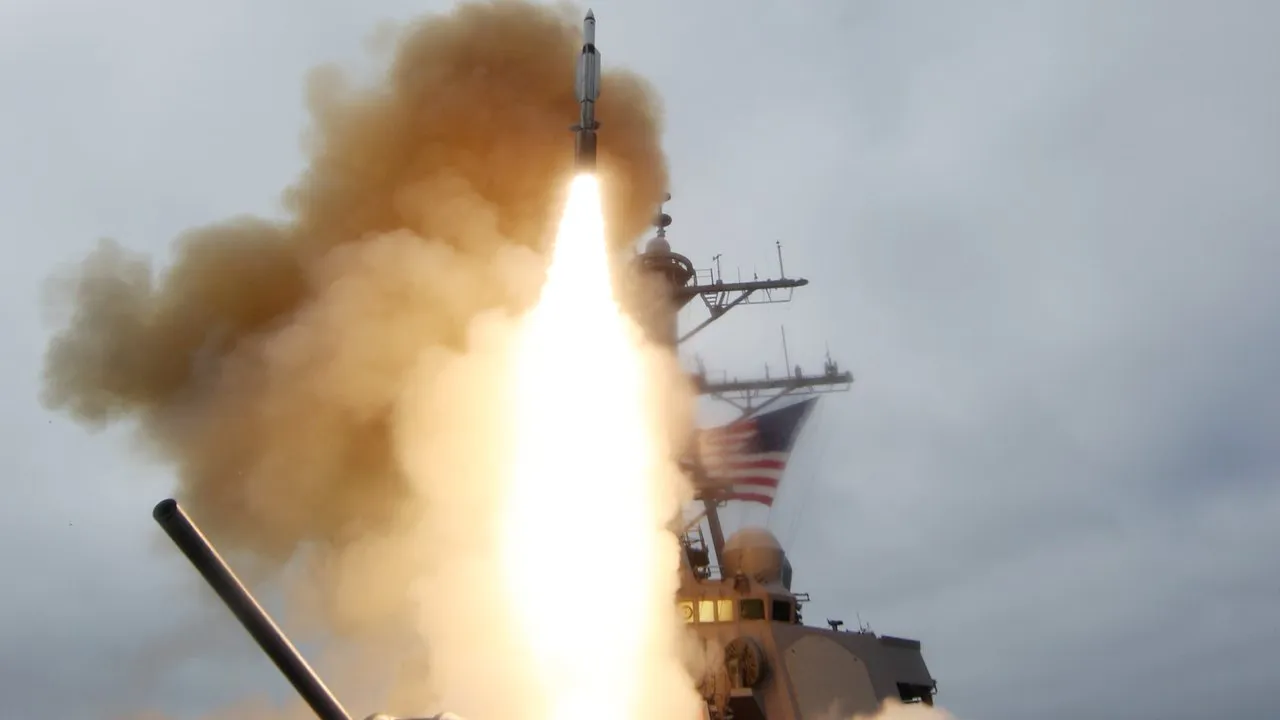
The United States and Iran traded fire across the Persian Gulf again overnight — the third such exchange in barely two weeks — and this time the language coming out of Tehran shifted from threats of retaliation to warnings of a wider war.
According to U.S. Central Command, American forces shot down four Iranian one-way attack drones launched toward the Strait of Hormuz, then struck Iranian coastal surveillance radar sites in Goruk and on Qeshm Island. Hours later, Iran fired seven ballistic missiles toward Kuwait and Bahrain. Six were intercepted by U.S. and allied air defenses, CENTCOM said, and a seventh fell short of its target. Sirens sounded in both Gulf states early Saturday. No American personnel were hurt.
It is the same grim choreography that has played out twice already since late May — an Iranian provocation in or around the strait, an American “self-defense” strike on Iranian soil, an Iranian missile salvo at U.S. partners in the Gulf. What has changed is the trajectory. Each round has been a little larger than the last, the April 8 ceasefire a little more theoretical, and the diplomatic off-ramp a little harder to find.
What happened overnight
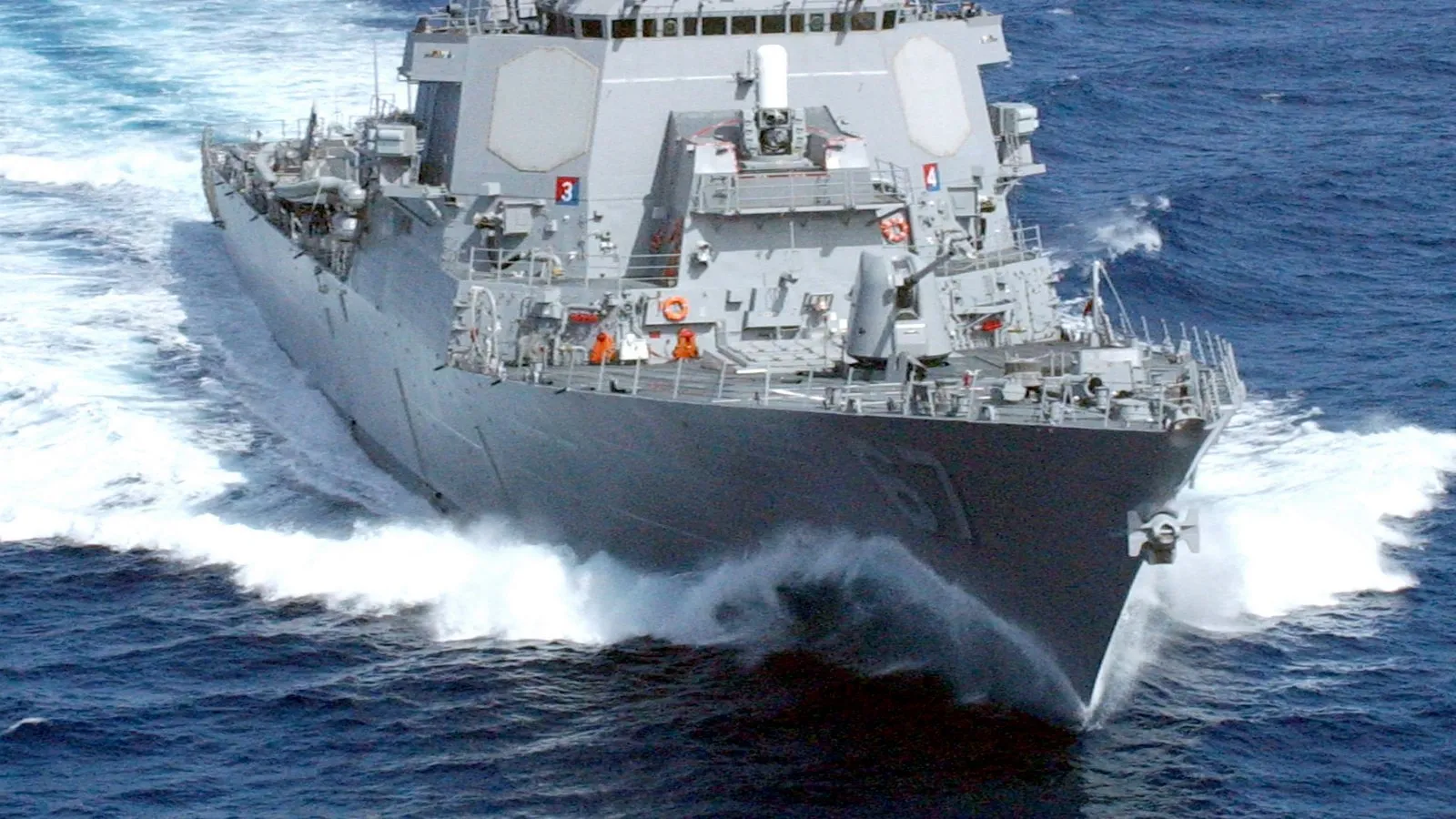
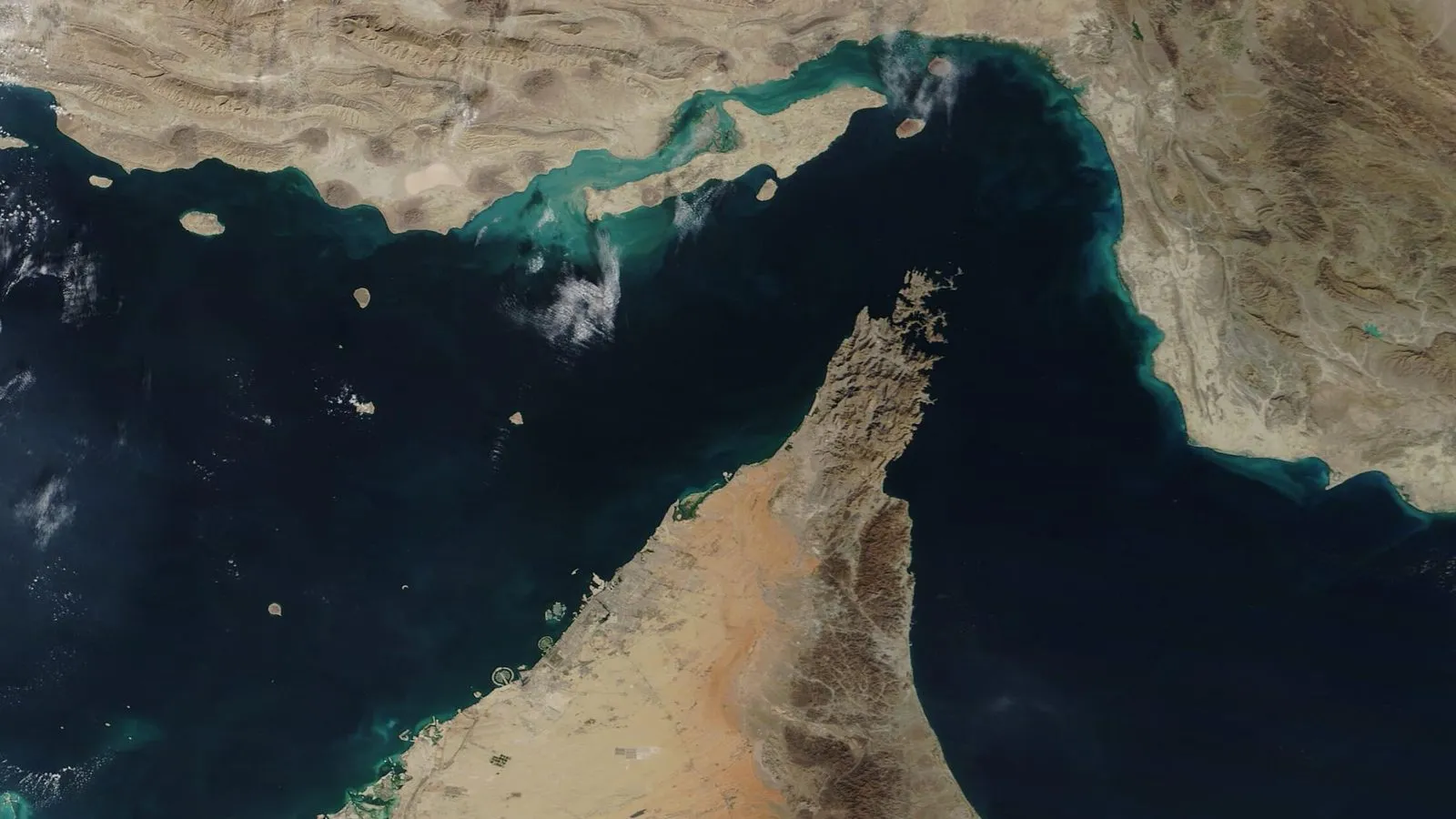
CENTCOM, in a release titled “CENTCOM Forces Defeat Missiles, Drones Launched by Iran,” said the four Iranian drones “posed an immediate threat to regional maritime traffic” in the Strait of Hormuz, the chokepoint through which roughly a fifth of the world’s oil moves. After downing them, U.S. forces hit the radar sites at Goruk and Qeshm Island, the command said, “to defend against further maritime attacks.”
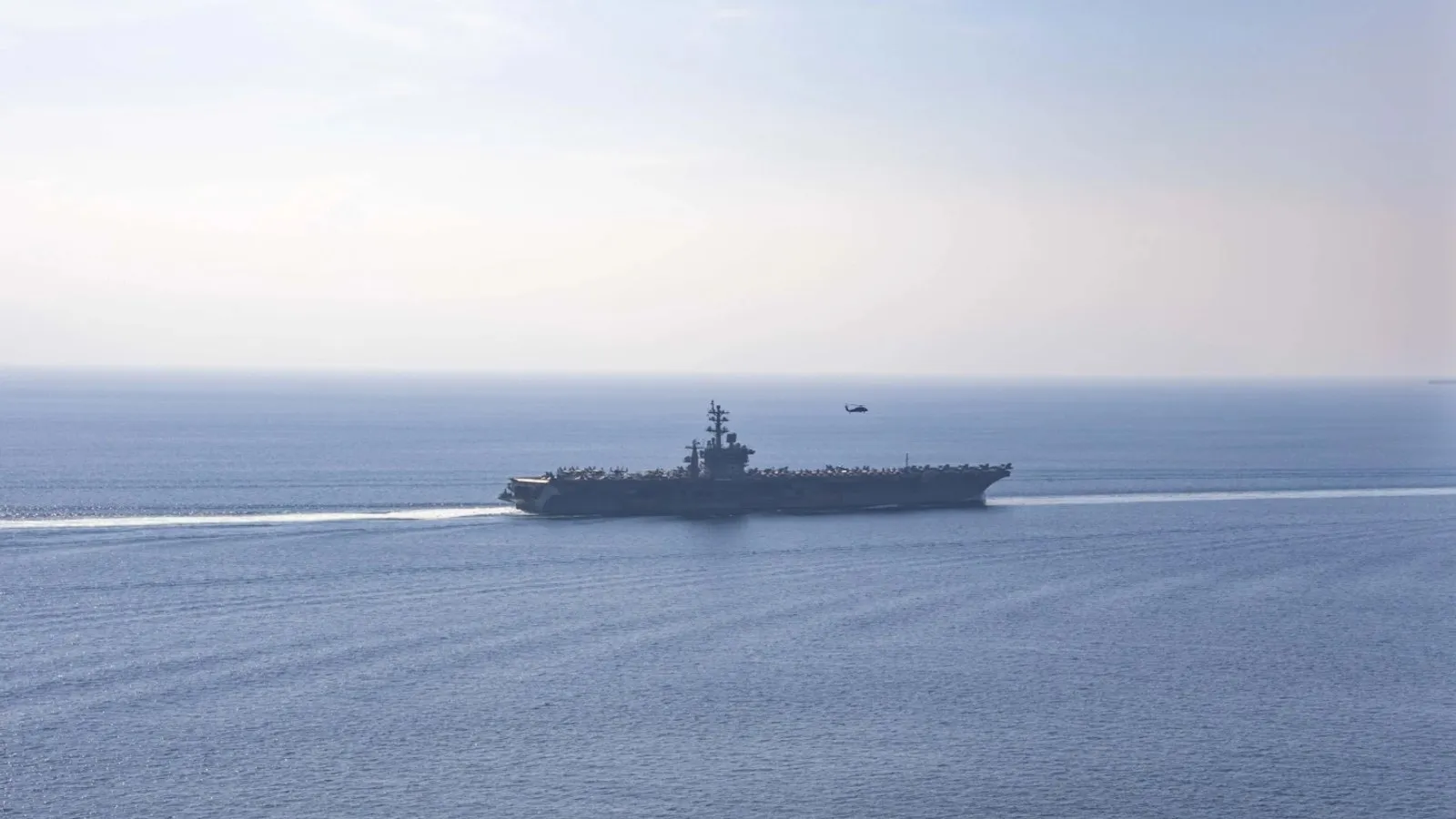
The Iranian response came against Kuwait and Bahrain — both home to major U.S. military installations, including the headquarters of the Navy’s Fifth Fleet in Bahrain. The seven-missile salvo, almost entirely intercepted, mirrored the pattern of the June 3 barrage that sent a drone into Kuwait International Airport and killed one person there. Iran’s semi-official Mehr news agency reported that Iranian forces also fired what it called warning shots near the strait, which it said may have been tied to the repositioning of U.S. naval vessels in the area.
Qeshm Island and Goruk are by now familiar coordinates. Both have been struck in earlier rounds, part of a U.S. effort to degrade the radar and launch infrastructure Iran uses to threaten shipping and to target the drones and mines it has repeatedly deployed in the waterway.
The ceasefire that keeps not ending
On paper, the United States and Iran remain bound by the ceasefire signed April 8. In practice, that document now governs almost nothing. The two sides have traded direct fire at least three times in a fortnight, Iran has suspended the indirect negotiations that were supposed to turn the truce into a lasting settlement, and Tehran has threatened to close the Strait of Hormuz outright — a step that would blow up the central economic bargain the deal was built on.
The pressure is no longer confined to the Gulf. Iran has tied its posture to events in Lebanon, where a separate ceasefire involving the Iran-backed Hezbollah has been fraying and where Israeli operations resumed after a blowup between President Trump and Israeli Prime Minister Benjamin Netanyahu over the scope of the Lebanon campaign. Iranian officials have argued that a violation of the ceasefire on one front is a violation on all of them, and the warnings of a “wider war” reflect that linkage: Tehran is signaling that it sees the Gulf, Lebanon, and the stalled nuclear track as a single confrontation rather than separate problems.
The Trump administration’s framing has not changed. It continues to describe each American strike as a defensive response to a specific Iranian act — a drone launch, a mine, a missile — rather than a return to offensive war, the same posture it took when it revised the proposed deal and kept striking through late May. Whether a third round of strikes on Iranian territory in two weeks still fits inside the word “ceasefire” is a question Washington has so far declined to answer directly.
Why the strait keeps setting the pace
The reason every one of these exchanges runs through the Strait of Hormuz is simple: it is the place where Iran has the most leverage and the most to lose. A genuine closure would choke a fifth of global seaborne oil and send energy prices spiking worldwide — which is exactly why it is Iran’s most potent threat and why the United States treats any move against shipping there as a red line.
The mine-laying, drone launches, and now the radar that guides them are the tools Iran uses to make that threat credible without formally shutting the waterway. Commercial shipping has already absorbed the cost: traffic has been disrupted for months, with insurers repricing risk and some vessels rerouting around Africa rather than transit the strait. Each new exchange of fire pushes those costs higher, regardless of whether a missile ever actually closes the channel.
What comes next
The immediate questions are narrow and answerable only by the two governments. Does Iran launch another, larger salvo? Does the United States strike Iranian territory a fourth time? Does Tehran move from threatening the strait to actually mining or closing it? None of those steps would formally end the ceasefire, and all of them would make its survival harder to credit.
The larger question is the one Tehran is now posing out loud. For two months, the fighting has been contained — bounded by the fiction that a truce still holds and by both sides’ apparent preference for managed escalation over open war. The warnings of a “wider war” are a signal that the fiction is wearing thin. Three rounds of fire in two weeks is not a ceasefire under strain. It is a ceasefire being slowly disassembled, one intercepted missile at a time.
Sources 5 cited · 1 primary
- CENTCOM Forces Defeat Missiles, Drones Launched by Iran
- US military says it shot down Iranian missiles, drones launched toward Gulf allies, Strait of Hormuz
- U.S. Strikes Iran Radar Sites After Tehran Launches Drones at U.S. Vessels
- US Forces Hit Iranian Coastal Sites After Tehran Launches Drones Toward Strait
- Ceasefire in Lebanon frays, Iran warns of wider war
American Courant cites its sources and links to primary documents where they exist. How we report →