President Donald Trump unloaded on Israeli Prime Minister Benjamin Netanyahu in a profanity-laced phone call Monday after Israel’s escalating air and ground campaign in Lebanon threatened to collapse the ceasefire deal his administration is trying to close with Iran, according to reporting by Axios citing two U.S. officials and a third source briefed on the conversation.
The blowup, multiple outlets confirmed, ended with the Israeli prime minister calling off a planned major raid on Beirut and Trump posting publicly that the Iran negotiations were “continuing, at a rapid pace.” It was, one U.S. official told Axios, “one of Trump’s worst calls with Netanyahu since he returned to office.”
What sets this episode apart from the steady drumbeat of Trump–Netanyahu friction is the substance: this was not a personality dispute. It was the president of the United States telling the prime minister of Israel, in real time, that an Israeli military operation was about to torpedo the most important diplomatic deal of his second term.
What was said, according to reporting
The contemporaneous accounts come from Axios, which broke the story Monday afternoon, with corroboration from Time, The Jerusalem Post, CBS News, CNBC, and CNN. None of the outlets has a transcript; the on-record participants — Trump, Netanyahu, and their respective staffs — have not publicly confirmed the call’s contents. The quotes below are attributed by Axios to two U.S. officials and one additional source briefed on the call.
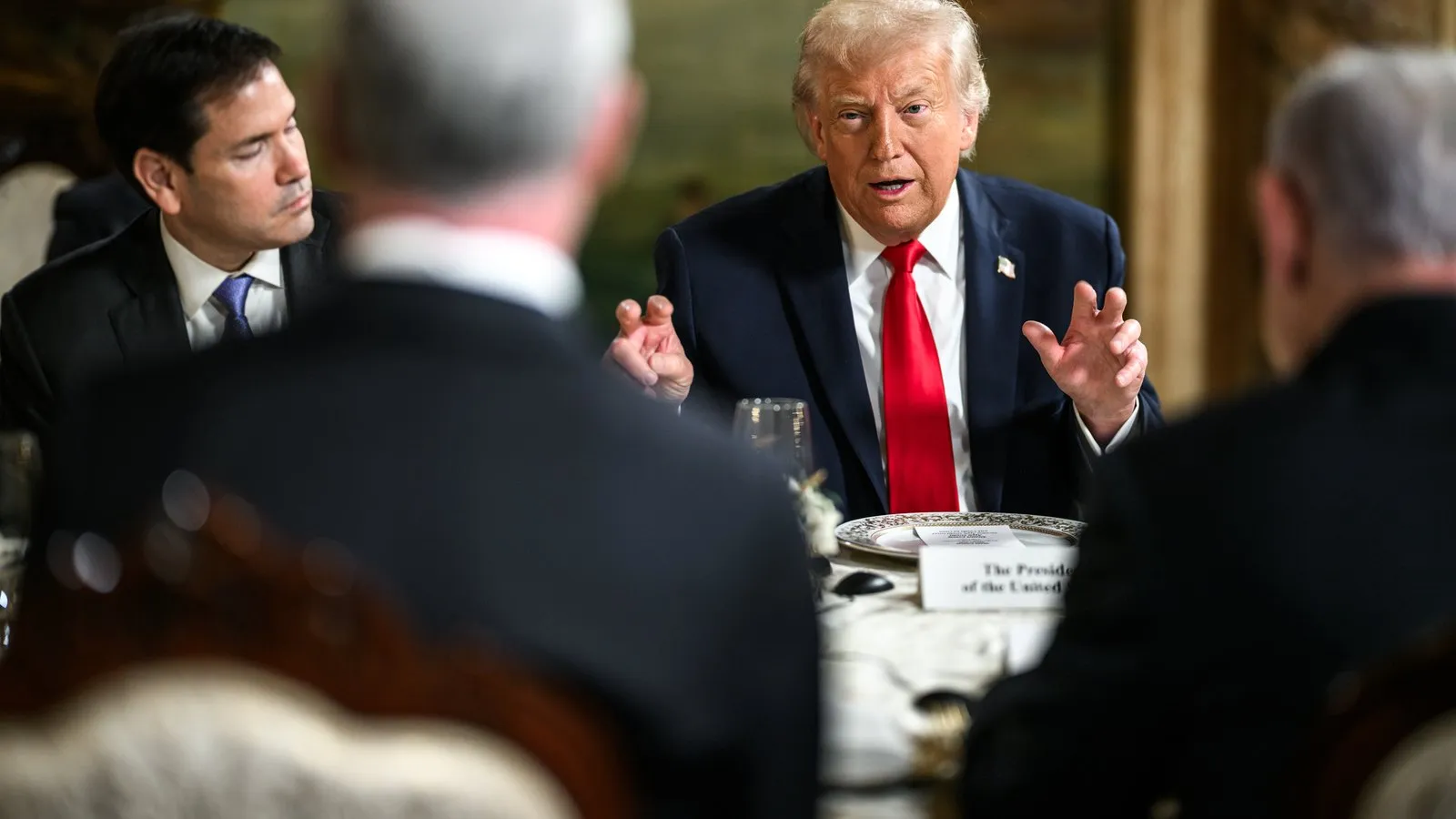
According to that reporting, Trump told Netanyahu: “You’re fucking crazy. You’d be in prison if it weren’t for me. I’m saving your ass. Everybody hates you now. Everybody hates Israel because of this.” A second source briefed on the call told Axios that at one point Trump yelled, “What the fuck are you doing?”
The Jerusalem Post, citing a U.S. official, reported that Netanyahu responded by largely capitulating, saying: “OK, OK, just make sure everything is taken care of.” Israel’s prime minister’s office did not respond to multiple outlets’ requests for comment on the call. A separate statement from Netanyahu’s office said Israel’s broader position “remains the same.”
What Israel was about to do
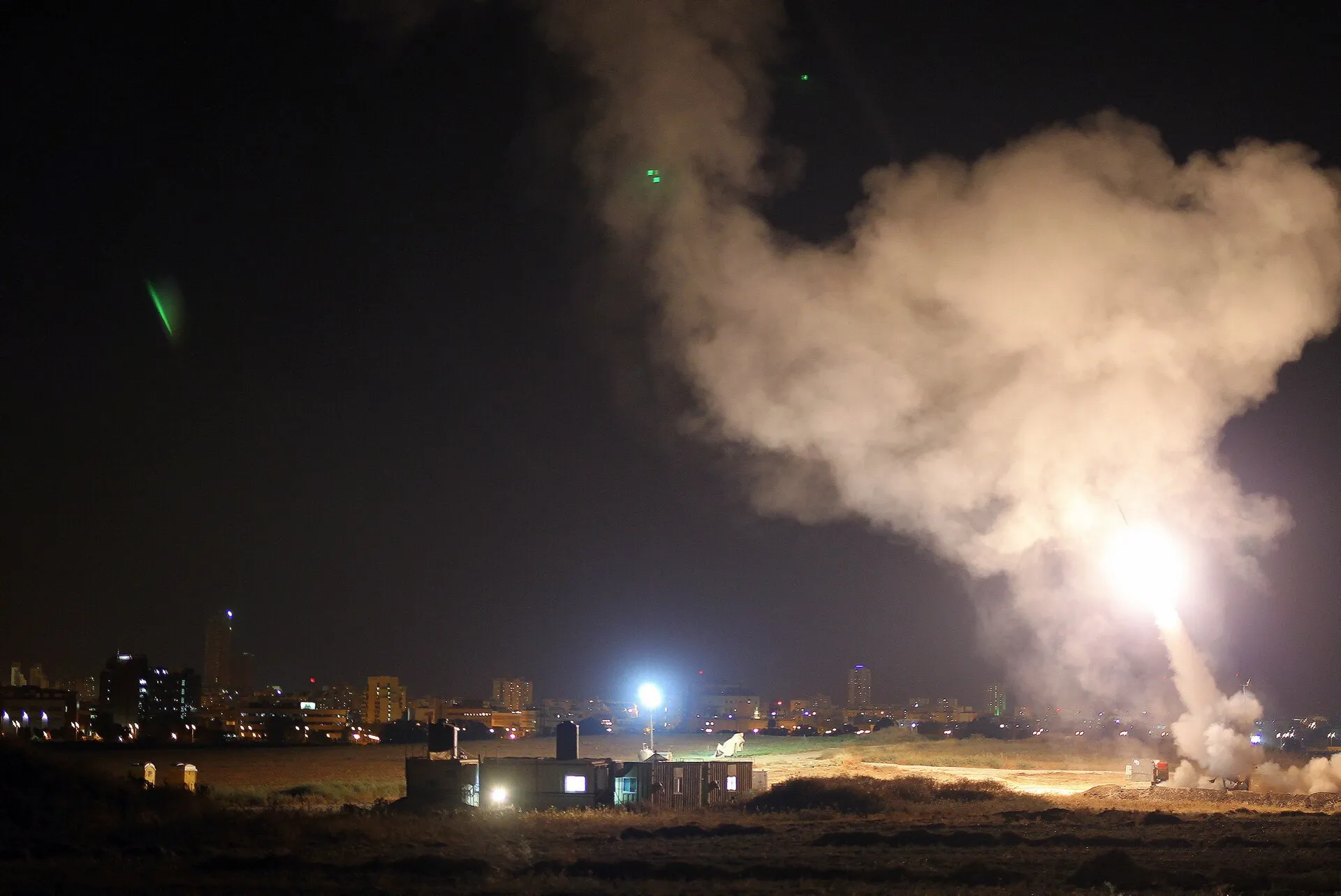
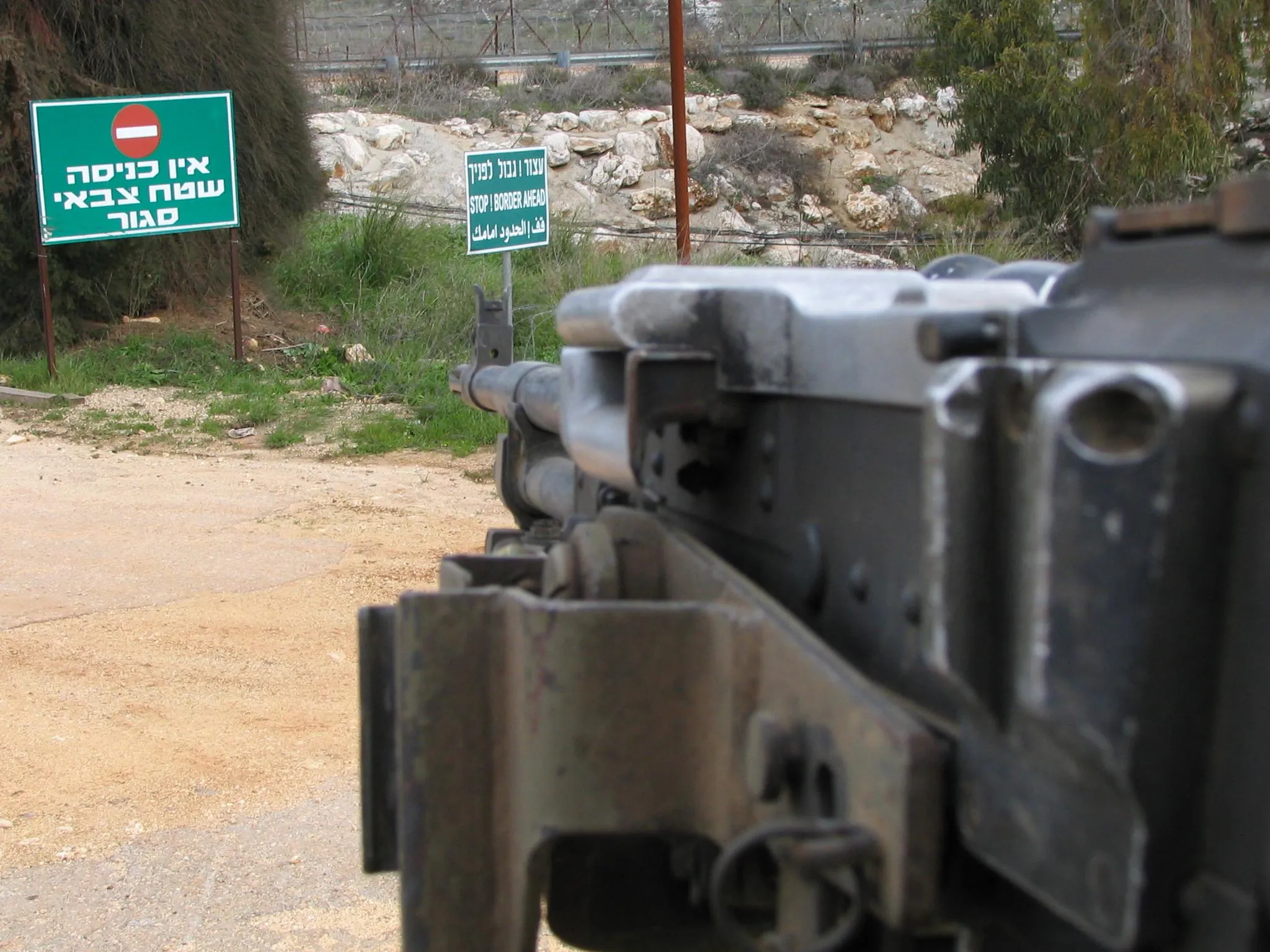
The trigger, per the reporting, was a sharp escalation in Israeli operations in Lebanon. Netanyahu and Defense Minister Israel Katz had issued a joint statement threatening to bomb Hezbollah targets in the Dahieh district of southern Beirut “following repeated violations of the ceasefire” — a return to the dense urban Hezbollah stronghold that was a flashpoint of the 2023–24 fighting. Israeli ground operations had also been expanding in southern Lebanon, and recent strikes had reportedly leveled residential buildings to kill single Hezbollah commanders.
Trump’s anger, according to the U.S. officials cited by Axios, was less about the principle of Israel defending itself against Hezbollah than about proportionality and timing: he reportedly objected specifically to destroying buildings in order to target individual commanders, and he was deeply unhappy that the campaign had escalated at the exact moment his Iran negotiations were entering their final phase.
After the call, Israel pulled back. Netanyahu posted that no Israeli troops would be sent toward Beirut and that any units already in motion would turn around. Trump, in a Truth Social post afterward, framed the outcome as Netanyahu “turning his Troops around” — a public victory lap that left little ambiguity about who had moved off whose position.
The Iran link
The reason the call mattered beyond Lebanon is what was waiting for Trump on the other diplomatic track. Iranian Foreign Minister Abbas Araghchi had publicly warned that Israel’s actions in Lebanon were themselves a violation of the U.S.–Iran ceasefire that has been in force since April 8. A semi-official Iranian news agency reported that Tehran wanted to suspend the talks over Israel’s bombardment of Lebanon.
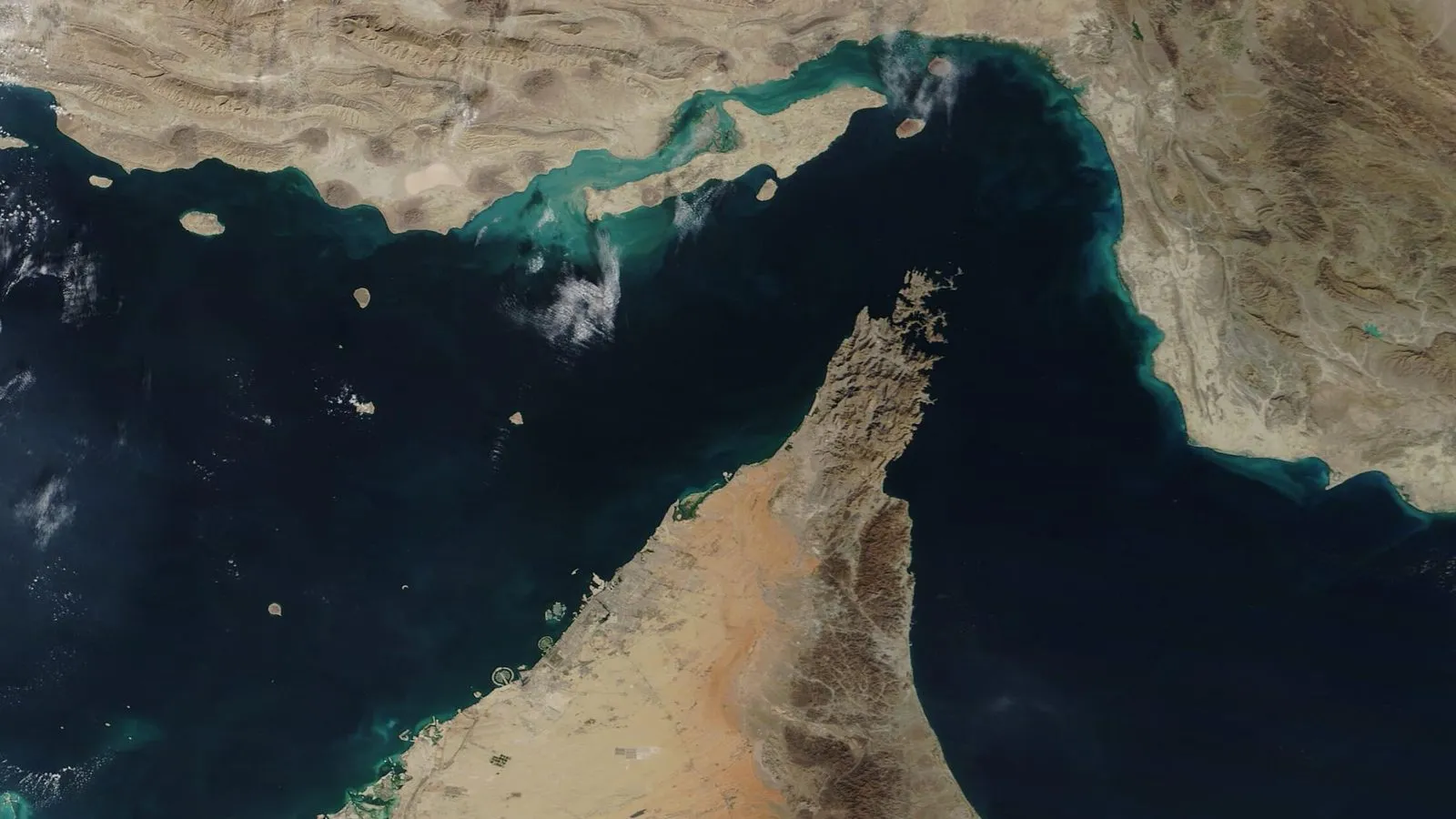
Iran’s threat, in other words, was direct: keep your ally from blowing up Beirut, or there is no deal. That deal is the one Trump has been openly trying to close for weeks — a 60-day cessation of violence, the reopening of the Strait of Hormuz, and follow-on negotiations on Iran’s nuclear program. The administration’s own self-defense strikes against Iranian forces continued through May 31 even as the framework was being finalized; an Israeli escalation that drove Tehran from the table would unravel the whole construction.
Hours after the call, Trump posted on Truth Social: “Talks are continuing, at a rapid pace, with the Islamic Republic of Iran.” He told ABC News he believed an agreement to reopen the strait and extend the ceasefire was reachable within “the next week.” Iran has not confirmed any of that publicly.
”I don’t care” — Trump’s mixed signals
Within the same news cycle, Trump also told CNBC that he “couldn’t care less” if the talks fell apart, a remark that several outlets read as a negotiating posture rather than a substantive shift. The same interview was used by the White House to reinforce that the U.S. retained leverage; the same interview was used by Iran’s foreign ministry to reinforce that “at this stage, we are focused on ending the war, and there are no negotiations on the nuclear issue.”
The disconnect between Trump’s public nonchalance and his private intervention against Netanyahu is itself the story. A president who genuinely did not care whether the deal survived would not have had a call angry enough to make the front page of Axios and Israeli newspapers within hours. The “rapid pace” message landed first; the “I don’t care” message landed an hour later; the call had happened before either.
Why it matters
The political math of the moment is unusually clean. Israel’s Lebanon campaign is escalatory and popular with the Israeli right. Iran’s leverage in the talks runs through Lebanon, where it sponsors the proxy Israel is fighting. Trump’s deal — the legacy item his administration has been telegraphing for two months — depends on Tehran staying at the table. Anything Israel does in Lebanon that Iran can cite as a ceasefire violation hands Tehran a costless excuse to walk.
There is also a cost calculation Trump has not addressed publicly but that his Pentagon has. The Department of Defense disclosed earlier this month that the Iran war has run the United States about $25 billion to date, and the carrier groups, fighter wings and air-defense assets enforcing the April 8 ceasefire are still in theater. A collapse of the deal does not return those forces home; it sends the bill higher and the timeline longer.
What happens next
The most immediate test is whether the diplomatic clock Trump set himself — an agreement within “the next week” — survives the next round of Israeli operations or Iranian provocations. Israel’s stated position has not actually changed; Netanyahu’s office reaffirmed Israel will strike Beirut if Hezbollah does not stop, and the broader Lebanon ground campaign is continuing. Iran’s stated position has not changed either; Araghchi has not retracted the warning that Israeli action in Lebanon imperils the ceasefire.
What changed Monday was the public confirmation that the president of the United States is now willing to publicly humiliate the prime minister of Israel — and privately curse at him — to keep an Iran deal alive. That is the political fact. Whether it is enough to hold the deal together over the next week is a different question, and one no participant has answered.
Sources 6 cited · 1 primary
- U.S. Defends, Disables Threats in Response to Iranian Aggression
- Trump to Netanyahu in call on Israel striking Lebanon: 'You're fucking crazy'
- Trump Reportedly Calls Netanyahu 'Crazy,' Pushes Israeli Leader to Back Down on Beirut Attack
- Trump tells Netanyahu he kept him out of jail, should be grateful on tense call - report
- Live Updates: Trump says Iran talks continuing at 'rapid pace' after regime threatens 'other fronts' in war
- Trump tells CNBC: 'I don't care' if Iran negotiations are over
American Courant cites its sources and links to primary documents where they exist. How we report →