Iran fired ballistic missiles directly at Israel late Sunday for the first time since a ceasefire took hold in April, and President Trump moved quickly to keep the strike from spiraling into a wider war — asking Prime Minister Benjamin Netanyahu to hold off on retaliating while Washington tries to close a deal with Tehran.
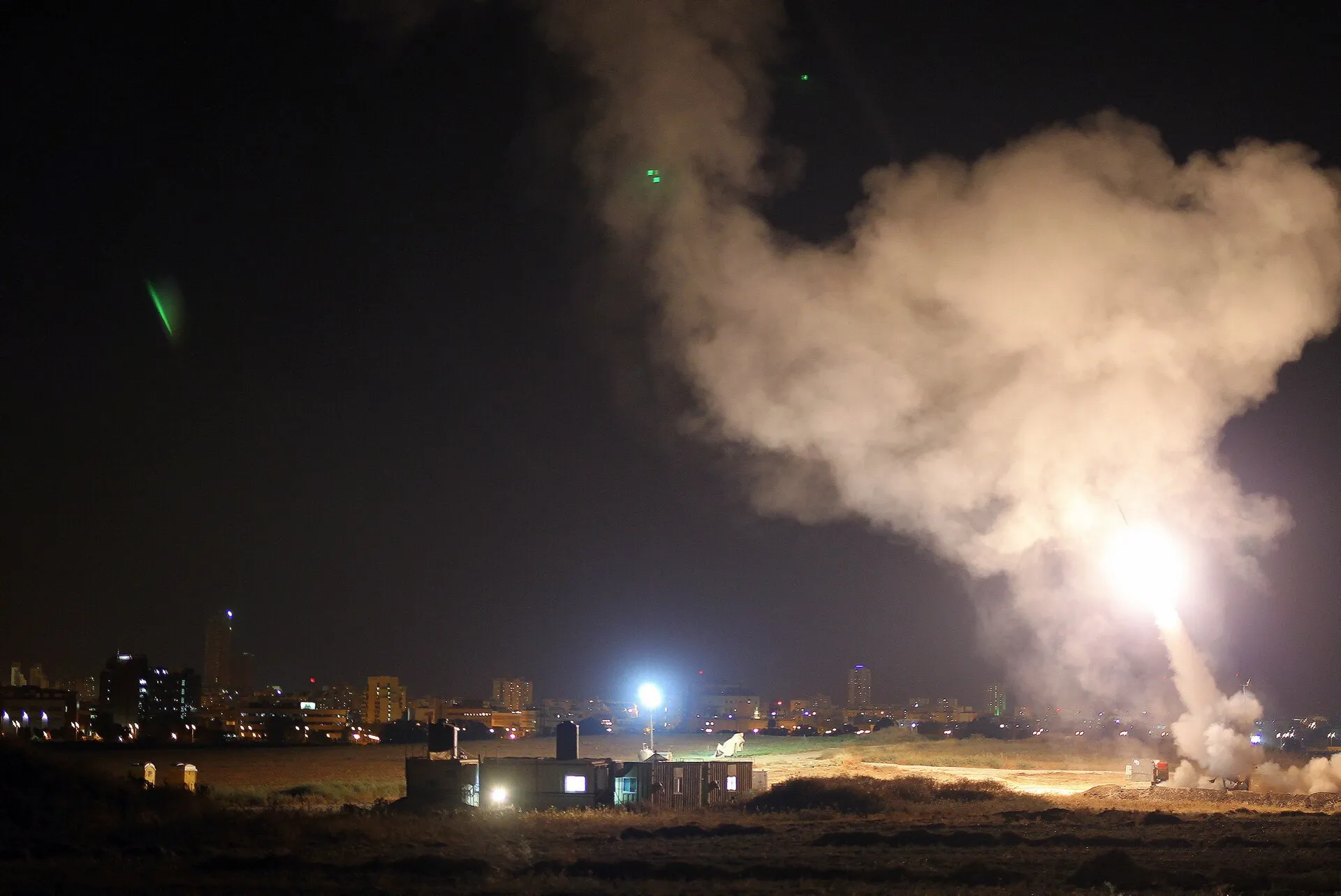
Iran launched roughly 10 ballistic missiles at northern Israel in several salvos, according to Israeli and international reporting. The Israeli military said most were intercepted or came down in open areas and reported no direct impacts or injuries, though Reuters reported that a missile struck an oil refinery in the Haifa area, causing damage. Israel’s Home Front Command put much of the country on alert, and hospitals were instructed to prepare to shift operations into protected underground wards.
The strike marked the first direct Iranian missile attack on Israel since the April 2026 ceasefire, and it followed Israeli airstrikes on Hezbollah targets in the southern suburbs of Beirut. Iran framed the launch as retaliation for those strikes — a sign of how tightly the Lebanon front and the Iran file have become wired together.
What Happened
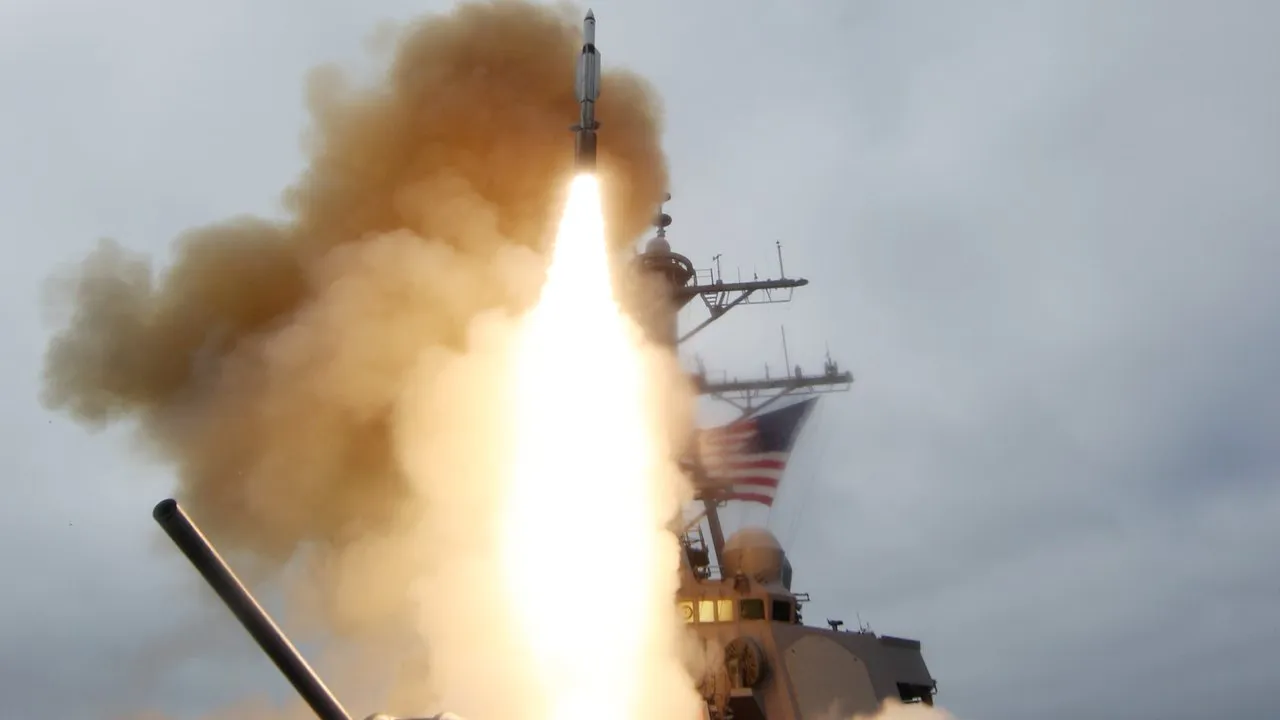
The missiles came in waves over roughly an hour, around 10 p.m. local time in Israel, setting off air-raid sirens across the north. Israeli air defenses, including the Iron Dome and longer-range interceptors, engaged the incoming fire, and the military’s initial assessment was that the barrage caused little damage. That assessment was not uncontested: the reported strike on a Haifa-area refinery, if confirmed, would be the most significant impact of the night, and Israeli officials had not fully reconciled the accounts by Monday morning.
The attack did not come out of nowhere. It capped a steady escalation that has chipped at the April truce for weeks — including a recent round in which U.S. and Iranian forces traded fire around the Strait of Hormuz and a Lebanon crisis that flared after Hezbollah rejected a U.S.-brokered ceasefire and warned of consequences from Beirut. Israel’s strikes on Beirut’s southern suburbs were the proximate trigger; Iran’s missiles were the response.
The Timeline
The arc to Sunday night ran through a ceasefire that never fully held. A truce reached in April halted the most intense phase of the 2026 Iran war, the conflict that earlier this year drew in U.S. forces and pushed Gulf shipping to the brink. But the agreement left the underlying disputes unresolved, and the weeks since have been a slow unraveling.
In late May and early June, U.S. and Iranian forces clashed again near the Strait of Hormuz, with American interceptors downing Iranian drones and Iran firing missiles toward Gulf targets. Separately, the Lebanon front reheated: after Hezbollah rejected a U.S.-mediated ceasefire, Israel resumed strikes on the group’s positions, including in Beirut’s southern suburbs. Each escalation made the next more likely. Iran’s Sunday barrage, framed by Tehran as a direct answer to the Beirut strikes, was the first time in roughly two months that it aimed missiles at Israeli territory rather than at U.S. positions in the Gulf — a deliberate widening of the target set that raised the danger of an Israeli counterstrike.
Trump Steps In
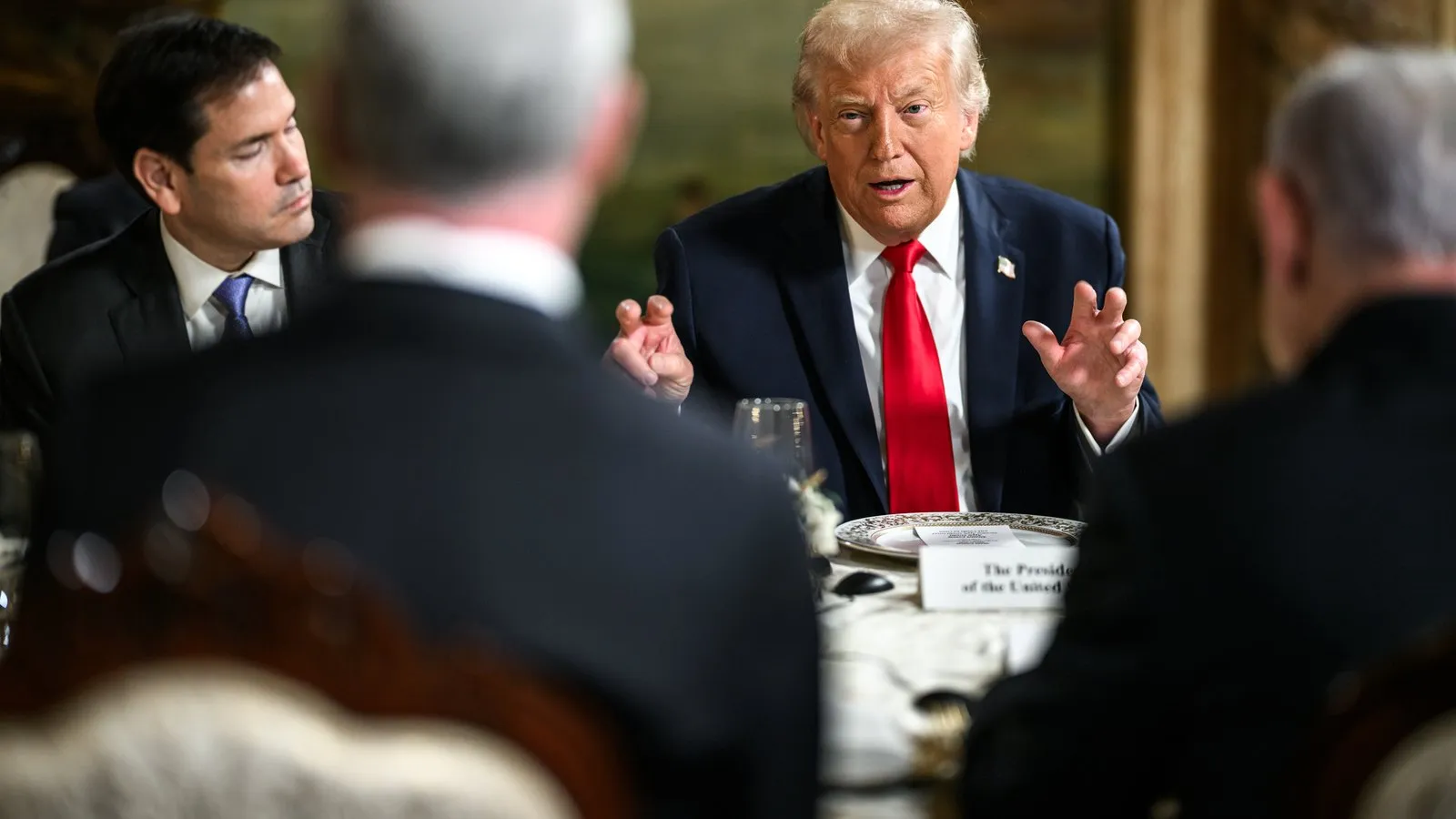
The most consequential development was not the barrage itself but Washington’s reaction to it. Trump publicly urged restraint, telling Fox News that the attack “wasn’t helping negotiations” and that he would tell Iran, in effect, “you shot your missiles, that’s enough, get back to the table and make a deal.”
Behind the scenes, the president pressed the point with Netanyahu directly. In a phone call, Trump asked the Israeli leader to refrain from immediate retaliation, telling him Washington believed it was close to an agreement with Tehran, according to reporting on the call. Netanyahu pushed back and argued for the option to strike Iran but ultimately, in the words of one account, “pseudo-agreed” to the president’s request.
Trump also made plain who he believes is steering the outcome. He said Netanyahu “won’t have any choice” but to accept whatever deal Washington reaches with Iran, adding: “I call the shots.” It was an unusually blunt assertion of American leverage over a close ally in the middle of an active military exchange — and a measure of how much Trump has staked on his claim that an Iran agreement is within reach.
Israeli officials made clear that the delay is not the same as standing down. A senior Israeli security official, quoted in Hebrew media, said Israel would respond to the missile attack “even if it does not happen in the immediate term.” Another official vowed a “forceful response.” The message: Israel agreed to wait, not to forgive.
The U.S. Angle
For Washington, the episode is a test of a high-risk strategy — using American pressure to restrain Israel while simultaneously negotiating with Iran. Trump has spent recent weeks insisting a deal is close, and he has repeatedly intervened to keep Israeli action from blowing up the talks, a pattern that surfaced when officials described a tense call in which he warned Netanyahu that Lebanon strikes were threatening the Iran track.
The Iranian side, for its part, signaled that the gap remains wide. An adviser to Iran’s supreme leader told CNN that negotiations are “at a deadlock” and that “the ball is in Trump’s court,” pressing the United States to unfreeze billions of dollars in frozen Iranian assets as a condition for progress. That is a long way from a signed agreement, and it shows how much the president is relying on momentum he has asserted but not yet demonstrated.
The stakes for American interests are concrete. A wider Iran-Israel war would threaten Gulf shipping lanes, push oil prices higher, and risk drawing U.S. forces in the region into direct combat — pressures that have already rippled through energy markets and contributed to higher prices at home. Gulf states that host U.S. bases, and that absorbed Iranian fire of their own in the recent Hormuz exchanges, have their own reasons to want the exchange contained. The restraint Trump bought Sunday night is, in part, an effort to keep those costs from compounding across the region and at the American pump. For more on the conflict and its global fallout, see our World News coverage.
What Comes Next
The immediate question is how long the pause holds. Israel has reserved the right to retaliate on its own timeline, which means the risk has been deferred rather than removed. Any further Iranian launch — or a confirmed, serious hit like the reported Haifa refinery strike — could make the political case for an Israeli response impossible for Netanyahu to resist.
The second question is whether Trump can convert restraint into an actual agreement. He has framed the coming days as decisive, and the Iranian adviser’s “ball is in Trump’s court” framing suggests Tehran is waiting to see what Washington puts on the table, particularly on sanctions and frozen assets. If a deal materializes, Sunday’s barrage may be remembered as the last spasm before a settlement. If it does not, Israel’s promised response still hangs over the region — and the April ceasefire, already frayed, will be harder than ever to hold together.
For now, the fighting has paused at the president’s request. Whether that pause becomes a turning point or merely an intermission is the question the next several days will answer.
Sources 5 cited
- Iran fires missiles at Israel for first time in two months; Trump tells Netanyahu not to retaliate
- Netanyahu said to agree to delay strikes on Iran after Trump urges against retaliation (live blog)
- Trump tells Netanyahu not to strike Iran
- Iran retaliates after Israel's deadly strike in Beirut, accuses U.S. of violating ceasefire as peace talks stall (live updates)
- Iran Launches Ballistic Missile Attacks On Israel
American Courant cites its sources and links to primary documents where they exist. How we report →