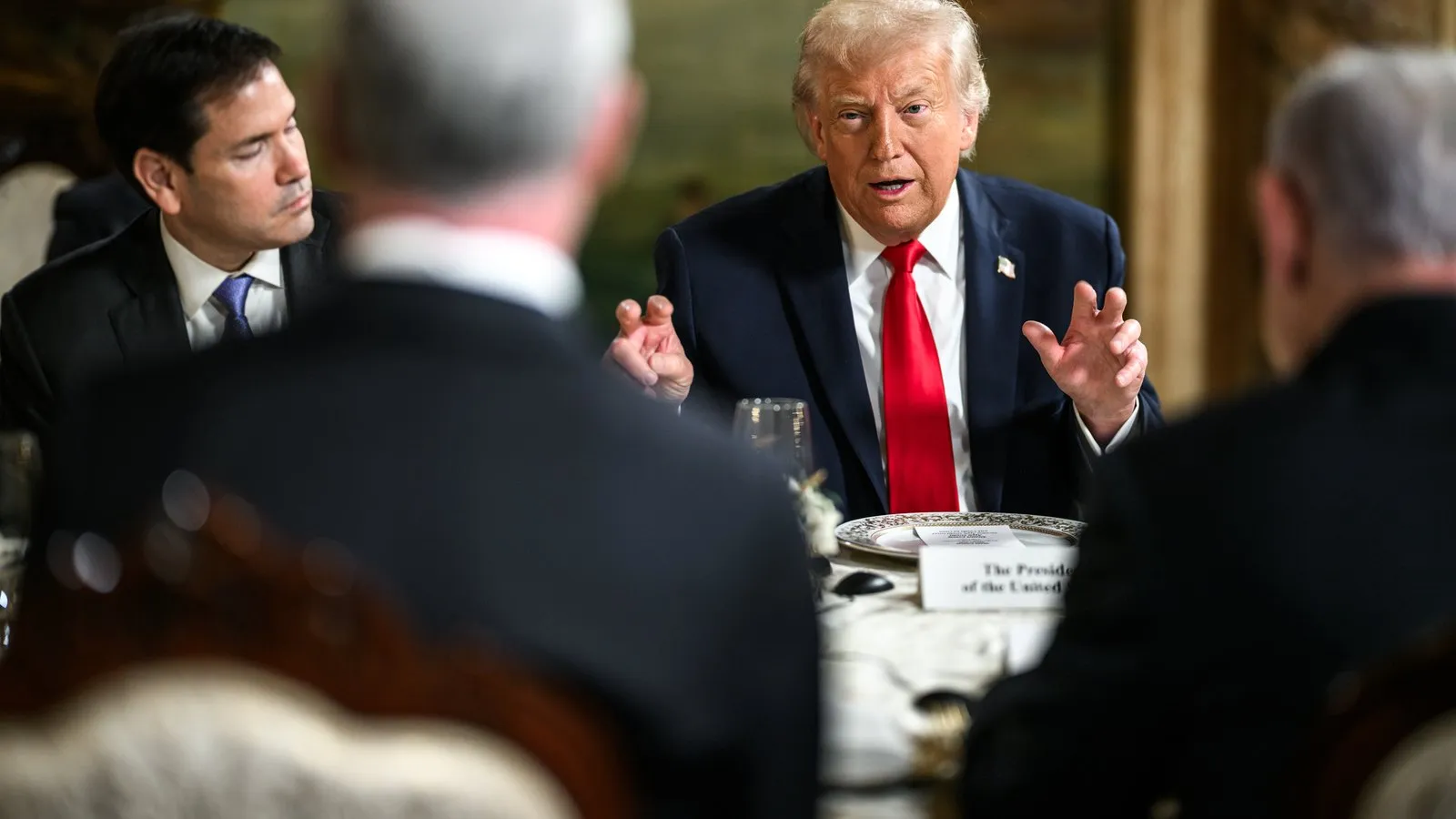
President Trump spent the weekend doing two things at once that do not normally go together: making peace with Iran and threatening to bomb it. While Vice President JD Vance sat across the table from Iran’s foreign minister in Switzerland, working to turn a fragile truce into a lasting agreement, Trump was on social media warning that the United States would “hit Iran very hard again, just like we did last week, only harder!!!”
The split screen captured the whole strange character of this moment in the war. The fighting is supposed to be ending. A memorandum of understanding has been signed, negotiators are in the room, and mediators are talking about a roadmap to a final deal. And yet the president of the United States is publicly threatening to resume the bombing — using the negotiations not as a reason to lower the temperature, but as leverage to raise it.
The Threats
Trump’s warnings have been blunt and repeated. His most recent came as the Switzerland talks were underway, tied to the fighting in Lebanon: “Iran must immediately stop their highly paid PROXIES in Lebanon from causing trouble,” he wrote, referring to the militant group Hezbollah. “If they don’t, we’ll hit Iran very hard again, just like we did last week, only harder!!!”
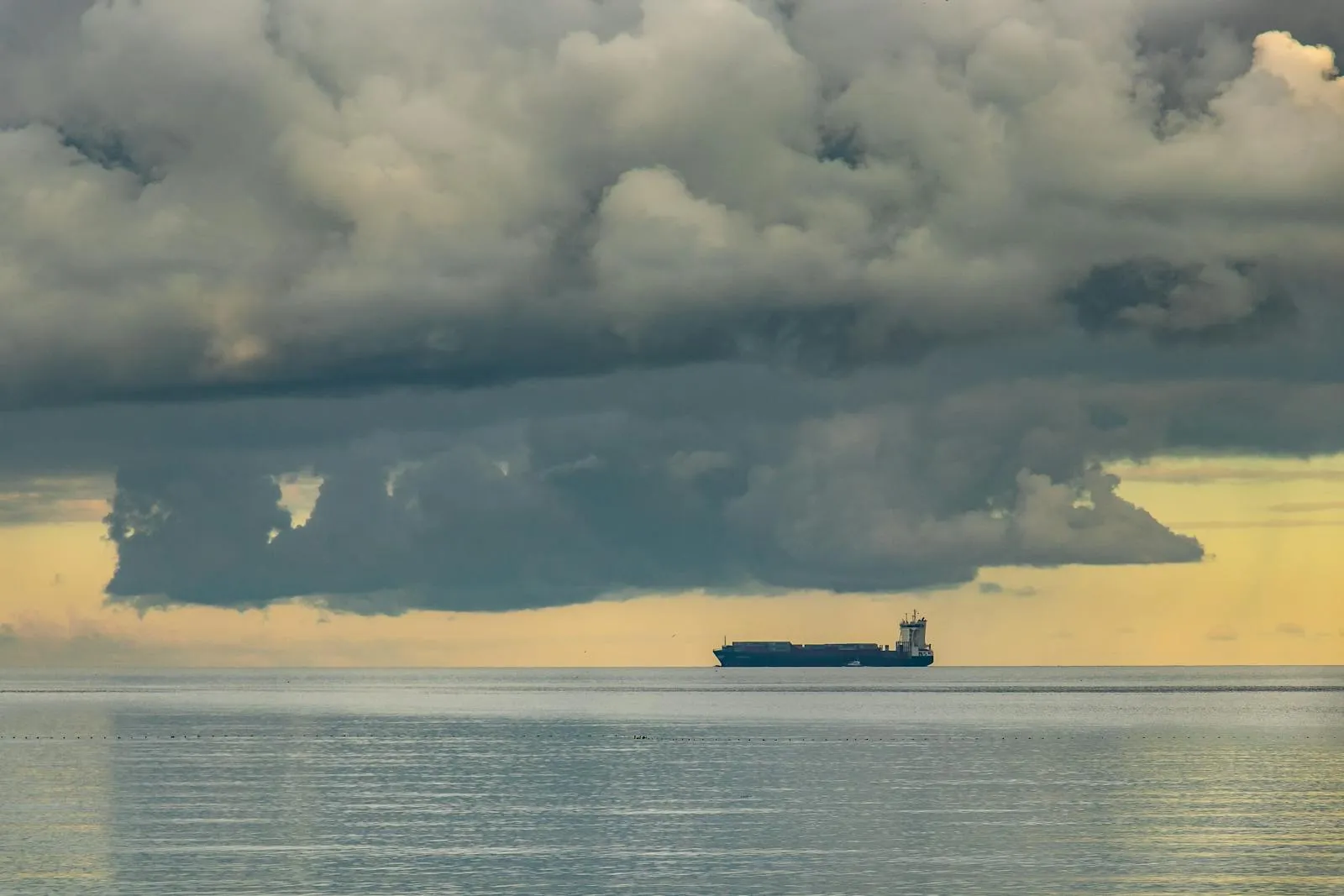
It was not the first time. After signing the memorandum of understanding with Iran on June 17, Trump made the consequences of failure explicit. “If you don’t adhere to the agreement, I don’t want to do that, but we’re going to bomb the hell out of you,” he said. And he has paired the military threats with an economic one, warning that the United States would begin charging tolls on traffic through the Strait of Hormuz if a final deal is not reached within the 60-day window the agreement set.
The “just like we did last week” line is a reference to the U.S. strikes carried out during the recent fighting, the campaign the truce was supposed to close out. By invoking it, Trump is not describing a hypothetical: he is reminding Iran of bombing that already happened and promising more of it. Taken together, the messages amount to a running ultimatum delivered over the top of his own diplomats — comply, or face renewed strikes, harder than before — and they make Trump, not Vance, the loudest American voice in the room even when he is not in it.
The Talks Happening at the Same Time
The remarkable part is that the diplomacy kept moving anyway. Vance had come face-to-face with Iran’s leadership at a resort on Lake Lucerne, alongside special envoys Jared Kushner and Steve Witkoff and Pakistani and Qatari mediators, in the first high-level U.S.-Iran contact in a generation. Despite what mediators acknowledged was a rocky start — Trump’s “hit Iran very hard” threat landed while the negotiators were meeting — the talks concluded early Monday with both sides agreeing to a roadmap toward a final deal within 60 days, and to set up a communication line meant to “avoid incidents” in the Strait of Hormuz. Qatar and Pakistan described the progress as “encouraging.”
That outcome is the case for Trump’s approach: the threats did not blow up the talks, and an agreement to keep talking emerged. The case against it is the obvious one — that publicly vowing to bomb a country while negotiating with it injects a volatility that can spiral past anyone’s control, and hands hardliners on both sides a reason to walk.
What the Threats Are About
Underneath the rhetoric are real, unresolved disputes the 60-day clock is meant to settle. The hardest is the nuclear question. U.S. officials say they want Iran to dismantle its uranium-enrichment program; Iran has said giving up enrichment entirely is unacceptable and would collapse the negotiations. Tehran has insisted, in the words it has used throughout the war, that it will “never bow.”
The more immediate flashpoint is Lebanon, which is what Trump’s latest threat was actually about. The memorandum requires hostilities to cease “on all fronts, including Lebanon,” but Israel’s operations against Hezbollah have continued, and Iran has cited those strikes as its justification for declaring the Strait of Hormuz closed — a claim the U.S. military rejected by pointing to the dozens of ships still moving through. Each side accuses the other of breaking a deal that is only days old. Trump’s threats are aimed at forcing Iran to rein in Hezbollah; Iran’s counter is that Washington has failed to rein in Israel.
The Stakes Beyond the Rhetoric
The threats do not land in a vacuum. For weeks, the prospect of a deal has been pulling the war’s economic shock back down: oil prices fell from their wartime highs as the agreement promised to reopen the Strait of Hormuz, and commercial traffic through the chokepoint began to recover. A genuine return to “bombing the hell out of” Iran would reverse that overnight, sending crude — and the gasoline prices American drivers feel — climbing again, and reviving the inflation pressure the truce had started to ease. The same leverage Trump is using to push Iran is leverage against the U.S. economy if he is forced to follow through.
There is an alliance cost, too. The deal was negotiated over Israel’s objections and without its participation, and Vance himself has warned Jerusalem that it is jeopardizing its most important ally by criticizing it. Trump’s threats over Hezbollah are aimed at Iran, but they sit on top of a Lebanon front that Israel, not Washington, controls — meaning the president is threatening to bomb Tehran over fighting that an ally he cannot fully command is helping to sustain. That is a difficult position from which to issue an ultimatum.
Iran’s Position
Iran has not folded under the pressure, at least not publicly. Its negotiators stayed at the table in Switzerland and signed onto the roadmap, but Tehran has held its red lines — refusing to surrender enrichment and insisting the United States is the party failing to honor the agreement by allowing Israeli strikes to continue. The deal Trump signed has been read by some analysts as delivering real gains to Tehran, including sanctions relief and the lifting of the naval blockade, which gives Iran reasons to keep talking even as Trump threatens it. The result is a negotiation in which both governments are simultaneously cooperating and accusing each other of bad faith.
What Comes Next
The 60-day window is now the thing to watch. If the talks produce a final agreement on the nuclear program and the Lebanon fighting subsides, Trump’s threats will be remembered as hard bargaining that worked. If the negotiations stall over enrichment, or if Hezbollah and Israel keep trading fire, the same threats become a fuse — and Trump has left himself little rhetorical room to back down from a promise to bomb “harder” than before.
For now, the United States is running two foreign policies toward Iran at the same time: one conducted by a vice president in a conference room in Switzerland, the other by a president on his phone. Whether they are working in tandem or against each other is the question the next two months will answer. The deal is supposed to end a war. The man who signed it keeps reminding everyone he is ready to restart one.
Sources 5 cited
- U.S. and Iranian negotiators meet as Trump threatens to 'hit Iran very hard again' over Hezbollah
- Trump threatens to charge U.S. tolls in Strait of Hormuz if final Iran deal not reached in 60 days
- U.S. and Iran agree to 'roadmap' for final deal, mediators say
- Trump's Iran deal delivers key gains for Tehran, testing Washington's red lines
- Iran says it will 'never bow' as Trump rejects peace counteroffer
American Courant cites its sources and links to primary documents where they exist. How we report →