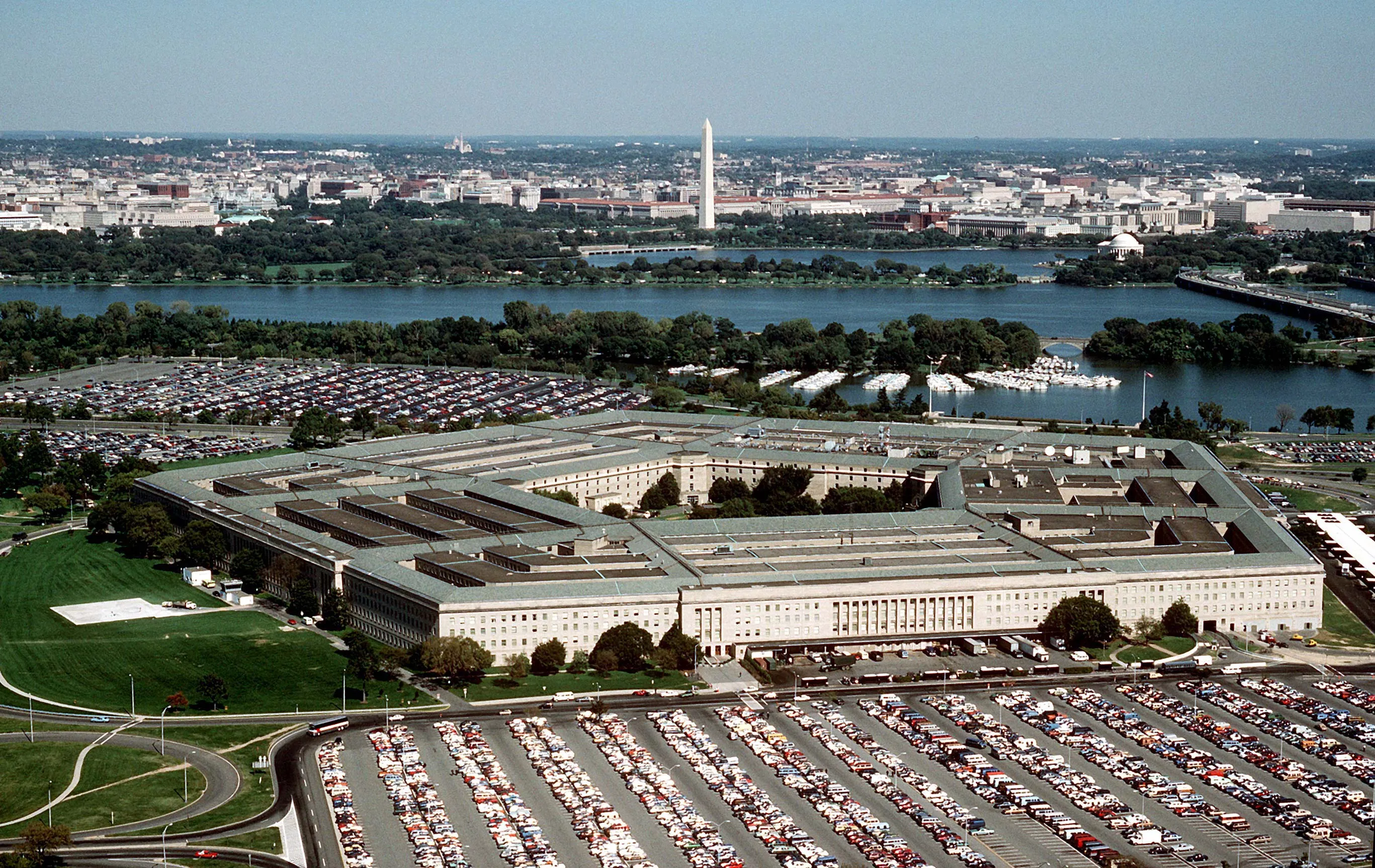
The Pentagon put its first public price tag on the Iran war Wednesday: $25 billion. It came out under hostile questioning from a House committee that spent nearly six hours pressing Defense Secretary Pete Hegseth for answers he often refused to give.
The figure, from acting Pentagon comptroller Jules Hurst III, is the first time the Trump administration has disclosed the cost of the months-old conflict. Most of the spending has gone to munitions, Hurst told the House Armed Services Committee, with the rest covering operations, equipment replacement and maintenance.
It is also, by the Pentagon’s framing, an interim number. CNN reported, citing two sources familiar with the accounting, that the real cost is closer to $40 to $50 billion once damage to U.S. bases in the region is included.
Hegseth’s opening salvo
Hegseth used his opening statement to pre-empt the committee’s critics.
“The biggest adversary we face at this point are the reckless, feckless and defeatist words of congressional Democrats and some Republicans,” he said.
The framing set the tone. Democratic lawmakers, joined intermittently by Republicans, pressed Hegseth on the legality of the campaign, which Congress has never authorized, and on his recent firings of senior military leaders. He mostly declined to answer specifics. The authorization question follows a separate fight in Congress over the 60-day War Powers Resolution deadline for the Iran conflict.
Garamendi’s broadside
Rep. John Garamendi of California, a senior Democrat on the panel, was the most direct.
“Secretary Hegseth, you have been lying to the American public about this war from day one, and so has the president,” Garamendi said. He called the war “a geopolitical calamity,” “a strategic blunder,” and “a self-inflicted wound to America.”
Hegseth did not respond directly. The committee’s Republican chair cut off several lines of questioning that ran past their time.
No end date
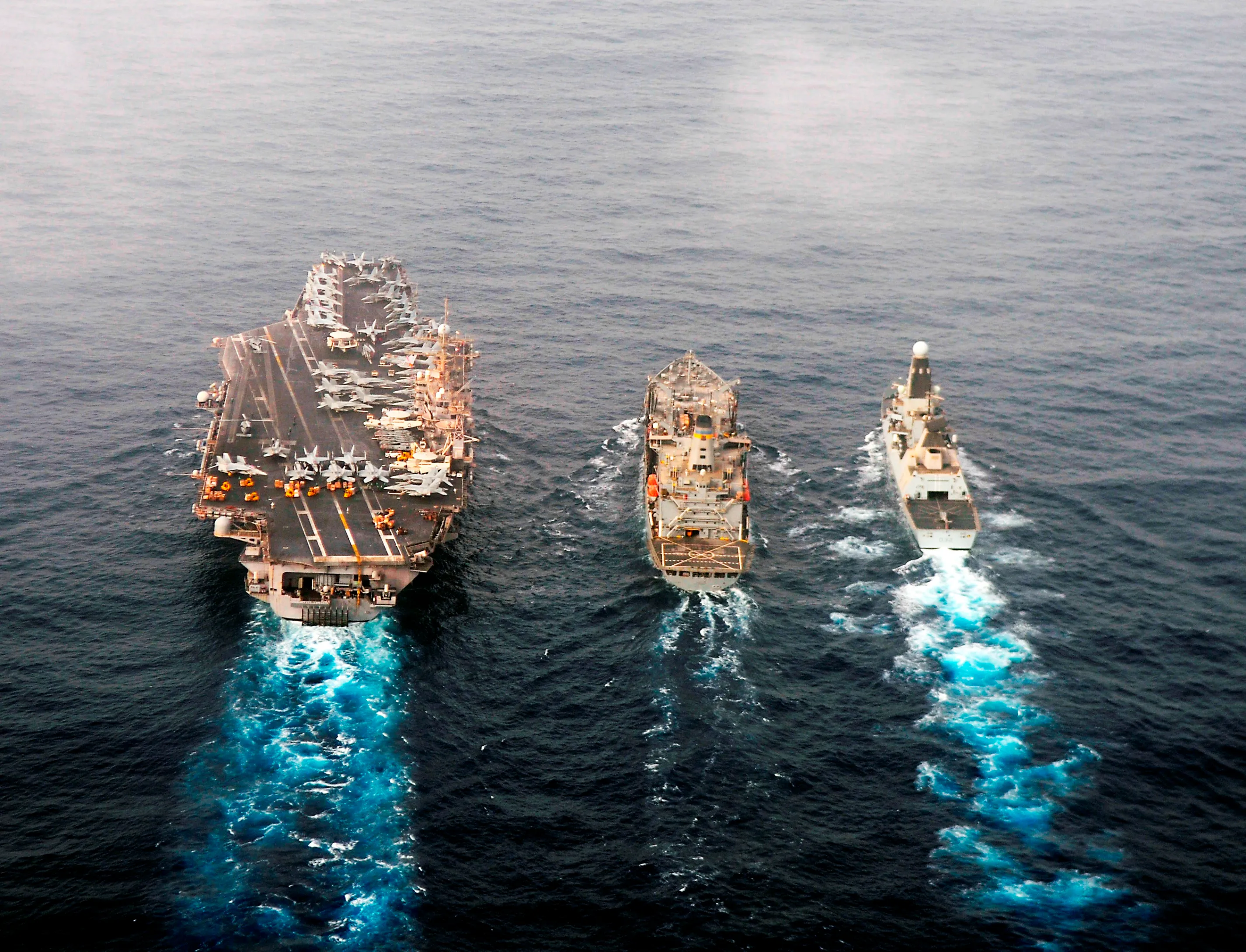
Asked for a timeline, Hegseth offered none. The U.S. naval blockade of Iranian ports remains in force, and U.S. Central Command said this week that 42 commercial vessels have been redirected, including 41 oil tankers carrying roughly 69 million barrels of crude that the regime cannot sell. We covered the early phase of the conflict in our reporting on the Strait of Hormuz attacks and the immediate market shock that followed.
None of that was framed at the hearing as a marker of progress toward ending the conflict.
Hurst told the committee the Pentagon will seek a supplemental appropriation once the full cost of the war can be assessed. He gave no timeline for that request.
The Pentagon’s overall fiscal 2027 budget request, the official subject of the hearing, came in at roughly $1.5 trillion, a record. The Iran war’s cost is being tracked separately for now.
What the hearing didn’t settle
The committee adjourned without resolving any of the questions Democrats had pressed: when the war ends, what counts as victory, whether the $25 billion estimate is honest, and whether the administration plans to ask Congress for an authorization for what is now a months-long combat operation.
Hegseth left the hearing after nearly six hours. The $25 billion figure was the only concrete answer the committee got.
Sources 9 cited · 1 primary
- Record Version Statement by the Honorable Pete Hegseth Secretary of War — FY27 Posture Testimony
- Iran war has cost the U.S. $25 billion so far, Pentagon official says
- Lawmakers question Hegseth's Pentagon firings, leadership of Iran war
- The Iran war now has a price tag ($25 billion), but still no end date
- Hegseth defends Iran war's mission, costs in first testimony since conflict began
- 4 takeaways from Hegseth's hearings on historic defense budget request, Iran war
- 'A strategic blunder': Democrats confront Hegseth as the Iran war's price tag hits $25 billion
- Repairing damaged US military bases will add billions to Iran war cost, sources say
- Iran war's true cost closer to $50 billion, not $25 billion, U.S. officials say
American Courant cites its sources and links to primary documents where they exist. How we report →