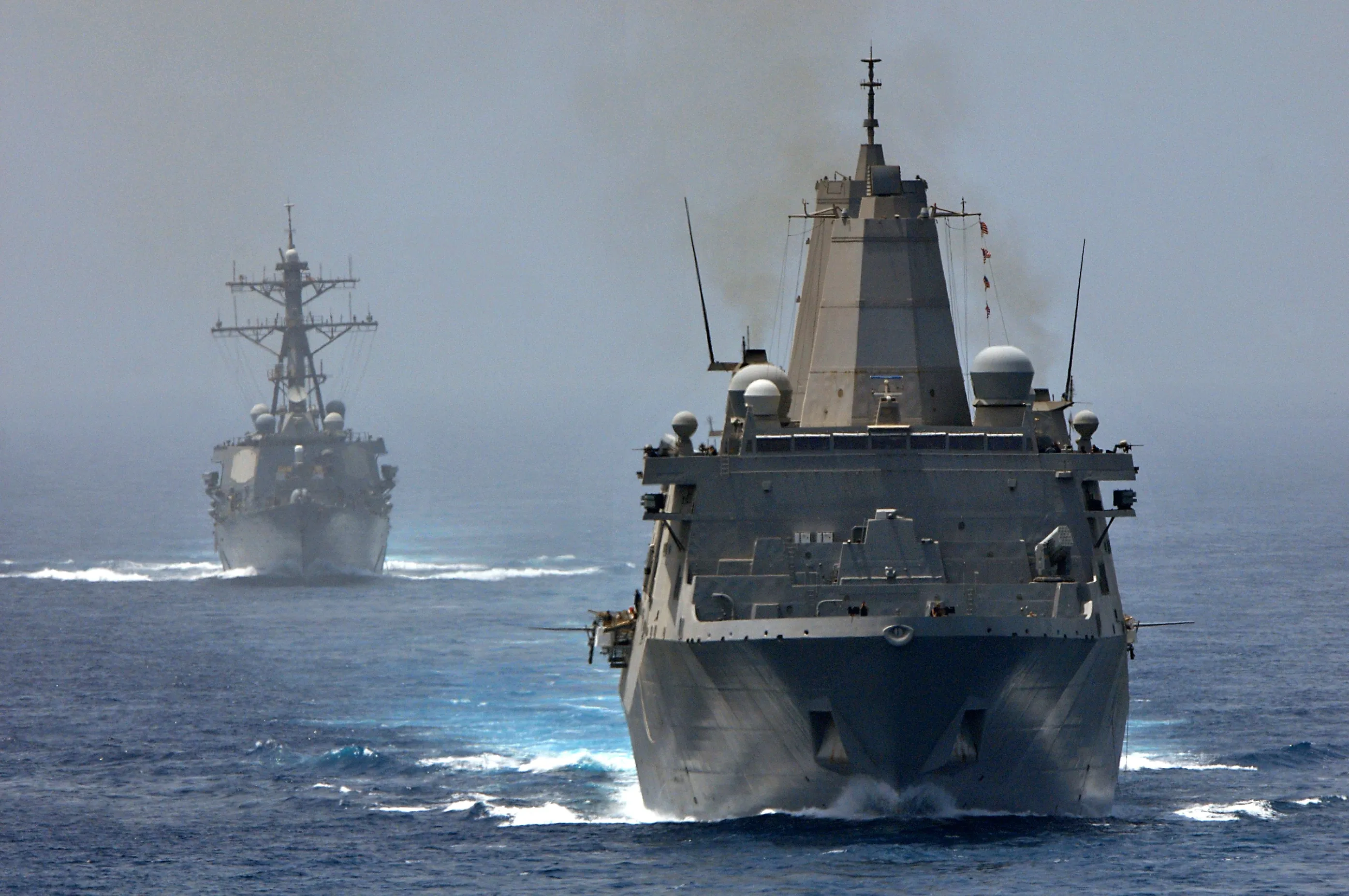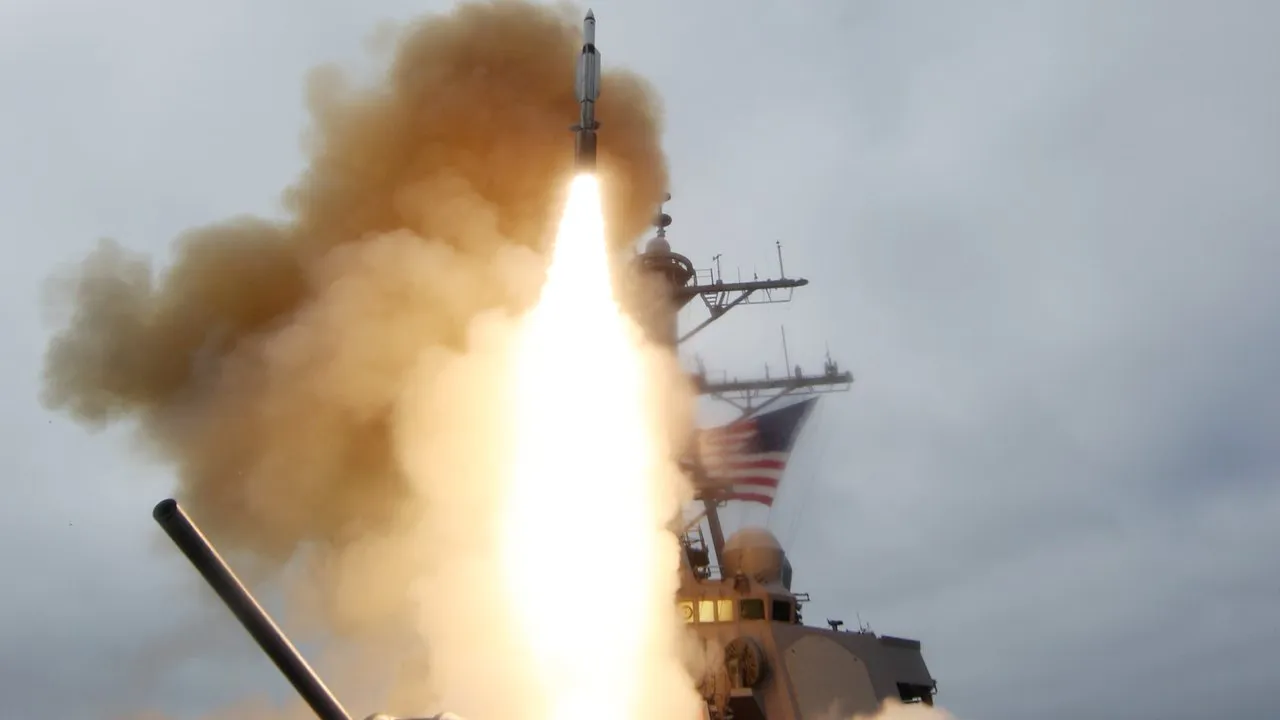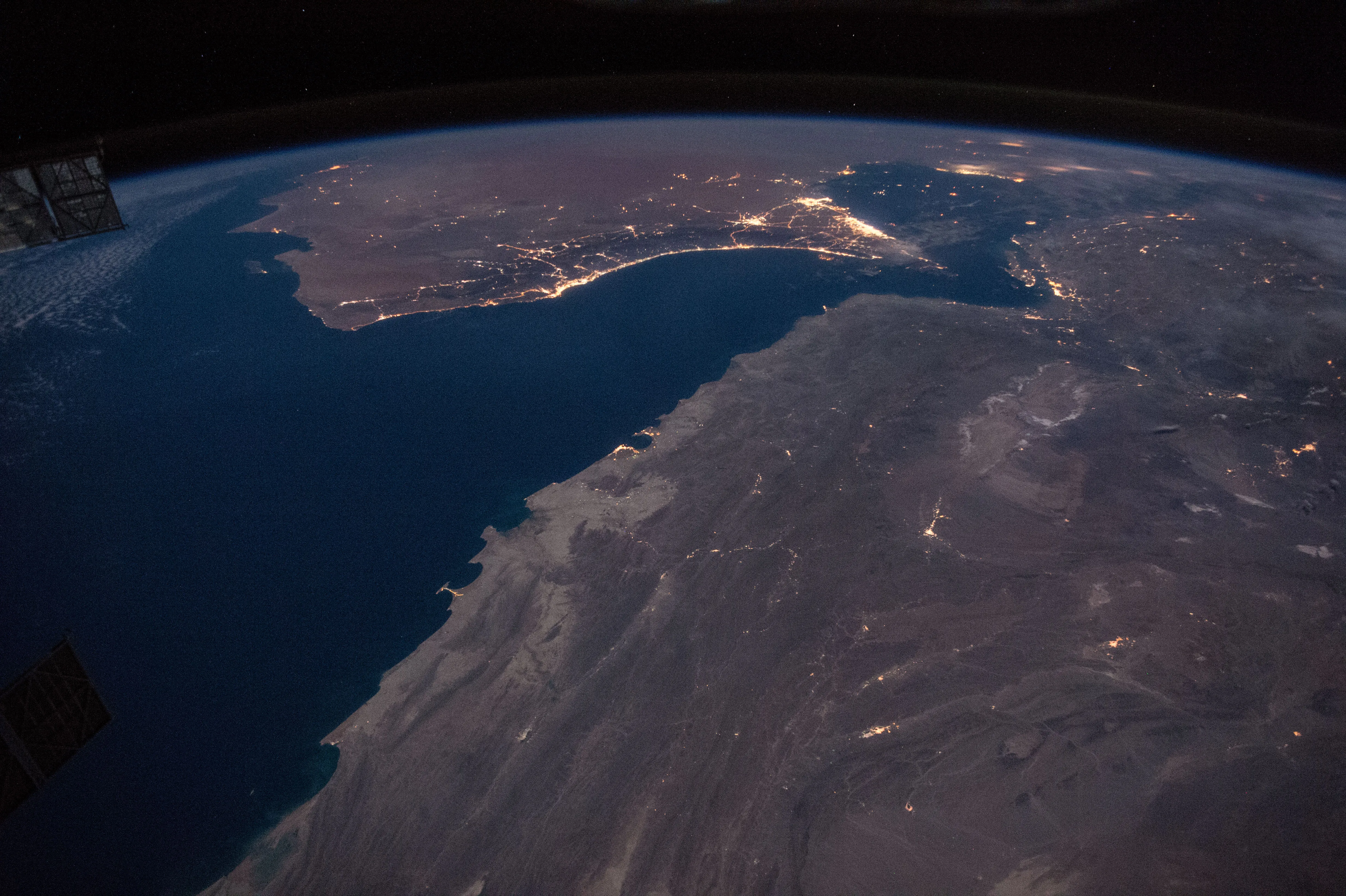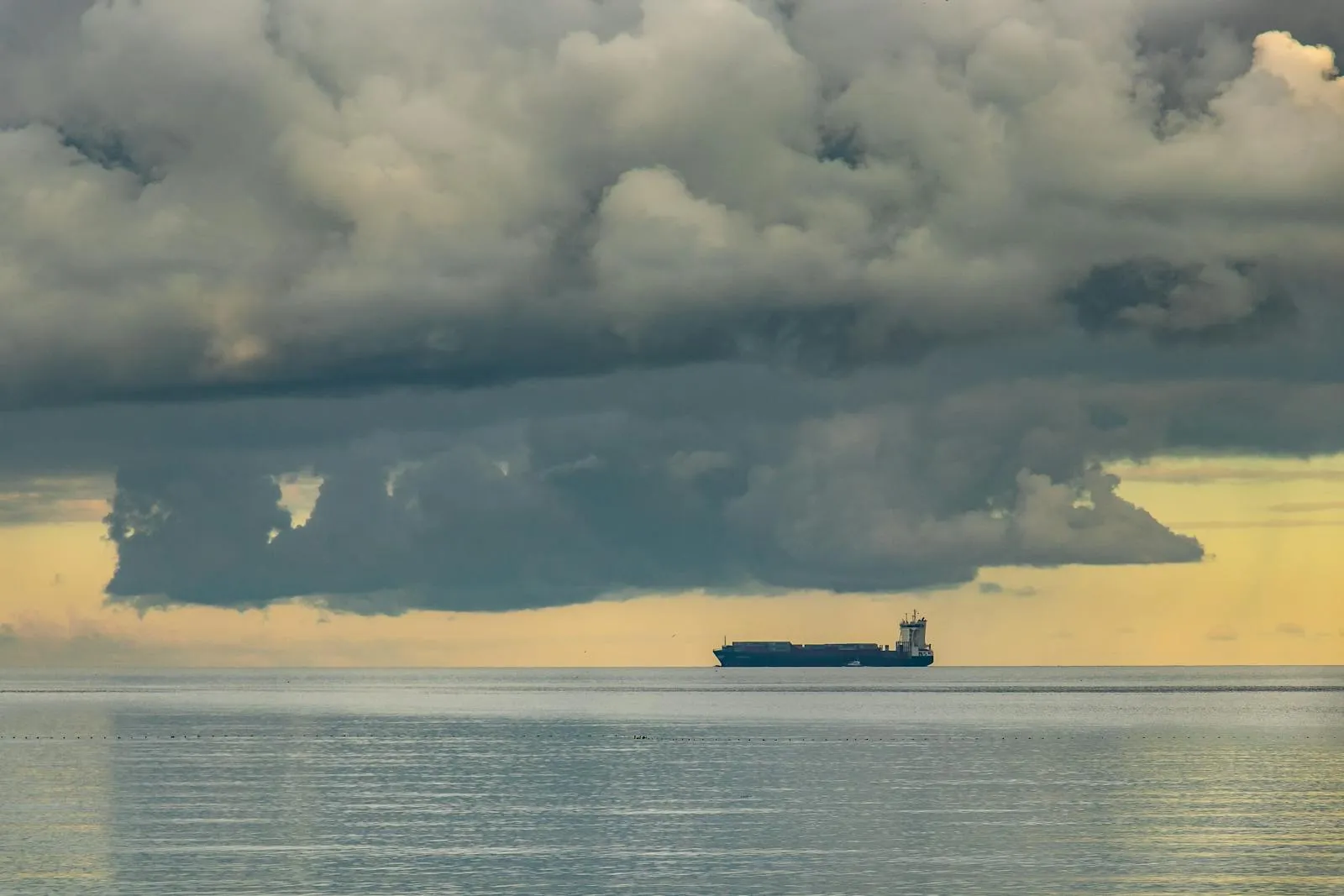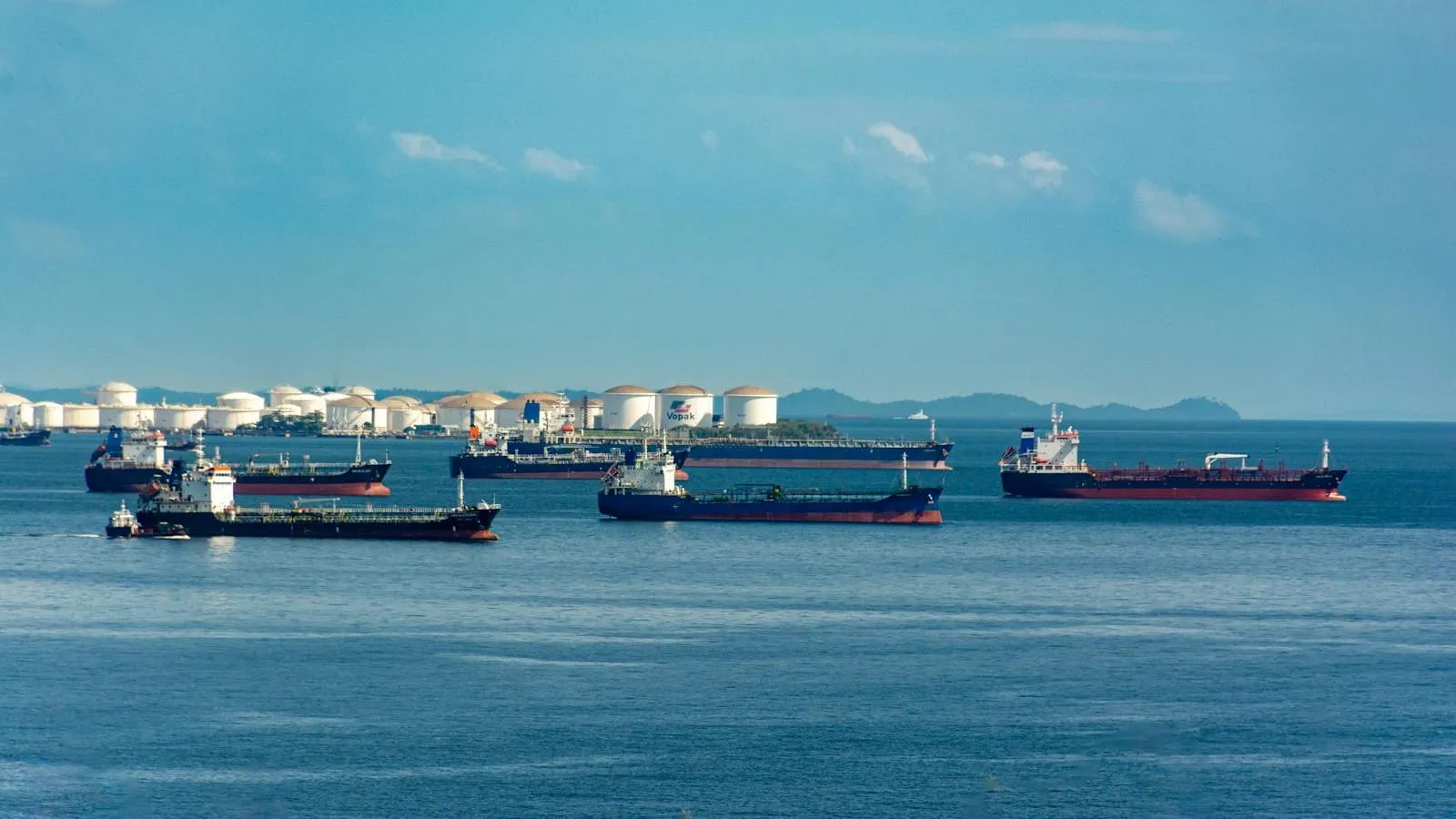
At least three vessels were attacked in the Strait of Hormuz on Wednesday, hours after a planned U.S.–Iran meeting in Pakistan collapsed and the Trump administration extended its naval blockade through the end of the month.
Two of the ships were chemical tankers under foreign flags. The third was a smaller bulk carrier. Damage assessments are still incomplete, but two crew members were reported wounded and at least one ship was taking on water in the early hours after the strikes.
President Trump confirmed the attacks at a White House press gaggle Wednesday afternoon. “Iran chose this,” he said. “We did not.”
The Pakistan track was supposed to thaw things
For two weeks, U.S. envoys Steve Witkoff and Jared Kushner had been quietly preparing what officials called a “narrow window” meeting in Pakistan with Iranian counterparts — a track that, on paper, was meant to extend the fragile Israel–Lebanon ceasefire and reopen at least partial freedom of navigation in the Gulf.
Tehran did not show up. Pakistani officials, who had brokered the location, declined to comment on the cancellation beyond a single line confirming “the parties did not arrive.”
Within the day, the strait was on fire again.
What happens next
Two questions hang over the rest of the week. First, whether the strikes pull European shipping insurers further out of the region — Lloyd’s underwriters had already widened the war-risk zone earlier this month, and Wednesday’s attacks are likely to push premiums higher again. Second, whether Israel’s three-week ceasefire extension with Lebanon survives a Gulf escalation it was always tied to in spirit if not on paper.
Officials in three European capitals said privately that they expect a U.N. Security Council meeting before the weekend. Russia and China are expected to call for restraint without naming Iran. The U.S. is expected to push for sanctions language that, in any other year, would not have made it onto the agenda.
For oil markets, the immediate effect was a $4 spike per barrel by the close of trading. The longer effect — on rates, on inflation, on every consumer good that moves by sea — will take weeks to settle.
Sources 7 cited · 1 primary
- 2026 Strait of Hormuz crisis
- 2026 United States naval blockade of Iran
- U.S. sinks 7 small Iranian boats as Iran launches attacks on UAE and ships in Strait of Hormuz
- U.S. tries to force open the Strait of Hormuz as the UAE comes under attack
- U.S. seizes Iranian cargo ship in Strait of Hormuz
- Strait of Hormuz — flashpoint analysis
- US and Iranian militaries trade shots as Strait of Hormuz tensions escalate
American Courant cites its sources and links to primary documents where they exist. How we report →