In the small hours of Wednesday, the war that was supposed to be over flared back into something approaching a regional conflict. Iranian ballistic missiles were fired at two American Gulf allies, drones hit a major civilian airport, the United States carried out fresh strikes on Iranian soil, and Tehran’s most senior diplomats made clear they were no longer talking to anyone. By the time the sun rose over the Persian Gulf, the seven-week-old ceasefire was still technically in effect — and looking less and less like one.
The question now is not whether the truce is fraying. It is whether what’s left of it can survive another night like the last one.
What Iran did overnight
According to U.S. Central Command and statements from the governments of Kuwait and Bahrain, Iran launched a coordinated attack against multiple Gulf targets early Wednesday. Two Iranian ballistic missiles were fired toward Kuwait; per CENTCOM, both “fell short or broke apart enroute.” Three Iranian missiles were fired toward Bahrain; per CENTCOM, “three missiles launched at Bahrain were immediately intercepted” by U.S. and Bahraini air-defense systems.
Iranian drones, however, got through. At least one drone struck Terminal 1 of Kuwait International Airport. Kuwait’s foreign ministry said in a statement that “the attacks once again targeted civilian and vital facilities, including Kuwait International Airport, resulting in the death of one individual, injuries to others, and damage to vital facilities, including diplomatic missions.” Subsequent figures put the number wounded at 63, with seven in critical condition. The Kuwaiti military said any “sounds of explosions heard are the result of air defense systems intercepting these hostile attacks.” Flights at the airport were suspended.
Bahrain’s defense force issued its own statement, saying Iran “continues its systematic hostile approach through missile and drone attacks targeting civilian sites in the Kingdom of Bahrain” and confirming its air-defense systems had “intercepted and destroyed three missiles and a number of drones.”
Iran’s state broadcaster IRIB claimed that U.S. military facilities in Kuwait had been struck in the salvo, a claim CENTCOM publicly denied. Iran’s Revolutionary Guard Corps said the strikes “should serve as a lesson” for the United States — a phrase Tehran has used before, including during the late-May exchanges over the Strait of Hormuz.
What the U.S. did back
The American response landed on Iranian soil within hours. CENTCOM said it conducted self-defense strikes against an Iranian military ground-control station on Qeshm Island, the same island in the Strait of Hormuz that has been a recurring target of “self-defense” strikes since the ceasefire began. CENTCOM also reported that U.S. forces shot down three Iranian drones launched against civilian sailors transiting regional waters.
This continues a pattern the United States has held to for two months: under the framework of the April 8 ceasefire, the Pentagon classifies its strikes as defensive responses to specific Iranian actions — drone shootdowns, mine-laying, missile fires — rather than offensive operations. CENTCOM’s most recent formal posture, issued in its weekend statement titled “U.S. Defends, Disables Threats in Response to Iranian Aggression,” promised the command would “continue to defend our forces while using restraint during the ongoing ceasefire.” Whether striking Iranian sovereign territory two times in a week — once over the weekend, again on Wednesday — meets a plain-English definition of “restraint” is the kind of question diplomats and not generals will eventually have to answer.
Iran walked away from the talks
The diplomatic dimension is what makes Wednesday qualitatively different from the strike exchanges of the past month. On Monday, Iran’s foreign ministry informed mediators that it was suspending negotiations with the United States — a decision Iranian state media tied directly to Israel’s escalating operations in Lebanon, but which has held even as those Lebanese operations were dialed back after a profanity-laced call between Trump and Prime Minister Netanyahu.
Iran’s Foreign Minister Abbas Araghchi posted on X that “the ceasefire between Iran and the US is unequivocally a ceasefire on all fronts, including in Lebanon,” adding that “its violation on one front is a violation of the ceasefire on all fronts. The US and Israel are responsible for the consequences of any violation.” Tehran subsequently announced it would pursue “complete closure” of the Strait of Hormuz — a maximalist position that, if enforced, would itself unwind the central material concession Iran had been preparing to give up under the proposed deal.
That deal — the 60-day cessation of violence, Hormuz reopening, and follow-on nuclear talks that Trump has been advertising as nearly closed — does not have a participant at the table on the Iranian side as of Wednesday morning. Pakistan, which has been acting as a back-channel between Washington and Tehran, has not announced any resumption of mediation.
What’s happening with the strait
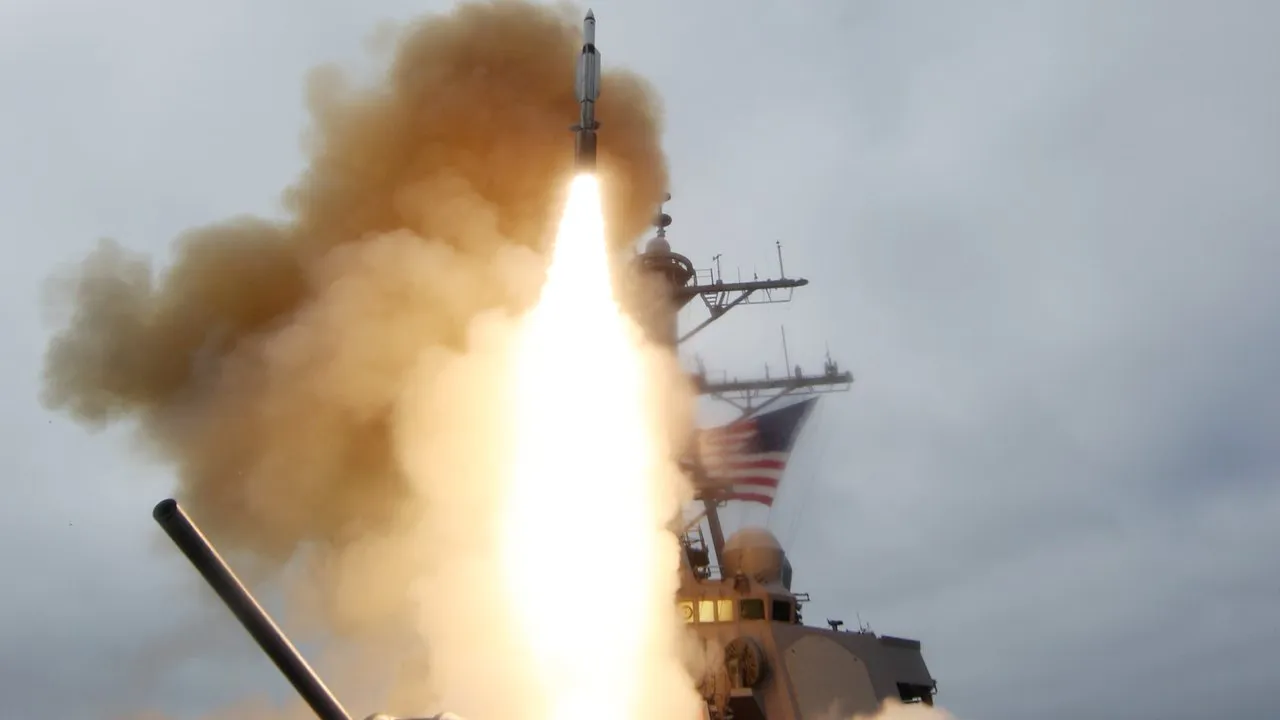
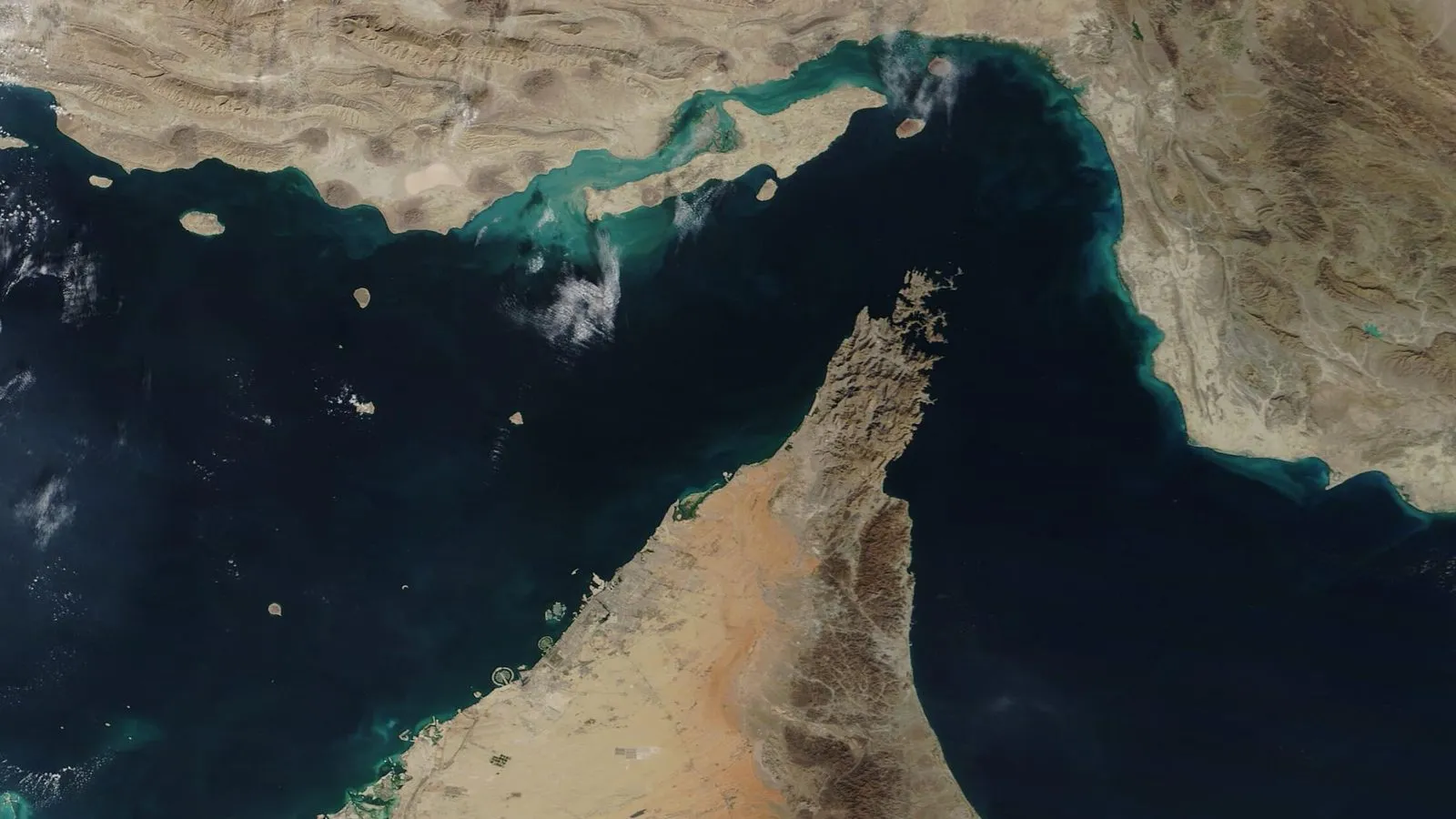
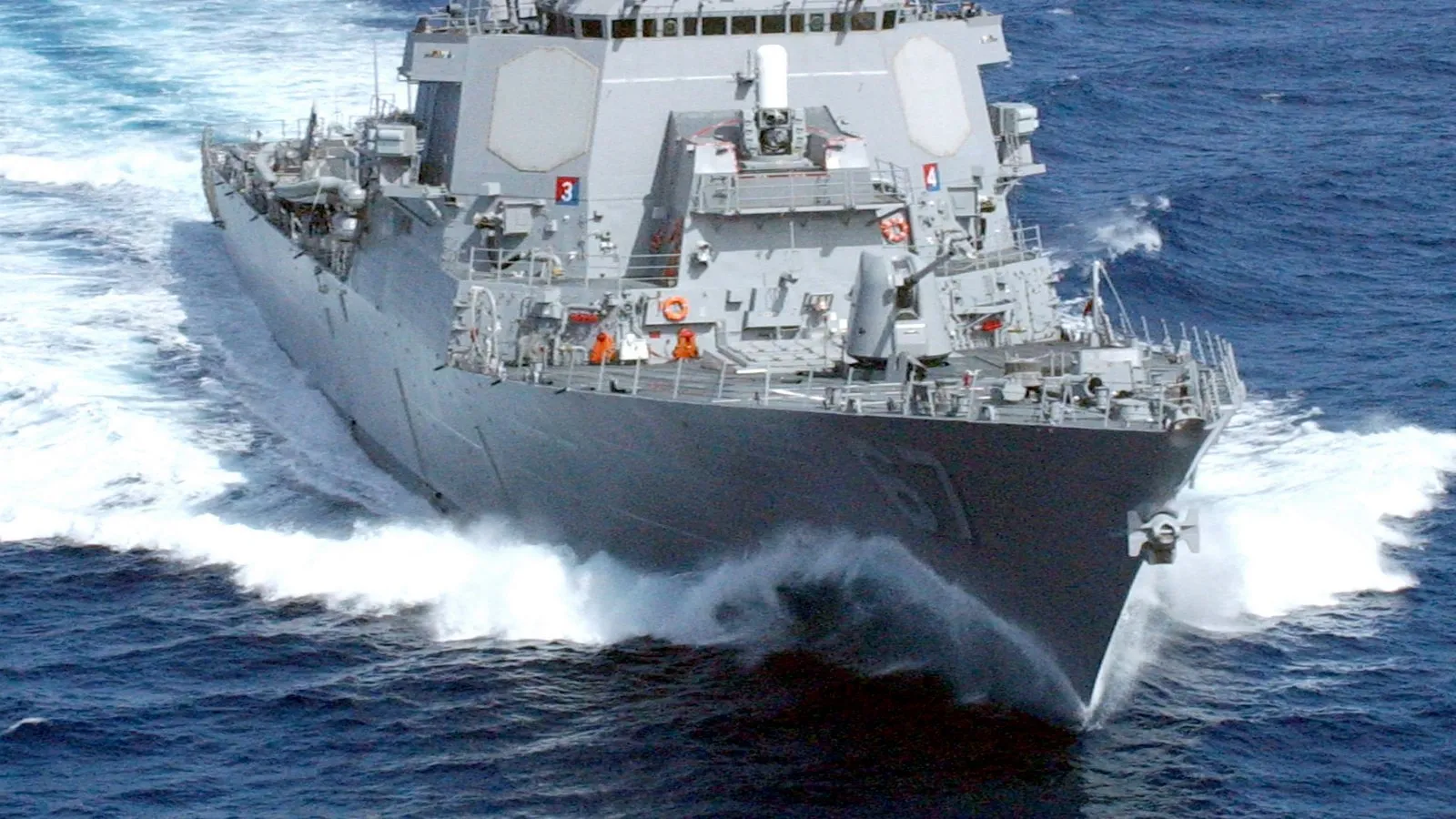
Iran’s threat to “completely” close the Strait of Hormuz is more than rhetorical. Since the war began, Iran has imposed what it calls a transit fee on commercial vessels passing through the chokepoint — a system the United States rejects as an illegal toll. U.S. Navy destroyers, including Arleigh Burke-class warships of the type pictured above, have been informally guiding commercial transits without resuming the suspended Project Freedom convoy operation. The mine-laying activity that drew the recent U.S. self-defense strikes is itself evidence that Iran retains, and is willing to use, the option of choking traffic at the world’s most important oil chokepoint.
About a fifth of global crude flows through Hormuz. A genuine and sustained closure — as distinct from the partial disruption of recent months — would translate within days into measurable spikes in fuel and insurance prices and into political pressure on a White House that has been telling the country a deal was almost done.
Where the ceasefire stands
In formal terms, the April 8 ceasefire has not been declared terminated by either side. Iran’s foreign ministry continues to refer to it as a ceasefire that has been violated. CENTCOM continues to refer to American strikes as conducted “during the ongoing ceasefire.” The United States and Iran are, by the official posture of both governments, still observing a truce.
In practical terms, on Wednesday morning, Iranian missiles were aimed at Kuwait and Bahrain, Iranian drones killed a civilian and injured 63 others at a U.S. ally’s main airport, American warplanes struck a third country’s territory, and Iran’s senior diplomats are not in any room with American counterparts. Both descriptions of the situation are simultaneously true. They cannot both stay true much longer.
What happens next
The most immediate variables are whether Iran resumes any communication channel, whether the United States carries out further strikes in response to the Wednesday attacks, and whether Tehran moves from rhetorical to material closure of the Strait of Hormuz. The Trump administration’s stated timeline — an agreement closed within “the next week” — was always optimistic and is now operating against a counterparty that is, formally, no longer negotiating.
Two months of fragile calm have produced a deal nobody has signed and a war nobody has formally restarted. Wednesday brought the closest thing yet to a third option: a war that is no longer pretending, and a ceasefire that no one can quite afford to declare dead.
Sources 6 cited · 1 primary
- U.S. Defends, Disables Threats in Response to Iranian Aggression
- Iranian missiles target Bahrain, Kuwait; US says threats successfully defeated
- Iranian drone hits Kuwait's main airport after US strikes Qeshm Island
- Iran stops negotiations with U.S., vows to 'completely' block Strait of Hormuz: State media
- Iran halts ceasefire talks with US, says it will keep Strait of Hormuz closed
- US foils Iranian missile attacks on Kuwait and Bahrain, targets Qeshm Island in response
American Courant cites its sources and links to primary documents where they exist. How we report →