President Trump on Tuesday ordered a pause to Project Freedom, the U.S. Navy escort operation in the Strait of Hormuz he had launched less than 24 hours earlier, citing “great progress” toward a “complete and final agreement” with Iran and honoring a request from Pakistan to allow diplomacy a chance to work.
The announcement came via Truth Social on Tuesday evening. Trump did not name a deadline for the pause, leaving its duration open-ended while negotiations continue. But he was explicit that the pause does not mean the U.S. is backing down: the naval blockade of Iranian ports remains fully in force.
“While the Blockade will remain in full force and effect,” Trump wrote, “Project Freedom — the Movement of Ships through the Strait of Hormuz — will be paused for a short period of time to see whether or not the Agreement can be finalized and signed.”
What Project Freedom Did in Its First 24 Hours
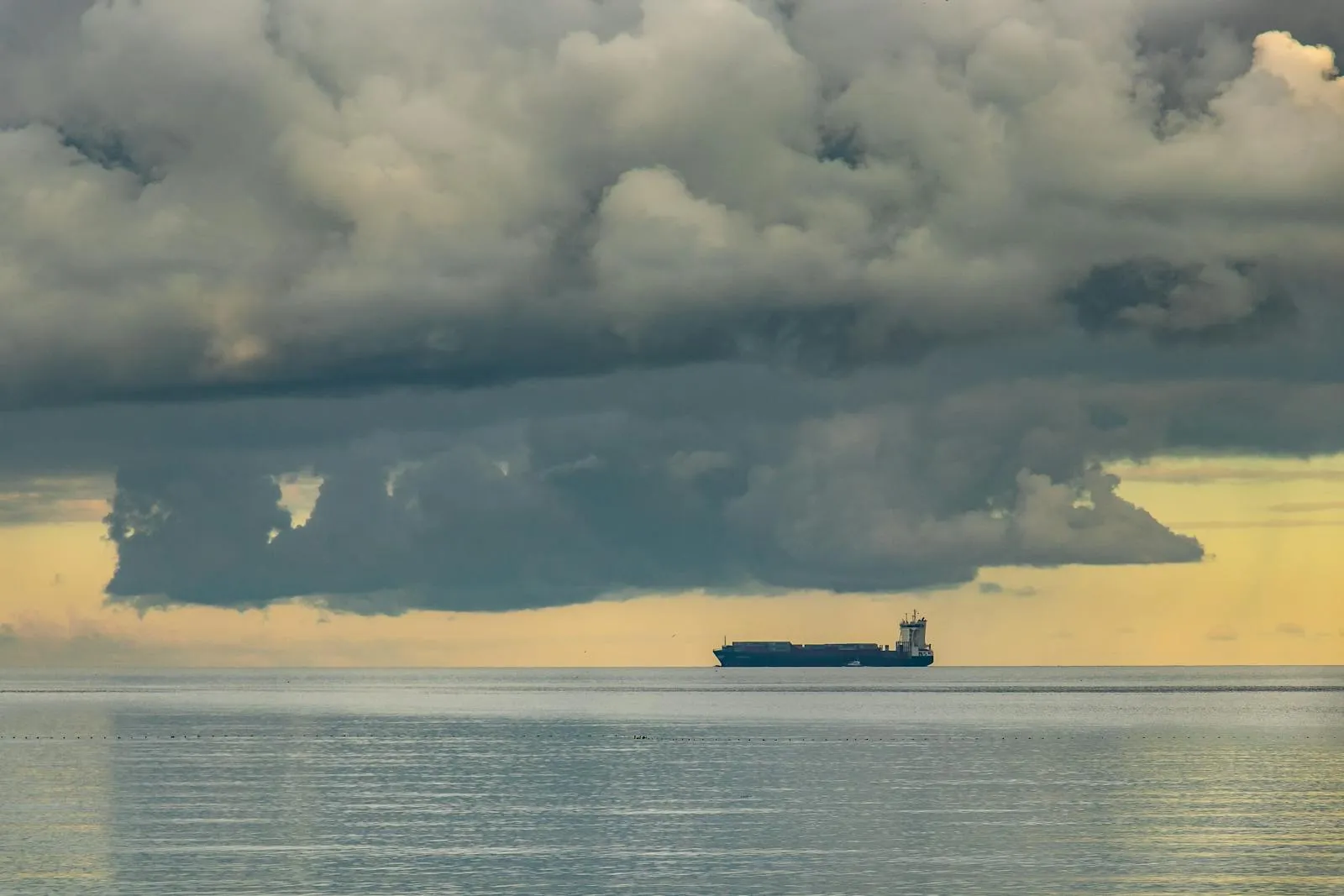
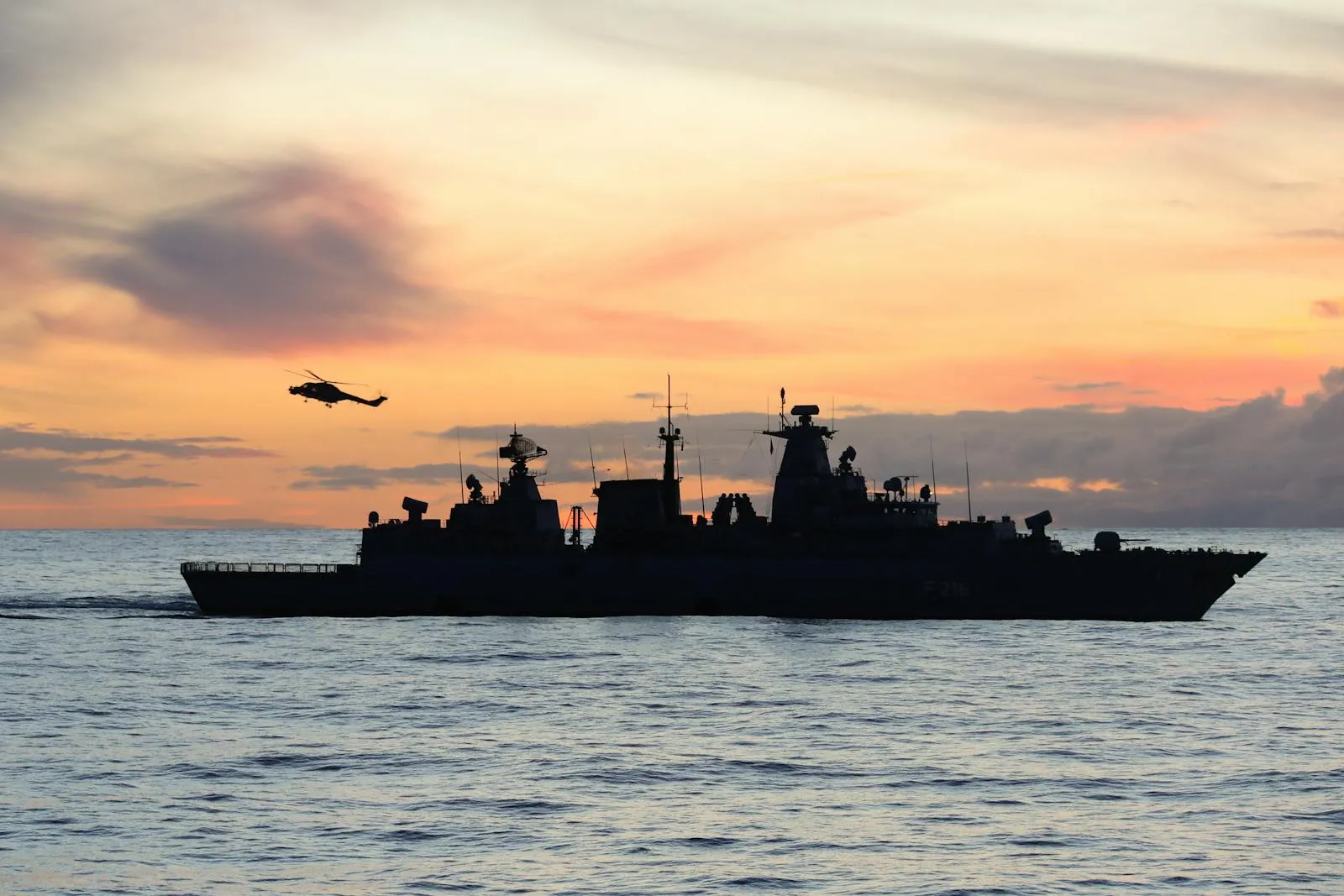
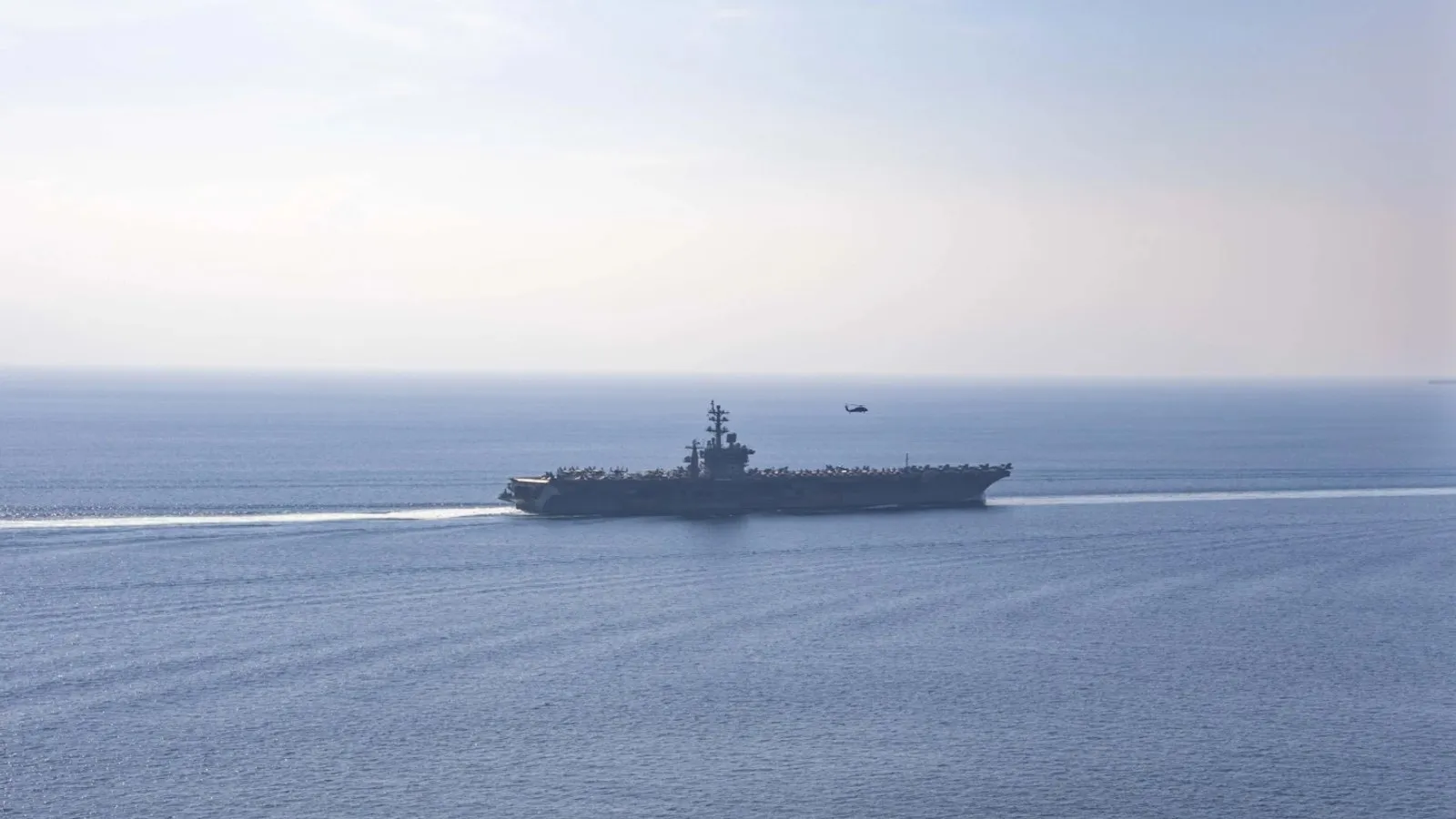
Project Freedom launched Monday under the command of CENTCOM Admiral Bradley Cooper, deploying two guided-missile destroyers — USS Truxtun (DDG-103) and USS Mason (DDG-87) — along with more than 100 land- and sea-based aircraft, unmanned platforms, and roughly 15,000 service members in a mission to escort commercial vessels through a strait Iran has largely sealed since Iranian forces began striking commercial ships and blocking tanker routes in April.
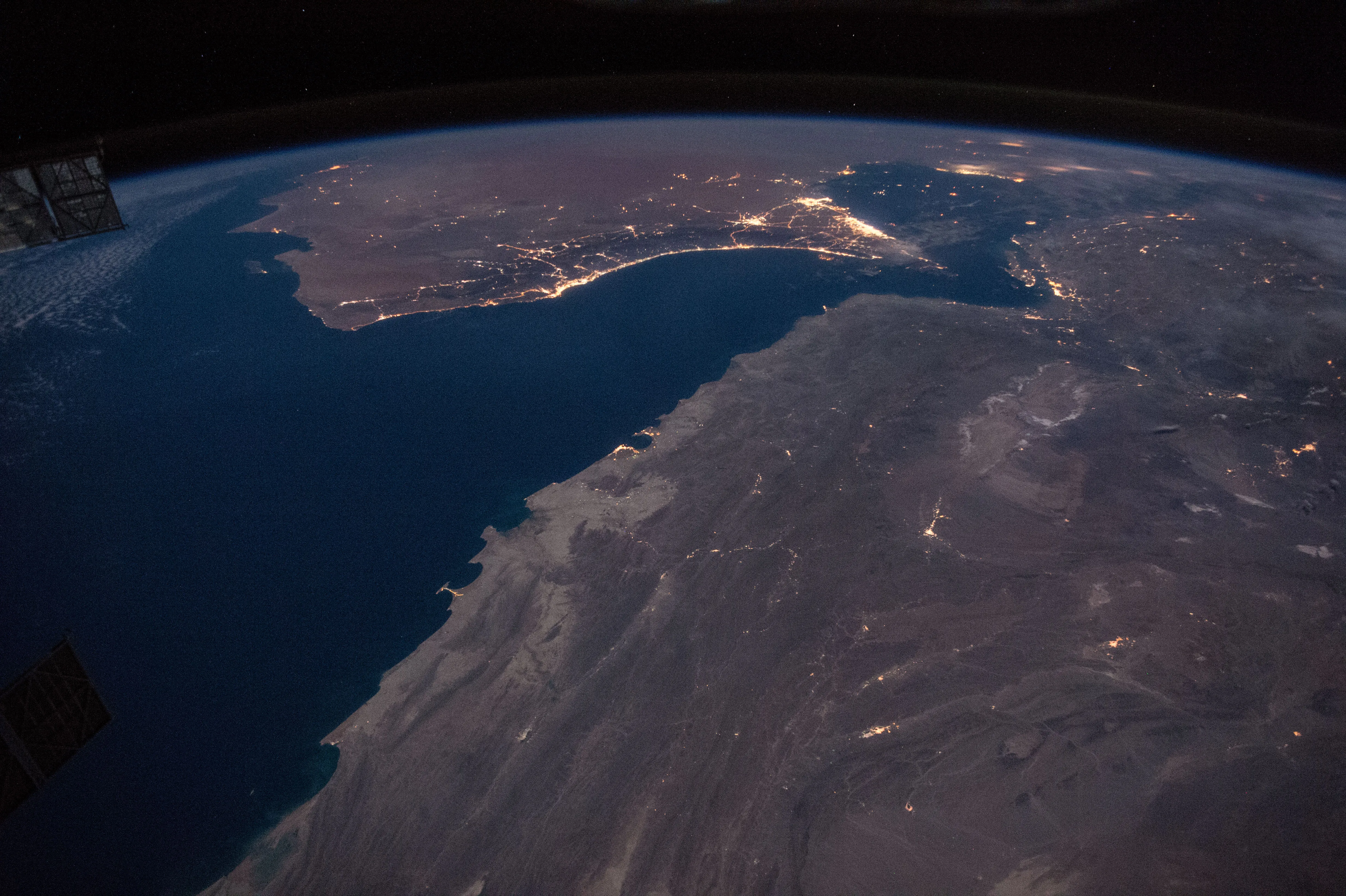
The first named commercial transit under U.S. protection was the Maersk vessel Alliance Fairfax. Only four commercial ships crossed the strait on Monday despite the operation, according to S&P Global Market Intelligence — a sign of how thoroughly the passage has been paralyzed. Before the conflict began, more than 20 million barrels of oil per day moved through the strait, roughly 20 percent of global supply.
Iran did not let the operation go unanswered. Within hours of the launch, Iranian forces fired cruise missiles, drones, and small boats at U.S. Navy ships and commercial vessels transiting under protection. U.S. forces responded: CENTCOM confirmed it had sunk at least six Iranian fast boats that were threatening commercial shipping in the strait. No U.S. warships were struck.
Monday’s confrontation in the strait came on top of Iran’s large-scale missile barrage against UAE oil infrastructure — 12 ballistic missiles, three cruise missiles, and four drones fired at Fujairah’s petroleum zone, sparking a fire at an oil terminal and injuring three Indian workers. Together, Monday’s events marked the conflict’s worst day since the April ceasefire.
The Blockade Stays. The Escort Doesn’t.
The pause reveals a sharp distinction between two separate U.S. instruments in this conflict.
Project Freedom — escorting commercial ships through the strait — is the visible, kinetic piece: U.S. warships and aircraft running alongside merchant vessels while Iran tries to intercept them. Pausing it means the active escort mission stops. Commercial shipping companies are again on their own if they attempt the passage, though the U.S. military presence in the region remains.
The blockade of Iranian ports is different. Established in mid-April, it chokes off Iran’s ability to export its own oil and receive imports. It’s been the primary economic lever the United States has maintained throughout the conflict, and it continues regardless of what happens with the escort mission.
Trump has been clearer about the blockade than almost anything else in this conflict: it does not stop until a deal is signed.
The Iran Deal: Close, But the Hard Part Remains
Iran submitted a 14-point proposal through Pakistani intermediaries around the end of April and beginning of May. The proposal covers a wide range of demands: an end to the conflict within 30 days, withdrawal of U.S. forces from Iran’s periphery, a full end to the U.S. naval blockade, release of frozen Iranian assets, payment of war reparations, lifting of sanctions, an end to fighting in Lebanon, and a new international mechanism governing access to the Strait of Hormuz.
Most of those points are, by Trump’s own account, largely agreed to.
But Iran’s 14-point proposal contains no provisions related to its nuclear program. That’s the problem.
Trump said it directly: “Most points were agreed to, but the only point that really mattered, nuclear, was not.”
Iran has insisted it has a right to enrich uranium for peaceful purposes. The United States has insisted on verifiable limits. The gap between those positions has defined this conflict since its beginning. Fourteen points of agreement on lesser issues don’t close it.
Pakistan’s Singular Role
Pakistan Prime Minister Shehbaz Sharif has been the constant throughout this conflict. He brokered the original ceasefire in early April. He mediated the first direct U.S.-Iran talks in Islamabad that same month, which collapsed without a lasting agreement. He has passed proposals between Tehran and Washington throughout the spring.
Trump explicitly named Pakistan in Tuesday’s Truth Social post as the country whose request prompted the pause. Sharif had publicly called on Trump to extend the pause window, writing that “diplomatic efforts for peaceful settlement of the ongoing war in the Middle East are progressing steadily, strongly and powerfully with the potential to lead to substantive results in near future.”
That Pakistan remains in the mediator’s chair — and that Trump is publicly crediting it — suggests the talks are substantive enough that both sides want to preserve the channel. Whether it’s enough to bridge the nuclear issue is a different question.
How Markets Read It
Oil markets gave a clear verdict on Tuesday’s news: relief.
Brent crude fell roughly 5.5 percent on the day, dropping from Monday’s close of $114.44 a barrel to around $108 by Tuesday’s close. West Texas Intermediate fell a similar amount. Both had surged sharply on Monday — Brent rising nearly 6 percent — after Iran’s attacks on the UAE and the launch of Project Freedom made direct U.S.-Iran naval combat look imminent.
The reversal is meaningful, but it doesn’t close the gap from before the conflict. U.S. gas prices have risen roughly 50 percent since Operation Epic Fury began in late February. Every week the Strait of Hormuz stays partially closed, the gap between global supply and demand widens.
The S&P 500 and Nasdaq both rose modestly on Tuesday, with the Nasdaq hitting a record close. That the broader market is reaching new highs while the world’s most important oil chokepoint remains functionally closed tells you something about how investors have learned to discount this conflict — and how quickly that discount could be withdrawn if talks collapse.
What Pentagon Officials Said
Defense Secretary Pete Hegseth addressed reporters Tuesday alongside Joint Chiefs Chairman Gen. Dan Caine. Hegseth sought to draw a sharp line between Project Freedom and the larger Iran conflict.
“This operation is separate and distinct from Operation Epic Fury,” Hegseth said. “Project Freedom is defensive in nature, focused in scope, and temporary in duration — with one mission: protecting innocent commercial shipping from Iranian aggression.”
He acknowledged the day-one fighting without backing away from it. “We expected there would be some churn at the beginning, which happened. And we said we would defend and defend aggressively, and we absolutely have.”
Hegseth also said the ceasefire — which Iran violated multiple times in April by firing on commercial vessels and seizing two container ships — had not formally ended. “The ceasefire is not over,” he said. Caine added that since the April 8 ceasefire, Iran had fired on commercial vessels nine times, seized two container ships, and attacked U.S. forces more than ten times.
That characterization has strained credulity with allies and congressional critics alike, but it has also kept both sides from declaring the diplomatic framework dead. The War Powers Act’s 60-day deadline passed May 1 without congressional authorization for the conflict, and the cumulative U.S. war cost now stands at $25 billion — a figure that predates Monday’s expanded operations.
What the Pause Tests
The pause is essentially a structured dare.
By keeping the blockade in place while suspending the escort mission, Trump is telling Iran: the economic pressure continues, but we’ll hold the kinetic escalation if you close a deal. The window is explicitly “a short period of time.” It runs until the deal is either signed or it clearly isn’t going to be.
The nuclear question is the only thing that matters. Fourteen other agreed-upon points don’t constitute a deal — they constitute the easier parts of a negotiation. If Iran and the United States can’t close the gap on enrichment, the talks collapse, Project Freedom resumes, and the trajectory from Monday reasserts itself.
Eleven weeks into a war that has killed 13 U.S. service members, cost $25 billion, removed 20 percent of global oil supply, and still has no authorized legal basis in Congress, the pause is the most significant diplomatic move since the April 8 ceasefire. It’s also, like that ceasefire, built on a foundation that has not yet held.
Sources 6 cited · 1 primary
- Trump Says He Will Pause Project Freedom for Short Period
- Iran war updates: Trump pauses Project Freedom as Iran deal talks intensify
- Trump pauses Project Freedom Strait of Hormuz operation, cites Iran deal progress
- U.S.-Iran war updates: Trump pauses Hormuz escort mission
- Trump pauses Project Freedom in the Strait of Hormuz
- Stock market today May 5, 2026: S&P 500, oil prices react to Hormuz pause
American Courant cites its sources and links to primary documents where they exist. How we report →