Iranian Parliament Speaker Mohammad Baqer Qalibaf and Foreign Minister Abbas Araghchi arrived in Doha on Monday for talks with Qatari Prime Minister Mohammed bin Abdulrahman Al Thani, marking the most senior Iranian diplomatic engagement yet in the effort to end the three-month war with the United States and reopen the Strait of Hormuz to commercial shipping.
The delegation also included Central Bank Governor Abdolnaser Hemmati, whose presence signals that the release of roughly $12 billion in Iranian funds currently held in Qatari accounts has become an explicit precondition for Iran’s signing of a preliminary memorandum of understanding — a 14-point framework meant to formalize a ceasefire and, eventually, clear the way for the waterway’s reopening.
Despite President Donald Trump’s declaration on Saturday that the deal was “largely negotiated” and would be announced “very soon,” the Doha talks landed amid a notable cooling from both governments. The White House walked back the imminent announcement within hours. By Monday, Trump offered a more measured formulation before departing for the Arlington National Cemetery wreath-laying ceremony: “It’s proceeding very nicely.” Iran’s Foreign Ministry spokesman Esmaeil Baghaei said Sunday that no deal was “imminent despite progress in talks.”
What the 14-Point Framework Actually Contains
The document driving the current indirect negotiations is Iran’s 14-point proposal, submitted through Qatari and Pakistani intermediaries. According to official statements from both sides and reporting from multiple outlets, the MOU is focused on two central outcomes: an end to active hostilities between U.S. and Iranian forces, and Iran’s agreement to allow commercial shipping through the Strait of Hormuz to resume.
What the 14-point MOU does not include — and this distinction has become the source of the sharpest friction — is any commitment on Iran’s nuclear program or its stockpile of highly enriched uranium. “At this stage we are not discussing nuclear details,” Baghaei said Sunday. “The 14-point memorandum of understanding is focused on ending the war.”
The framework instead envisions a 30-to-60-day period after any ceasefire is signed during which Iran and the United States would separately negotiate the nuclear questions — including Iran’s roughly 400 kilograms of uranium enriched to 60 percent purity, a level the International Atomic Energy Agency classifies as close to weapons-grade. Secretary of State Marco Rubio described the intended approach as “a very real, significant, time-limited negotiation on the nuclear matter.”
Both Trump and Rubio have stated publicly that Iran’s nuclear enrichment capacity must be addressed before any permanent settlement is achievable. The sequencing question — whether the ceasefire document comes first and the nuclear deal follows, or whether both move in parallel — is one of the most contested elements of the ongoing talks and the reason both governments are cautioning against an announcement this week.
The Hormuz Sovereignty Dispute
The second major sticking point maps directly onto Iranian domestic politics and the conditions under which Tehran’s government can claim it did not surrender the war’s defining strategic asset.
Trump’s Saturday post implied the United States had secured a commitment to full freedom of navigation through the Strait. Iran’s state-aligned Fars news agency responded the same day, calling Trump’s characterization “incomplete and inconsistent with reality.” According to Fars, the most recent exchanged draft specifies that the Strait would remain under Iranian “management” — not the neutral-transit language the U.S. appeared to describe publicly.
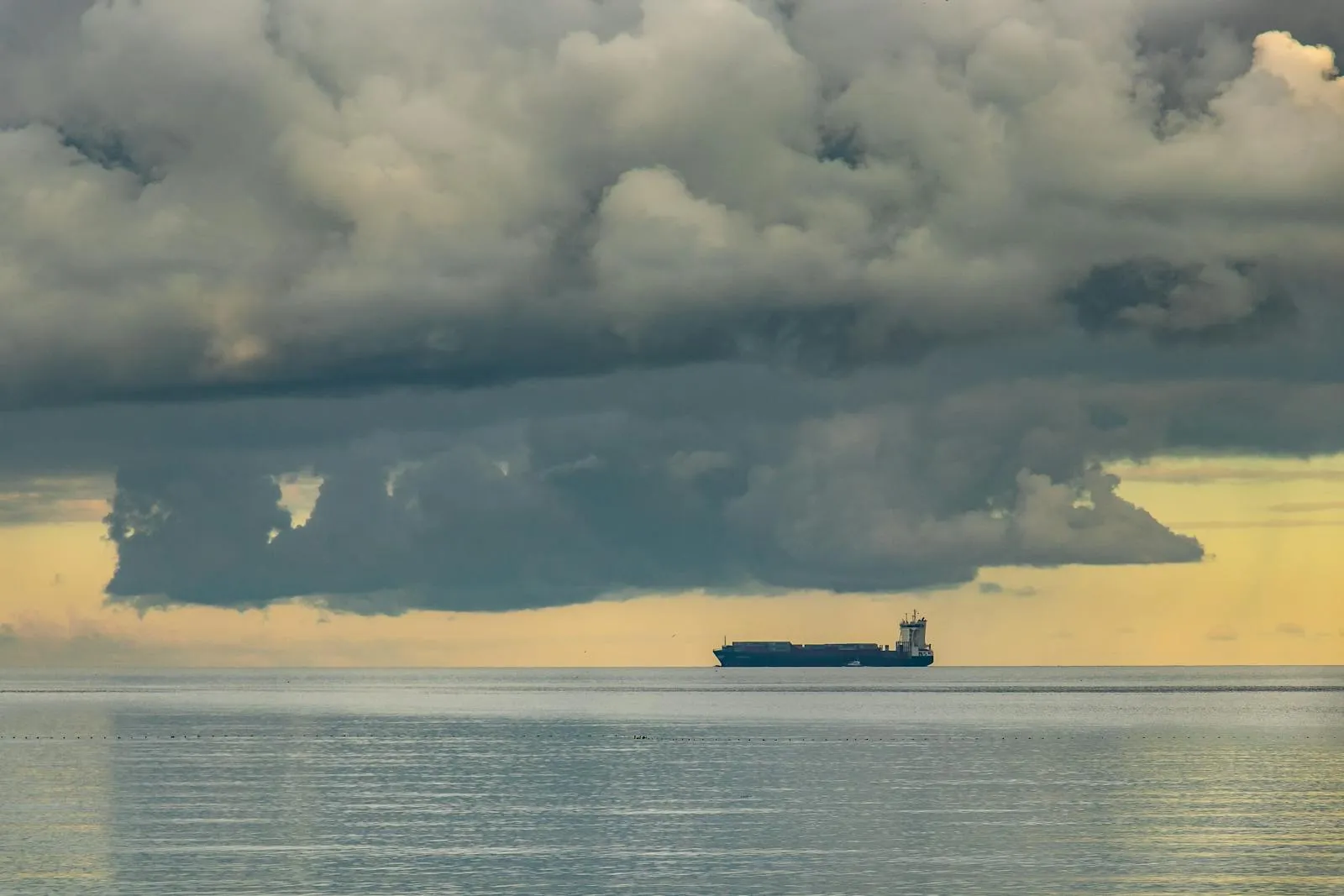
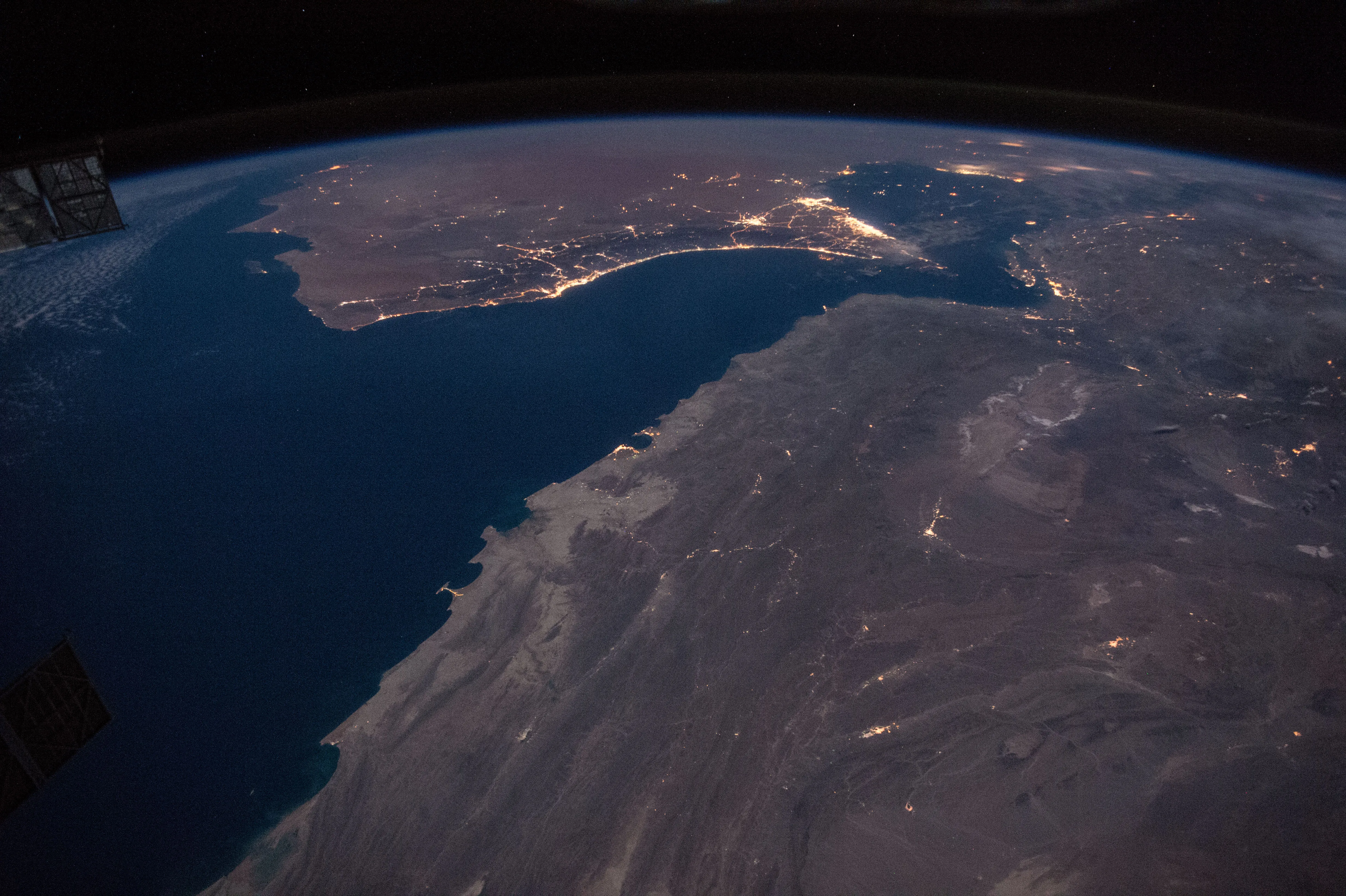
This gap is not semantic. The Strait of Hormuz lies within the territorial waters of Iran and Oman; it does not fall within international waters in its entirety. Iran’s leverage throughout the war has rested substantially on its practical control of a waterway through which an estimated 15 million barrels of oil per day flowed before Operation Epic Fury concluded in early May. Since the war began in late February, shipping through the strait has dropped to roughly 191 vessels in the entire month of April — less than 7 percent of normal traffic.
The United States position, articulated by Rubio and senior Pentagon officials, is that freedom of navigation through international and shared waterways is non-negotiable. Iran’s position is that the Strait passes through its territorial waters and the terms of passage are Iran’s to define. Those two stances have not moved materially closer since the fighting nominally stopped.
Qatar’s $12 Billion Role
Doha is not a neutral backdrop for these talks. Qatar has served since the earliest phase of the conflict as the primary intermediary between Washington and Tehran, a role Doha has played in prior Iran-U.S. negotiations dating back more than a decade. The Qatari government holds, in various blocked accounts and financial instruments, approximately $12 billion in Iranian assets frozen under successive rounds of international sanctions.
The presence of Central Bank Governor Hemmati in the Monday delegation signals that Iran is treating access to those funds as a condition precedent — something that must be resolved in or alongside the MOU, not deferred to subsequent negotiations. Iran International reported Saturday that Iran has formally presented the funds release as a precondition, not merely a parallel agenda item.
Qatar’s willingness to commit to any funds release while U.S. sanctions remain formally in place could complicate Doha’s standing with Washington, introducing yet another variable into an already layered negotiation.
Trump’s New Demand: Abraham Accords Normalization
Monday brought an additional element from the U.S. side that had not previously appeared in official public statements about the MOU framework. Speaking to reporters and in social media posts, Trump indicated he would expect Middle Eastern countries — specifically referencing Gulf states — to normalize diplomatic relations with Israel through the Abraham Accords framework as part of, or alongside, any final Iran deal.
The demand injects an entirely new dimension into talks that have struggled simply to close the gap on Hormuz language and nuclear sequencing. Multiple Gulf states have publicly distanced themselves from normalization pressure, particularly given ongoing tensions linked to Gaza. Whether Trump’s Accords requirement represents a formal U.S. negotiating position or a signal aimed primarily at Israeli leadership is not clear from the Monday statements.
Senate Republicans who blasted the deal’s emerging framework last weekend — including Senate Armed Services Committee Chairman Roger Wicker, Sen. Lindsey Graham, and Sen. Tom Cotton — have continued to warn that any agreement failing to verifiably terminate Iran’s nuclear enrichment would undo the military gains of the U.S. air campaign. That pressure has forced the White House to repeatedly emphasize that the nuclear issue will be addressed, even as Tehran insists it will not be part of the first document signed.
What Comes Next
The Doha talks are expected to continue through the week with indirect exchanges facilitated by Qatar. Pakistan, which has played a secondary mediation role throughout the conflict, is expected to facilitate additional communication between the two delegations.
The most likely near-term outcome is not a signed MOU but a narrowing of language gaps — particularly on the Hormuz passage formulation and the sequencing of nuclear negotiations — that could produce a signable document later this week or early next. Both sides have acknowledged the broad outlines of a deal exist. The substantive disputes are over the details that determine whether the United States considers its core goals achieved and whether Iran can present the outcome to its domestic constituency as something other than a defeat.
Oil markets moved sharply on Monday in response to the Doha talks. Brent crude fell more than 3 percent as investors priced in the possibility that a Hormuz reopening could add millions of barrels per day to global supply within weeks of any agreement. That price signal illustrates what is at stake for global energy markets — and why both governments, despite the pace of negotiations, have reason to find the gaps bridgeable.
When Trump announced on Saturday that a deal was “largely negotiated,” senior Iranian officials made clear within hours that they did not agree with that characterization. What Monday’s Doha talks have clarified is that both sides believe a deal is achievable — and that neither side is prepared to sign what the other is currently offering.
Sources 6 cited · 2 primary
- Trump says more countries should normalize ties with Israel in any Iran deal
- Iran and U.S. play down hopes for imminent breakthrough in war
- Live updates: Iran war news; Trump says peace deal talks proceeding nicely as oil prices plunge
- What we know and don't know about the emerging deal to end the Iran war
- Iran demands access to $12B in Qatar funds as precondition for US MoU
- Iran's Ghalibaf, Araghchi in Doha for talks on possible US-Iran deal
American Courant cites its sources and links to primary documents where they exist. How we report →