Iran’s foreign ministry issued a blunt public statement Friday night declaring that the proposed 60-day memorandum of understanding with the United States is “final and not subject to revision” — the Islamic Republic’s first official response since President Trump told mediators he needed additional time before signing a document both countries’ negotiating teams had announced as complete.
The statement, delivered by Ministry of Foreign Affairs spokesman Esmaeil Baqaei at a late-evening briefing in Tehran, put a hard edge on what had been a diplomatic pause. By Saturday morning, as the Strait of Hormuz entered its 91st consecutive day of closure to commercial shipping, oil markets in Asia had reacted: Brent crude jumped to $103.14 per barrel in early trading — up from $97.21 at the Friday close of New York markets — on investor fears that Trump’s deliberation was signaling a possible collapse of a deal that had appeared within days of announcement.
“The text of the memorandum reflects the full and final position of the Islamic Republic of Iran,” Baqaei told reporters gathered at the ministry’s building in Tehran. “No clause, paragraph, or article of the agreed document will be reopened to accommodate external pressures.”
He did not specify a deadline. He did not say what Iran would do if the signature did not come this weekend. But the choice to issue a formal ministry statement — rather than a background comment to a reporter — signaled that Iran was publicly fixing its negotiating floor before any further American movement.
What Iran Said — and What It Did Not Say
The specific phrasing of Baqaei’s statement was diplomatic in its precision. By calling the text “final,” Tehran foreclosed the option of a side-negotiation on the Lebanon clause without publicly humiliating the Trump administration for trying. By omitting a deadline, it left Trump a face-saving window to sign without looking as if he had caved to Iranian ultimatums.
Iran’s Supreme National Security Council, the body that oversees both military and foreign policy decisions and whose approval is required before any agreement becomes binding on Iran, convened an emergency session Thursday evening, according to a person familiar with the proceedings who spoke on condition of anonymity because the session was not publicly announced. The person said the council discussed whether Trump’s request for more time represented a genuine policy review or a maneuver to accommodate Israeli objections, and concluded that Iran should respond with a public statement that made clear the text would not move — while leaving the door open for a signature.
Day 91: The Hormuz Math That Neither Side Can Ignore
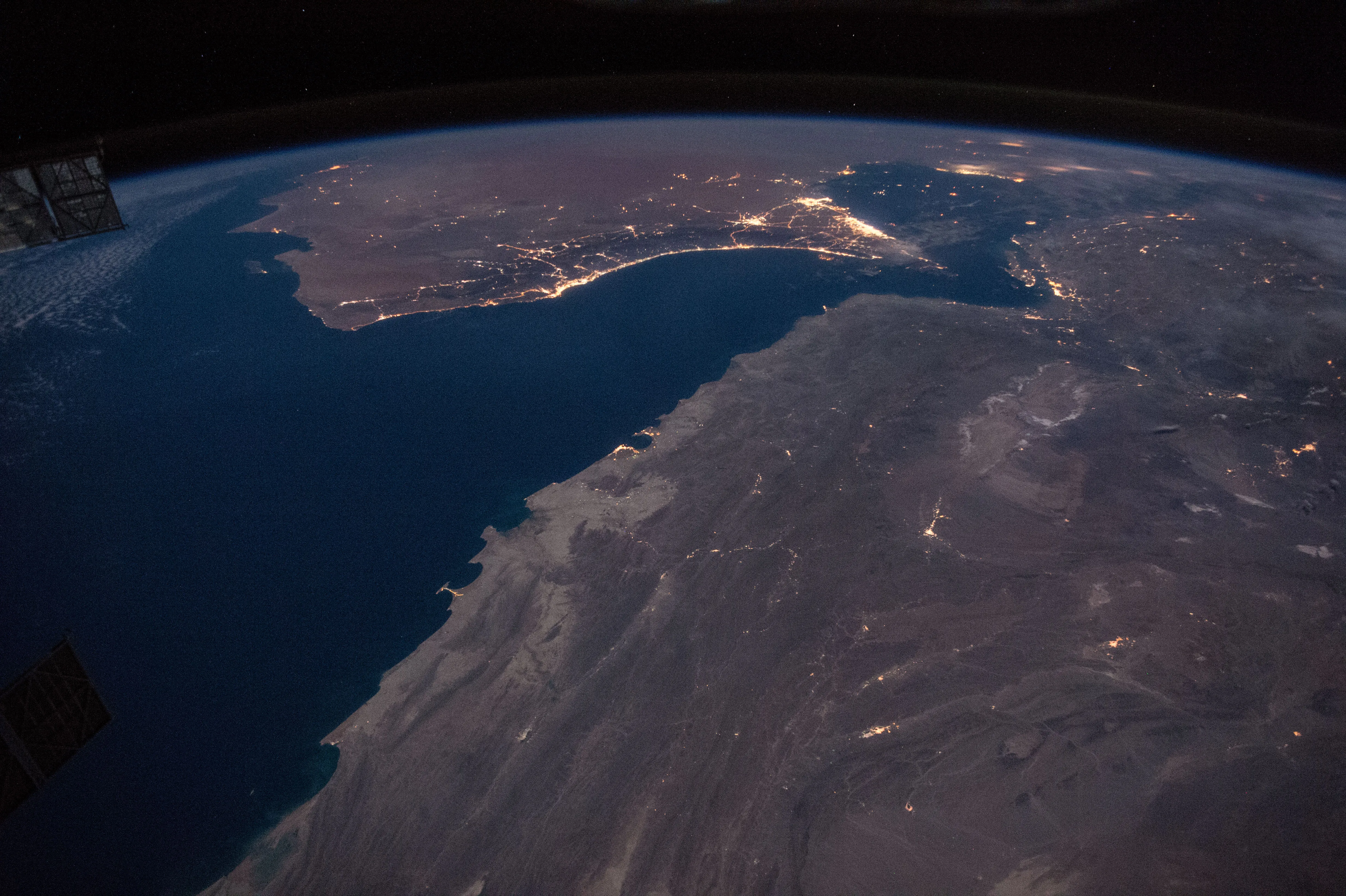
The Strait of Hormuz closed on February 28 after the Islamic Revolutionary Guard Corps mined the waterway and declared it off-limits to vessels headed to American and Israeli ports, in retaliation for the start of Operation Epic Fury. The closure entered its 91st day Saturday.
According to S&P Global Commodity Insights’ daily cost tracker, the cumulative economic impact of the closure now exceeds $108 billion — approximately $1.2 billion per day, measured across cargo delays, insurance surcharges, and the additional fuel and time costs imposed by the Cape of Good Hope rerouting that most tankers have adopted as an alternative. That route adds roughly 10 to 14 days to a typical Persian Gulf-to-Europe transit and more than three weeks to a transit bound for East Asian ports.
The countries absorbing the most pain are not the ones with the most leverage. Japan, South Korea, and India — heavily dependent on Persian Gulf crude — have limited access to alternative suppliers at comparable cost. European buyers have diversified more quickly, drawing on West African and North Sea supply, but at price premiums that have filtered through manufacturing and transport sectors already strained by years of elevated inflation. American consumers have seen a partial plateau at elevated gasoline prices; the relief a reopened strait would deliver has not arrived.
The Lebanon Clause: Where the Deal Is Stuck
Trump declined to sign the MOU immediately after being briefed on its contents, officials familiar with the negotiations said Thursday, in part because of a phone call from Israeli Prime Minister Benjamin Netanyahu about a clause committing both parties to a broader cessation of hostilities in Lebanon. The clause would allow Israel to respond militarily to Hezbollah attacks but bar it from initiating new offensive operations in Lebanon absent new provocations.
Netanyahu’s objection was not to the Iran deal itself but to the mechanism by which it constrains Israeli options. His coalition includes ministers who have pushed for expanded operations in Lebanon rather than a negotiated end to hostilities there. A ceasefire brokered through an Iran-U.S. document reduces Israel’s ability to reopen the Lebanon front on its own terms.
From Washington’s perspective, the Lebanon clause is what makes the agreement coherent. Without it, the U.S. would be reopening the Strait of Hormuz while leaving active an Iranian proxy front Tehran could use to pressure implementation. The clause is not a concession to Iran so much as a condition for the deal to hold.
Baqaei addressed Lebanon indirectly Friday. He said the agreement “reflects the full scope of what was negotiated, including regional provisions,” and that Iran considers the document a package. Removing the Lebanon clause, he implied without stating directly, would mean removing Iran’s reason to sign.
Washington’s Weekend
Senior U.S. officials traveling with Secretary of State Marco Rubio in Rome told reporters accompanying the delegation on Friday that the President was “reviewing the final document” and that no timeline for a signature had been set. The State Department’s press briefing Saturday morning added only that “the United States remains committed to a comprehensive agreement” and declined to characterize the status of the review.
Qatar’s Prime Minister Mohammed bin Abdulrahman Al Thani spoke with Trump by phone Friday afternoon, before Iran issued its statement — and again Saturday morning after the statement was released, according to a senior Gulf official who spoke on background. Qatar has served as the primary intermediary between Washington and Tehran throughout the war and its aftermath. The calls were described as “direct and substantive” on the question of the Lebanon language.
One option under discussion — described by a U.S. official who spoke on background and requested anonymity to discuss ongoing diplomacy — is a side letter: a document signed alongside the MOU that addresses Israel’s specific concerns about Lebanon without altering the MOU’s text. The side letter would allow Trump to sign the MOU intact while giving Netanyahu a separate written assurance on the conditions under which Israel could act in Lebanon independently of the agreement’s constraints.
Netanyahu has been presented with this option. He had not formally accepted or rejected it as of Saturday morning, according to a senior Israeli official.
Why Tehran Cannot Wait Much Longer
The domestic politics of the delay are running against Iran’s government in ways that compound the external pressure. Tehran lifted the wartime internet blackout this week after 87 days — a decision that the Pezeshkian government made specifically to signal that the war was over and that normalcy was returning. The visual of a reopened internet without a reopened strait, and without signed sanctions relief, undermines exactly the message the government wanted to send.
Foreign Minister Abbas Araghchi, who led Iran’s negotiating team and has staked his political standing on producing a signed agreement, faces growing pressure from the Islamic Consultative Assembly’s hardline bloc — members aligned with former President Ebrahim Raisi’s political network — who have used the delay to argue that negotiations with the United States are inherently unreliable and that Iran’s leverage should be used to extract better terms, not to wait on an American president’s schedule.
Each additional day without a signature strengthens that faction’s argument. Araghchi cannot publicly say so, but the subtext of Friday’s ministry statement — firm language, formal channels, issued late on a Friday night rather than leaked to a journalist over the weekend — was aimed in part at domestic audiences. It signaled that Iran’s government is holding firm and demanding that Washington act, not that Iran is being strung along.
What Happens If the Weekend Passes Without a Signature
The Iran Nuclear Agreement Review Act gives Congress 45 days to review any agreement the administration characterizes as significant. The clock starts when the document is transmitted to Congress — which cannot happen until it is signed. Senate Republicans have said they want the window to push for full dismantlement of Iran’s nuclear program rather than the enrichment freeze the MOU commits to. Congress can pass a resolution of disapproval but cannot block the President from implementing an executive agreement. What the Senate can do is raise the political cost of a softer deal — and Senate Republicans have already signaled they consider the emerging terms inadequate. The longer Trump waits, the more time that pressure has to build.
The State Department did not respond to questions Saturday morning about whether Trump had spoken to Netanyahu since Friday’s Iran statement. The White House had no comment.
The Strait of Hormuz remained closed. The mines remain in place. The ships are still taking the long way around. The deal is on the table, unsigned, and both sides say the text is final.
That agreement cannot hold indefinitely.
Sources 6 cited · 2 primary
- Iran says MOU text 'final and not subject to revision,' calls on U.S. to sign
- The Iran deal could be 48 hours away. Here's what's stopping Trump from signing.
- Hormuz closure reaches 91 days; total cost to global economy now estimated at $108 billion
- Department Press Briefing, May 30, 2026
- Qatar's PM and Trump speak by phone as Iran MOU enters critical weekend
- Oil spikes to $103 in Asia as Iran MOU delay raises deal-failure fears
American Courant cites its sources and links to primary documents where they exist. How we report →