Iran on Sunday delivered its formal response to a U.S. peace framework through Pakistani mediators — the most significant diplomatic exchange since the two-month-old war began — as a Qatari liquefied natural gas carrier completed the first Strait of Hormuz crossing by a foreign commercial vessel since February 28.
The developments arrived on a single day, and together they represent the clearest signal yet that both sides may be edging toward a negotiated pause, though substantial gaps remain on the nuclear dimension that forms the core of American demands.
What Iran’s Response Says — and What It Doesn’t
Iran’s foreign ministry announced Sunday that its counter-proposal had been transmitted to Washington through Pakistan, its designated diplomatic channel. Iranian state media described the response as focused on “permanently ending the war on all fronts,” including in Lebanon, and securing the safety of shipping through the Persian Gulf and the Strait of Hormuz.
What was conspicuously absent from Tehran’s public summary: any concession on nuclear enrichment. Iranian officials have consistently framed nuclear negotiations as a Phase 2 matter that can only begin after a formal end to hostilities. “At this stage, we are not negotiating our nuclear programme,” an Iranian lawmaker told Al Jazeera earlier in the week. “It’s only about ending the war on all fronts.” Iranian Foreign Ministry spokesman Esmail Baghaei confirmed the response had been sent and said Iran remains committed to what he called a “comprehensive, just, and lasting” resolution — language that sidesteps the specific enrichment conditions in Washington’s 14-point proposal.
The U.S. framework, first reported by Axios on May 6, would declare a formal end to Operation Epic Fury — the U.S.-Israel military campaign launched on February 28 — and open a 30-day window for detailed talks on Iran’s nuclear program, sanctions relief, and Hormuz transit rights. It would require Iran to commit to a uranium enrichment moratorium lasting at least 12 years and to surrender an estimated 440 kilograms of uranium enriched to 60 percent. In return, the United States would gradually lift sanctions, release billions of dollars in frozen Iranian assets, and halt the naval blockade of Iranian ports.
The gap between those positions is structural, not merely tactical. Iran’s Supreme National Security Council spent four days — two more than the 48-hour window U.S. officials had publicly anticipated — deliberating the response. The delay was attributed by analysts in Tehran to internal debate over how far to move on sequencing: whether to accept a phased process that begins with ending the war before nuclear talks start, or to insist that any framework acknowledge the nuclear file directly from the outset.
Pakistan’s Indispensable Role
Islamabad’s position as the primary intermediary between Washington and Tehran has become the structural spine of the negotiations. Pakistan has maintained diplomatic ties with Iran through years of Western sanctions, and it enjoys stronger standing with the Trump administration than most Muslim-majority nations — a combination that gave it unusual leverage when both parties agreed in March to route all formal communications through Islamabad.
Pakistani Foreign Minister Ishaq Dar said Sunday that Islamabad had received the Iranian response and transmitted it to the American side, and was now urging Tehran to “come to a middle ground.” That phrasing is diplomatically significant: it suggests Iran’s response was not a straightforward acceptance of the 14-point document but a counter that narrows the gap on some provisions while holding firm on others, particularly enrichment.
Pakistan’s own exposure to the Strait closure has given it an acute economic incentive to push both parties toward resolution. The Al Kharaitiyat, the Qatari LNG carrier that crossed the Strait on Sunday, was heading for Pakistan’s Port Qasim — a destination that underscores how directly Islamabad feels the humanitarian and economic weight of the blockade. Natural gas shortages tied to the Strait’s closure have caused rolling power outages across Pakistani cities and driven up residential energy costs to near-record levels.
The Qatari Tanker: What One Crossing Means
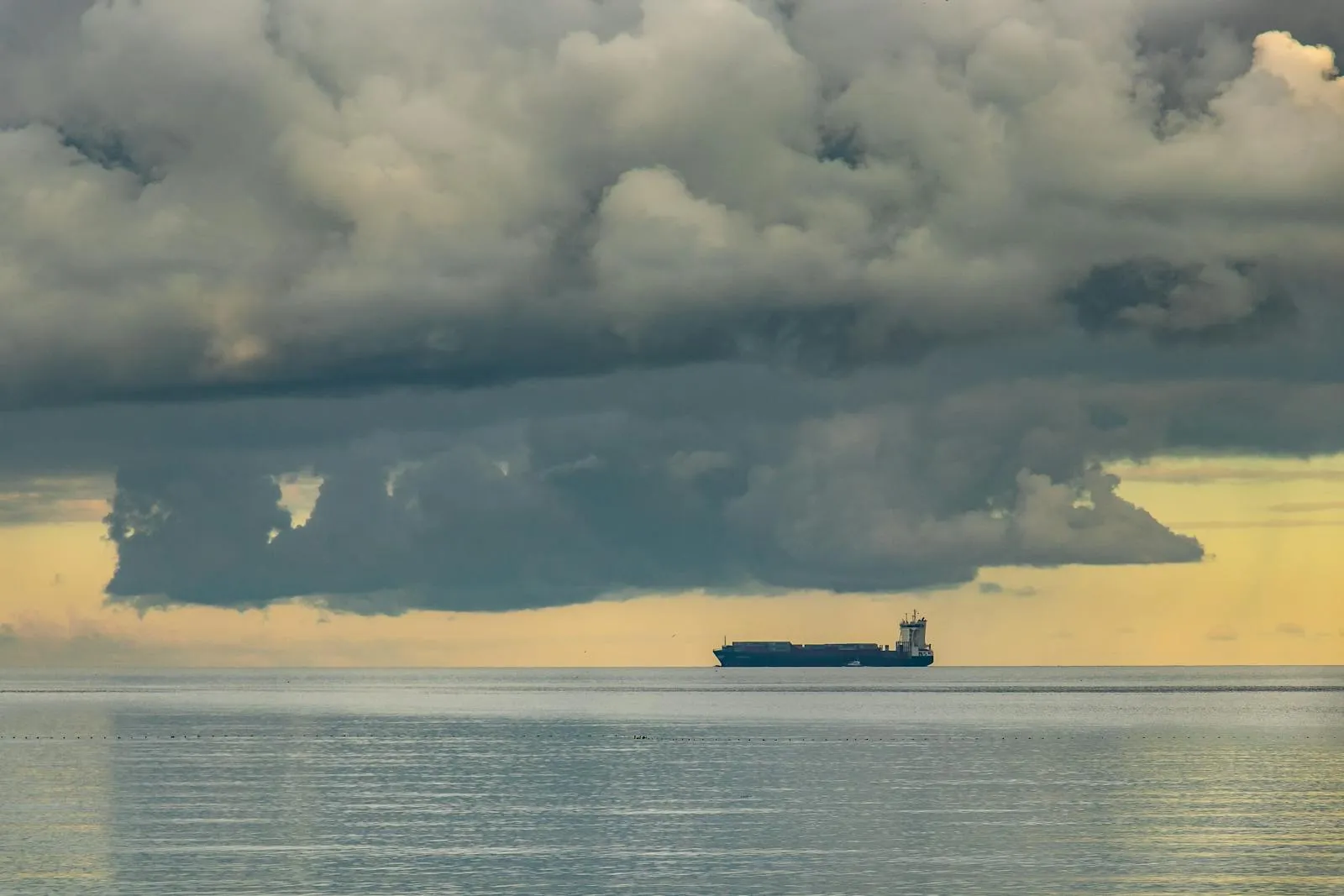
The QatarEnergy-operated Al Kharaitiyat’s passage through the Strait of Hormuz was confirmed by Kpler, a shipping analytics firm that tracks vessel movements using satellite and signal data. It was the first Qatari liquefied natural gas carrier to transit the strait since the war began, and one of only two commercial vessels allowed passage Sunday — a marginal but symbolically resonant relaxation of the near-total closure that has held since late February.
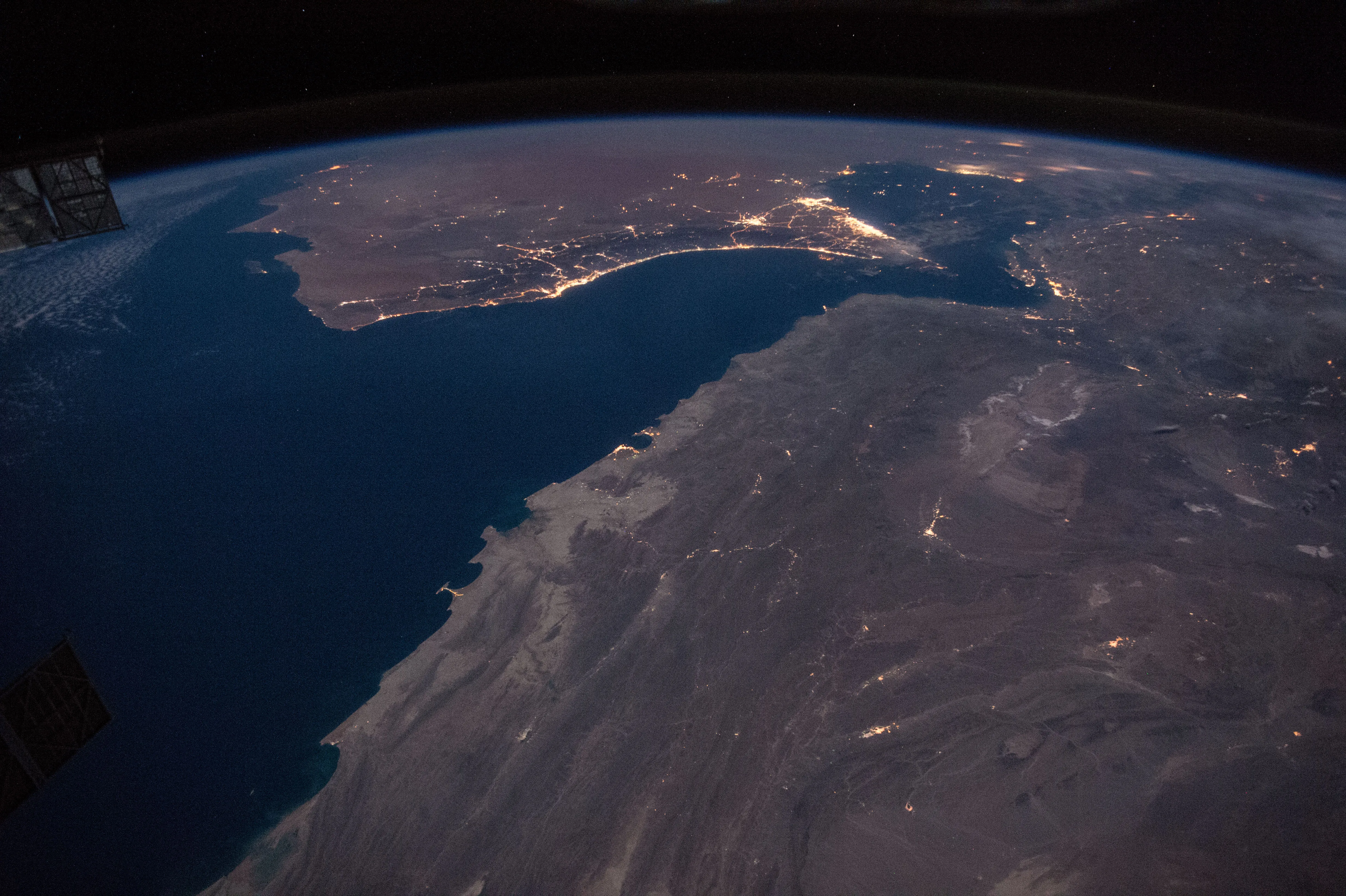
The Strait of Hormuz is 21 miles wide at its narrowest point and handles approximately 20 percent of the world’s oil trade and a substantial share of global LNG flows. Iran closed it to most foreign-flagged traffic in the opening days of Operation Epic Fury using a combination of naval patrols, mine-laying reported by U.S. Navy and commercial intelligence, and threats against vessel masters.
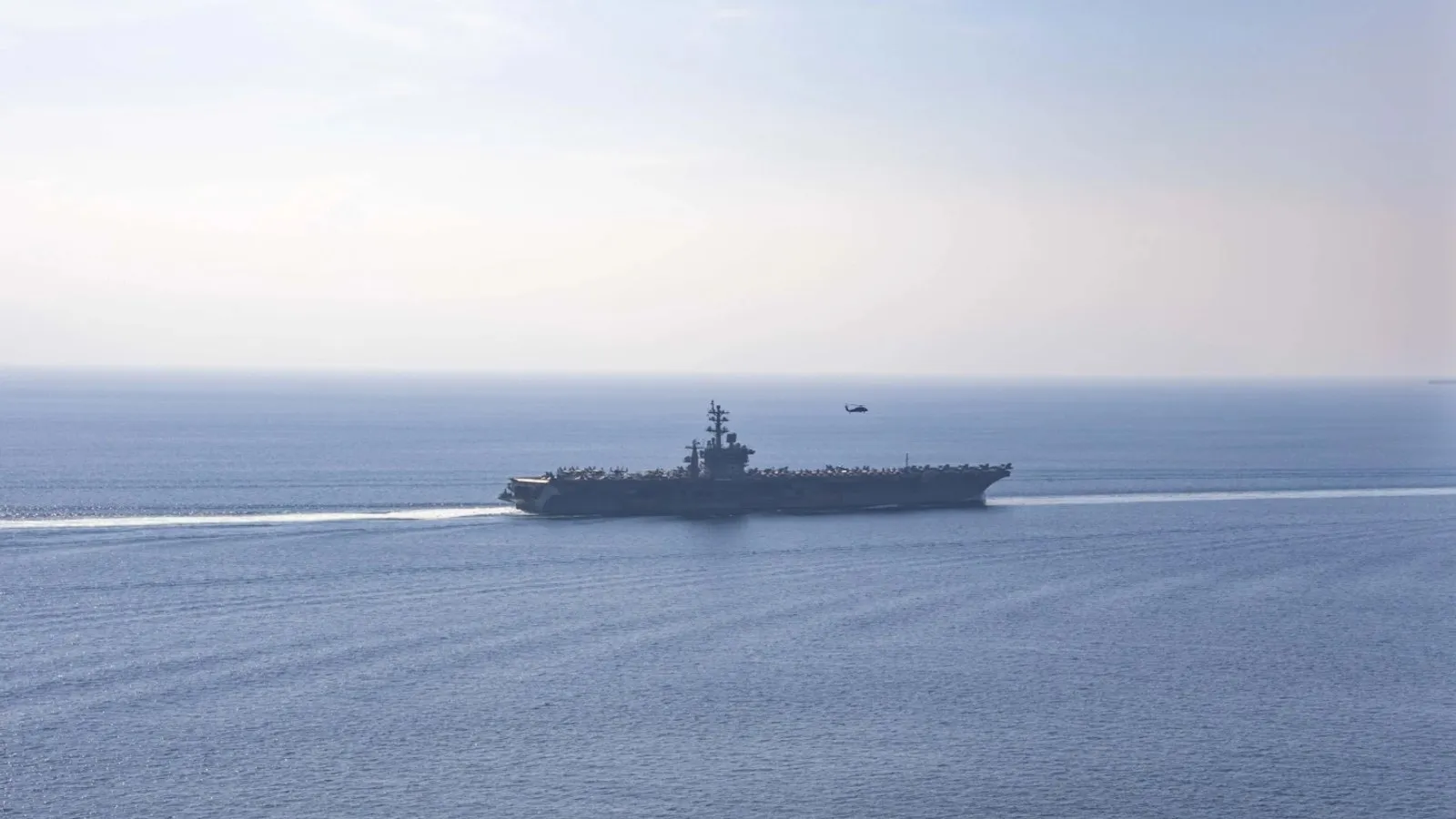
Whether Sunday’s crossings reflect a deliberate Iranian diplomatic signal or a localized operational decision by Revolutionary Guard naval commanders remains unclear. Senior Iranian officials made no public reference to any change in their Strait posture. The U.S. Navy’s Fifth Fleet, which has maintained a sustained presence in the region since the early days of the Iran conflict, also offered no comment on the passage.
For global energy markets, the crossing matters less than it might appear in isolation. A single LNG tanker does not meaningfully restore the roughly 17–20 million barrels of oil equivalent that once moved through the Strait daily. Qatar Energy, which was in advanced talks with Asian and European LNG buyers for long-term supply contracts before the closure, has been forced to divert only marginal volumes over the Cape of Good Hope — adding 10 to 14 days to each voyage and raising shipping costs substantially.
At American pump prices, the disruption has added an estimated 35 to 40 cents per gallon since the strait was effectively closed in late February. Heating oil and natural gas utility bills in the northeastern and midwestern United States have climbed through April and into May, as spot price increases work through long-term utility procurement contracts. The economic drag of the Iran war on U.S. households has fed a broader fall in presidential approval ratings, with recent polling showing 58 percent disapproval — a concern that has increased White House urgency to reach a deal.
Gulf Tensions Persist Alongside the Diplomacy
Sunday’s relative maritime calm did not extend to the broader Gulf security picture. The United Arab Emirates said its air defense systems intercepted two Iranian drones on Sunday. Qatar condemned a separate drone attack that struck a cargo ship in Qatari territorial waters; the vessel was en route from Abu Dhabi when it was hit, according to Qatari officials, who called the strike a violation of international maritime law.
Iran’s Islamic Revolutionary Guard Corps warned the United States last week against further attacks on Iranian-affiliated vessels, following an engagement in which U.S. forces disabled two tankers attempting to evade the American naval blockade of Iranian ports. U.S. officials characterized those as lawful enforcement actions under the blockade authority; Iran’s IRGC called them “piracy.” The competing legal characterizations reflect how deeply each side’s opening negotiating position is grounded in claims about who started what.
Gulf states that have stayed officially neutral — including Oman, which has hosted several rounds of direct U.S.-Iran talks — are watching both the diplomatic and military tracks with growing alarm. Kuwait and Bahrain have each quietly conveyed to Washington that they would prefer a negotiated end before the conflict’s economic spillover becomes politically unsustainable domestically.
What Comes Next
The next formal step is a U.S. response to Iran’s counter-proposal. American officials said negotiations are continuing through multiple channels, including both direct talks in Oman and the Pakistani intermediary track. Trump’s special envoys Steve Witkoff and Jared Kushner remain the lead American negotiators; Iran’s delegation is led by Deputy Foreign Minister Ali Bagheri Kani, who has participated in previous Muscat sessions.
President Trump said last week that he believed Iran “wants to make a deal” and that recent talks had been “very good.” The administration’s stated position — a nuclear enrichment moratorium of at least 12 years, full international inspection access, and surrender of Iran’s 60-percent-enriched uranium stockpile — has not publicly shifted.
Iran’s counter-proposal, as described by its own state media, appears to accept a phased sequence: end the war and reopen the Strait first, then begin nuclear negotiations separately. Whether Washington will agree to that sequencing — effectively deferring the nuclear dimension beyond the initial agreement — is the central question of the next round. The 14-point framework, as Axios reported, was designed to link both phases in a single document. Iran’s response suggests Tehran may be trying to decouple them.
The broader economic toll documented in the cost of the Iran war for American families continues to accumulate for each day the negotiations extend. Whether a formal ceasefire is achievable before the end of May — the informal timeline both sides have publicly referenced — now depends on how quickly the United States responds to Sunday’s Iranian counter and whether the two sides can agree on whether nuclear and military issues are resolved together or sequentially.
Sources 6 cited · 3 primary
- Iran sends response to US proposal to end war via mediator Pakistan
- Iran says it has sent its response to the U.S. peace proposal
- Exclusive: U.S. and Iran closing in on one-page memo to end war, officials say
- Iran says it has sent response to US proposal for ending war to mediator Pakistan
- Iran responds to U.S. ceasefire proposal, saying talks must focus on permanently ending the war on all fronts
- What we know about Iran's response to the latest US ceasefire proposal
American Courant cites its sources and links to primary documents where they exist. How we report →