Secretary of State Marco Rubio told reporters Friday that Washington expects Iran’s formal response to a proposed war-ending memorandum of understanding by end of day — the most explicit deadline the administration has set since transmitting a 14-point peace framework to Tehran on Wednesday.
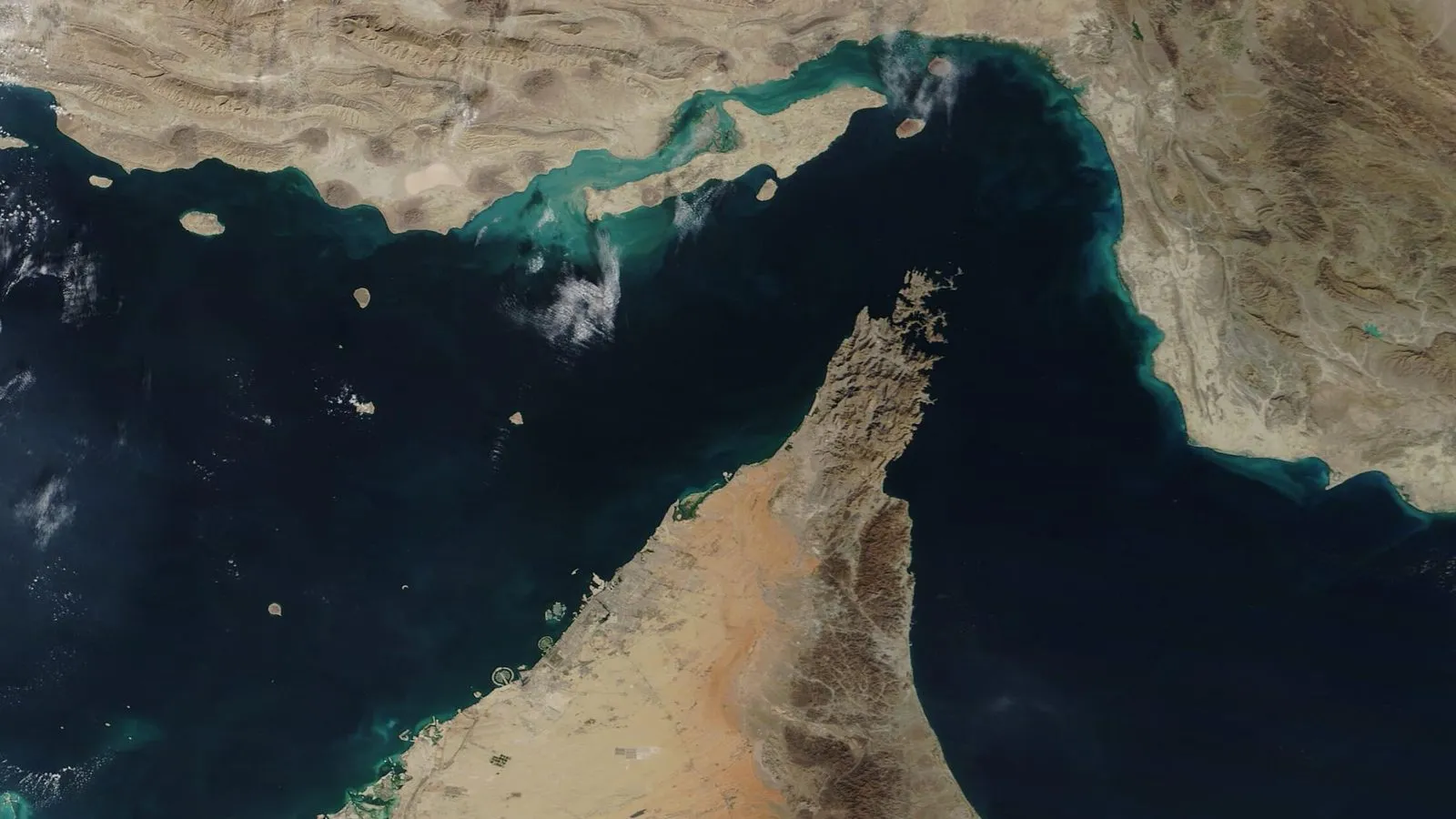
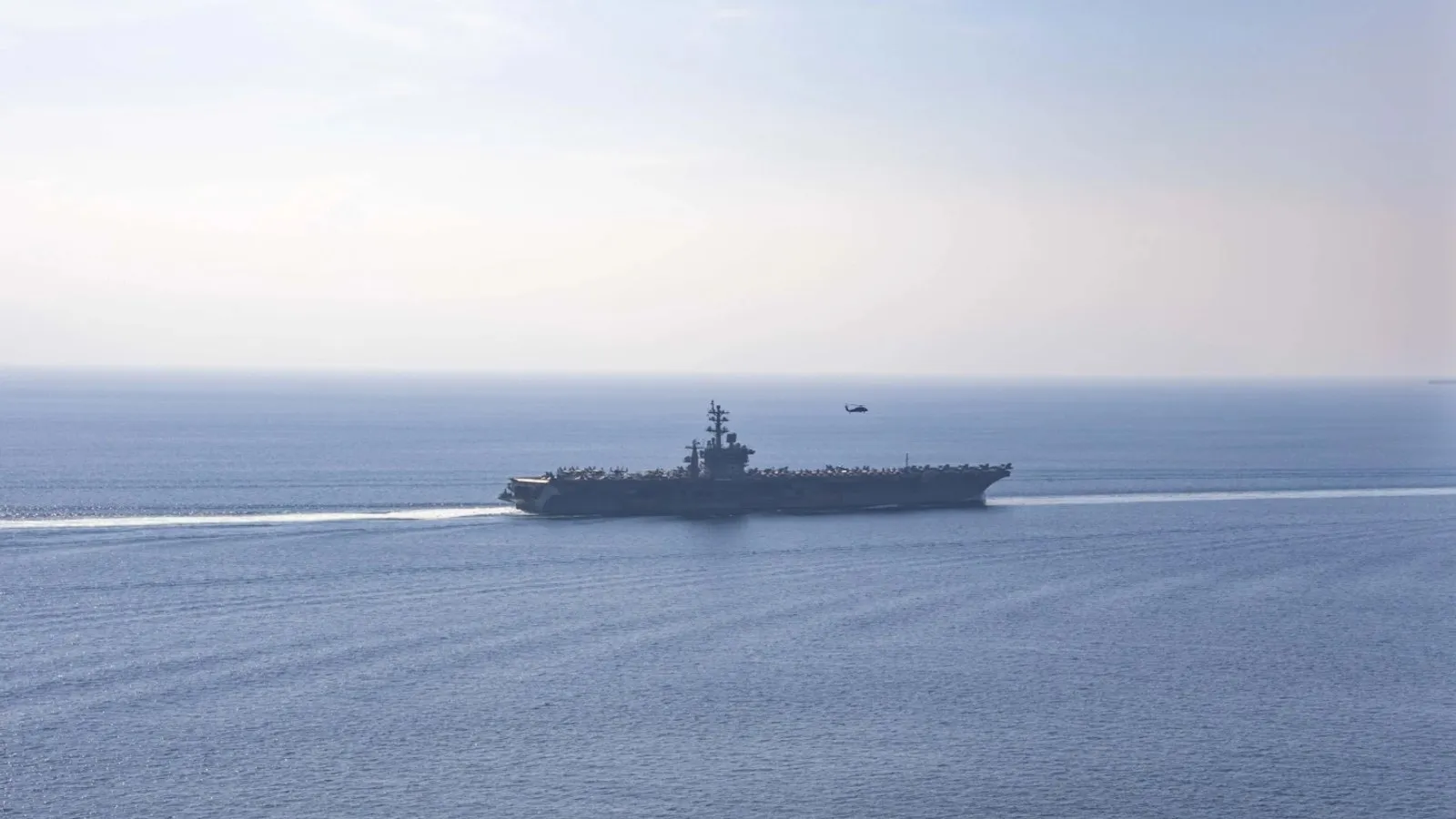
“Iran should give an answer today,” Rubio said, according to multiple reports from journalists present at the briefing. The statement came less than 24 hours after U.S. and Iranian forces exchanged fire in the Strait of Hormuz in the most serious test yet of the fragile ceasefire brokered by Pakistan in early April. U.S. Central Command said Thursday that Iranian forces launched attacks against three American destroyers transiting the waterway; U.S. forces struck the responsible launch sites in response; no American vessels were hit.
Iran has not accepted or rejected the proposal. Iranian Foreign Ministry spokesman Esmaeil Baghaei confirmed the government is “reviewing” the document. Iranian Foreign Minister Abbas Araghchi went further, saying Tehran would “never bow to pressure” and adding: “Every time a diplomatic solution is on the table, the U.S. opts for a reckless military adventure.”
The ceasefire — extended twice since the original April 8 agreement — expires May 17. That leaves nine days for both sides to either accept the framework, begin detailed negotiations, or return to open hostilities in a strait through which roughly a fifth of the world’s oil once flowed.
What the U.S. Wants Iran to Sign
The one-page memorandum of understanding, delivered to Iranian officials on May 6 through envoys Steve Witkoff and Jared Kushner, is designed as a framework document — not a final agreement. Signing it would declare a formal end to the war and start a 30-day clock for negotiating a comprehensive deal on three parallel tracks: nuclear, economic, and military.
The nuclear provisions are the most contested. Under the U.S. proposal, Iran would commit to a moratorium on uranium enrichment for at least 12 years. The U.S. initially demanded 20 years; Iran’s earlier counterproposal was 5. Officials familiar with the negotiations told Axios that 12 to 15 years is the current negotiating range, with neither side having formally moved.
Iran would also agree to remove its stockpile of highly enriched uranium from the country — a demand Tehran had refused outright in all previous rounds of diplomacy, including during the JCPOA era. The MOU includes an enhanced inspections regime with unannounced visits by International Atomic Energy Agency inspectors, which U.S. negotiators have described as a core non-negotiable.
On the economic side, the U.S. would lift sanctions and release billions of dollars in frozen Iranian assets in exchange for the Strait reopening. The waterway’s closure has disrupted roughly 12 percent of global crude supply, according to Shell CEO Wael Sawan, and pushed oil prices up approximately 40 percent from their pre-war levels.
The MOU also contains a clause that the deal “would end the war throughout the region, including in Lebanon” — a provision that significantly expands its scope beyond the direct U.S.-Iran conflict and whose implications for Israeli-Iranian hostilities remain publicly unaddressed by the administration.
Iran’s Response: “Never Bow to Pressure”
Iran’s public posture on the MOU has been rejection of its terms without withdrawal from the process — a pattern that has characterized the negotiations since February.
Iranian officials have privately characterized U.S. demands as “unreasonable, unrealistic and maximalist.” An Iranian lawmaker briefed on the document described it to state media as “more of an American wish-list than a reality.” Those characterizations track with Iran’s objection to the MOU’s structure: the U.S. insists nuclear commitments be embedded in the initial document, while Iran has argued the ceasefire and Strait reopening should be settled first, with nuclear terms addressed in a separate, subsequent negotiation.
Araghchi’s public statement — that Iran would “never bow to pressure” after the Thursday exchange of fire — echoed language he used after earlier U.S. strikes during Operation Epic Fury. The framing is consistent with Tehran’s negotiating posture: maintaining a public posture of defiance while continuing to engage through back channels.
Iran’s own 14-point counterproposal, reported by Al Jazeera in early May, offered a significantly different sequencing: normalizing the Strait and ceasefire first, then addressing enrichment and sanctions as separate issues. The U.S. rejected that structure, insisting that the nuclear moratorium and the economic concessions be packaged together. That gap in sequencing logic, not just the specific numbers, is what has kept the two sides from closing.
External pressure on Iran has also increased. China, which maintains significant energy and trade exposure to Iranian oil and is preparing for an upcoming meeting between President Xi Jinping and Trump, has been pressing Tehran not to resume full hostilities, according to earlier CNBC reporting. That Chinese pressure adds a constraint on Iran’s options that was absent in the earlier weeks of the conflict.
How the Thursday Exchange of Fire Fits In
The May 7 exchange is the second significant military incident during the current ceasefire period — the first was the attack on UAE commercial facilities near Fujairah in late April, which Iran attributed to a rogue military faction. American Courant covered the Strait exchange and its immediate context on Friday morning.
Taken together, the two incidents suggest the ceasefire is functioning as a political construct more than a military reality. Both sides have struck each other while formally maintaining the April 8 agreement. CENTCOM’s statement Thursday was deliberately terse: Iranian forces launched attacks; U.S. forces responded in self-defense; no American vessels were hit. The framing positioned the U.S. response as a consequence of Iranian aggression rather than a ceasefire violation.
Trump’s public reaction was consistent with that line. “We’ll knock them out a lot harder, and a lot more violently” if Iran does not sign a deal, he said — framing the exchange as a demonstration of what follows from continued Iranian delay, not as evidence of diplomatic failure.
Araghchi framed it oppositely: U.S. strikes prove that Washington cannot be trusted as a negotiating partner. The gap between those two readings of the same event captures the fundamental challenge of conducting diplomacy alongside active military operations.
What Happens If the Deadline Passes
If Iran does not respond by end of Friday, U.S. officials have signaled that the terms on offer will become less favorable — not that negotiations will end. The MOU as currently written represents what Witkoff has described as the maximum concession the administration is prepared to offer at this stage.
The structural constraint is May 17. If the ceasefire expires without an agreement, the U.S. faces a decision: extend the ceasefire again, let it lapse and return to open military operations, or move to some intermediate posture. Each option carries costs. Another extension without progress would erode the credibility of U.S. deadlines. Returning to full hostilities would push oil prices higher at a moment when they are already a significant domestic political liability.
The economic consequences of a deal failure extend well beyond the immediate military situation. Shell’s CEO noted this week that the war has already removed 12 percent of the world’s crude from the market. Qatar’s LNG complex at Ras Laffan, damaged in an Iranian strike in March, is still operating at reduced capacity. The food supply chain lag from an energy shock of this magnitude typically runs three to six months for most categories — meaning the price pressure that began in late February has not yet fully materialized in grocery stores.
What Comes Next
The following dates now govern the diplomatic timeline:
Friday evening, May 8: Rubio’s stated deadline for Iran’s formal response to the MOU.
May 17: Current ceasefire expiration. Both sides must either extend again or have reached a preliminary framework.
30 days after MOU signing: Under the framework’s terms, detailed nuclear negotiations — covering the full verification regime, phased sanctions relief, and the specific enrichment limits — would be scheduled to conclude.
Whether Iran responds today, tomorrow, or not at all before May 17, the deal’s basic math has not changed. The U.S. has offered the most significant sanctions relief in a generation in exchange for nuclear commitments Iran has resisted for two decades. Whether Tehran concludes that math is in its favor — and whether the political cost of appearing to capitulate under military pressure is manageable at home — is what Rubio’s Friday deadline is designed to force into the open.
The economic toll the war is already imposing on American households — and on global oil company balance sheets — is examined in our companion report today on what the conflict is costing families at the pump.
Sources 6 cited · 2 primary
- Marco Rubio says U.S. expects Iran response on peace deal 'today'
- Rubio says U.S. expects Iranian response to peace proposal by end of Friday
- What we know about Iran's response to the latest US ceasefire proposal
- US, Iran closing in on one-page memo to end war, officials say
- What we know: '14-point' US proposal to Iran aimed at ending Gulf conflict
- CENTCOM Protects U.S. Warships Transiting Strait of Hormuz
American Courant cites its sources and links to primary documents where they exist. How we report →