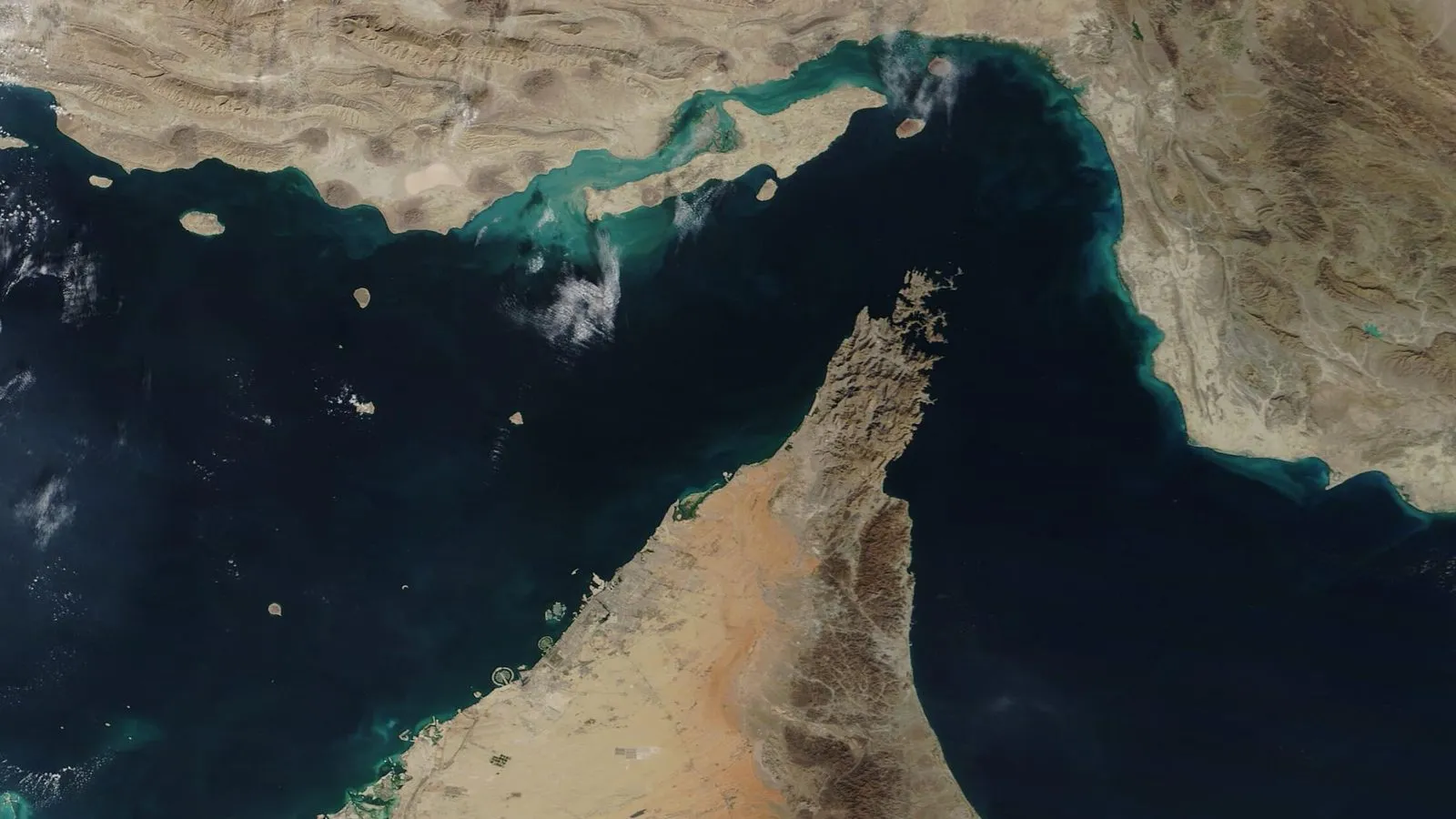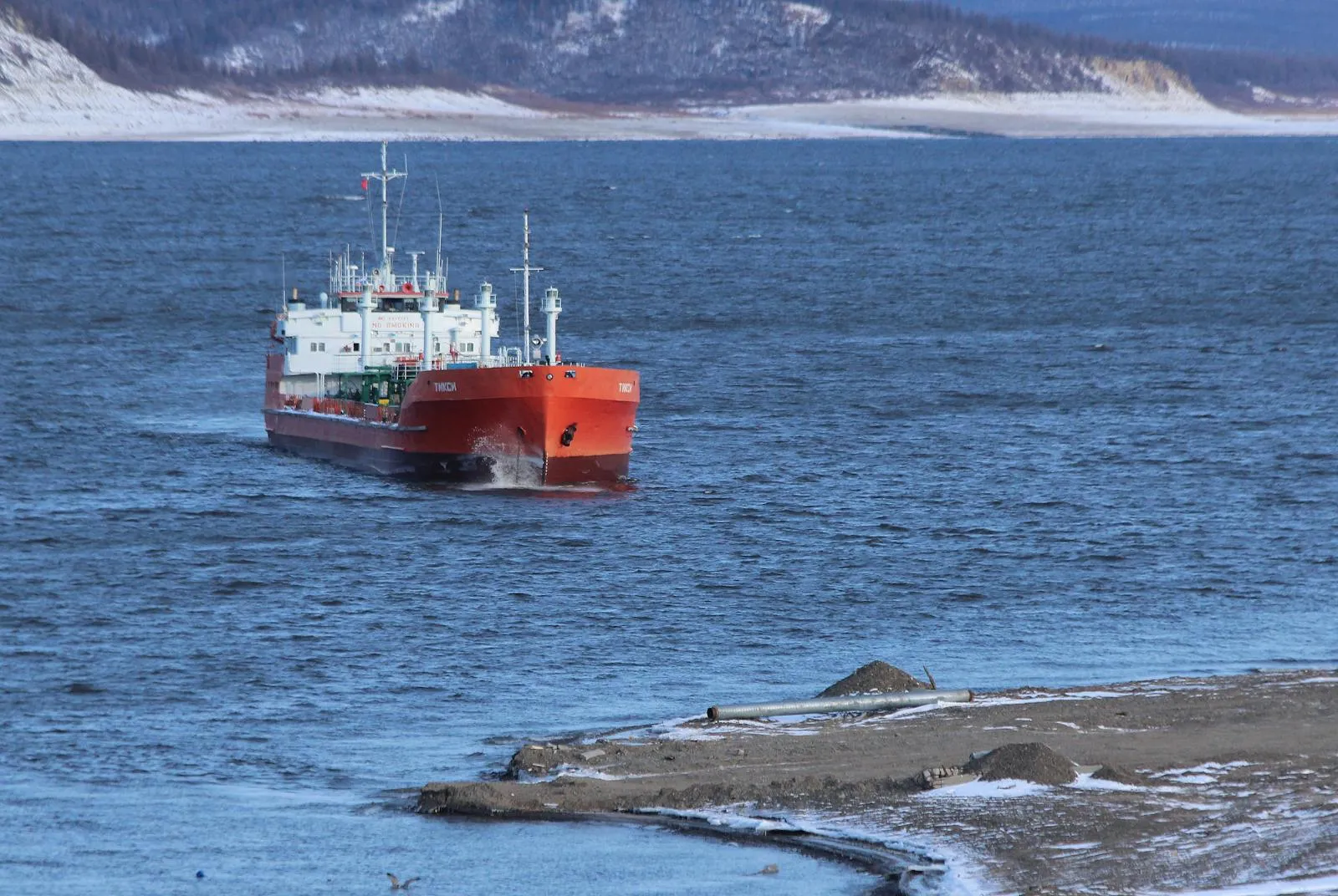
The United States and Iran are closer to a formal war-ending agreement than at any point since hostilities began in February, according to an Axios report published Wednesday citing four U.S. officials with direct knowledge of the negotiations. The document taking shape is a one-page, 14-point memorandum of understanding being drafted by Trump envoys Steve Witkoff and Jared Kushner alongside Iranian officials, reached both directly and through Pakistani intermediaries. If signed, it would formally end the two-month-old conflict, freeze Iran’s nuclear enrichment for at least 12 years, and begin a 30-day countdown toward lifting U.S. sanctions and reopening the Strait of Hormuz.
Global oil markets reacted swiftly. Benchmark Brent crude futures fell 8.4 percent to near $100 a barrel by midday in Europe, while West Texas Intermediate slid 9.6 percent to $92.41—wiping out most of the war premium that had pushed prices above $118 after Trump ordered the naval blockade in late April. European equity markets surged: the EURO STOXX 50 and Germany’s DAX each added 3.3 percent, France’s CAC 40 gained 3.1 percent, and London’s FTSE 100 rose 2 percent. Dow futures climbed roughly 500 points in early U.S. trading.
President Trump, speaking publicly Wednesday, simultaneously dangled a deal and issued a threat: “If they don’t agree, the bombing starts, and it will be, sadly, at a much higher level and intensity than it was before.”
What Is in the Draft Memorandum
The document as currently drafted would accomplish three things at signing: declare an end to the war, suspend U.S. military operations in the region, and trigger a 30-day negotiation window for a more detailed and binding agreement. Nothing in the MOU constitutes a final treaty; it is a framework that binds both parties to good-faith talks on the specifics.
The nuclear provisions are the most contested element. Under the current draft, Iran would commit to a moratorium on uranium enrichment lasting between 12 and 15 years. Three sources told Axios the floor is 12 years; one put the most likely outcome at 15. Washington has pushed for a duration of up to 20 years, while Tehran has proposed as little as five—a position the U.S. has flatly rejected. An automatic-extension clause would prolong the moratorium if Iran violated its terms, giving the U.S. leverage without requiring a new round of negotiations each time a violation is detected.
Beyond the moratorium, Iran would be required to ship its existing stockpile of highly enriched uranium out of the country—most likely to a neutral third party such as Oman or Kazakhstan. That stockpile has grown substantially since the 2018 collapse of the Joint Comprehensive Plan of Action, and removing it from Iranian soil would set back any weapons-development timeline by years even if the moratorium were later breached. Iran would also accept enhanced United Nations inspections, including snap inspections without advance notice, and would commit not to operate underground nuclear facilities.
In exchange, the United States would commit in the MOU to a graduated lifting of the sanctions imposed on Iran since the war began, plus the gradual release of frozen Iranian funds held in foreign banks. The exact amount has not been disclosed publicly, but estimates of Iran’s overseas frozen assets range from tens of billions to over $100 billion depending on which sanctions and jurisdictions are included. Sanctions relief would be phased across the 30-day period, tied to verifiable Iranian compliance with the enrichment freeze.
The Strait of Hormuz provisions mirror that gradualism. Iran’s restrictions on commercial shipping and the U.S. naval escort program—which Trump paused on Tuesday evening after a request from Pakistani mediators—would both be wound down in tandem during the negotiation window, with the strait declared fully open by day 30.
Where Talks Stand
The Axios exclusive, citing officials with direct knowledge, described this moment as the closest the parties have been to an agreement since the conflict began. That framing carries real weight: earlier ceasefire proposals collapsed in March and again in April, each time on the question of nuclear enrichment. Iran’s consistent position has been that it has the right to enrich uranium under the Nuclear Non-Proliferation Treaty; Washington’s position has been that zero enrichment is the only acceptable final state.
The one-page format is deliberate. Witkoff and Kushner pushed for a minimalist document that could be agreed quickly and avoid the extended treaty-language negotiations that bogged down the 2015 JCPOA talks over months. The goal is to get both leaders to sign something specific enough to bind them, short enough to be undeniable, and fast enough to preempt further military escalation.
Iran, for its part, has signaled willingness to end hostilities but has drawn a line at what its officials call a “comprehensive agreement”—meaning it wants to address the war and Hormuz first, with nuclear talks to follow in a separate phase. U.S. officials have resisted that sequencing, arguing that nuclear commitments must be on the table from day one or the pressure to close a nuclear deal dissipates once sanctions are lifted and ships begin moving again.
Iranian officials said Wednesday they had received the latest U.S. proposal and were reviewing it. Trump said he had not yet studied the exact wording of Iran’s counter-proposal and called it “likely unacceptable,” without elaborating. That asymmetry—Trump threatening escalation publicly while negotiators close in on a document privately—has become the recognizable pattern of this diplomatic track.
Background: Two Months of War, $25 Billion and Rising
The conflict began in late February when U.S. and Israeli forces launched coordinated strikes on Iran’s nuclear facilities and air defense networks. Two months later, the Pentagon has estimated the war has cost the United States roughly $25 billion in munitions, naval deployments, and emergency logistics—a figure that does not capture the broader economic damage from disrupted oil markets.
Gasoline prices above $5.50 per gallon at their peak prompted the Federal Reserve to suspend planned rate cuts, and the insurance costs of commercial shipping through the Gulf of Oman tripled. Iranian attacks on the UAE’s Fujairah oil processing zone on Monday were widely read as Tehran’s signal that it could still raise the cost of continued conflict even from a weakened military position—a message that appears to have accelerated the diplomatic timeline rather than derailed it.
Iran’s own economy has suffered significantly. The partial closure of the Strait of Hormuz—through which roughly 20 percent of global seaborne oil normally transits—cut off Iran’s primary export route and contributed to fuel shortages inside the country reported since mid-April.
What Happens in the 30-Day Window
If the MOU is signed, the deal’s architects envision the following sequence: within 48 hours of signing, both sides halt offensive operations and begin pulling back naval vessels from the strait. UN inspectors would be dispatched to Iranian enrichment sites within the first week. The first tranche of U.S. sanctions would lift after inspectors confirm the enrichment freeze is in place. Iran would transfer its highly enriched uranium stockpile to a third country within the first 20 days. Remaining secondary sanctions on Iran’s trading partners would lift at day 30, and the Hormuz corridor would be declared fully open.
That sequence assumes both parties honor the terms—a significant assumption given that two prior ceasefire-adjacent frameworks broke down within days of announcement. The automatic-extension clause for the moratorium is designed to be self-enforcing, but U.S. officials have acknowledged privately that restoring sanctions once lifted is a slow legal process, not an instant switch. Arms control analysts have flagged that structural asymmetry as a potential vulnerability in the deal’s enforcement architecture.
What Happens If There Is No Deal
Trump’s threat of escalated bombing is the administration’s stated leverage. The United States has conducted three major strike packages against Iranian air defenses and missile storage facilities since February, and senior Pentagon officials said earlier this week that additional target packages have been prepared and can be executed within hours of an order.
Iran’s military options are more limited than they were three months ago. Its air defense network has been significantly degraded. Its proxy forces in Lebanon and Yemen have been operationally weakened. The Fujairah oil-zone attack demonstrated that Tehran can still inflict economic pain, but it did not alter the underlying military balance.
A final Iranian decision on the MOU is expected within 48 hours, according to Axios’s sources. If Tehran accepts the framework, markets and governments will be watching closely to see whether the 30-day window produces a durable agreement or simply a temporary pause that unravels the way prior ceasefire attempts have.
Sources 6 cited · 1 primary
- Exclusive: U.S. and Iran closing in on one-page memo to end war, officials say
- Trump says Iran will be bombed at a 'much higher level' if it doesn't agree to peace deal
- US, Iran nearing deal to end Middle East conflict
- US, Iran nearing deal that would see Tehran give away enriched uranium
- European stocks rally, oil falls on hopes of US-Iran breakthrough
- US and Iran closing in on memorandum aimed at ending war, source says
American Courant cites its sources and links to primary documents where they exist. How we report →