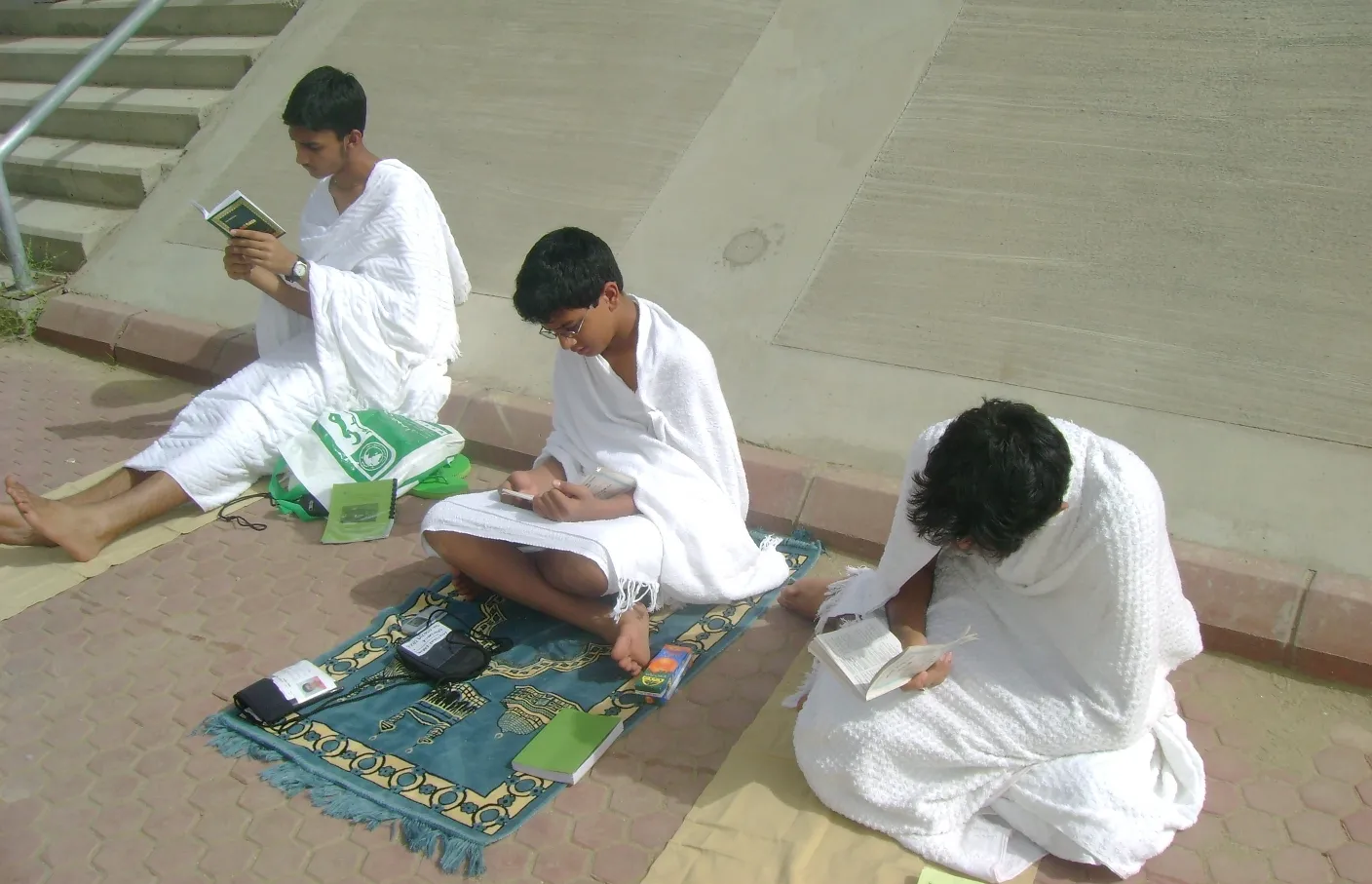
More than 1.6 million pilgrims stood in prayer on the Plain of Arafat outside Mecca on Tuesday, reciting supplications and seeking forgiveness in temperatures that pushed toward 47 degrees Celsius — the spiritual peak of the Hajj pilgrimage and, for the first time in modern Saudi history, a ceremony conducted beneath active missile-defense systems protecting the holy city below.
The Day of Arafah — the ninth day of Dhu al-Hijjah, the final month of the Islamic lunar calendar — is the pilgrimage’s single irreducible rite. The Prophet Muhammad is believed to have delivered his final sermon from this rocky plain, about 20 kilometers southeast of Mecca, to roughly 100,000 followers. Islamic scholars are unambiguous about its centrality: a pilgrim who performs every other Hajj rite but misses the standing at Arafat has not completed the pilgrimage. “Hajj is Arafah,” the Prophet is recorded as saying, and the tradition has not changed in 14 centuries.
This year, the people who made the journey came despite sustained Iranian missile strikes on Saudi soil, a weeks-long collapse of Gulf airspace, and travel costs that surged to multi-year highs during the peak registration period. Saudi authorities confirmed that international arrivals exceeded the 2025 pilgrimage total, reaching more than 1.6 million foreign pilgrims from over 120 nations — a number the Ministry of Hajj and Umrah described as exceeding operational projections given the conflict environment.
The Scale of the Gathering
Indonesia sent the largest single-country contingent: more than 221,000 pilgrims, consistent with its standing as the world’s most populous Muslim-majority nation. Pakistan and India followed in overall numbers. The Hajj quota system, which allocates participation slots by country population, remained intact throughout the conflict. Saudi officials said pilgrims reached the Kingdom through air, land, and sea, with emergency bilateral access agreements finalized with Gulf carriers after weeks of airspace closures — a coordination effort Saudi aviation and foreign ministry officials called the most operationally complex in the pilgrimage’s recorded history.
The weather added a separate physical test. Saudi health authorities urged all pilgrims to remain inside their tents between 10 a.m. and 4 p.m., with forecast temperatures in the Arafat corridor between 44°C and 47°C. Emergency medical teams staffed every major route; health officials said workers treated hundreds of heat-related cases in the pilgrimage’s first two days, with dozens hospitalized. Heat stroke during Hajj has been a recurring hazard: in 2024, more than 550 heat-related deaths were reported over the full pilgrimage period, most among unregistered pilgrims who lacked access to air-conditioned facilities. Saudi officials said this year’s death toll figures, if any, would be released after the main rites concluded.
At the center of the management effort was the Nusuk Card, a mandatory digital credential issued to every registered pilgrim that combined personal, medical, and accommodation data in a single smart credential. The system assigned each pilgrim specific time windows for Tawaf — the seven-circuit walk around the Kaaba — the stoning of the Jamarat at Mina, and movement between holy sites. Unauthorized movement outside assigned windows triggered automated alerts, enabling crowd managers to redirect foot traffic before bottlenecks formed. Saudi officials presented the 2026 deployment as the most comprehensively coordinated pilgrimage operation in the Hajj authority’s history.
The First Wartime Hajj in the Kingdom’s Modern History
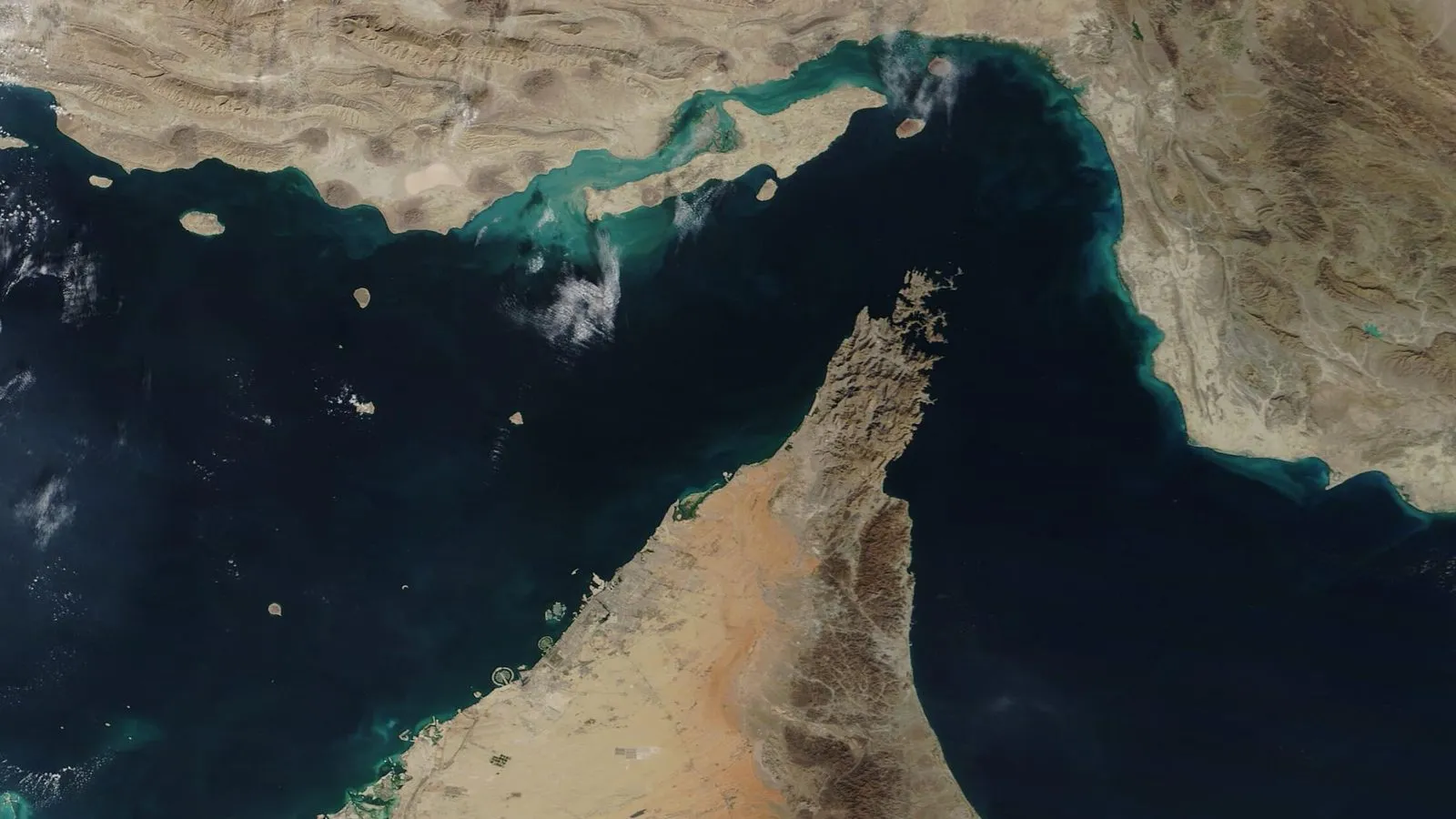
Saudi Arabia has hosted the Hajj through other regional conflicts — the 1990 Gulf War, the 2003 invasion of Iraq, years of Houthi drone and missile attacks from Yemen — but never while absorbing direct ballistic-missile strikes on its own territory from a state adversary. That changed in late February, when the U.S.-Israeli campaign against Iran’s nuclear and military infrastructure drew retaliatory Iranian strikes on Saudi military installations, oil facilities, and areas near Riyadh and the Eastern Province.
The attacks placed Riyadh in a complicated position. Saudi Arabia was not a party to Operation Epic Fury but found itself absorbing its consequences. Iran also struck the UAE and other Gulf states that Tehran accused of allowing U.S. forces to operate from their soil, triggering temporary airspace closures across the region at the peak of the pre-Hajj travel season. Some governments in the conflict zone advised nationals against Hajj travel; others simply found that surge-priced flights and closed routes made the journey impractical. Saudi officials worked through March and April to negotiate emergency bilateral access arrangements with Emirati, Qatari, and Bahraini carriers, restoring a functioning travel corridor in the weeks before the pilgrimage began.
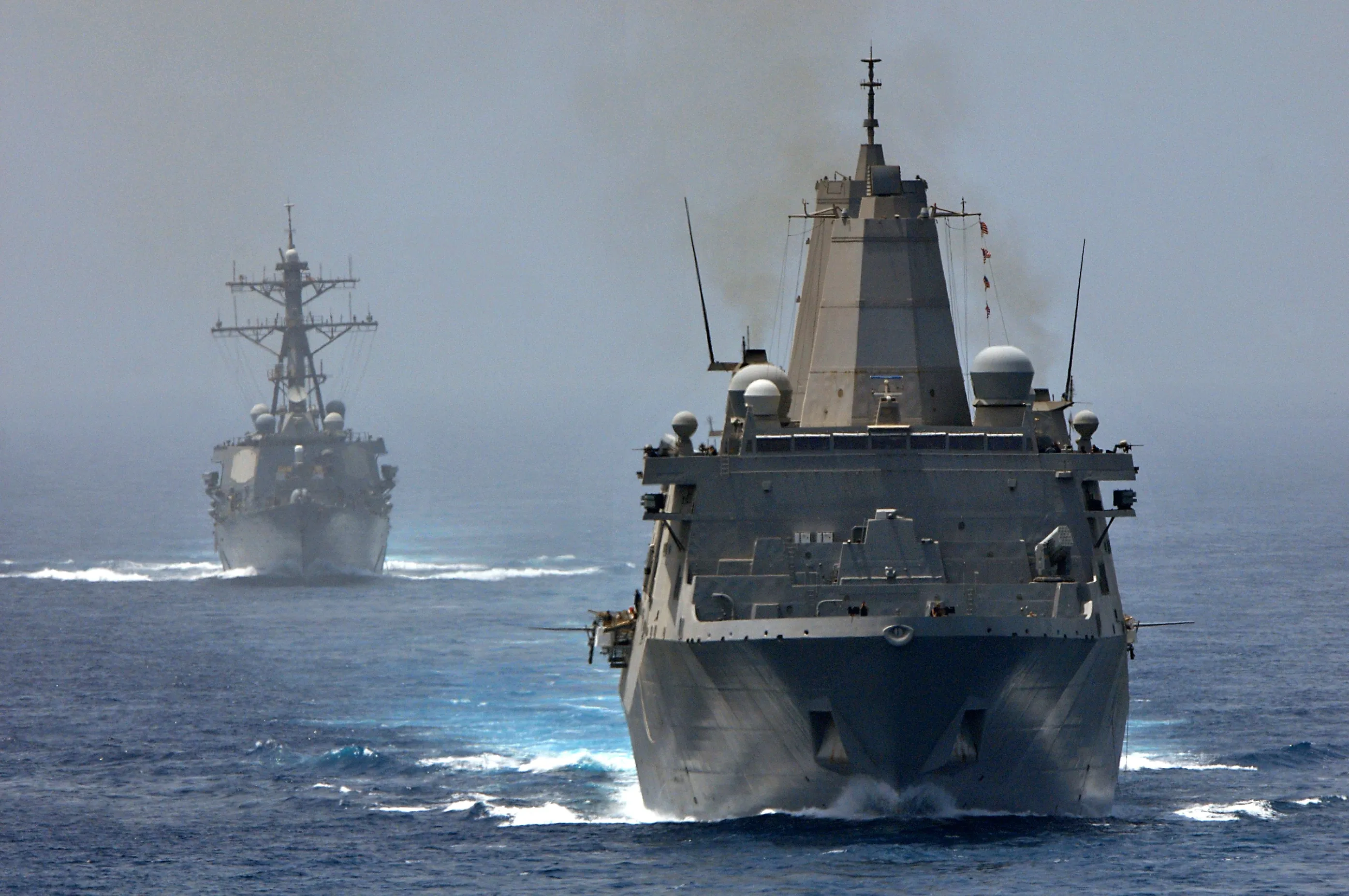
The air-defense response was unprecedented in Hajj history. Saudi Arabia deployed Patriot missile batteries around Mecca and Medina, with THAAD units providing upper-tier coverage against longer-range missiles. Saudi air-defense command publicly reported an interception rate above 90 percent for incoming ballistic missiles targeting Saudi territory. Defense analysts noted that the sustained operational tempo over months of conflict had significantly drawn down interceptor stockpiles across U.S.-allied partners in the region, raising questions about the depth of the air-defense shield available should attacks continue. The Patriot launchers were visible enough from the road between Jeddah and Ta’if that pilgrims traveling overland passed them en route to the holy sites.
The Kingdom has not commented publicly on how many Iranian or Houthi missiles were aimed at or near the Mecca-Medina corridor specifically. Saudi officials confirmed that no missile has struck either holy city.
AI, Drones, and the Architecture of Crowd Control
Saudi Arabia has been developing Hajj crowd management technology since the 2015 Mina stampede killed more than 2,400 pilgrims — the deadliest crowd-crush in recorded history. The 2026 deployment represented a step change in both scale and integration.
Drones equipped with high-resolution cameras and thermal imaging sensors flew continuous routes over all major pilgrimage corridors, relaying real-time data to civil-defense command centers. AI-powered crowd analysis software predicted congestion before it developed, automatically adjusting ground transport allocations and rerouting foot traffic away from emerging pinch points. Facial recognition checkpoints operated at King Abdulaziz International Airport in Jeddah and at major entry points throughout the holy sites, used for both security screening and to enforce the Nusuk time-slot system.
Crowd-safety experts have noted that early-warning technology improves response time without eliminating the underlying physics of two million people moving through narrow corridors in extreme afternoon heat. The 2015 disaster occurred in conditions far less crowded than Tuesday’s gathering. The margin that algorithmic management creates is real and measurable; so is the gap between prediction and prevention when the numbers are large enough.
What Comes Next
After sunset on Tuesday, pilgrims began the nighttime move from Arafat to Muzdalifah, where they collect pebbles for the stoning ritual. Wednesday brings the Rami al-Jamarat at Mina — the symbolic stoning of the devil — and the Eid al-Adha sacrifice that formally concludes the main rites for most participants. The feast is observed across more than 50 Muslim-majority nations; for Muslims not performing Hajj, the Day of Arafah itself carries significance, with fasting on the day widely regarded in Islamic tradition as expiation for the prior and coming years.
The geopolitical conditions that shaped this year’s pilgrimage remain unresolved. Talks toward a formal end to the Iran conflict have continued in Doha but have not yet produced a binding framework. Saudi Arabia’s air-defense posture over the holy cities has not been publicly adjusted. Officials in Riyadh have said nothing about what next year’s planning will require if the regional conflict extends into a second Hajj cycle.
What Tuesday’s numbers confirmed is that the 1.6 million people who reached Arafat navigated that uncertainty and came anyway. The standing on the plain — the specific few hours between noon and sunset, at this specific site, on this specific day — is the rite that cannot be substituted, postponed, or performed somewhere safer. They knew that when they booked the flights.
Sources 5 cited · 2 primary
- Hajj pilgrim numbers surpass 2025 arrivals despite Middle East war
- Pilgrims gather at Arafat for spiritual climax of Hajj
- Saudi authorities urge pilgrims to stay in during peak sun hours on most sacred day of Hajj
- Over 1.5 million pilgrims begin Hajj amid regional tensions
- Saudi Arabia deploys drones, AI to enhance security during 2026 Hajj pilgrimage
American Courant cites its sources and links to primary documents where they exist. How we report →