South Korean President Lee Jae-myung spent this week doing something that would have been unremarkable a year ago but now carries a clear strategic message: shopping for partners in Europe. On a 10-day tour that has taken him through Brussels and Rome, Lee has signed cooperation pacts on semiconductors, defense manufacturing and supply chains — the industries at the heart of Seoul’s economy — and he has done it while a 25 percent U.S. tariff hangs over South Korean exports.
The trip, Lee’s first major diplomatic swing of his second year in office, runs through Belgium, Italy and the Vatican before he joins world leaders at the Group of Seven summit in Évian, France, from June 15 to 17. The throughline is unmistakable. With trade tensions unresolved between Seoul and its most important security ally in Washington, South Korea is moving to diversify its economic relationships — and Europe, also wary of tariffs and eager for reliable technology partners, is meeting it halfway.
Why It Matters
South Korea is not a peripheral economy. It is home to the world’s two largest memory-chip makers, a major shipbuilding and defense-manufacturing base, and supply chains that feed factories across the United States, Europe and Asia. When Seoul decides to deepen ties with the European Union rather than lean further into its partnership with Washington, that is a signal about how a key American ally reads the current trade environment.
For the United States, the stakes are concrete. South Korea is a treaty ally that hosts tens of thousands of American troops and sits on the front line of U.S. strategy toward both North Korea and China. Washington has spent years trying to pull advanced semiconductor and battery manufacturing into a U.S.-aligned bloc, with Korean firms among the largest investors in new American plants. A Seoul that is actively hedging toward Brussels complicates that effort, and it shows how tariff policy aimed at narrowing trade deficits can push allies to spread their bets.
The European leg also reflects a wider realignment already underway in the chip industry, where the largest players are working to reduce dependence on any single supplier or geography — the same logic visible in reports that Google is turning to Intel to manufacture millions of its custom AI chips. Supply-chain resilience has become the organizing principle of technology policy on three continents at once, and Lee’s tour is one more expression of it.
What the Europe Tour Delivered
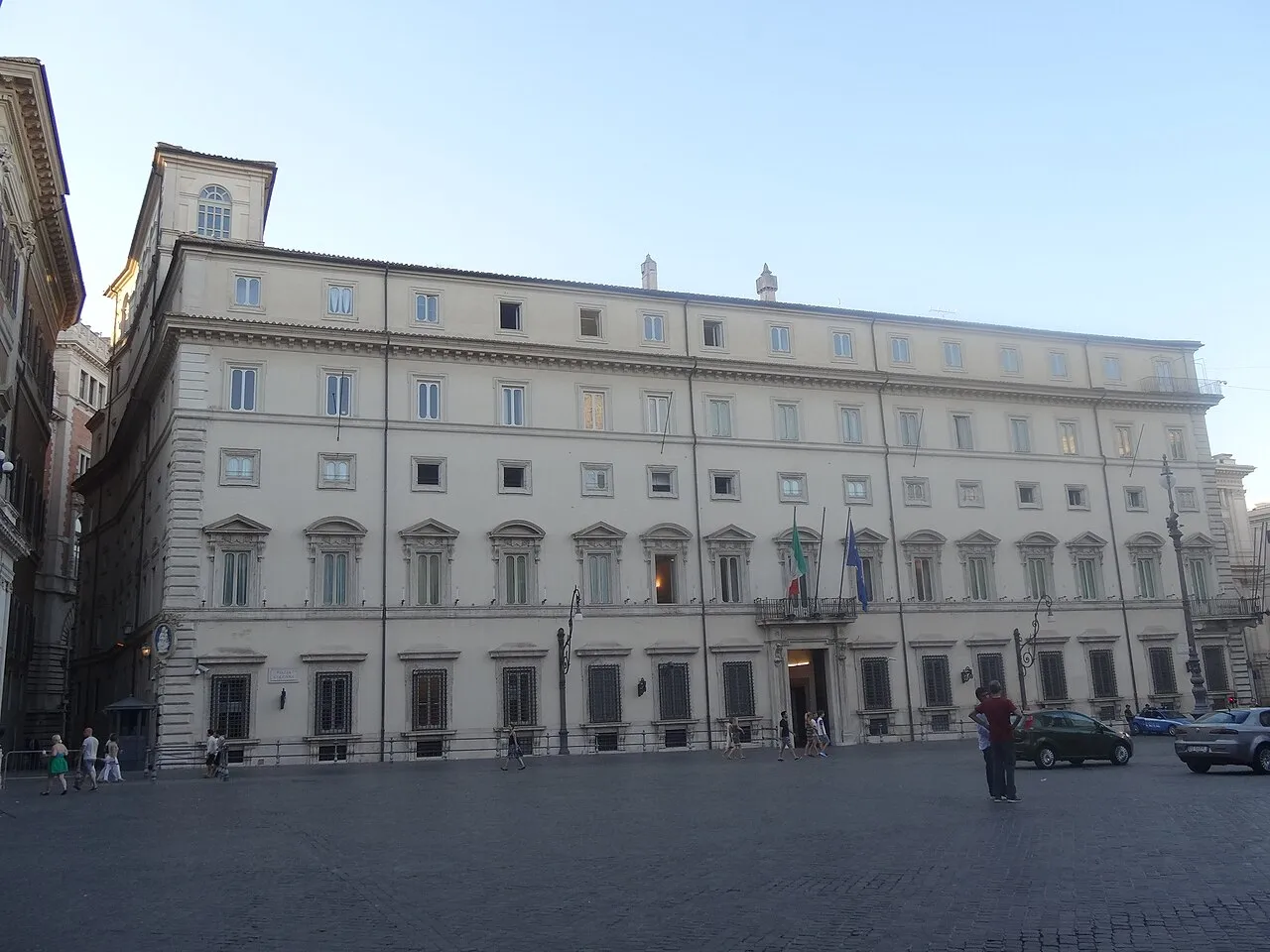
The centerpiece came in Rome. Lee and Italian President Sergio Mattarella agreed on June 11 to elevate relations to a “special strategic partnership,” adopting a Korea-Italy strategic action plan running through 2030. The two governments identified semiconductors, artificial intelligence, defense manufacturing, aerospace, energy and biotechnology as priority sectors for cooperation, and Lee attended a Korea-Italy business roundtable aimed at translating the diplomatic language into commercial deals. The framing — supply-chain resilience and energy security alongside advanced industry — mirrors the vocabulary now common across Western capitals.
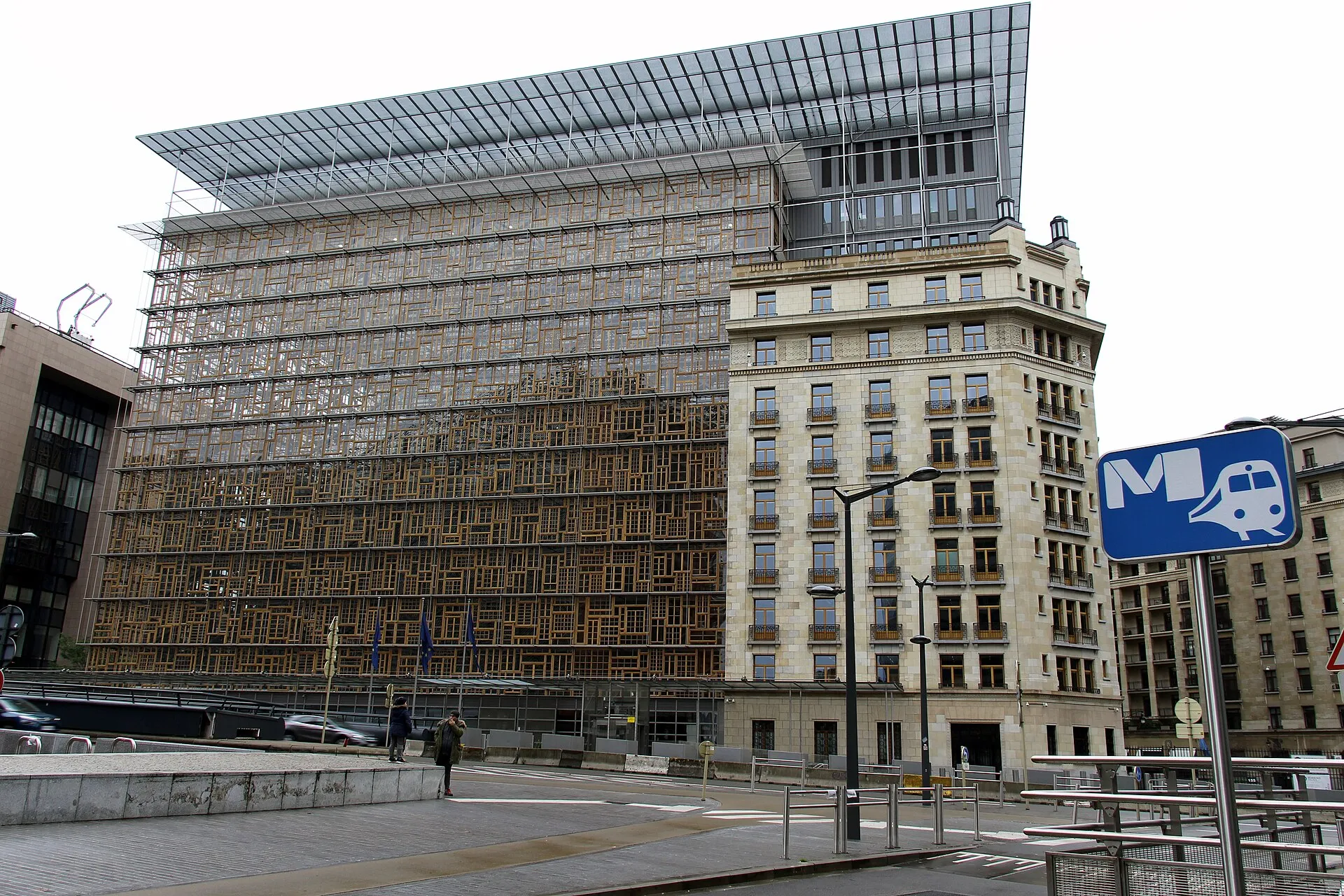
Before Rome, Lee opened the tour in Brussels with meetings on the European Union and Belgium. There, according to his office, he pressed EU leaders for favorable treatment of South Korea under the bloc’s revised tariff-free quota system for steel imports, and discussed cooperation on semiconductors and defense industries. Steel is a sensitive point: the EU has been tightening import rules to shield its own producers, and Seoul wants to make sure Korean steel is not squeezed out as Brussels recalibrates. That Lee raised it directly underscores how much of this trip is about securing market access at a moment when trade barriers are rising on multiple fronts.
The defense element is more than a talking point. South Korea has spent the past several years emerging as one of the world’s fastest-growing arms exporters, supplying tanks, self-propelled howitzers and fighter aircraft to European buyers — most prominently Poland — as the continent rearms in response to Russia’s war in Ukraine. Korean manufacturers have offered something European governments value under pressure: fast delivery, local production and competitive pricing at a moment when demand for artillery and armor has outstripped Western supply. Folding Italy into that picture, alongside aerospace and energy cooperation, gives the partnership a strategic weight that purely commercial pacts would lack.
Taken together, the agreements are less about any single contract than about positioning. South Korea is presenting itself to Europe as a dependable, high-end industrial partner at precisely the time it is being treated as a trade adversary by Washington — a contrast Seoul is clearly comfortable drawing.
The U.S. Angle
The backdrop to all of it is the tariff fight with the Trump administration. In late January, President Trump said he would raise tariffs on South Korean goods from 15 percent to 25 percent, accusing Seoul of not living up to a trade agreement the two countries had negotiated, and he signaled higher levies on Korean automobiles, lumber and pharmaceutical products. The deal in question dated to 2025 — reached in July and reaffirmed when Trump visited Korea that October — and had included a South Korean commitment to invest some $20 billion in the United States during 2026.
That dispute remains the unresolved center of the U.S.-Korea relationship, and it gives the European tour its edge. The same tariff pressure Washington is applying to allies has run through American trade policy more broadly, from levies on close partners to enforcement actions targeting forced labor in global supply chains. For Seoul, deepening European ties is both insurance and leverage: a way to reduce its exposure to U.S. policy swings and a reminder to Washington that it has other options.
The timing makes the subtext explicit. Lee’s European itinerary ends at the G7 in Évian, where Trump is also expected — setting up the possibility of direct contact between the two leaders just days after Lee spent a week courting America’s trading partners. Whether that produces movement on the tariff standoff or simply a frosty handshake, the sequencing means Seoul will arrive at the summit having demonstrated that its diplomacy no longer runs through Washington alone. South Korea has also been navigating an increasingly tense regional picture, including the deepening alignment between China and its neighbors that has reshaped East Asian security calculations.
What Comes Next
The immediate marker is Évian. Watch whether Lee and Trump meet on the sidelines and whether either side signals flexibility on the 25 percent tariff — the single issue that most shapes South Korea’s economic outlook for the year. Watch, too, whether the Rome and Brussels agreements move from declarations to signed commercial and defense contracts, the test of whether this week’s diplomacy produces anything durable.
The larger question is structural. South Korea has long balanced a security dependence on the United States against an economic dependence on China, with Europe a secondary concern. Lee’s tour suggests Seoul now sees Brussels as a more central partner — and that a U.S. tariff strategy meant to bring allies to heel may instead be teaching them to diversify. For more on how the trade realignment is reshaping global commerce, follow our world coverage and business and economy reporting.
Sources 6 cited · 2 primary
- President Lee to visit 3 EU states, Vatican from June 9, attend G7
- Lee, Mattarella agree to deepen cooperation under new special strategic partnership
- Lee embarks on Europe tour with G7 summit, economic diplomacy in focus
- 'European Tour' President Lee Arrives in Rome After Brussels... Korea-Italy Summit
- Trump says he's raising tariffs on South Korea because it's 'not living up' to trade agreement
- G7 summit, Evian, France, 15-17 June 2026
American Courant cites its sources and links to primary documents where they exist. How we report →