For most of the artificial-intelligence boom, one company has quietly sat at the center of it: Taiwan Semiconductor Manufacturing Co., which fabricates the overwhelming majority of the world’s leading-edge AI chips. A new report suggests that grip is beginning to loosen, and the beneficiary is a name that had been written off in the AI race.
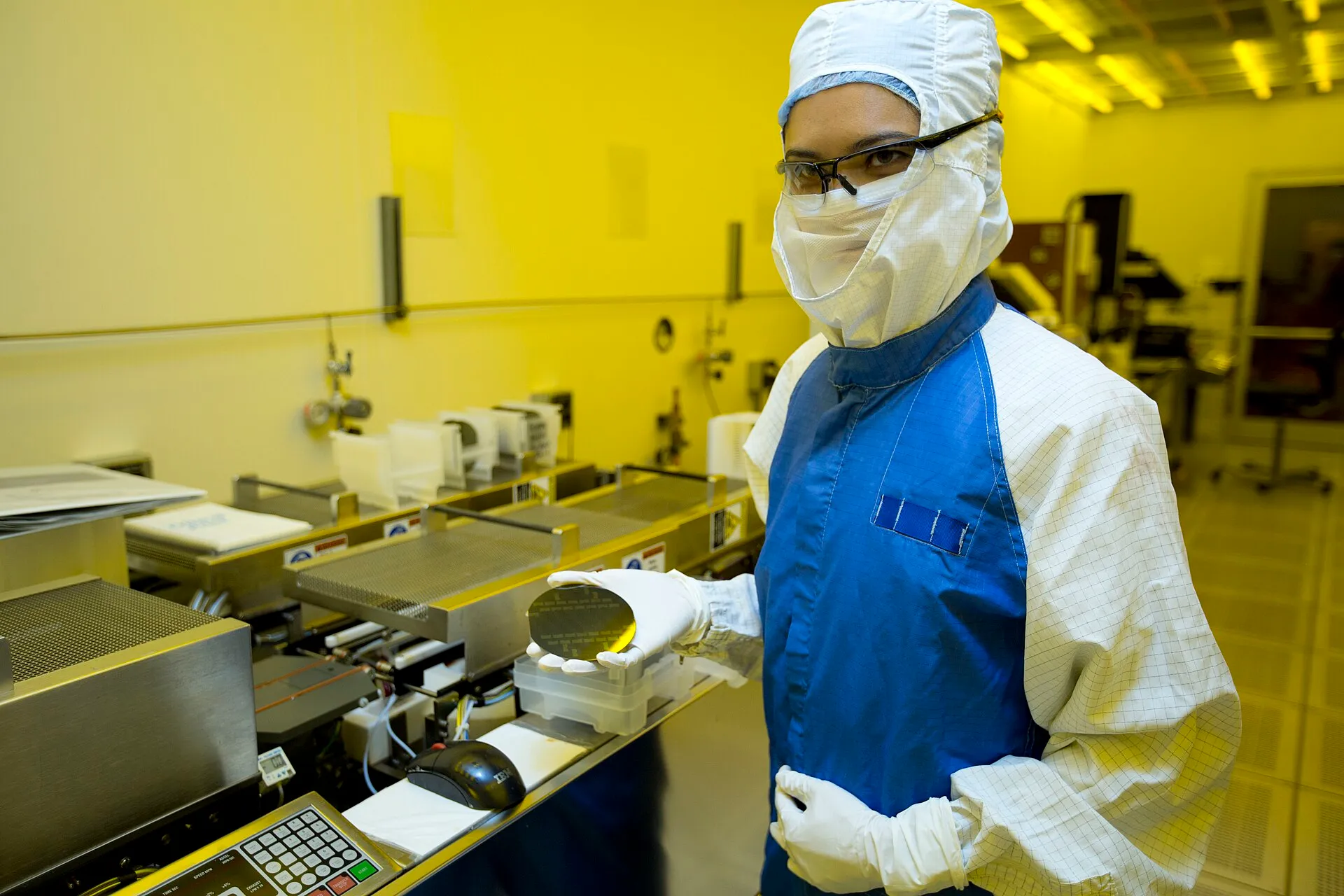
Google will rely on Intel to manufacture more than 3 million of its custom AI chips in 2028, the technology outlet The Information reported, with Bloomberg and other financial outlets relaying the account. The arrangement would have Intel act as a contract manufacturer — building Google’s own chip designs rather than selling Intel-branded processors — for the tensor processing units, or TPUs, that power Google’s data centers. According to the reporting, Google reached the decision after months of testing Intel’s manufacturing technology.
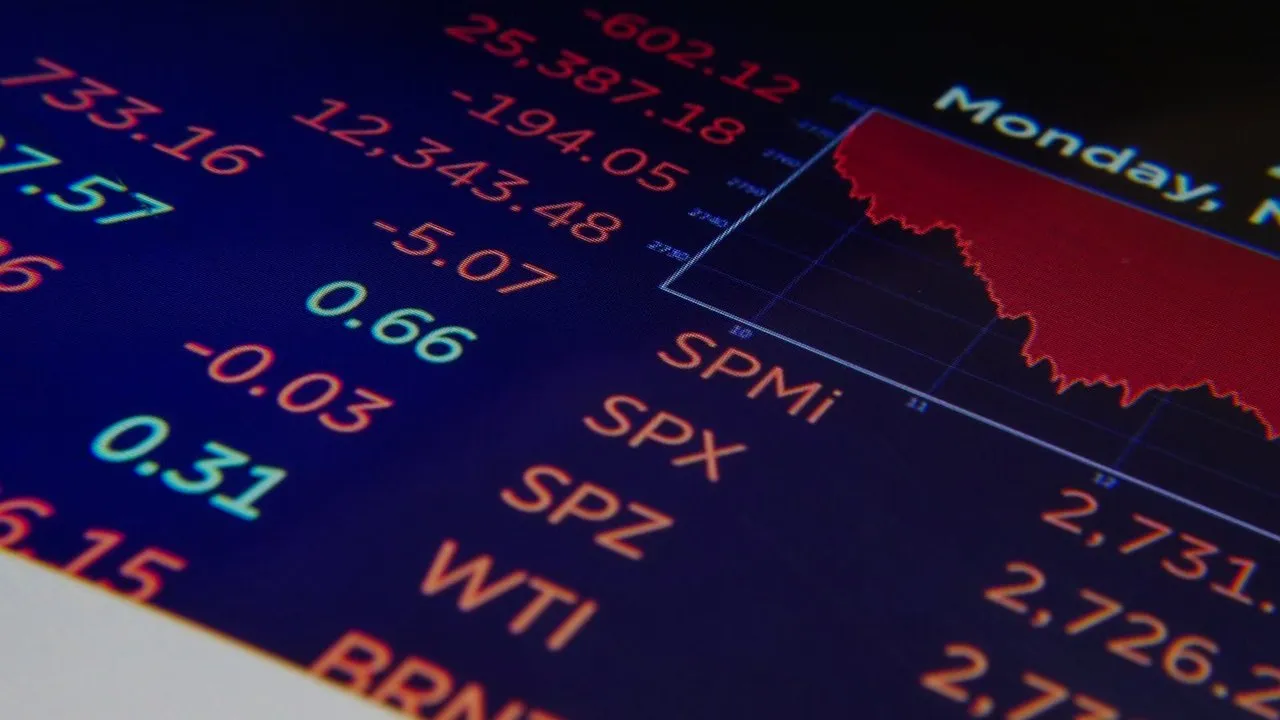
Investors reacted immediately. Intel shares jumped sharply on the news, with reports describing a move of as much as 13% and lifting the broader semiconductor sector along with it. The surge extended a remarkable run for a stock that had been left for dead in the AI trade, and it came on volume that showed how starved the market was for a credible Intel comeback story. For a company whose name had spent years as a symbol of missed opportunities in AI, a vote of confidence from one of the world’s largest cloud buyers landed as a genuine turning point.
Why It Matters
The significance is less about the size of one order than about what it says about the shape of the AI supply chain. The entire industry’s most advanced work has been concentrated at a single foundry in Taiwan, a dependency that has worried customers and governments alike. A decision by Alphabet’s Google — a company that designs its own silicon and buys manufacturing capacity at enormous scale — to route a meaningful slice of that work to Intel is a crack in the TSMC-only narrative that has defined the boom.
It also reframes Intel’s story. The company missed the smartphone era, fell behind in the manufacturing race it once dominated, and watched Nvidia capture the AI hardware market it now defines. Intel’s pitch to revive itself has rested on its foundry business — the idea that it can manufacture chips for other companies, not just itself. That pitch only works if major customers are willing to trust it with their most important products. A Google order is exactly that kind of signal.
The timing matters too. The AI buildout has run into physical limits — not just chip supply but the power and infrastructure needed to run the data centers themselves. When the binding constraint is capacity, a customer’s incentive to find a second source grows, and that is the dynamic the reporting describes.
There is a policy layer underneath all of this. Washington has spent the past several years trying to pull advanced chip manufacturing back onto American soil, channeling subsidies through the 2022 CHIPS and Science Act toward domestic fabs — Intel chief among the intended beneficiaries. The strategic argument for diversifying away from a single Taiwan-based supplier is not only commercial; it is the same supply-chain-resilience case U.S. policymakers have made about the risks of concentrating the world’s most advanced manufacturing in one place. A large American cloud company routing AI-chip production to a U.S.-based foundry is exactly the outcome that policy was built to encourage, which is part of why the report drew attention well beyond the trading desk.
The Market Reaction
Intel’s surge was the headline, but the move rippled outward. The report lifted other chip names and the broader technology sector, a reminder of how tightly the market’s mood is now tied to the AI trade. It also arrived in a jittery stretch for stocks: the Nasdaq had recently suffered its worst day of the year as chip names tumbled and bets on Federal Reserve rate cuts faded, making a clear positive catalyst all the more welcome to traders.
Analysts framed the development as part of a deliberate diversification, not a one-off. Reuters quoted eMarketer analyst Jacob Bourne describing the move as evidence that AI’s biggest players are racing to spread out a supply chain that remains heavily concentrated at TSMC. The logic is straightforward: a buyer the size of Google does not want its entire roadmap hostage to one manufacturer’s capacity, geography or pricing.
There is reason for caution. The reporting describes a future order — production slated for 2028 — and neither Google nor Intel has publicly confirmed the arrangement, with the account sourced to The Information rather than to company statements. Manufacturing partnerships at the leading edge can shift, and a booking three years out is not the same as silicon coming off a line. Intel still has to prove its advanced process and packaging can deliver at volume and yield.
What Companies Are Watching
The wider context is a capacity crunch that is reshaping decisions across the industry. Demand for AI accelerators has outstripped what TSMC can produce on its most advanced nodes, and the largest buyers are responding by qualifying alternatives. The reporting indicates the interest in Intel is not limited to Google: Nvidia has been running early-stage trials on Intel’s 18A process for a future product, and memory maker SK hynix has been testing Intel’s packaging technology, according to Tom’s Hardware. Taken together, those threads suggest several of the most important names in AI hardware are at least kicking Intel’s tires.
The scale of the opportunity is large. Morgan Stanley has projected that Google’s TPU output could reach roughly 5 million units in 2027 and 7 million in 2028, meaning a reported order of more than 3 million chips would represent a substantial share of that buildout — and substantial revenue for whoever manufactures them. For Intel’s foundry ambitions, winning even part of that volume is the difference between a credible business and a perpetual also-ran.
What companies across the sector are watching is whether this becomes a pattern. If Google’s move is followed by firm commitments from other buyers, Intel’s foundry turnaround gains real momentum and the AI supply chain genuinely broadens. If it stalls, the episode becomes another false dawn for a company that has had several. Either way, the calculus that put nearly all of AI’s manufacturing in one place is now openly in question, and that shift in mindset may outlast any single contract. Readers tracking the sector can follow our business and economy coverage for how the chip supply chain evolves.
What Comes Next
The next markers are concrete. Watch for whether Google or Intel formally confirms the arrangement, for any disclosure tied to upcoming earnings, and for signs that the early trials by Nvidia and SK hynix harden into orders. The 2028 production date means the real test — chips actually manufactured at scale — is years away, and Intel’s progress on its advanced process between now and then will determine whether the optimism the report sparked holds up.
For now, the takeaway is the market’s: a single report was enough to move Intel sharply and to put a question mark over an arrangement the industry had taken for granted. In an AI boom defined by who can build the chips, the list of credible builders may be getting longer.
Sources 5 cited
- Intel Shares Rise on Report Google Will Use It to Make AI Chips
- Google, Nvidia Consider Intel as Backup Chip Manufacturer
- Google reportedly books Intel for packaging more than 3 million TPUs in 2028
- Google reportedly orders 3 million AI chips from Intel for 2028 production
- Intel gains 10% after talks with Google and Nvidia
American Courant cites its sources and links to primary documents where they exist. How we report →