The artificial-intelligence boom is usually described in abstractions — trillions of dollars in spending, models with names like numbers, electricity demand that strains the grid. On Monday it took a more concrete form: 1,000 manufacturing jobs at a fiber-optics plant in North Carolina.
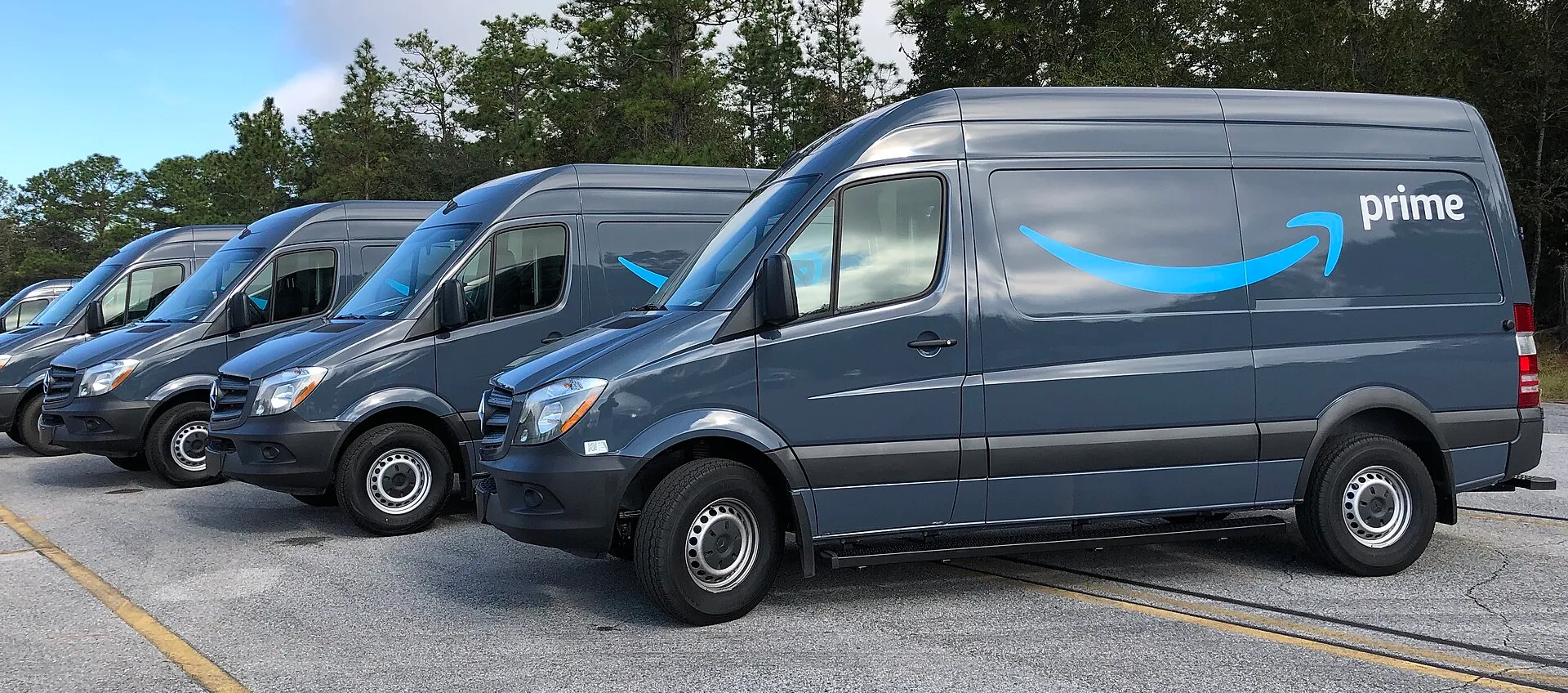
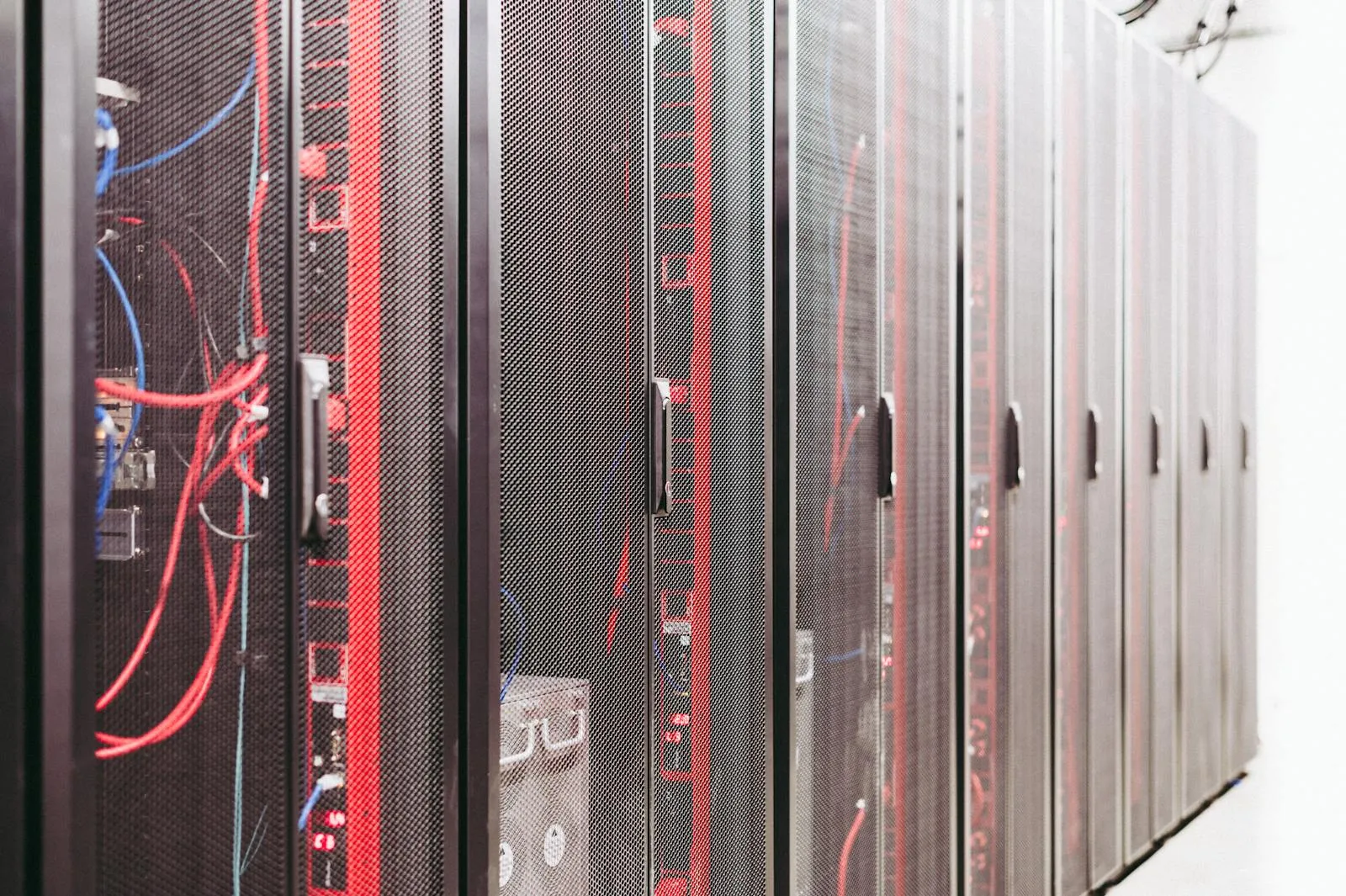
Amazon announced a multiyear, multibillion-dollar agreement with Corning Incorporated to supply the optical fiber, cable, and connectivity that wire together the servers inside Amazon’s expanding U.S. data centers. The companies said the deal will create 1,000 advanced manufacturing jobs at Corning’s North Carolina facilities, along with hundreds of construction jobs and an expanded technician-training program — a rare instance of the AI capital wave translating directly into blue-collar, build-it-here employment rather than chips and code.
Neither company disclosed the dollar figure, beyond calling it “multibillion.” But the structure of the deal says as much as the number would. Amazon is not just buying fiber; it is paying to expand the domestic capacity that makes the fiber, betting that the data-center build-out it has committed to will run for years and need a reliable American supply of the cable that ties it together.
What’s in the Deal
Corning will provide optical fiber, cable, and connectivity products for Amazon’s data-center network across the United States. To meet the demand, the company is expanding production at its North Carolina operations — the heart of Corning’s U.S. fiber manufacturing — adding 1,000 permanent advanced-manufacturing jobs plus hundreds of temporary construction jobs to stand up the new capacity.
The two companies are also widening a workforce pipeline. Amazon said it is working with Corning to expand a fiber-optic technician training program at Catawba Valley Community College, aimed at preparing students for careers in fiber manufacturing and the technical trades that keep a data center running.
Corning chief executive Wendell Weeks framed the agreement as a domestic-industry milestone. The deal, he said in a statement, represents “a significant milestone for Corning and for American manufacturing,” tying Amazon’s spending to expanded production and a more resilient U.S. manufacturing base. Corning shares rallied after the announcement, extending a run that has tracked the company’s growing roster of contracts tied to the data-center build-out.
For Amazon, the deal sits inside a much larger North Carolina footprint. The company says it has already invested more than $20 billion in the state and supported over 26,000 jobs there, and last year it announced a separate $10 billion plan to expand cloud-computing infrastructure in North Carolina. The Corning agreement is layered on top of that — the supply chain feeding the server farms, rather than the server farms themselves.
Why It Matters
Most of the money in the AI boom has flowed to a short list of beneficiaries: Nvidia and the chipmakers, the cloud giants building the data centers, and the utilities scrambling to power them. The physical materials that connect it all — the unglamorous fiber, cable, and connectors — have been an afterthought in the public story, even as they have quietly become a constraint.
That is the real significance of Monday’s deal. Inside a modern AI data center, tens of thousands of chips have to talk to one another at enormous speed, and the wiring that lets them do it is increasingly the bottleneck. As hyperscalers race to stand up ever-larger clusters, demand for optical fiber has outrun the existing supply, and companies like Corning have found themselves with pricing power they have not had in years. Amazon is locking in capacity before a competitor does — the same logic that has driven the scramble for chips and the strained electricity supply now shadowing the AI build-out.
The shift has been good for Corning, a 175-year-old glass-and-ceramics maker that most Americans know, if at all, for the scratch-resistant glass on their phones. Its fiber business has been transformed by the AI build-out, and Monday’s agreement is the latest in a series of large supply deals the company has struck with the hyperscalers racing to expand. Each contract is a bet that the demand is structural rather than a spike — and that betting on fiber, the comparatively cheap and unglamorous layer of the AI stack, can be as lucrative as betting on the chips that get all the attention.
It also lands at a politically useful moment for the industry. The AI trade has been volatile — a hot jobs report and spiking yields recently knocked roughly $1 trillion off the market in a single day, with chip stocks leading the fall. Against that backdrop, a deal that produces 1,000 factory jobs in a swing state is exactly the kind of tangible, local return the AI giants have been eager to point to as evidence that the spending boom benefits more than shareholders.
The Consumer and Worker Impact
For North Carolina, the immediate payoff is jobs that do not require a four-year degree but pay better than the retail and warehouse work that has defined much of the state’s recent growth. Advanced manufacturing roles in fiber production — and the technician jobs the Catawba Valley program is meant to fill — sit in the middle of the wage scale that has been hollowed out across much of the country. The training tie-in matters because the constraint on this kind of work is rarely the demand; it is the supply of people trained to do it.
There is a longer arc, too. Each deal of this kind deepens a domestic supply chain for a product the U.S. could otherwise import, and pairs it with the training pipeline needed to staff it — a reshoring story that, unlike many, comes with announced headcount attached rather than a vague promise.
The catch is the dependence that runs in both directions. Corning’s expansion is being underwritten by a single customer’s appetite for fiber, and that appetite is a function of an AI spending cycle that no one can guarantee will keep climbing at its current pace. The 1,000 jobs are real and the demand is real today. Whether the build-out that justifies them runs for a decade or cools in a few years is the open question hanging over every announcement like this one.
What Comes Next
Construction and hiring will ramp over the coming year as Corning brings the new North Carolina capacity online, and the Catawba Valley training program will start feeding workers into the plants. Amazon, for its part, is unlikely to stop here: the Corning deal is one piece of a build-out that spans power agreements, chip purchases, and land, and the company has signaled it intends to keep spending.
The scale of the commitment behind it is hard to overstate. Amazon has guided toward more than $100 billion in capital spending this year, the bulk of it directed at the data centers, chips, and now the cabling that AI requires — a figure that would have been unimaginable for any single company a few years ago. The Corning agreement is one supply line inside that torrent of spending, which is part of why a “multibillion-dollar” fiber deal can be announced almost as a footnote to the broader build-out.
Watch, too, for the rivals. Amazon is competing with Microsoft, Google, Meta, and Oracle for the same finite supply of chips, power, and now fiber, and a multibillion-dollar lock-up of Corning capacity puts pressure on the others to secure their own. The AI arms race has been fought largely in semiconductors and electricity. Monday was a reminder that it is also being fought, increasingly, in factories — and that the spoils, this time, included a thousand jobs in North Carolina. For more on the economics shaping the build-out, see our Business & Economy coverage.
Sources 5 cited · 2 primary
- Amazon Announces Agreement with Corning to Boost U.S. Fiber Optics Manufacturing, Creating 1,000 Advanced Manufacturing Jobs in North Carolina
- Amazon's multibillion-dollar deal with Corning creates 1,000 jobs in North Carolina
- Corning shares jump after company strikes deal to power Amazon AI data centers in U.S.
- Amazon and Corning strike multi-billion dollar fiber agreement
- Amazon, Corning announce plan to bring big boost to U.S. fiberoptics manufacturing, jobs
American Courant cites its sources and links to primary documents where they exist. How we report →