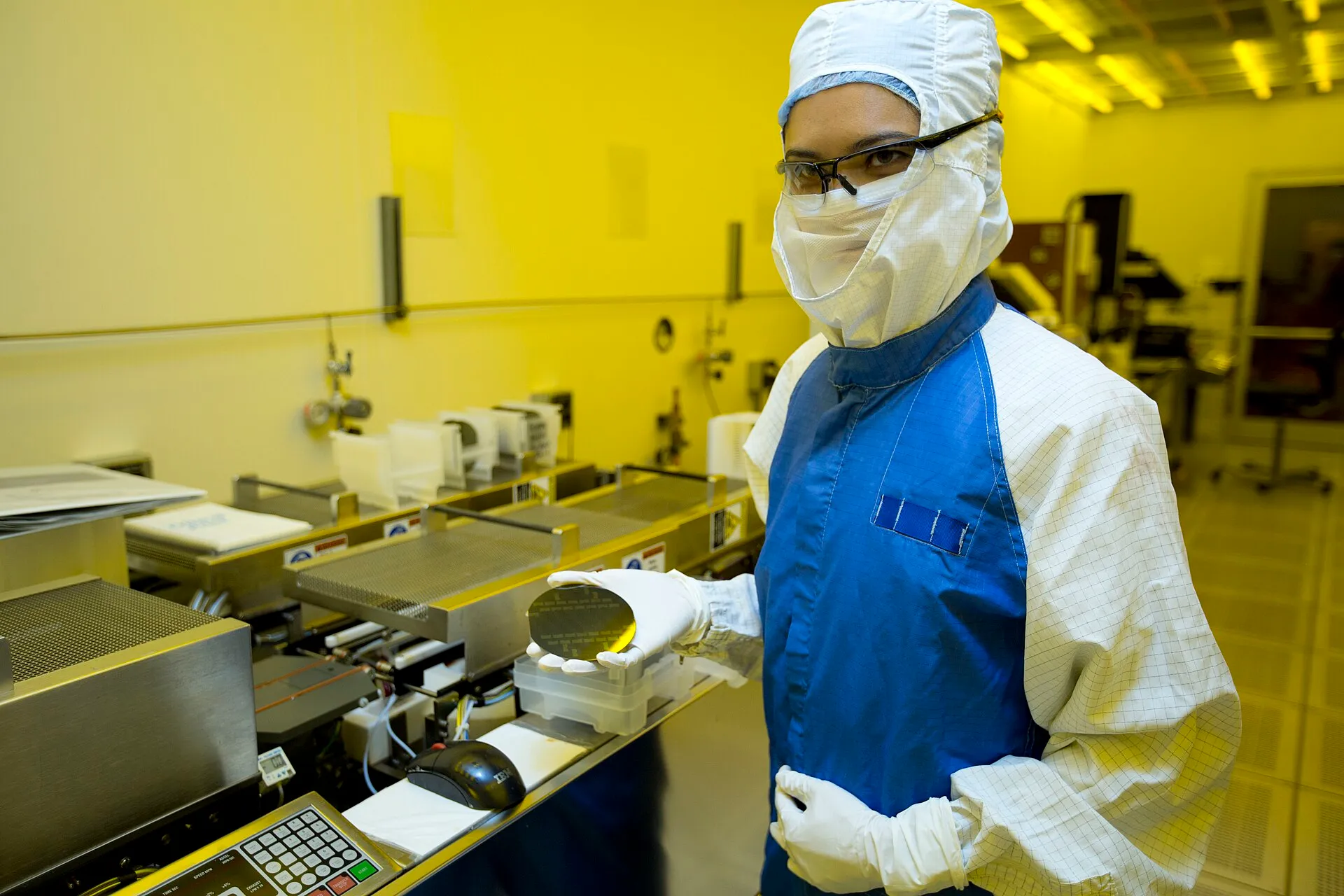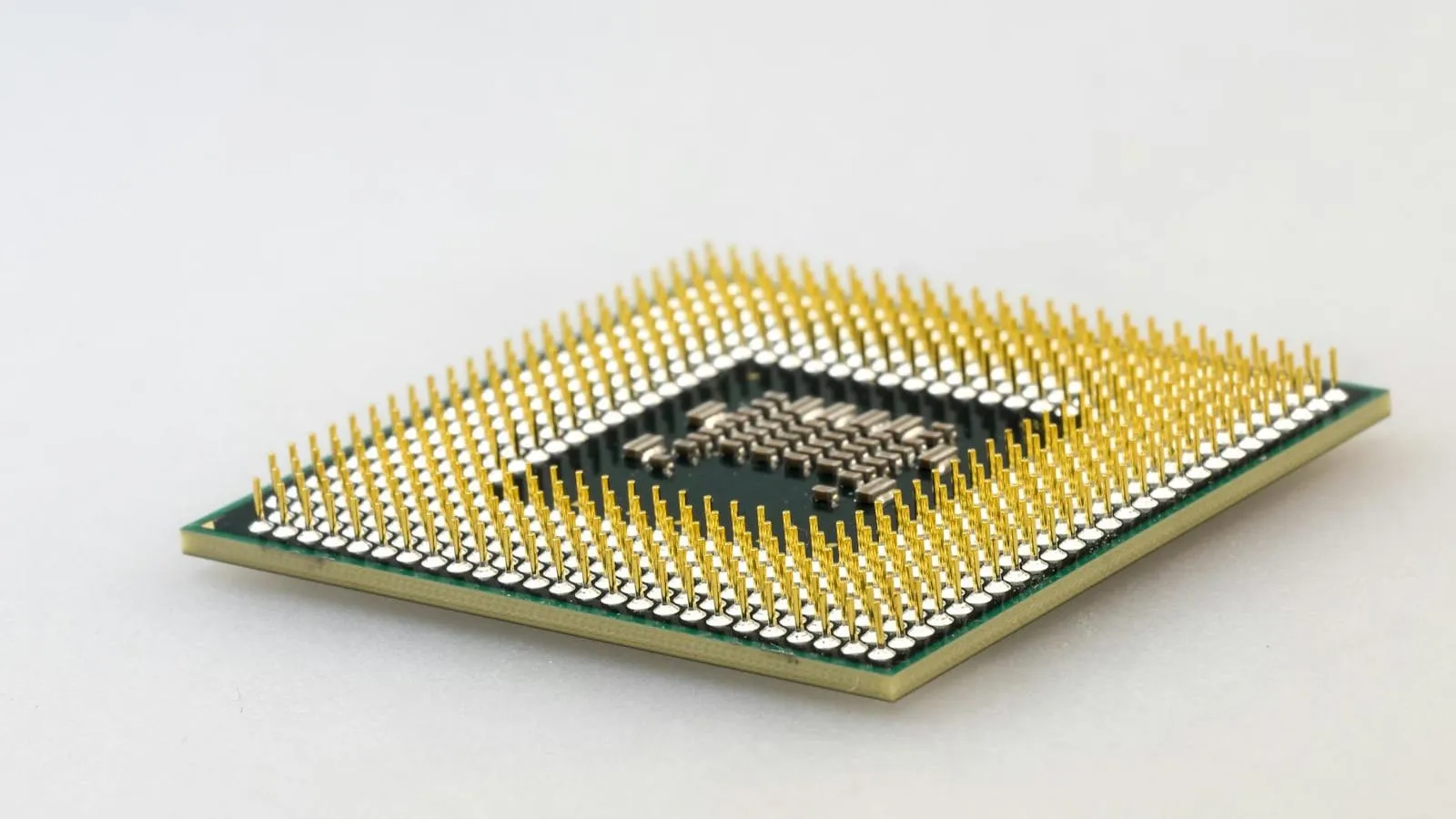
TSMC reported a 58% jump in first-quarter net profit Thursday — the biggest single-quarter gain in the chipmaker’s history — and forecast revenue growth above 30% for the full year. High-performance computing, the segment that includes AI accelerators, accounted for 61% of revenue. AI is no longer one of TSMC’s businesses. AI is the business.
That part is the easy part to write up.
The harder part is megawatts
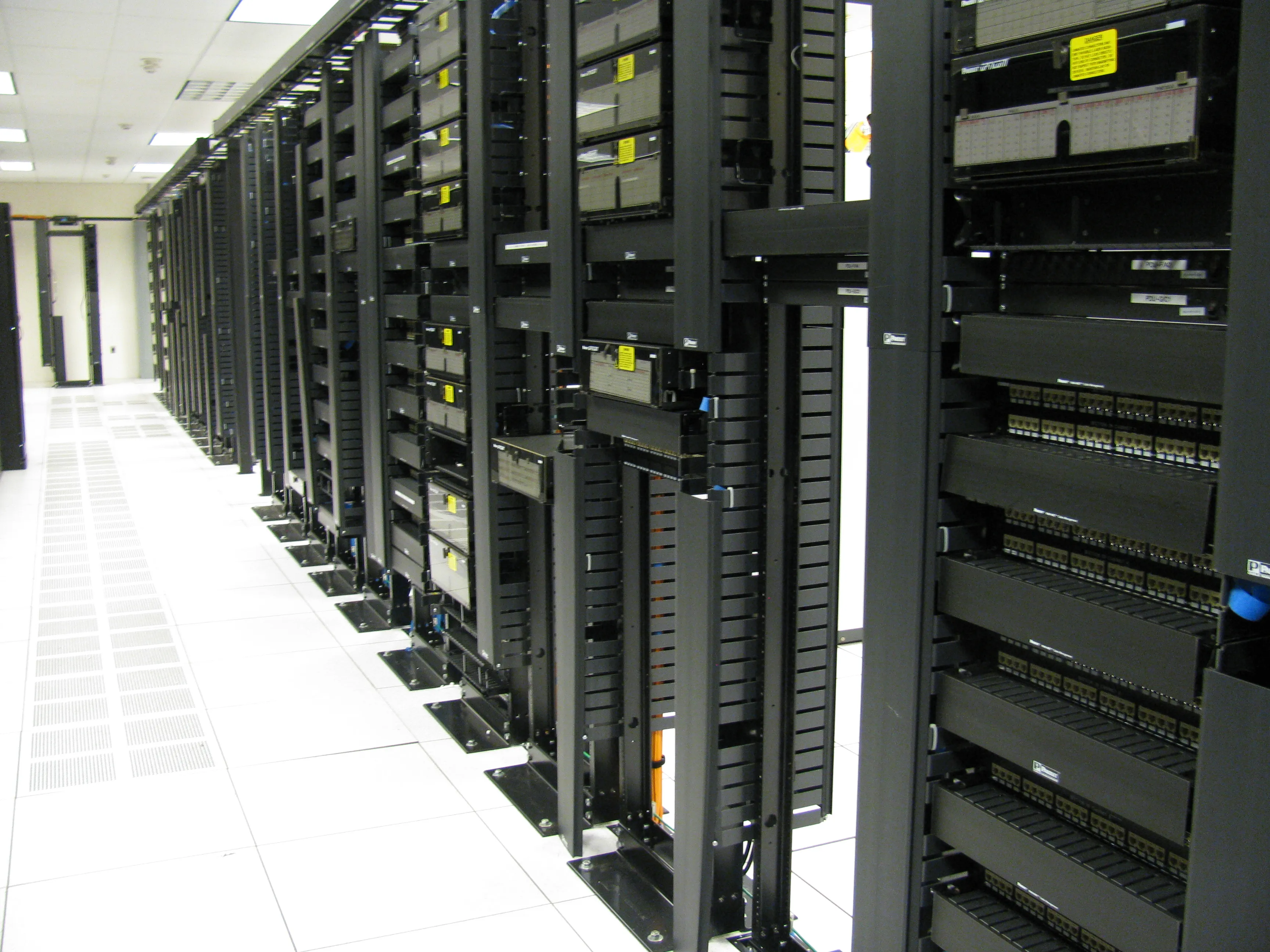
Industry analysts who follow this market have been saying the same thing privately for a year, and increasingly out loud: the bottleneck for AI infrastructure is not silicon. The bottleneck is electricity. Every credible projection of data-center capacity build-out through 2028 assumes roughly 92 gigawatts of new power — about 10% of total U.S. installed capacity — has to come online. Most of it has to come online near the data centers.
It is not coming online that fast. Not in the U.S., not in Europe, not even in Taiwan, where TSMC’s own fabs are drawing roughly 8% of national grid capacity at peak.
Three things follow from this.
First, the next round of AI capex announcements from hyperscalers — Amazon, Microsoft, Meta, Google — is going to read more like a utility roadmap than a tech strategy. You will see PPAs (power purchase agreements) negotiated with state utilities, behind-the-meter natural gas turbines, and small modular reactor pre-orders that nobody five years ago would have predicted in this segment.
Second, the cost curve of AI compute is going to bend in a way the chip vendors don’t want to advertise. DRAM prices are already up nearly 50% in 2026, and that’s before the power input cost gets passed through.
Third, the regulatory friction shifts from semiconductors to siting. The Biden-era CHIPS Act was about silicon manufacturing. The next big federal AI bill, if there is one, is about transmission corridors and grid interconnection.
What investors are actually buying
When markets bid TSMC up another 4% on Thursday, they were not buying chip-design genius. That’s already priced in. They were buying the bet that TSMC’s roadmap — A13 and N2U process nodes, an Arizona packaging facility, a multi-year capacity commitment to Nvidia — gives the company enough operational cushion to absorb the power-cost shock when it arrives.
That bet might be right. But the next chart that matters in this story is not earnings. It’s the curve of new utility-scale generation interconnection queues — and that one is moving in the wrong direction.
Sources 6 cited · 1 primary
- TSMC 2026 Q1 Quarterly Results
- TSMC first-quarter profit rises 58%, beats estimates as AI demand fuels record run
- TSMC raises 2026 revenue forecast after record Q1 profit
- TSMC Q1 2026: Record Results and Rare Capacity Expansion as the AI Megatrend Takes Shape
- TSMC posts Q1 revenue surge of 40.6% YoY
- TSMC Q1 2026 earnings: Record revenue on strong AI chip demand
American Courant cites its sources and links to primary documents where they exist. How we report →