For two years, federal student loan borrowers can shave a full percentage point off their interest rate — but only if they hand the government one thing in return: permission to pull the payment straight out of their bank account every month.
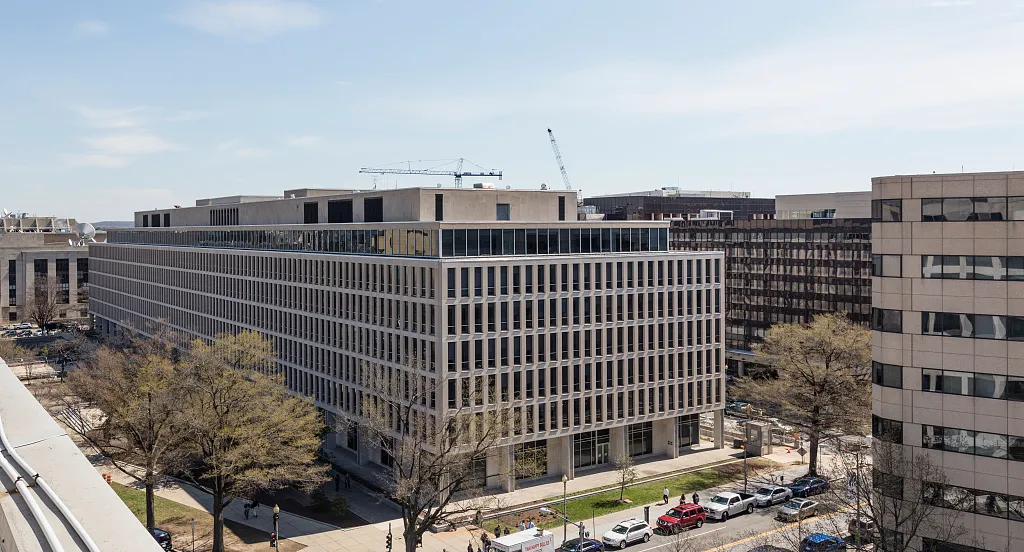
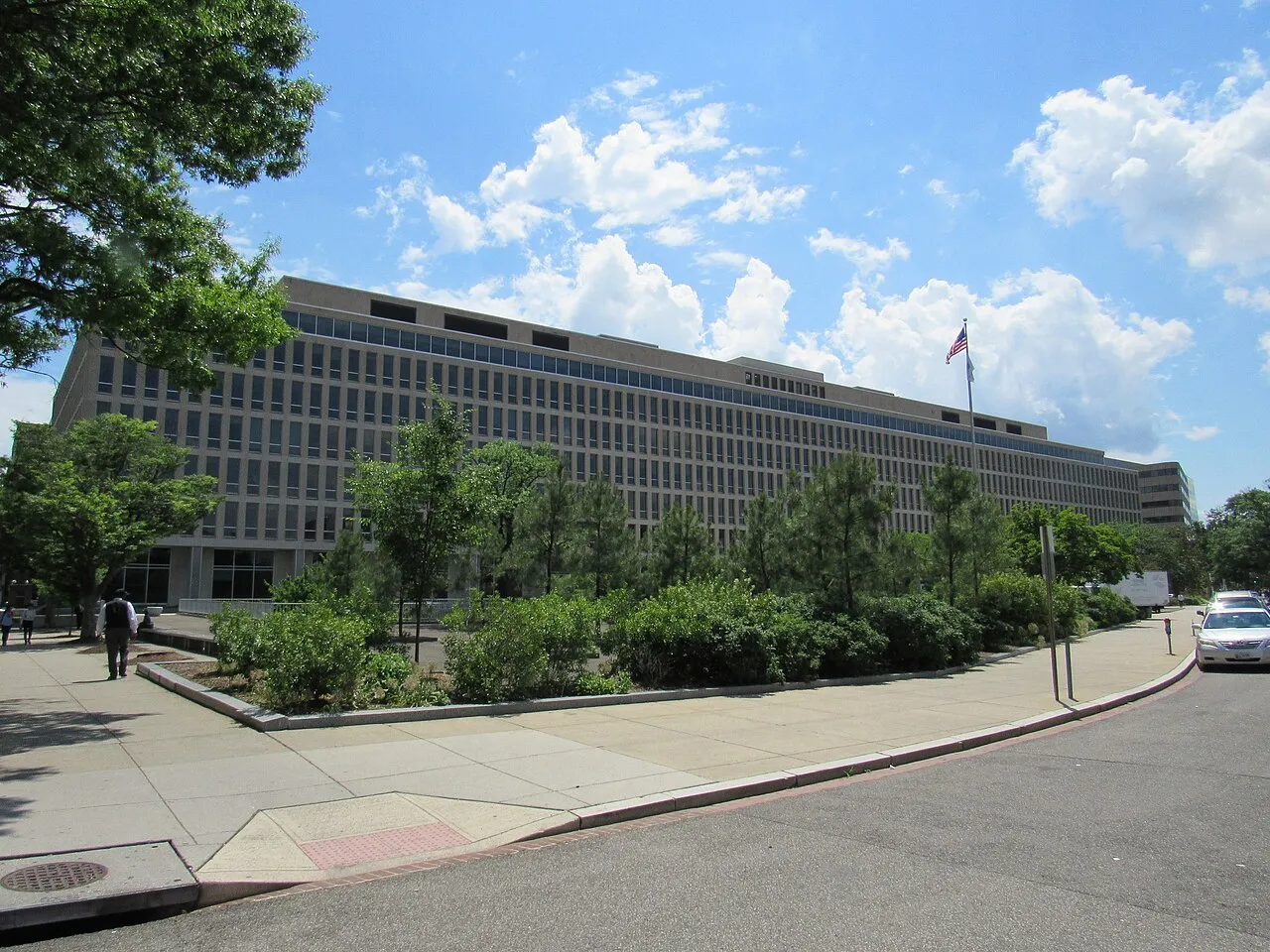
The Education Department announced Thursday that it is temporarily quadrupling the discount borrowers get for enrolling in automatic payments, raising it from the longstanding 0.25 percentage points to a full 1.0 point. The break runs from July 1, 2026, through June 30, 2028. To capture it, borrowers either need to already be on auto pay or sign up by 11:59 p.m. Eastern on September 30. Miss that window, and the offer is gone.
That is the catch buried in an otherwise straightforward giveaway. The discount is real money, and for borrowers it is close to free. But it is built to fix a problem the government has, not just one borrowers have: auto pay enrollment has collapsed, delinquency is climbing, and Washington wants both reversed. The deadline does the nudging.
What the Education Department Actually Changed
The mechanics are simple. Any borrower whose loan payment is automatically debited from a checking or savings account gets the rate cut applied to the underlying interest rate for the duration of the program. A borrower already enrolled sees the existing quarter-point discount widen to the full point automatically — no new paperwork. A borrower not enrolled has to opt in.
The department offered a concrete example: an undergraduate paying 6.39 percent would see the rate drop to 5.39 percent while the incentive is active. On the average federal balance of roughly $37,000, a full point works out to a few hundred dollars in interest over the first year, tapering as the balance falls. It is not life-changing, but it is automatic once the auto pay switch is flipped.
Eligibility covers the vast majority of borrowers. The cut applies to Direct Loans disbursed on or after July 1, 2012, which is the bulk of the outstanding federal portfolio. Undergraduate, graduate and parent borrowers all qualify so long as their loans fall in that window and they are in active repayment.
“The Trump Administration is making student loan repayment easier than ever, and borrowers should not wait to take advantage of this temporary interest rate reduction to stay on track for key student loan benefits,” Under Secretary of Education Nicholas Kent said in a statement announcing the change. The department, run by Secretary Linda McMahon, framed the move as a way to keep borrowers current and reduce the delinquency dragging on the system.
Who Qualifies — and the Clock That Matters
The date to circle is September 30. Borrowers already on auto pay are covered through June 30, 2028, with no action required. Everyone else has until the end of September to enroll and still claim the full two-year benefit.
Signing up is a do-it-yourself task handled through whichever company services the loan. For borrowers, that means logging into the servicer’s site — MOHELA is one of the largest — selecting the auto pay option from the account menu, entering bank account information and confirming the payment amount. Once the debit is set up and verified, the lower rate follows.
There is a reason the department is leaning on auto pay specifically rather than cutting rates across the board. Borrowers on automatic payments are far less likely to miss a due date, which keeps them out of delinquency and default. The incentive is engineered to pull people into a payment habit the government has watched erode, and to do it before the fall, when a wave of borrowers faces renewed collection pressure.
A Loan Portfolio Under Strain
The backdrop is a federal student loan system in visible trouble. The portfolio has swelled to roughly $1.6 trillion spread across about 43 million Americans, and only a minority of them are making real progress against the debt. By the department’s own accounting, only around 37 percent of borrowers are actively paying down what they owe. Roughly 9 million are in default, and millions more are behind but not yet in default.
The strain got worse after the government restarted collections on defaulted loans in May 2025, ending a years-long pandemic-era pause. Defaults and delinquencies have climbed sharply since, and credit reporting has resumed, meaning missed payments now hit borrowers’ credit scores again. The Federal Reserve Bank of New York has tracked the share of student debt 90 or more days delinquent ticking back up as the bills came due.
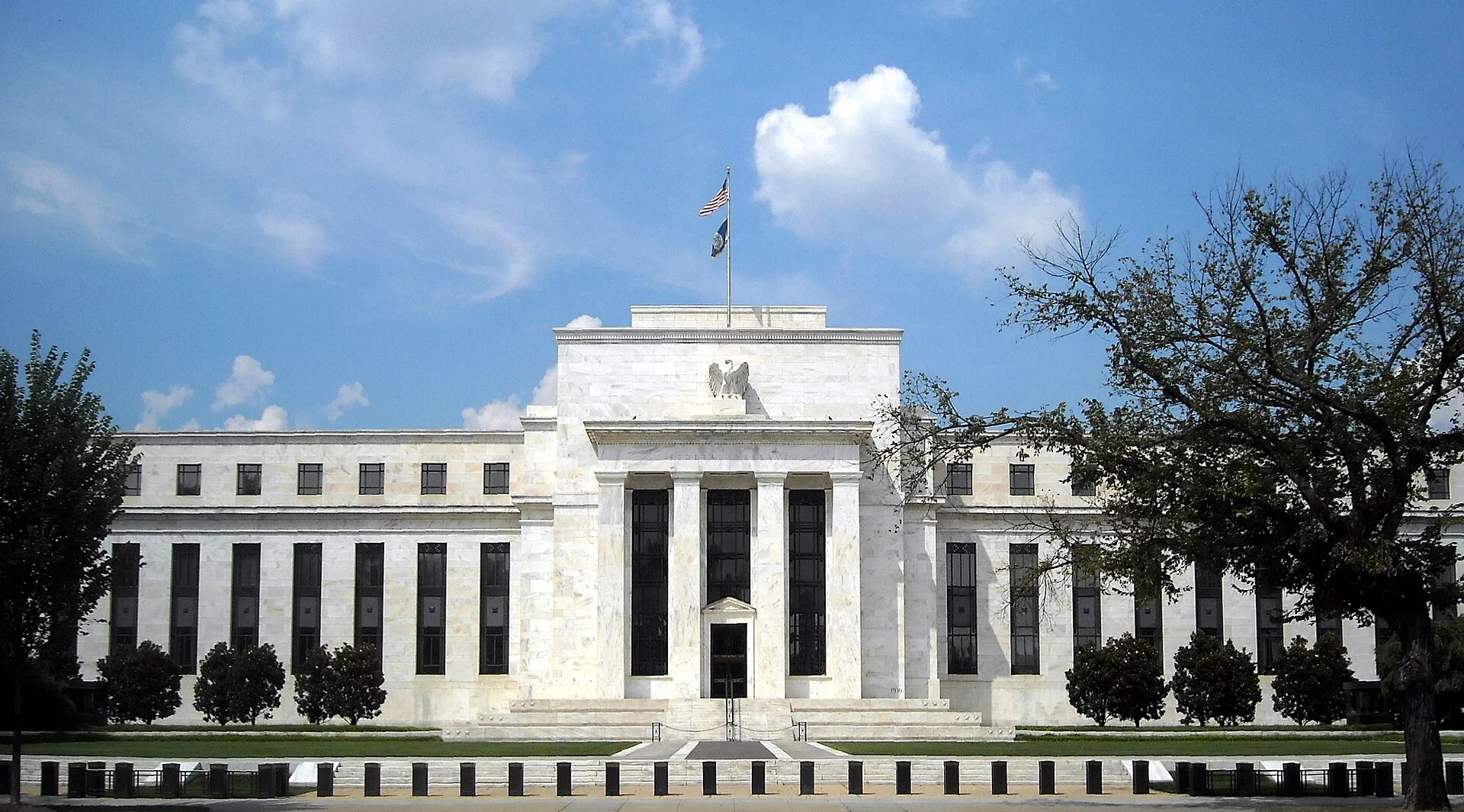
That financial pressure does not sit in isolation. It lands on households already stretched by a higher cost of borrowing across the board, after Kevin Warsh’s Federal Reserve erased the year’s expected rate cut and signaled rates would stay high. It compounds a budget squeeze visible in how Americans are spending — the same pressure showing up as core customers stretching to cover the basics at discount retailers. For tens of millions of borrowers, a monthly student loan payment is one more fixed cost competing with rent, groceries and credit card minimums.
Auto pay enrollment captures the shift. In 2019, about 83 percent of borrowers had their payments automatically debited. By late 2025, that figure had fallen to roughly 40 percent. The drop tracks the long payment pause, the reshuffling of borrowers among servicers, and the simple fact that many people never turned auto pay back on after years of $0 bills. The new discount is the carrot to reverse that — and the deadline is the stick.
Why Critics Say It Falls Short
Not everyone is impressed. Mark Kantrowitz, a higher-education finance expert who has analyzed student aid for decades, called the upside thin. “The financial benefit is minimal,” he said of the cut. For a borrower carrying a typical balance, a single point trims the bill modestly while leaving the size of the debt — and the monthly payment — essentially intact.
There is also a tradeoff in the mechanism itself. Auto pay is convenient until it isn’t. The Consumer Financial Protection Bureau has fielded complaints about automatic debits going wrong — payments pulled in the wrong amount, debits hitting after a loan was paid off, or withdrawals landing when an account could not cover them, triggering overdraft fees. Handing a servicer standing access to a bank account, critics note, asks borrowers to trust a system that has produced billing errors before.
And the discount does nothing to address the underlying complaint driving the delinquency numbers: that monthly payments are too high relative to incomes for a large slice of borrowers. A rate cut that depends on already being able to make the payment offers the least to the people most at risk of falling behind — the ones who cannot reliably keep a bank balance high enough to auto-debit in the first place. The policy rewards borrowers who are already managing and offers little to those who are not. That gap sits inside a federal balance sheet where the cost of carrying the national debt has already blown past the defense budget, leaving little appetite in Washington for a more expensive across-the-board fix.
What Comes Next
The discount takes effect July 1 and expires June 30, 2028, unless the department extends it. Between now and the September 30 enrollment deadline, the test is whether the offer actually moves auto pay enrollment back up and pulls delinquency down — the outcome the department is betting on.
For individual borrowers, the calculus is narrower and more immediate. If the loan is a Direct Loan from 2012 or later, the payment is affordable, and the bank account can reliably cover an automatic debit, enrolling before the end of September locks in a lower rate for two years at no cost. If the payment is already a stretch, the smarter move may be an income-driven repayment plan first, then auto pay — because a missed automatic debit, with collections live again, now does real damage to a credit score. The break is free only for the borrowers who were going to pay anyway. For everyone else, the fine print is the whole story.
Sources 6 cited · 2 primary
- U.S. Department of Education Announces Student Loan Interest Rate Reduction
- Student loan borrowers will get an interest rate cut if they sign up for auto pay
- Trump administration temporarily boosts student loan autopay discount
- The discount for student loan payers who enroll in autopay just went up
- Loan Autopay Enrollees to Temporarily Get Lower Interest Rates
- Interest Rate Reduction — Auto Pay
American Courant cites its sources and links to primary documents where they exist. How we report →