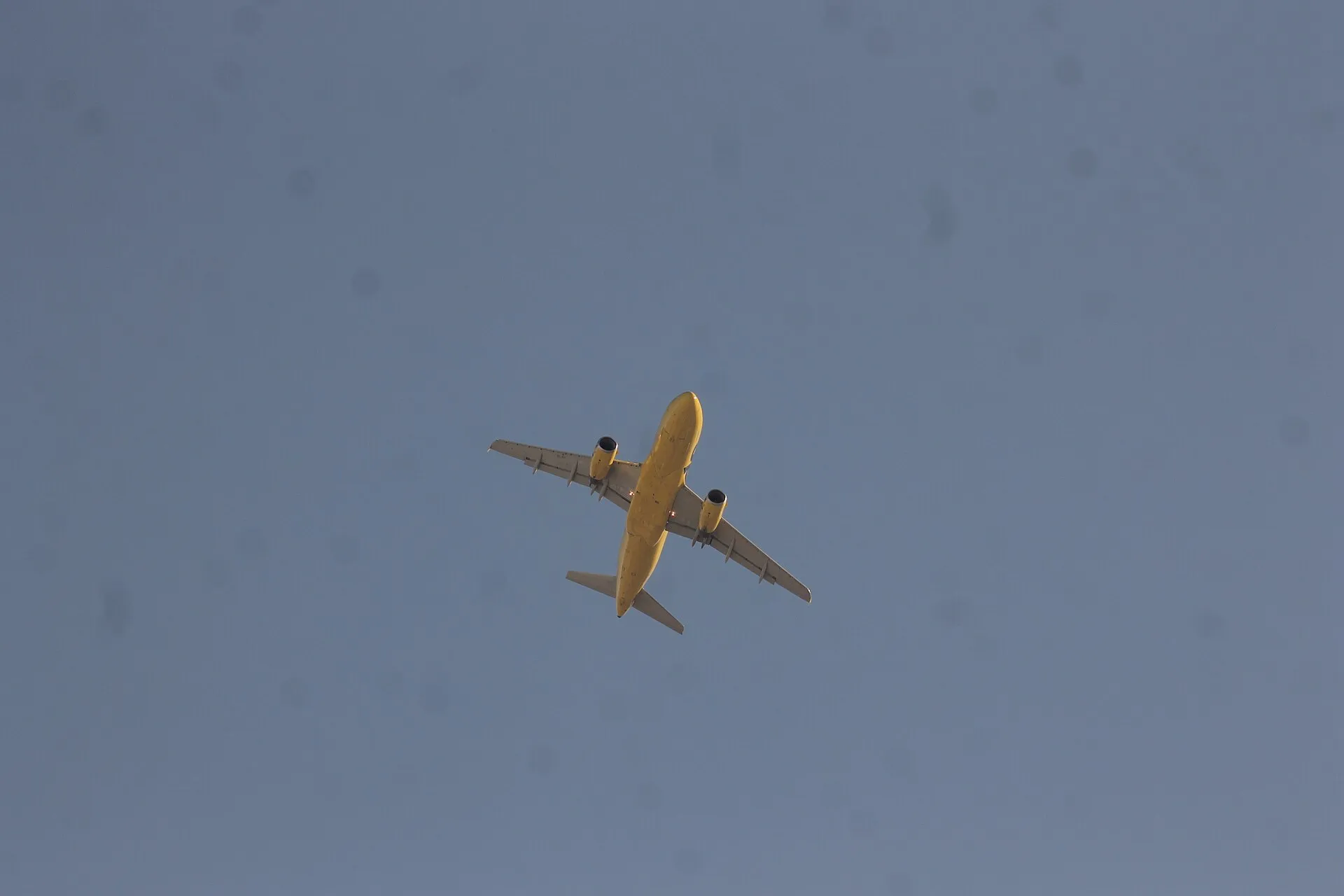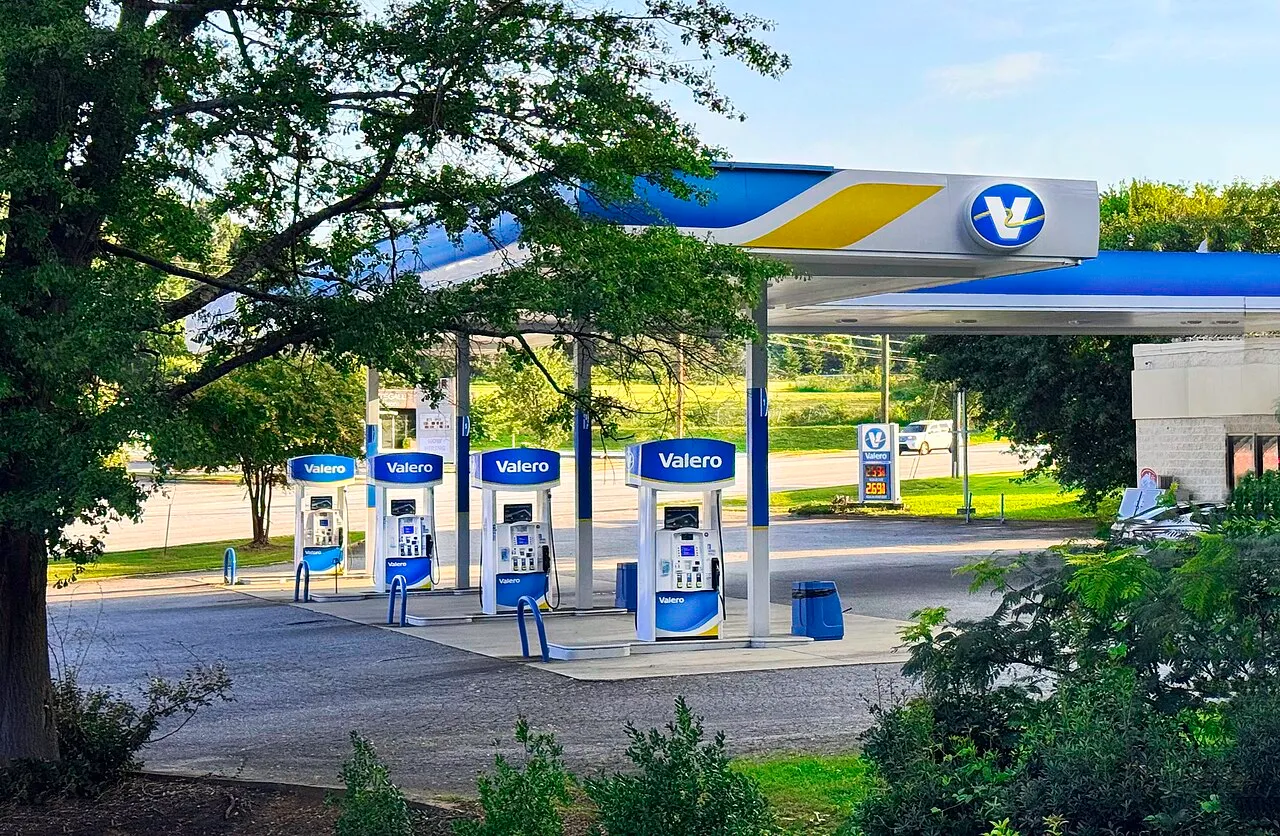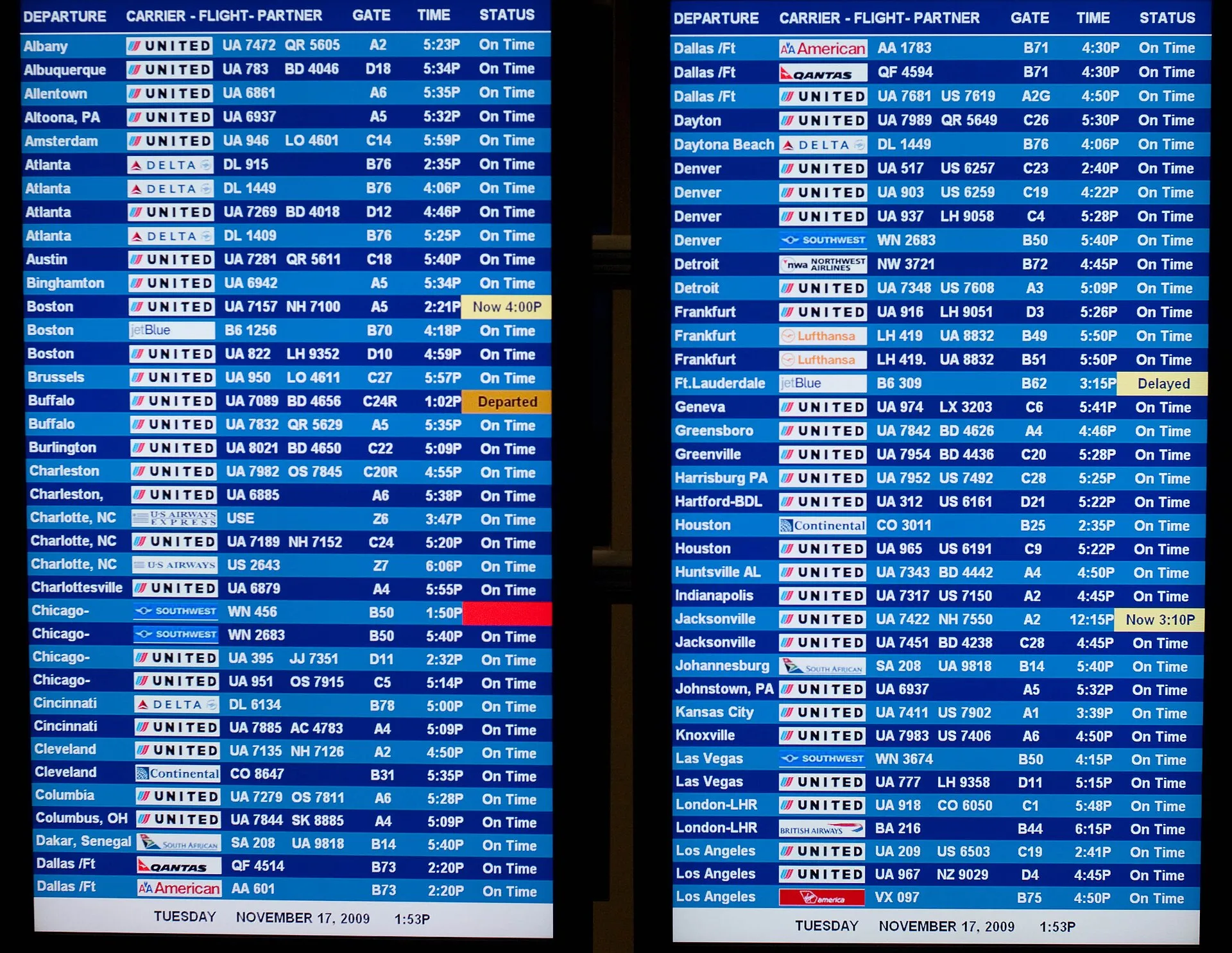
The price of jet fuel has dropped by about a third since April. The price of a plane ticket has not. As Americans head into the heart of the summer travel season, airfares are sitting at their highest level in nearly four years, and the usual explanation — expensive fuel — only tells part of the story.
Airline fares rose 26.7% over the year through May, and another 2.7% from April alone, according to Consumer Price Index data released June 10 by the U.S. Bureau of Labor Statistics. That was one of the fastest annual increases for air travel in years, and it landed at exactly the moment families were booking summer trips. The gap between falling fuel costs and stubbornly high fares is the tell: this is not just an energy story. It is a competition story, and the disappearance of one airline is at the center of it.
Fuel Went Up, Then Came Back Down. Fares Stayed Up.
The fuel shock was real. Jet fuel prices roughly doubled over a span of less than three months earlier this year after the United States and Israel struck Iran, igniting a conflict that effectively choked off a critical oil shipping lane. U.S. carriers reported spending 56% more on fuel between March and April, and airlines responded the way they always do when costs spike — by raising fares, trimming schedules and tacking on higher checked-bag fees. Al Jazeera reported in early May that airlines were cutting millions of scheduled seats as fuel costs climbed.
Then the pressure eased. Jet fuel has fallen roughly 35% from a peak near $4.88 a gallon in early April, helped along as tensions in the Persian Gulf cooled and crude retreated. Pump prices for drivers followed, with gasoline easing back even as analysts warn the relief could prove fragile — a dynamic spelled out in our coverage of why gas dropped under $4 after the Iran deal but could stay elevated. The reopening of the shipping lane at the center of the conflict, detailed in our report on the disputed status of the Strait of Hormuz, took some of the fear premium out of energy markets.
Yet airfares did not follow fuel back down. That is partly mechanical — airlines hedge fuel and set fare structures months in advance, so a mid-spring spike keeps showing up in summer prices long after the underlying cost fades. But it is also because the second force pushing fares up has nothing to do with oil at all.
What Spirit’s Collapse Took With It
On May 2, Spirit Airlines shut down entirely, the first failure of a major U.S. carrier in roughly a quarter-century. Spirit accounted for close to 2% of all domestic flights scheduled for this summer, and when it went dark, those seats vanished from the market in a matter of days.
The carrier most people loved to complain about turned out to be the one quietly holding fares down. Ultra-low-cost airlines like Spirit functioned as a price floor: when a budget carrier flew a route, the legacy airlines had to keep their own fares competitive or watch passengers defect. Remove that discipline, and prices drift upward. Marketplace reported that fares on former Spirit routes could climb 15% to 20%, and historical patterns suggest jumps of around 23% when Spirit exits a market entirely. The hardest-hit corridors run out of Florida, Las Vegas, the New York area, Detroit and Houston, plus Caribbean and Central American destinations where Spirit was a major player.
The competitive reshuffling is still underway. Frontier, Spirit’s closest rival, has moved to absorb some of the abandoned demand, adding roughly 3 million seats to its summer schedule and pushing into airports like Orlando, Las Vegas and Dallas-Fort Worth where Spirit once had a large footprint. But Frontier expanding into some markets does not offset capacity cuts across the broader industry, and a single budget carrier cannot fully replace the price pressure Spirit applied system-wide.
The Consumer Impact
For travelers, the math is unforgiving. Domestic round-trip airfares averaged around $623 in April, the highest in nearly four years, according to CNBC’s reporting on the season. Annual travel inflation has accelerated for four consecutive months, climbing from 0.3% in January to 9.8% in May — the fastest pace since the post-pandemic travel surge of 2022. Air travel and gasoline have each been running more than 20% above year-ago levels, the BLS noted in its summer-travel breakdown, a one-two squeeze on the two biggest line items in most vacation budgets.
There is a sliver of context that cuts the other way. Despite the recent run-up, airfares remain only about 17.3% above their May 2019 level, the BLS data show, compared with overall consumer inflation of roughly 30.8% over the same stretch. By that long-run measure, flying is still cheaper in real terms than much of the rest of the economy. That is cold comfort to a family staring at a fare that is up more than a quarter from last year, but it explains why airlines have had room to raise prices: tickets had lagged inflation for years and demand stayed strong anyway.
The practical takeaways for travelers are concrete. Routes Spirit used to serve are the ones most exposed to sharp increases, so flexibility on departure airport and dates matters more than usual this summer. The added bag and seat fees that carriers introduced during the fuel spike have largely stuck, so the advertised fare increasingly understates the real cost of a trip. And because the easing in fuel has not yet reached ticket prices, waiting for fares to fall in line with cheaper oil may not pay off before Labor Day.
What Companies Are Watching
The bigger question for the industry is whether Spirit is the last failure or the first. The International Air Transport Association has warned that more carriers could go under and has cut its profit outlook for the sector, a signal that the economics of cheap flying are under strain across the board. Higher fuel, higher labor costs and the capital intensity of running an airline have made the ultra-low-cost model — thin margins, packed planes, fees on everything — harder to sustain when any one cost spikes.
If consolidation continues, the long-run trajectory points toward fewer carriers, less price competition and structurally higher fares, even in years when fuel is cheap. That is the outcome regulators and consumer advocates worry about most: a market where the discipline that budget airlines imposed for two decades simply no longer exists. The broader inflation backdrop is not helping, with the Federal Reserve signaling a higher-for-longer stance on interest rates that keeps borrowing — and corporate cost-cutting — front of mind across the travel industry.
What Comes Next
The next clear reads come quickly. The Bureau of Economic Analysis releases its May inflation gauge on June 25, and the next CPI report will show whether June fares cooled as fuel costs receded or stayed locked at their spring highs. Earnings from major travel-exposed companies later this summer will reveal how airlines are pricing the back half of the season and whether the seat cuts made during the fuel spike are being restored now that energy has calmed.
For now, the lesson of this summer is that the price travelers pay is set by more than the cost of jet fuel. Cheaper oil helps the airlines’ margins, but with one budget carrier gone and the industry trimming capacity, those savings are not flowing through to the fare. The flight still costs what the market will bear — and with less competition holding it down, the market is bearing more.
Sources 5 cited · 2 primary
- Consumer Price Index Summary — 2026 M05 Results
- Summer vacations: prices for gasoline and air travel each up more than 20 percent over the year
- Spirit Airlines' collapse, high gas prices, airfares test limits of summer vacation spending
- Airfares on former Spirit Airlines routes could rise as much as 15% to 20%
- Airlines hike fares, cut millions of seats as Iran war drives up fuel costs
American Courant cites its sources and links to primary documents where they exist. How we report →