Inflation climbed to its fastest pace in three years in May, but the report the Federal Reserve actually has to act on was more reassuring than the headline number suggested.
The Bureau of Labor Statistics reported Wednesday morning that the Consumer Price Index rose 4.2% over the 12 months through May, up from 3.8% in April and the highest annual reading since April 2023. On a monthly basis, prices rose 0.5%, a touch below April’s 0.6% pace. Both figures landed almost exactly where economists polled by LSEG had pegged them.
Look one layer down, though, and the picture softens. Core CPI — which strips out volatile food and energy prices and is the gauge the Fed weighs most heavily — rose just 0.2% on the month, below the 0.3% economists expected, and held at 2.9% over the year. The gap between a 4.2% headline and a 2.9% core tells the story of the report in a single line: this was an energy spike, not a broad re-acceleration of inflation.
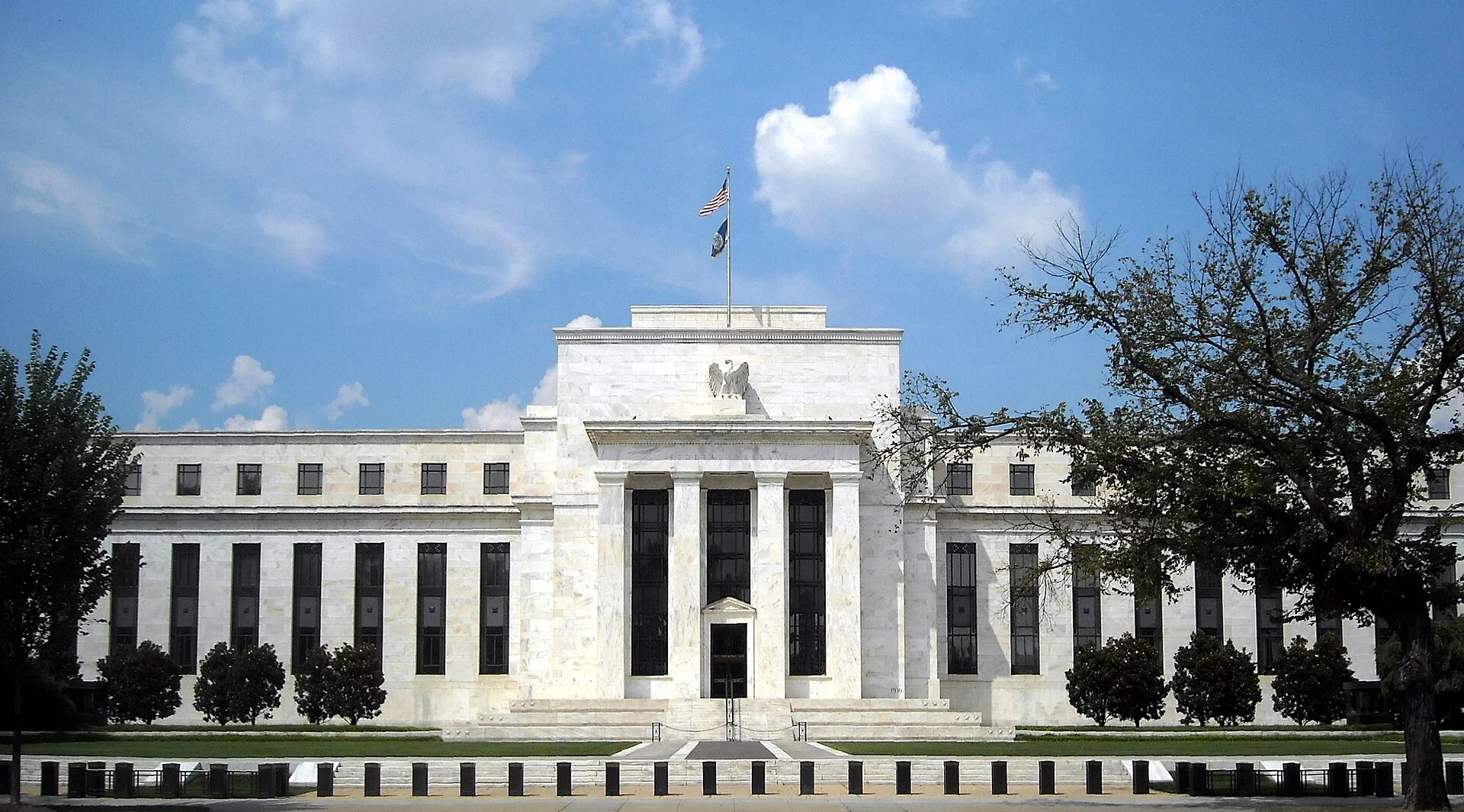
That distinction lands in the lap of Kevin Warsh, confirmed as Fed chair in May by the narrowest Senate margin in modern history, days before he chairs his first policy meeting. Warsh arrived with a widely understood expectation attached to him — that he would steer the Fed toward lower interest rates. A 4.2% headline gives him no room to cut next week. A cooling core gives him a reason not to panic about hiking, either.
Confirmed Facts: What the Report Showed
The numbers themselves are not in dispute, and they point in two directions at once.
The headline was hot, and it was concentrated. The all-items index rose 0.5% in May and 4.2% over the year, the fastest annual pace since April 2023, when prices were climbing at 4.9%. Energy did most of the lifting: the energy index jumped 3.9% on the month and is up 23.5% over the year, and the BLS attributed more than 60% of the entire monthly increase to energy alone. Gasoline was the sharpest mover, up 7.0% in May and a striking 40.5% from a year earlier.
The core was soft, and it was broad. Stripping out food and energy, prices rose just 0.2% for the month — below the 0.3% consensus — and 2.9% over the year. Shelter, the single largest component of core inflation and a category the Fed scrutinizes closely, rose 0.3%, half its April pace. Food climbed a mild 0.2% on the month and 3.1% over the year.
Put together, the report confirms what the consensus had braced for on the headline while delivering a quieter underlying trend than feared. The price pressure in May was real, but it was overwhelmingly a fuel story — one that traces directly to a geopolitical shock rather than to overheating demand.
That driver is identifiable. The May data captures the rise in fuel prices from mid-April to mid-May, a stretch shaped by the U.S.-Iran conflict and the related disruptions to oil flows through the Strait of Hormuz. Our coverage of the way the Iran war pushed crude toward $100 and rattled energy markets tracked the supply shock that has now shown up at the pump and in the 40.5% annual jump in gasoline.
The character of this episode differs from the last inflation surge in a way that matters for policy. The 2021-22 spike was broad, driven by pandemic-era supply snarls and stimulus working through nearly every category at once. May’s was narrow: an energy-led jump, traceable in part to a foreign conflict, layered on top of the price pressure that tariffs have added to imported goods over the past year. A central bank cannot lower rates to fix a supply shock it did not create — but a soft core gives it grounds to wait that shock out rather than fight it with a hike.
Why It Matters for the Fed
The report did exactly what a hot-headline, soft-core print tends to do: it locked the Fed in place. The Federal Open Market Committee meets June 16-17, and the data all but settled the outcome. After the release, the CME FedWatch tool showed traders pricing in roughly a 96-98% probability that the committee holds its target range at 3.50%-3.75%, with a rate hike viewed as a likelier next move than a cut heading into the fall.
The market reaction was telling in its restraint. S&P 500 futures slipped about 0.5% on the headline, but stocks pared their losses and Treasury yields retreated as investors digested the cooler core — the opposite of the yields-up, dollar-up reaction a genuinely broad inflation surprise would have produced. The takeaway on Wall Street was not that inflation is spiraling, but that the Fed has a reason to stay patient.
Economists split along the same seam. Ellen Zentner, chief economic strategist at Morgan Stanley, cautioned that “inflation remains well above target,” pointing to oil prices, tariffs, and AI-driven cost pressures as forces still pushing prices up. Angelo Kourkafas of Edward Jones struck the more hopeful note, arguing the data gives the Fed “breathing room” and that inflation could peak this quarter so long as oil does not spike again. Fed officials have leaned toward the cautious camp: Governor Christopher Waller has described the labor market as broadly stable and named containing inflation the central bank’s priority.
The bind sharpens the politics. President Trump has repeatedly pressed for lower rates, but a three-year-high headline makes that case nearly impossible to argue this month — and the 172,000 jobs the economy added in May, more than double forecasts, removed the one rationale a cut might have rested on. A strong labor market and 4% headline inflation leave Warsh little ground to ease, whatever the White House prefers.
What Changes Now for Households
For most people, the report’s split personality resolves into a single fact at the gas station. Gasoline up 40.5% over the year is the most visible bite in the data, and energy’s 23.5% annual climb radiates into the cost of everything that has to be shipped, heated, or cooled. A 4.2% headline rate means the dollar is losing purchasing power faster than it has since 2023, and the squeeze falls hardest on energy and the goods whose prices ride along with it.
The softer core offers a genuine, if modest, consolation: outside of fuel, price increases are running closer to the Fed’s comfort zone, with shelter — the biggest monthly expense for most households — decelerating. That is the difference between an inflation problem that is everywhere and one that is mostly at the pump.
It still reaches borrowing costs. The Fed’s near-certain decision to hold keeps pressure on the rates attached to variable-rate mortgages, home equity lines, auto loans, and credit card balances. For anyone hoping 2026 would bring relief on borrowing costs, the May report is another signal that relief is not coming this summer, and our earlier look at how the Iran energy shock fed into mortgage rates traced exactly this chain from a geopolitical event to a household bill.
What Comes Next
The immediate verdict is settled: the Fed is overwhelmingly expected to leave rates unchanged when it announces its decision on June 17. The more revealing document arrives with it — an updated “dot plot” of officials’ rate projections. Whether those projections drift higher, signaling a committee bracing for higher-for-longer rates, or hold steady, hinges on how durable policymakers judge the energy spike to be.
The path of oil is now the swing variable. If crude stabilizes as the Strait of Hormuz disruptions ease, the headline rate could peak this quarter and begin converging back toward the calmer core, vindicating the wait-and-see camp. If energy spikes again, the 4.2% print will look like a floor rather than a ceiling, and the conversation will shift from when the Fed might cut to whether it will have to hike.
One month does not settle where inflation is headed. But May’s report drew the map clearly: a headline running hot on fuel, an underlying trend running cooler than feared, and a Fed that — for now — has both the cover to hold and the reason to wait.
Sources 6 cited · 2 primary
- Consumer Price Index Summary — 2026 M05 Results
- Consumer Price Index — May 2026 (news release PDF)
- CPI inflation report May 2026: Prices rose 4.2% annually
- May 2026 CPI inflation: BLS report shows consumer prices rose last month
- May CPI Shows Inflation Rose at Its Fastest Pace in 3 Years
- CME FedWatch Tool
American Courant cites its sources and links to primary documents where they exist. How we report →