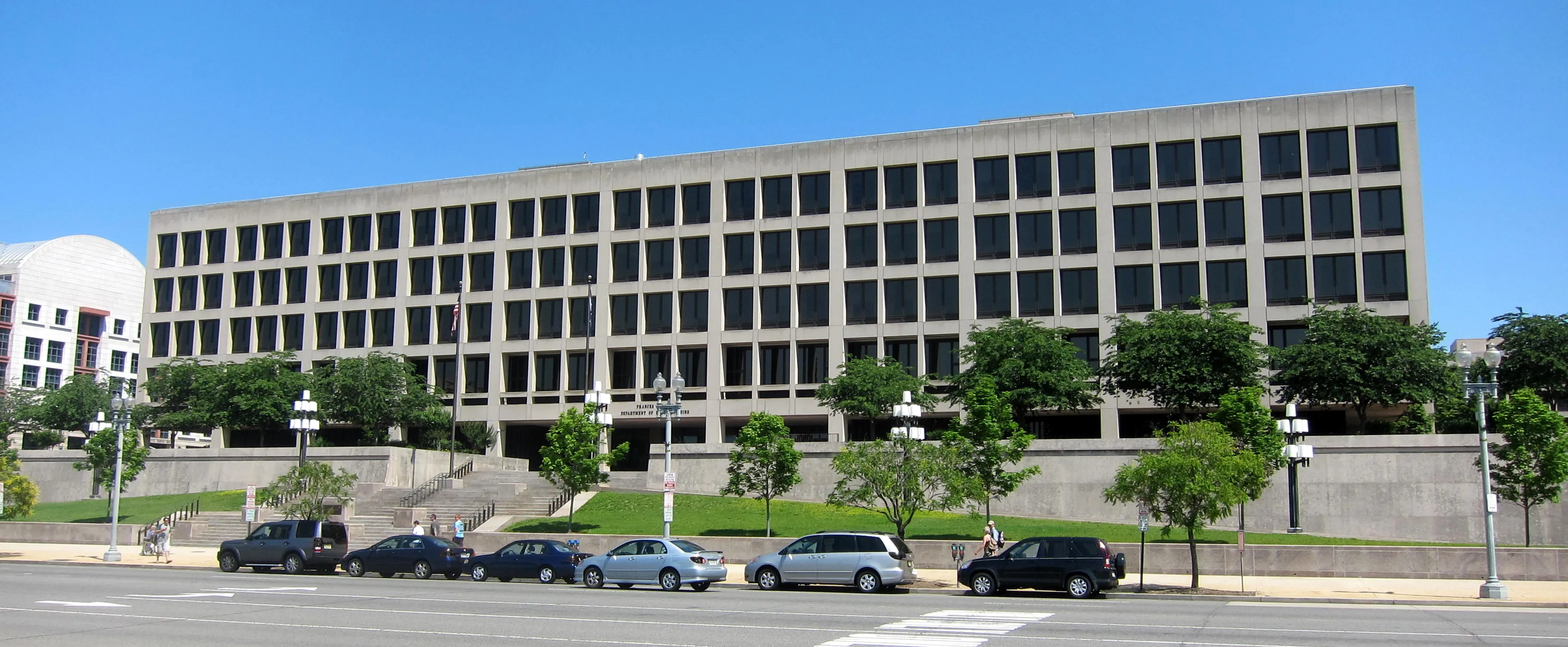
The Bureau of Labor Statistics reported Friday morning that U.S. employers added 172,000 nonfarm jobs in May — more than double the Wall Street consensus estimate of 80,000 — in a blowout report that sent Treasury yields sharply higher, pushed the Nasdaq into its worst session in months, and effectively closed the door on near-term Federal Reserve rate cuts.
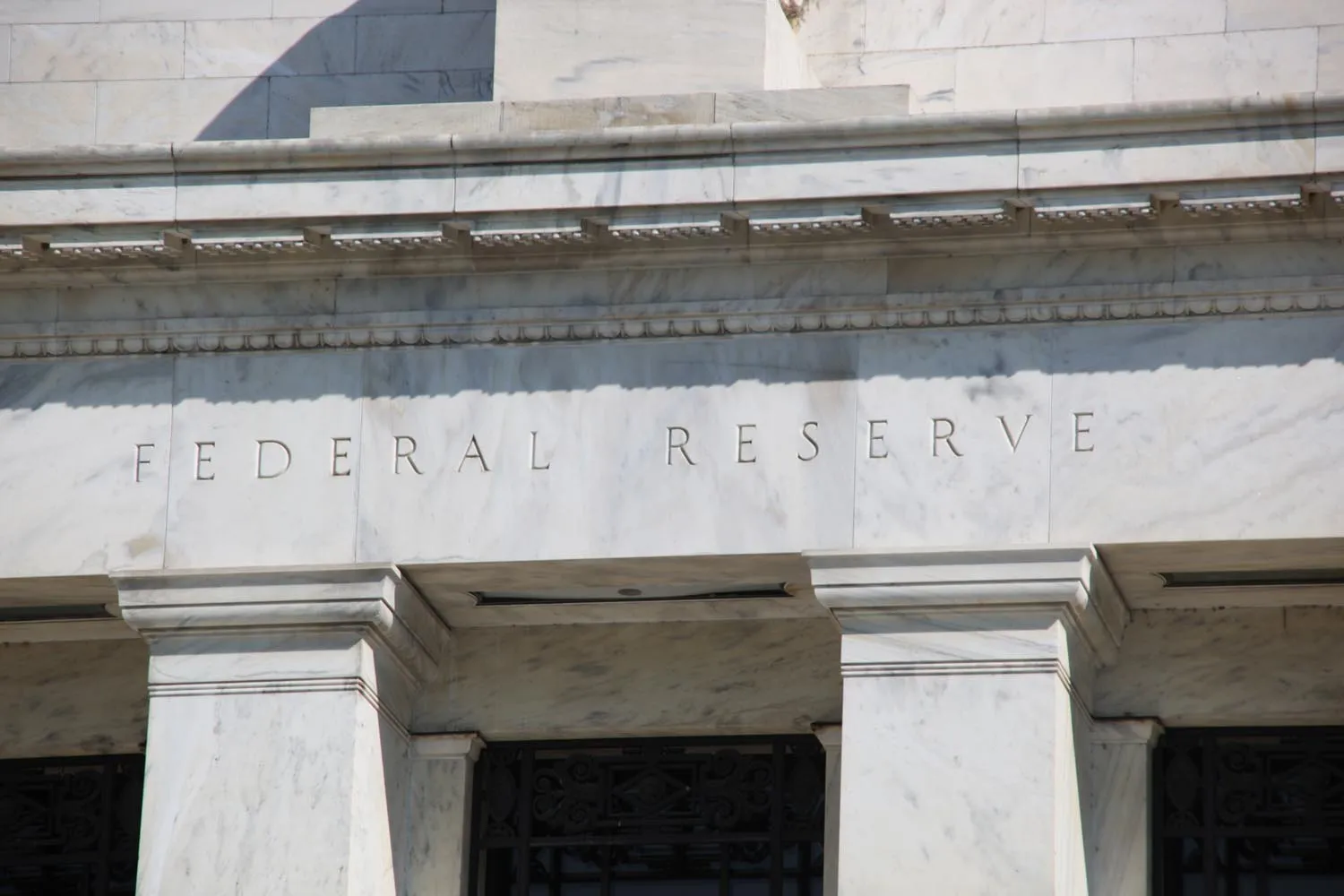
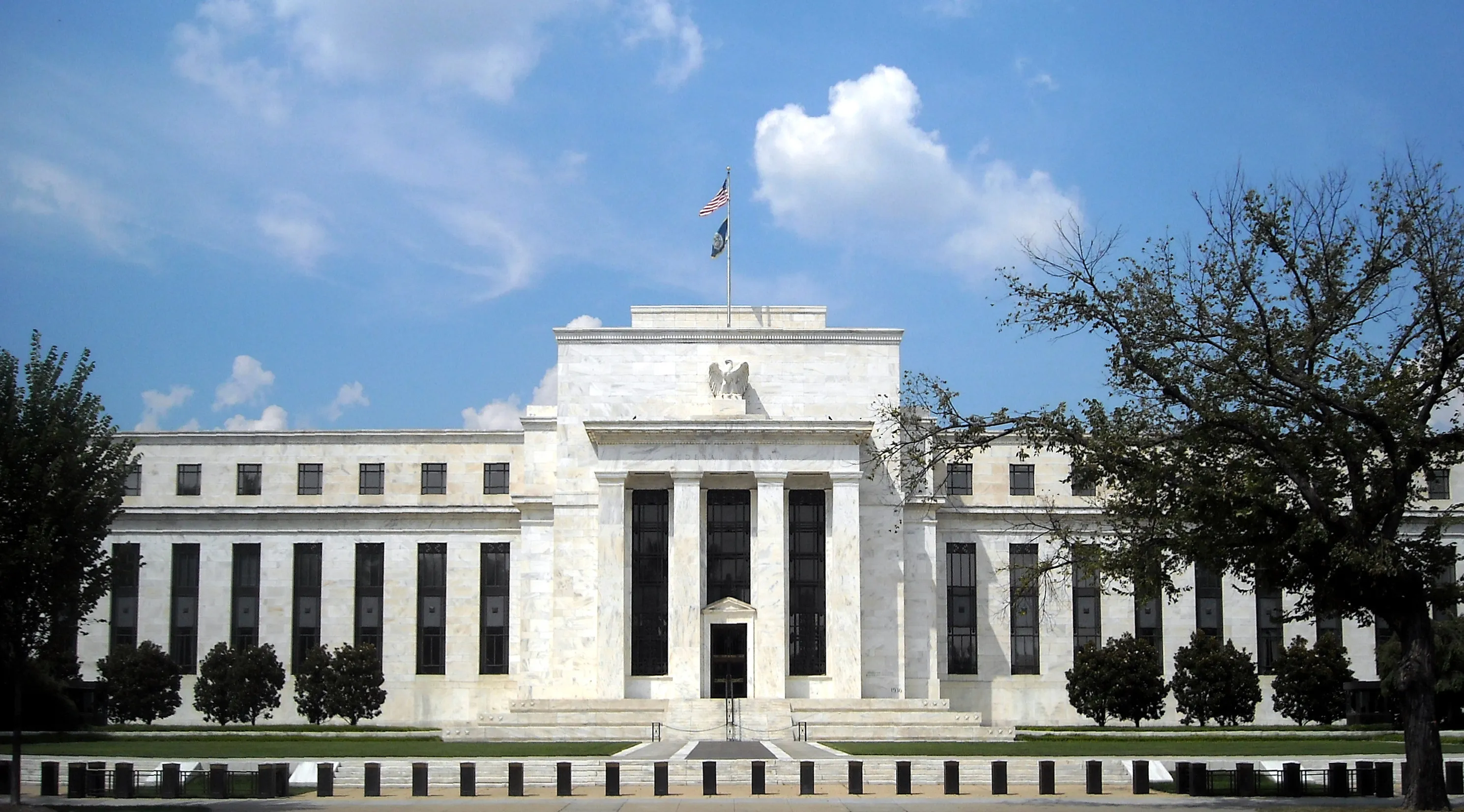
The report lands at a moment of acute tension for the Fed. Kevin Warsh, confirmed as Fed chair in May in what was the narrowest Senate vote for a central bank chief in modern history, chairs his first Federal Open Market Committee meeting on June 16–17. The expectations that came with his appointment — that he would guide the Fed toward lower rates in line with White House preferences — now collide directly with a labor market that refuses to cooperate with that script.
The unemployment rate was unchanged at 4.3 percent. Average hourly earnings rose 0.3 percent in May and 3.4 percent year-over-year, both in line with forecasts — but those numbers provided little reassurance to investors who had already absorbed the headline beat and were repricing the rate path.
The Data, by Sector
The May gains were concentrated in three sectors that reflect the economy’s continued strength in face-to-face services and government.
Leisure and hospitality led all sectors, adding 70,000 jobs — roughly five times the sector’s own 12-month average monthly gain of 14,000. Food services and drinking places accounted for 48,000 of those positions, showing that restaurant hiring is running far above any stabilization trend. The sector’s outsized gain reflects continued consumer spending on dining and travel even as discretionary budgets face pressure from elevated prices.
Local government added 55,000 jobs, driven largely by non-education functions (+44,000). State and local governments have been resistant to the federal employment reductions that have weighed on the broader headlines around government payrolls, and May’s number reinforced that divergence.
Healthcare contributed 35,000 jobs, roughly in line with its 12-month average, with home health care services, ambulatory care, and hospitals all adding positions. The sector remains one of the most consistent contributors to monthly job gains.
The one sector that stood out for the wrong reason was financial activities, which shed 22,000 jobs in May — consistent with higher borrowing costs reducing dealmaking activity, mortgage originations, and lending volumes at banks and investment firms.
The report also included substantial upward revisions to prior months that reinforced its strength. March’s nonfarm payroll gain was revised upward by 29,000 to 214,000. April’s was revised upward by 64,000 to 179,000. Combined, the revisions added 93,000 jobs to the picture that markets had been working with — meaning the labor market has been running considerably hotter than the initial numbers suggested.
What the Markets Said
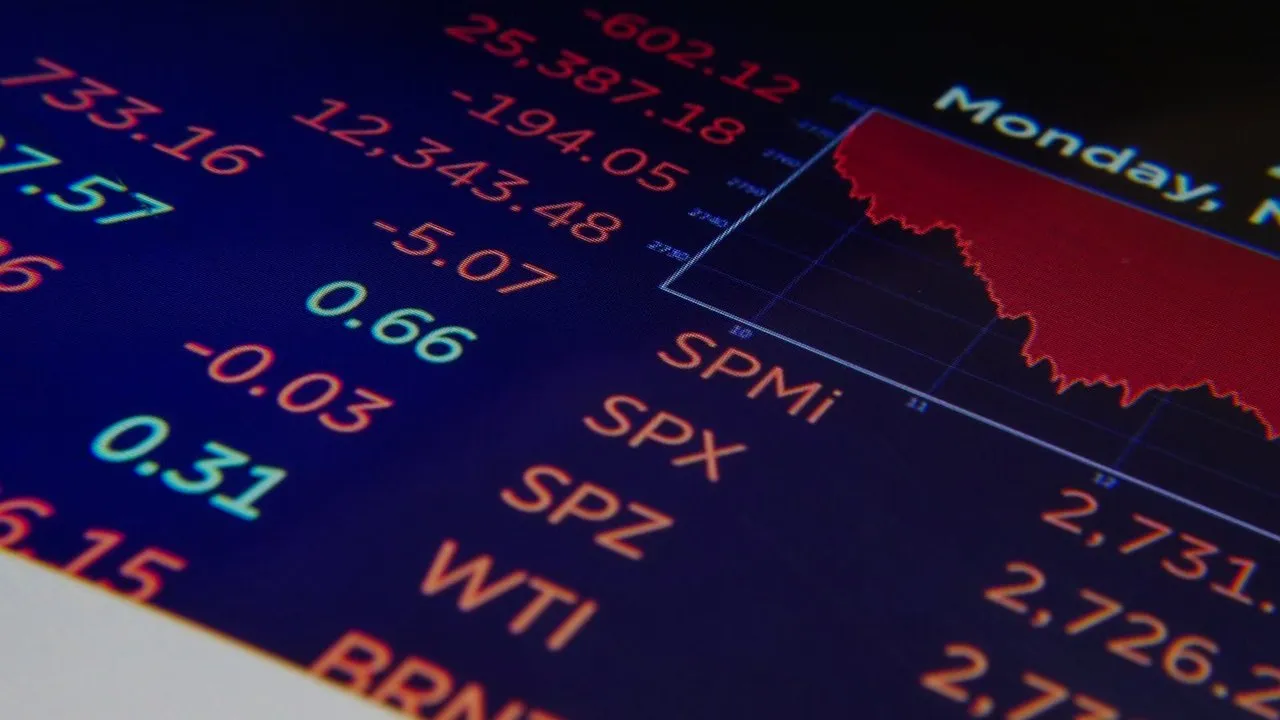
Wall Street’s response was swift and, for equity investors, painful. The Nasdaq Composite fell more than 3 percent Friday as chip and technology stocks took the sharpest hits. Broadcom’s AI guidance last quarter had already raised questions about whether the semiconductor cycle was losing momentum; Friday’s jobs data layered on a second problem by raising the prospect of rates staying higher for longer, which compresses the multiples on growth stocks.
Marvell Technology fell 12 percent. Micron dropped 11 percent. Intel shed 9 percent. Advanced Micro Devices fell 10 percent. The Russell 2000 — which tends to be more rate-sensitive than the large-cap indexes — also dropped nearly 3 percent.
Treasury yields moved sharply higher across the curve. The 10-year yield, which had been pricing in a scenario where the Fed would cut rates at least once in 2026, rose meaningfully. That repricing hit sectors with long-duration valuations hardest.
The most striking move came in Fed funds futures. CME FedWatch, which tracks market-implied probability for Federal Reserve rate decisions, showed investors pricing roughly a 67 percent chance of at least one rate hike by year-end — up sharply from around 45 percent the prior week. The probability of any rate cut at the June 16–17 meeting had already been near zero before Friday; the May jobs report pushed the timeline for any easing even further into the future.
The Warsh Problem
The Fed chair’s political mandate and his economic reality diverged further on Friday.
Warsh was nominated by President Trump, confirmed narrowly, and arrived at the Fed with a widely understood set of expectations: he would work to bring rates lower as inflation moderated. He said during his confirmation process that he supported maintaining the Fed’s institutional independence while taking a more aggressive posture toward containing inflation.
The May employment report changes what “maintaining independence” means in practice. Cutting rates with the jobs market adding more than twice the expected number of positions, wages growing at 3.4 percent annually, and inflation running above the Fed’s 2 percent target would risk accelerating the price pressures the Fed is still fighting. Warsh’s first meeting as chair now arrives framed less as an opportunity to signal easing and more as a test of whether he can hold the line against political pressure to cut.
Fed Governor Christopher Waller, one of the Fed policymakers who has recently spoken on the rate outlook, has said the labor market is “largely stable” and that containing inflation remains the central bank’s primary priority — language that suggests the majority view within the Fed is moving further from cuts, not closer to them.
For Trump, who has publicly and repeatedly called for lower rates, the data creates political friction at an awkward moment. The administration cannot both claim a strong economy and argue the Fed should cut to stimulate one.
What Came Before Friday
Thursday’s ADP private payrolls report showed 122,000 private-sector jobs added in May — itself above expectations and described as the strongest month since January 2025. That figure was a preview for the more comprehensive BLS number, and the BLS figure came in substantially higher. The gap between ADP’s private count and the BLS total reflects differences in methodology and the addition of government workers, but both reports told the same basic story: the labor market is not slowing.
Energy prices, which have risen since the U.S.-Iran conflict and the related disruptions to Strait of Hormuz oil flows, have filtered through to consumer prices in ways that wages haven’t fully offset. Combined with the jobs data, the picture heading into the June 17 Fed meeting is one of an economy generating employment at a strong pace with elevated inflation and no obvious internal pressure toward easing.
What Changes Now
For anyone with a variable-rate mortgage, home equity line, auto loan, or business credit line, Friday’s data signals that relief from elevated borrowing costs is unlikely before the second half of 2026 at the earliest — and may not arrive before 2027 if the rate-hike probability currently priced by markets begins to feel more plausible.
The strong hiring pace offers one durable piece of good news: for workers seeking jobs, the market remains favorable, particularly in food service, healthcare, and local government. The leisure and hospitality sector’s nearly 5x surge above its recent average is especially notable given how long the sector struggled with post-pandemic labor shortages.
What Comes Next
The Federal Reserve releases its next policy statement and updated economic projections — including the “dot plot” of officials’ rate forecasts — on June 17. The meeting is widely expected to end with rates held steady, but the dot plot may show upward movement in officials’ projections for the 2026 and 2027 rate path.
Before that, the Consumer Price Index for May is expected June 11. If that report also runs hot, the conversation about rate hikes — currently a minority view — would intensify substantially heading into Warsh’s first FOMC press conference.
The jobs report is a single data point, not a verdict. But Friday’s blowout number gave markets, the Fed, and the White House a clearer picture of what the economy looks like in the spring of 2026: still hiring, still growing, and still not slowing enough to justify the rate cuts that so many had been counting on.
Sources 6 cited · 1 primary
- The Employment Situation — May 2026
- Hot jobs report puts Fed cuts further out of reach as Chair Warsh faces policy tests
- US Jobs Report for May Will Partly Underpin Warsh's Fed Debut
- May 2026 jobs report shows 172,000 jobs, unemployment rate steady
- Stock Market Today (June 5, 2026): Nasdaq, Russell 2000 sink nearly 3% as tech stock weakness continues
- Trump's Rate-Cut Dream Hits A Wall: Is Warsh Forced To Hike?
American Courant cites its sources and links to primary documents where they exist. How we report →