The U.S. economy added 115,000 jobs in April, the Bureau of Labor Statistics reported Friday, roughly doubling economists’ consensus expectations of around 62,000 and delivering the administration a modest win heading into a summer of tariff uncertainty. The unemployment rate held steady at 4.3 percent for the second consecutive month, and average hourly earnings continued to outpace headline inflation — though by a narrower margin than Wall Street had anticipated.
The headline figures offered genuine room for optimism. But the full report told a more complicated story. Wage growth came in softer than forecast. Part-time employment for economic reasons surged by 445,000 to 4.9 million workers, the largest single-month increase in that category in years. And the federal government’s civilian workforce shrank by another 9,000 positions in April, extending a contraction that has now eliminated approximately 348,000 federal jobs since October 2024 — a reduction of roughly 11.5 percent of the total federal civilian payroll in six months.
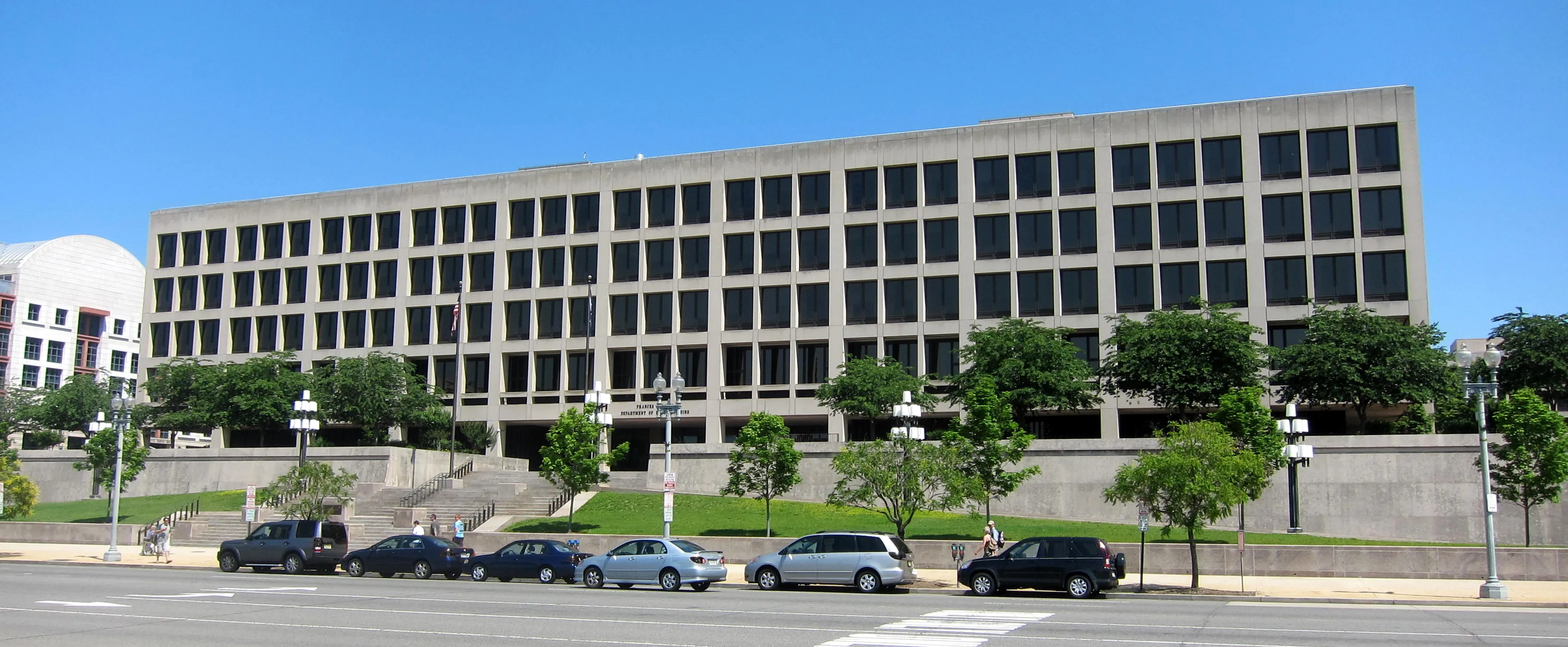
Acting Labor Secretary Keith Sonderling, in a statement accompanying the data, said the numbers showed the administration was “growing the private sector while continuing to right-size the federal government, saving taxpayers billions of dollars per year.”
What the Numbers Show
Healthcare led all sectors, adding 37,000 jobs in April and accounting for nearly a third of total private-sector gains. Transportation and warehousing added 30,000 positions as domestic freight networks continued restructuring to accommodate shifting trade patterns. Retail trade added 22,000 workers. Social assistance added 17,000.
On the other side of the ledger, information services shed 13,000 positions, extending a tech-sector contraction that has persisted since late 2022. Construction and manufacturing posted minimal changes.
The wage data was the month’s most notable miss. Average hourly earnings rose 0.2 percent in April, below the 0.3 percent consensus forecast, bringing the annual rate to 3.6 percent against the 3.8 percent economists had expected. Workers’ paychecks are technically still outpacing headline inflation, but the cushion has narrowed considerably. The Iran war’s compounding effect on household energy costs — with a Senate analysis finding the conflict could cost two-car families more than $1,700 extra at the pump this year — has eroded real purchasing power even in months where nominal wages technically beat inflation.
The sharpest signal of underlying labor-market stress came from part-time employment. Workers employed part time for economic reasons — those who wanted full-time work but could find only part-time positions — jumped by 445,000 in a single month to reach 4.9 million. That figure suggests some employers are reducing committed hours even as they continue adding headcount, a pattern that typically precedes broader hiring pullbacks when business confidence weakens.
The BLS also revised prior months. February’s payroll figure was revised down by 23,000, to a net loss of 156,000 positions — a figure that had initially appeared as a sharper one-month contraction than the revised total makes clear. March was revised upward by 7,000, to 185,000 jobs added.
The Federal Workforce Reaches a Reckoning
Federal civilian employment fell by 9,000 in April. Since October 2024, the total reduction has reached approximately 348,000 positions — an 11.5 percent contraction driven primarily by Department of Government Efficiency restructuring directives applied across the executive branch. The reductions have not been uniform: some agencies have lost a fifth or more of their staff, while others have seen comparatively modest changes.
The downstream consequences are visible beyond payroll statistics. Federal workers displaced from agencies in the mid-Atlantic corridor have not been absorbed by equivalent private-sector hiring in the same metropolitan areas. The funding crisis that emerged at the Department of Homeland Security earlier this spring — when emergency appropriations keeping TSA agents and Secret Service personnel on payroll were nearly exhausted — demonstrated how rapidly workforce reductions cascade into agency operations and public-facing services. DHS emergency funds ran dry after 72 days without a congressional deal, leaving frontline law-enforcement personnel in paycheck limbo while leadership negotiated.
The April jobs report will do nothing to resolve the political argument over whether the federal workforce reduction constitutes responsible restructuring or harmful destabilization. Democrats have argued that strong private-sector gains are masking structural damage; Republicans have maintained that reducing federal employment transfers fiscal responsibility from taxpayers to a more efficient private economy. What is measurable is this: for the first time in decades, the federal government is not a buffer for regional labor markets during an economic transition period — it is a net source of displacement.
Why the Fed Is Holding
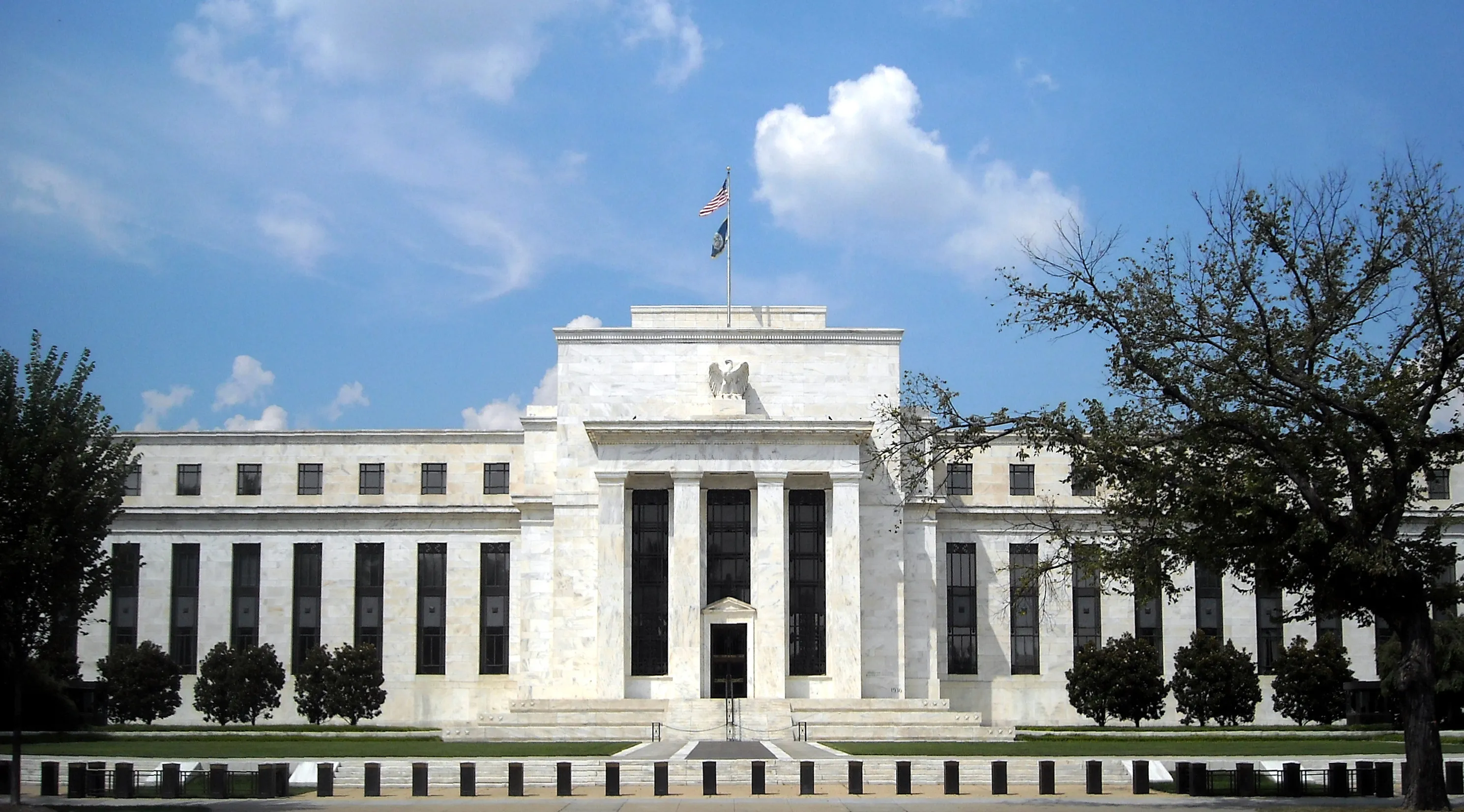
The Federal Reserve held its benchmark rate at 3.5 to 3.75 percent at its April 29 meeting — a decision that was unusually divided. The central bank voted 8-4 to hold steady, the highest number of dissenting votes recorded since 1992. Several governors argued for a cut, citing softening wage data and deteriorating consumer sentiment. The majority held firm, pointing to inflation that remains well above the Fed’s 2 percent target.
The Fed’s dual mandate — maximum employment and stable prices — is being pulled in opposite directions. The labor market, while not expanding at the pace seen in 2024, is not deteriorating in ways that would typically force rate cuts. Inflation, meanwhile, is being driven by two forces largely beyond the central bank’s reach: tariffs on imported goods and oil prices elevated by the ongoing Iran conflict. Cutting rates would stimulate neither trade policy resolution nor Middle East de-escalation. Holding rates risks crimping the private-sector job creation that is the economy’s primary growth engine, but the Fed’s April majority judged that risk the lesser one.
Kevin Warsh, whom President Trump has nominated to succeed Jerome Powell as Fed chair, cleared a critical Senate obstacle in late April when the last hold blocking his Banking Committee confirmation vote was lifted and a committee vote was set. Warsh has signaled a hawkish stance on inflation, indicating the central bank under his leadership would prioritize bringing price levels down even at the cost of near-term economic momentum. Markets have absorbed that signal: interest rate futures now show no probability of a rate cut before 2031, a stark shift from a year ago when traders anticipated multiple cuts through this year.
The 8-4 vote is the clearest public indication yet that the Fed’s internal consensus is fracturing under the competing pressures of a resilient but slowing labor market and persistent above-target inflation. A second consecutive dissenting-heavy vote at the June meeting would represent an unusual degree of policy uncertainty at the central bank.
What Changes Now
The next employment situation report, covering May, will be released June 6. Between now and then, several variables will determine whether April’s gains represent stabilization or a final strong month before tariff effects fully register in hiring decisions.
The administration’s tariff pause on certain categories of Chinese goods runs through mid-July. If that pause expires without a longer-term framework, importers in retail and manufacturing will face renewed cost pressures that typically translate into hiring freezes before layoffs. Transportation and warehousing, which added 30,000 positions in April, is among the sectors most sensitive to trade volume. The competitive realignment of domestic freight logistics accelerating this year has supported employment in that sector, but the same structural changes make warehousing and shipping jobs more exposed to sudden trade volume swings than historically stable sectors like healthcare.
The Federal Reserve’s next scheduled meeting in mid-June will be the first opportunity for policymakers to assess whether May data shifts the balance within the divided committee. At the April meeting, the majority’s case for holding rested substantially on labor market resilience; a softer May payroll figure could change that calculus faster than markets have priced.
For workers, the April data reinforces a divide that has defined this labor market for more than a year: healthcare, transportation, and retail are adding positions; the federal government and information services are not. Whether that split deepens or closes through the second half of 2026 will depend substantially on trade negotiations, energy prices, and a Federal Reserve leadership transition whose resolution is still weeks away.
Sources 6 cited · 3 primary
- Employment Situation Summary — April 2026
- Acting Secretary Sonderling Statement on April Jobs Report
- Federal Reserve Issues FOMC Statement — April 29, 2026
- Strong jobs report to keep Fed on hold as war and energy prices make inflation the bigger worry
- The Federal Reserve is quickly running out of reasons to cut interest rates
- 115K Jobs Added in April, Blowing Past Expectations
American Courant cites its sources and links to primary documents where they exist. How we report →