The Senate Banking Committee is set to vote Tuesday on Kevin Warsh’s nomination as Federal Reserve chair, after Senator Thom Tillis of North Carolina announced Sunday that he is dropping his blockade of the confirmation.
Tillis had been the decisive Republican holdout. With 13 Republicans and 11 Democrats on the committee, his defection would have deadlocked the panel and potentially derailed Warsh’s path entirely before Jerome Powell’s term as chair expires May 15. His reversal followed the Department of Justice’s closure, on April 24, of its criminal investigation into Powell.
Why Tillis Was Blocking, and Why He Stopped
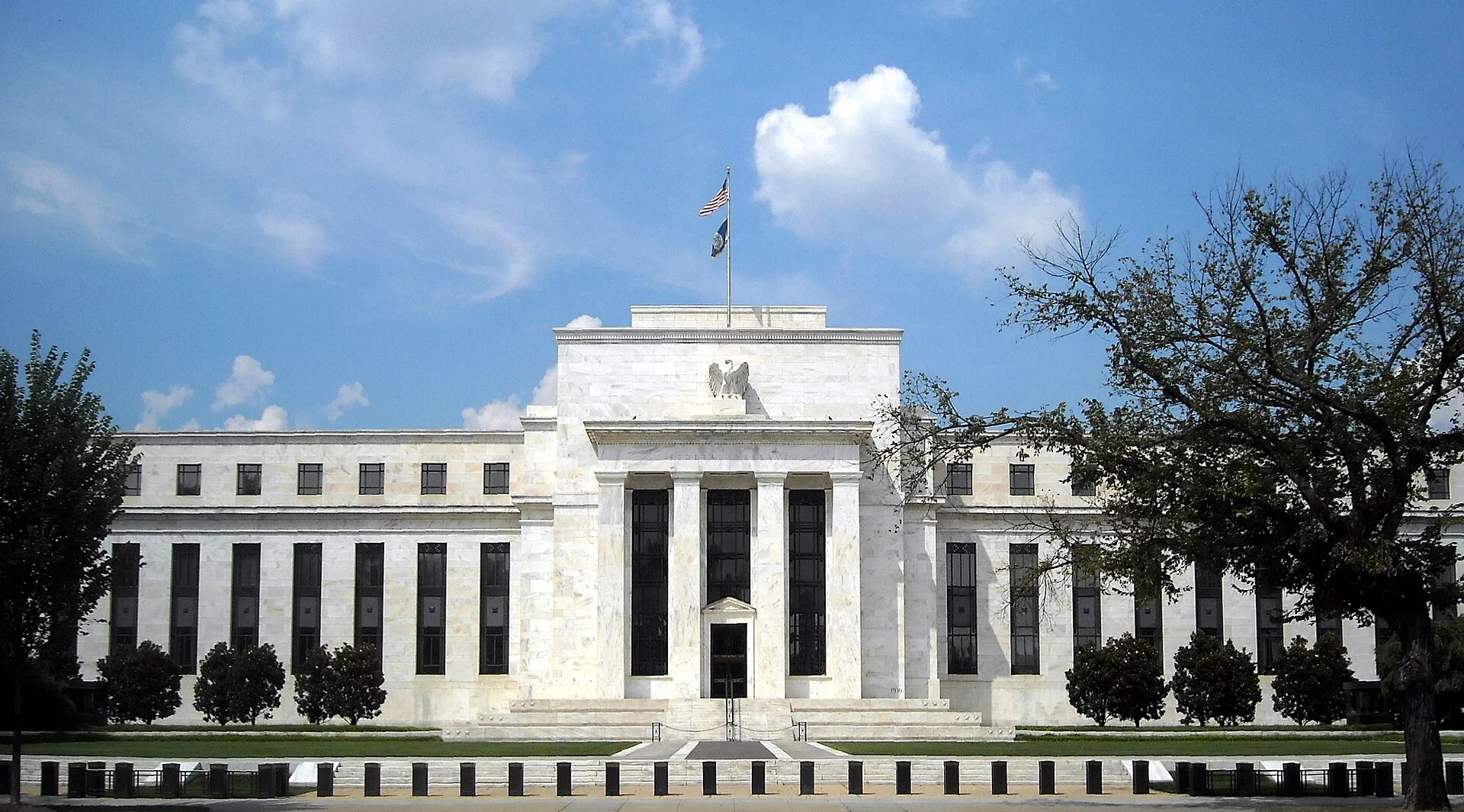
The DOJ had served the Federal Reserve with grand jury subpoenas in January, targeting Powell’s June 2025 testimony to the Senate Banking Committee. The Fed’s Washington headquarters renovation had ballooned from an initial estimate of roughly $1.9 billion to approximately $2.5 billion — overruns the Fed attributed to discovered asbestos, a sinkhole, and rising materials and labor costs.
Tillis’s concern wasn’t the renovation. It was the investigation itself. He argued that using the DOJ to pursue a sitting Fed chair was a direct threat to institutional independence, and he refused to advance a new nominee while that threat remained active.
A federal prosecutor told a judge last week that his office “didn’t have evidence of any crimes.” Chief Judge James Boasberg of the U.S. District Court for D.C. had already quashed the DOJ’s subpoenas in March, writing that “the government has offered no evidence whatsoever that Powell committed any crime other than displeasing the president.”
Tillis said Sunday he received direct assurances from DOJ officials that the probe was “completely and fully ended” and would only be reopened if a criminal referral came from the Fed’s own inspector general.
“We were very clear that we have assurances from the DOJ that I needed to make sure they were not using the DOJ as a weapon to threaten the independence of the Fed,” Tillis said. “So this will allow Mr. Warsh to move on with his confirmation on time.”
Who Warsh Is
Warsh, 56, was a Federal Reserve governor from 2006 to 2011 — the youngest person ever appointed to the Fed board at that time — before resigning in protest over continued quantitative easing. He has spent much of the intervening decade at Stanford’s Hoover Institution, writing about inflation and monetary policy.
His signature line from his April 21 confirmation hearing: “Inflation is a choice, and the Fed must take responsibility for it.”
He called the Fed’s pandemic-era policy “errors” the economy is “still dealing with,” and outlined a vision of a central bank that is smaller, less interventionist, and more strictly focused on its core mandate.
On Fed independence — the obvious question given that Trump spent much of 2025 and early 2026 publicly demanding rate cuts and threatening to fire Powell — Warsh was careful.
“The president never asked me to predetermine, commit, fix, decide on any interest rate decision in any of our discussions,” he testified, “nor would I ever agree to do so.”
When Sen. John Kennedy of Louisiana asked if he would be “the president’s human sock puppet,” Warsh replied: “Absolutely not.”
What Rate Watchers Think
That answer didn’t move markets much. After Warsh’s hearing, futures traders priced in no more than one rate cut for all of 2026. The Fed has held its target range at 3.50 to 3.75 percent since December, and Warsh gave no indication he would move quickly once confirmed.
The backdrop makes any near-term easing difficult to justify. An oil shock tied to the Strait of Hormuz conflict has pushed U.S. gas prices above $4 per gallon. The IMF’s April World Economic Outlook cut global growth projections to 3.1 percent for the year and warned that energy-price passthrough to core inflation argues against aggressive easing. The Fed’s own March projections signaled just one cut in 2026, with timing uncertain.
What Happens Next
The committee is scheduled to vote Tuesday at 10 a.m. If it clears, the full Senate could vote as early as next week, with Powell’s term ending May 15. If confirmed before then, the transition is clean. If not, Powell has said he would serve as chair “pro tempore” until his successor is in place.
The Democratic opposition is not going quietly. Sen. Elizabeth Warren, the committee’s ranking member, said Sunday: “No Republican claiming to care about Fed independence should support moving forward the nomination of Kevin Warsh, who proved in his nomination hearing to be nothing more than President Trump’s sock puppet.”
Warren and other Democrats also noted that a separate DOJ investigation into Fed Governor Lisa Cook reportedly remains open — arguing that the threat to institutional independence isn’t over, only the headline case has closed.
Sources 7 cited
- Trump Fed pick Kevin Warsh clears key Senate hurdle, teeing up final vote
- Senate panel advances Trump's pick for Federal Reserve chief
- Trump's Fed Chair Nominee Kevin Warsh Wins Key Senate Committee Vote
- Senate Banking Committee advances Kevin Warsh's nomination for Fed chair
- Fed chair nominee Kevin Warsh advances to Senate confirmation vote
- Senate panel advances Kevin Warsh's nomination for US Fed chair
- Sen. Warren says she plans to vote no for Kevin Warsh as Fed chairman
American Courant cites its sources and links to primary documents where they exist. How we report →