Amazon on Monday launched Amazon Supply Chain Services, offering its full freight-to-doorstep logistics network — built over two decades and hundreds of billions of dollars — to any company that wants to use it. The freight industry didn’t take it well.
UPS fell roughly 10 percent on the day. FedEx dropped about 9 percent. GXO Logistics cratered more than 16 percent. Forward Air lost more than 20 percent. The Dow Jones Transportation Average slid into bear market territory.
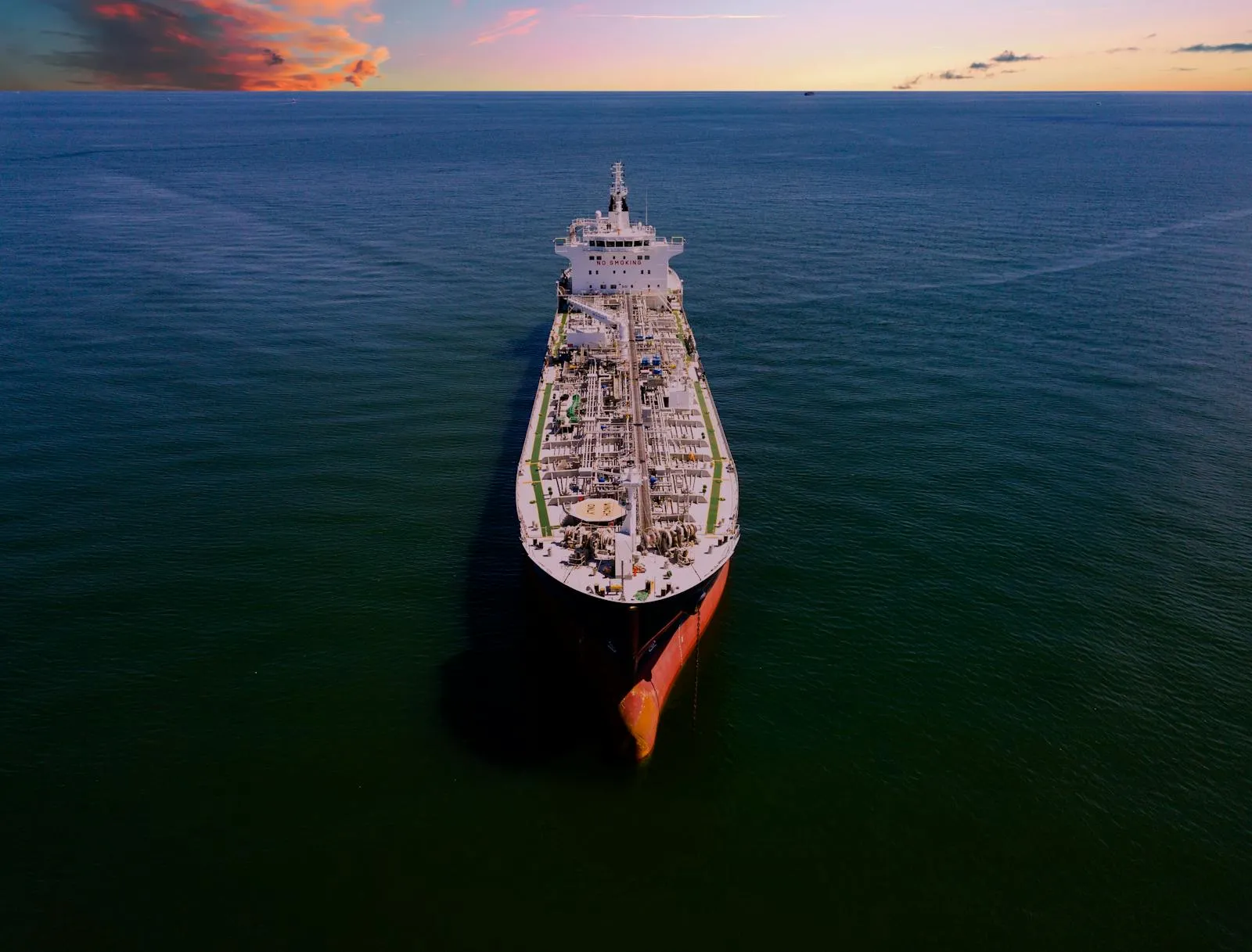
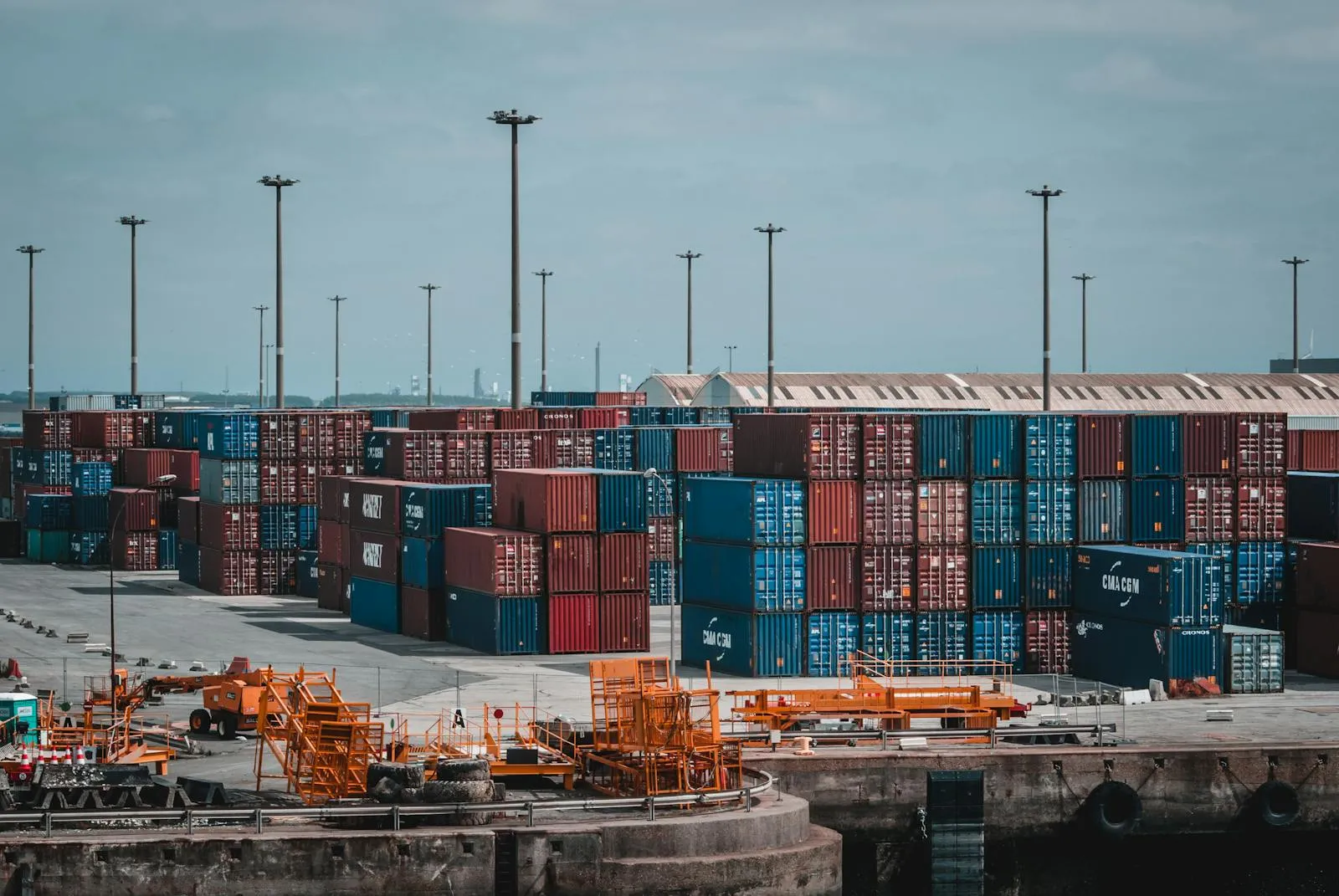
The new service, known as ASCS, bundles Amazon’s entire logistics stack into a single offering: ocean freight from China, customs clearance, bulk warehousing, ground transport, air cargo, and last-mile delivery. Any company can now buy it, not just businesses that sell on Amazon.com.
What Amazon Is Selling
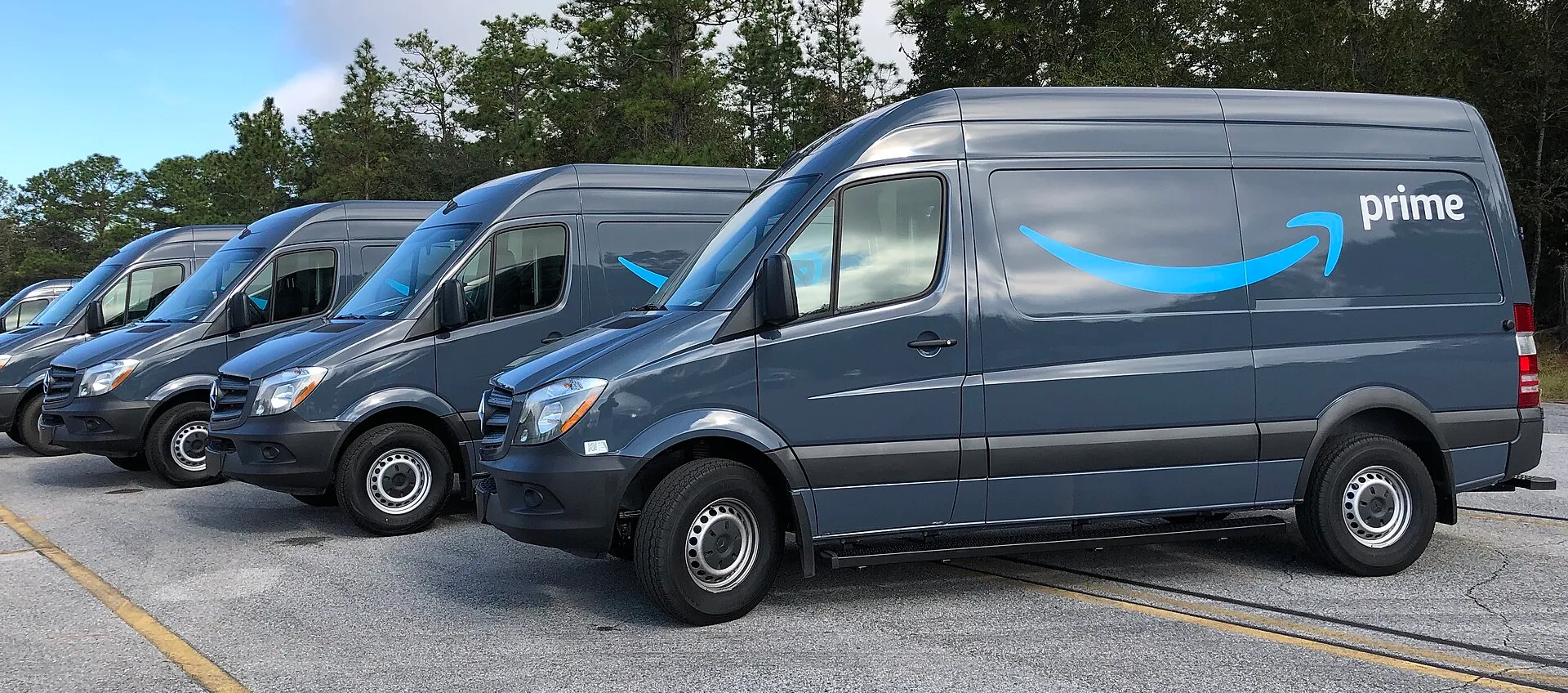
The infrastructure behind the service is substantial. Amazon’s logistics operation now includes more than 80,000 trailers, 24,000 intermodal containers, 100 cargo aircraft, and 200 fulfillment centers across the United States — a network assembled over the past decade primarily to move Amazon’s own products.
“Supply chain wasn’t just a function at Amazon — it was core to providing an exceptional shopping experience,” said Peter Larsen, Amazon’s vice president of supply chain services, in a statement Monday. “With the launch of ASCS, we’re confident we can give any other business access to the same cost efficiency, reliability, and speed that we’ve built for Amazon customers.”
Amazon named four large companies as early customers. Procter & Gamble is using the service to move raw materials to production facilities and finished goods through its distribution network. 3M is routing products from manufacturing sites to distribution centers worldwide. Lands’ End is using Amazon’s unified inventory management to fulfill orders across multiple sales channels. American Eagle Outfitters is using Amazon’s parcel network for direct-to-consumer delivery from its own website.
Three of the four don’t primarily sell on Amazon. That’s the point.
The AWS Parallel
The comparison Amazon executives reached for is Amazon Web Services. Amazon built cloud infrastructure for its own operations beginning in 2002, then opened it to outside customers in 2006. AWS is now a roughly $100 billion annual business and the most profitable division in the company.
Larsen put the parallel directly: “Amazon is bringing the infrastructure, intelligence, and scale of its supply chain services — proven over decades — to businesses everywhere, much like Amazon Web Services did for cloud computing.”
The analogy isn’t perfect. AWS entered a market without entrenched incumbents holding hard assets and century-old customer relationships. UPS has been operating since 1907. FedEx built its air express network from scratch in the 1970s. But the framing landed hard enough in markets that the Dow Transportation Average recorded one of its worst single-day sessions in years.
Incumbents Push Back
Not every analyst sees this as a mortal threat. Citi’s Ariel Rosa told clients Monday that “the transportation and logistics industry has always been competitive, and Amazon does not have the scale or physical network to displace all competitors.” Rosa noted companies with hard assets and entrenched customer relationships would remain competitive, with the biggest vulnerability concentrated among asset-light logistics brokers.
The companies that fell hardest Monday — GXO and Forward Air — are both asset-light relative to UPS and FedEx, consistent with that read.
Still, the framing from Bloomberg, which described the ASCS launch as a “watershed moment for North American freight transportation companies,” captured the general market reaction more accurately than Rosa’s reassurance did.
How It Got Here
Amazon has been building its internal logistics operation with an eye toward external commercialization for years. Internal documents from 2013, later reported by Bloomberg, outlined a strategy to control the entire supply chain end-to-end. The company launched Amazon Logistics in 2018, its dedicated last-mile delivery arm, and by 2020 was handling more than half of its own U.S. packages internally.
In 2023, Amazon launched Supply Chain by Amazon, a bundled logistics offering limited to Amazon marketplace sellers. Monday’s announcement removes that restriction, opening the full stack to any business, whether or not it sells a single product on Amazon.com.
The addressable market Amazon is entering is large. Analysts and press materials cite the global third-party logistics industry as a roughly $1.3 trillion market.
Amazon’s own stock was largely unchanged Monday. The company did not announce a revenue target or launch pricing for ASCS.
The FTC’s antitrust lawsuit against Amazon, currently scheduled for trial in February 2027, covers Amazon’s marketplace practices and predates ASCS. No regulator has publicly commented on Monday’s announcement.
Sources 6 cited · 1 primary
- UPS, FedEx stocks sink after Amazon expands logistics network to other businesses
- FedEx, UPS Shares Drop as Amazon Expands Logistics Services to New Customers
- Amazon turns its logistics empire into a new business, taking on UPS and FedEx in freight and shipping
- FedEx Slides 9%, UPS Sinks 10% as Amazon Supply Chain Services Goes Live: How Real Is the Threat?
- FedEx and UPS shares drop on Amazon supply chain launch
- Amazon Shipping Services Send FedEx (FDX), UPS Stocks Down
American Courant cites its sources and links to primary documents where they exist. How we report →