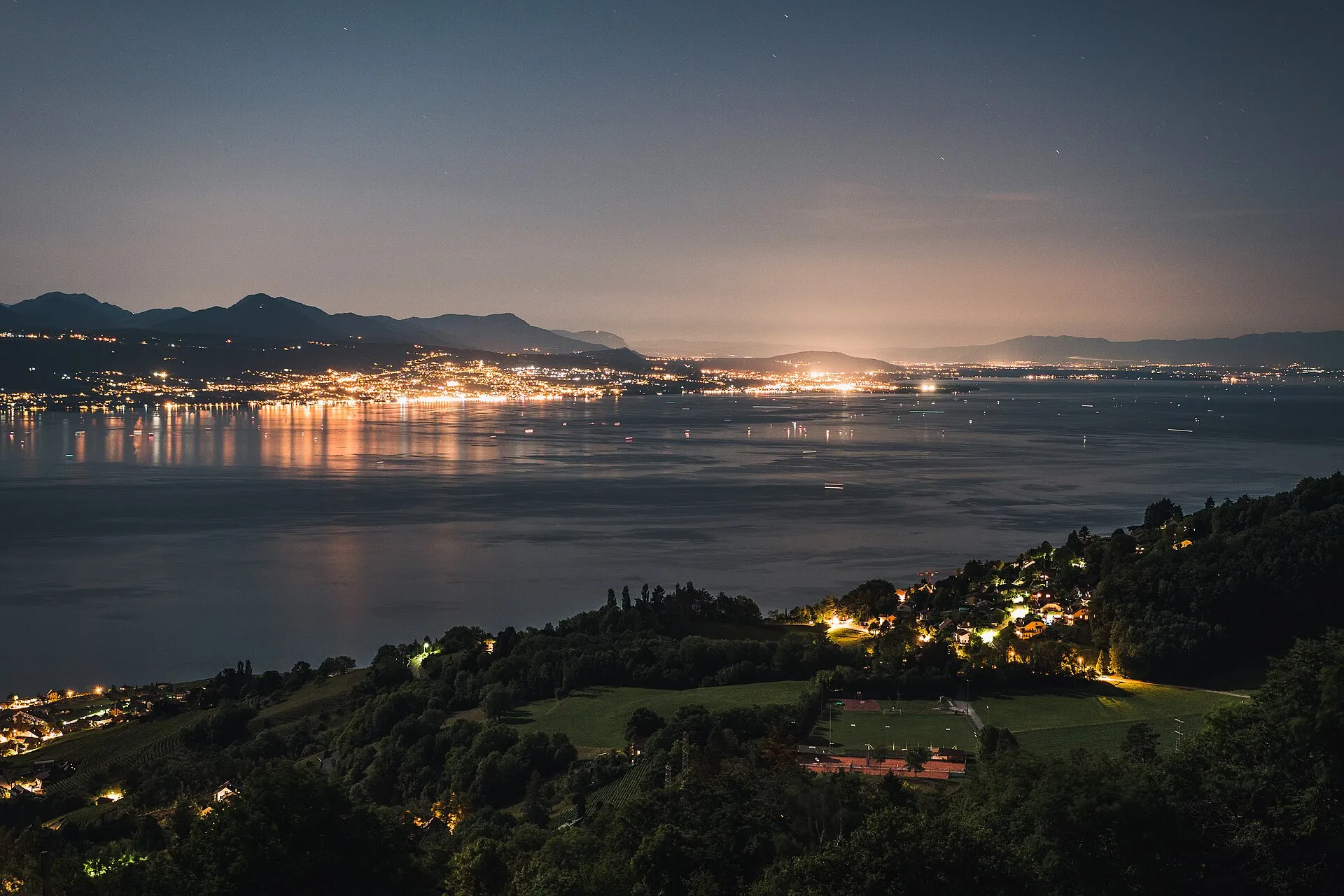
The leaders of the world’s wealthiest democracies gather Monday in Évian-les-Bains, a French spa town on the shore of Lake Geneva, for a summit with no shortage of crises to manage. The trouble is that the most difficult ones do not pit the group against an outside adversary. They run straight through the room.
The 52nd G7 summit, hosted by France from June 15 to 17, opens with three pressures converging at once: a looming U.S. tariff deadline that could reset trade with every member, a Middle East war that has spiked energy prices and threatened the Strait of Hormuz, and a scramble over the critical minerals that power everything from electric vehicles to fighter jets. President Emmanuel Macron, hosting his last G7 before France’s political calendar turns, has built the agenda around keeping the group together. The variable he cannot script is President Donald Trump.
For American readers, the summit is not a distant diplomatic ritual. Its outcome touches the price of imported goods, the cost of fuel, the security of supply chains, and the question of whether the United States and its closest allies still want to solve problems jointly or separately.
Why It Matters
The headline risk is trade. A 15 percent universal U.S. import tariff is set to lapse on July 24, and what replaces it — extension, escalation or a negotiated climbdown — will be argued over in Évian. The stakes are concrete: tariffs are taxes that show up in the price of cars, electronics, food and machinery, and a shift in the policy resets costs for American consumers and the foreign governments that sell to them. G7 trade ministers already met in Paris in May to try to narrow differences ahead of the leaders’ summit, an effort France 24 described as taking place amid mounting tariff threats.
The second pressure is the war. The conflict centered on Iran has kept oil elevated and put recurring scares over the Strait of Hormuz at the center of global markets, a dynamic American Courant has followed through Trump’s claim of an Iran settlement that briefly moved crude prices. A coordinated G7 line on the war — sanctions, energy, support for affected economies — carries more weight than any single country acting alone.
The third is minerals. A critical-minerals emergency, driven by China’s tightening grip on rare-earth exports, has moved from a niche industrial worry to a front-line security concern. The fragility was on display when Beijing canceled meetings with the European Union amid a rare-earths standoff. The G7’s response — diversifying supply, stockpiling, financing alternatives — is one of the few areas where members broadly agree, which is why France is leaning on it as common ground.
The Diplomatic Stakes
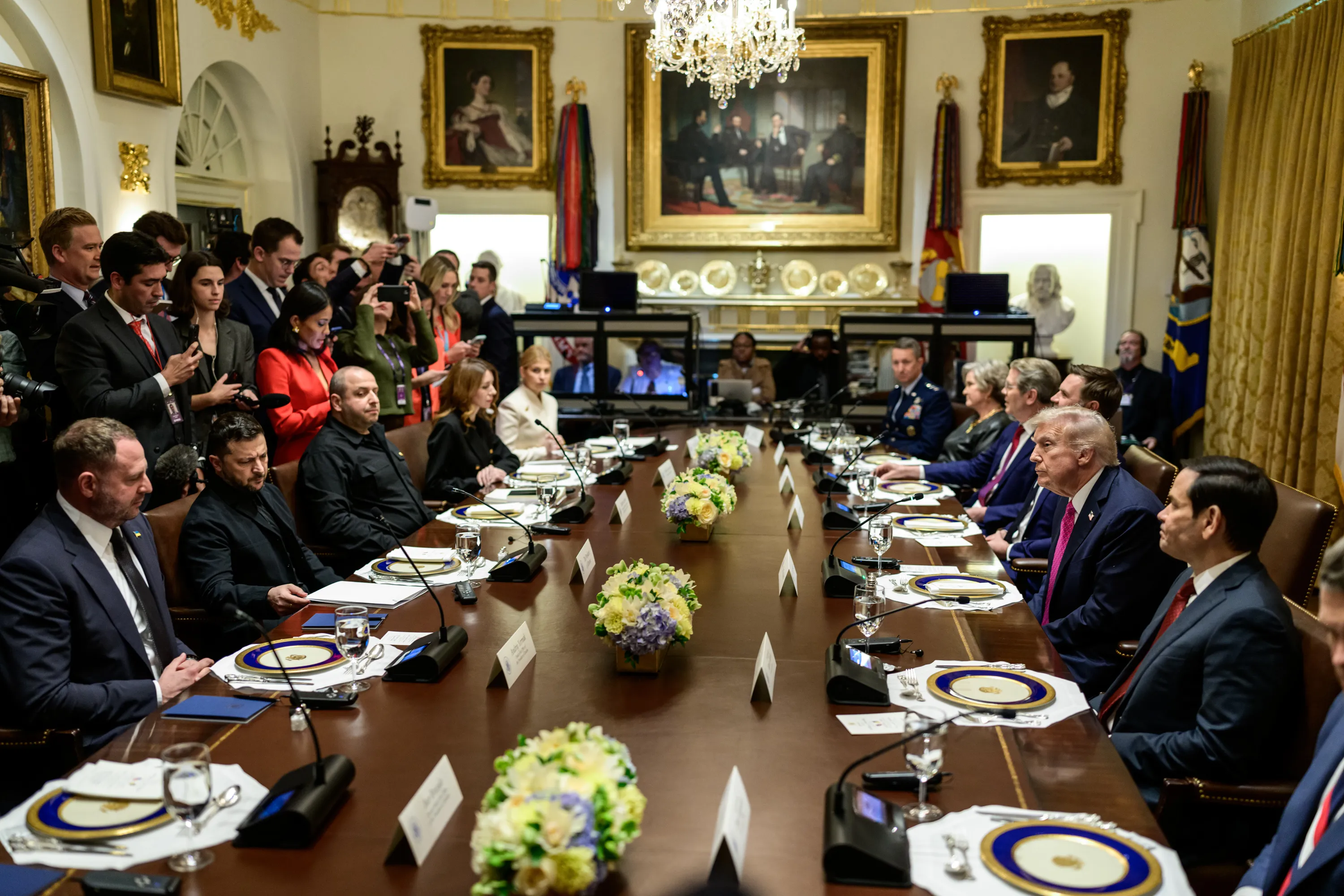
The recurring storyline of recent G7 meetings has been the same: six members trying to keep the seventh inside the tent. According to the Council on Foreign Relations, Macron’s central task is to align his own priorities — climate, trade rules, support for Ukraine — with a U.S. administration that views many of them skeptically. Courthouse News reported that allies arrive in Évian explicitly seeking to bridge the divide with Washington rather than confront it.
The personal diplomacy is unusually direct. The Washington Post reported that Trump and Macron are scheduled to meet over dinner at the Palace of Versailles after the summit, a piece of stagecraft aimed at managing a relationship that has swung between warmth and friction. CBC reported that Canadian Prime Minister Mark Carney traveled to Europe for the summit as the Middle East war escalated — a reminder of how thoroughly events have overtaken the agenda Macron’s team drafted months ago.
The full roster reflects a wider world than the core seven. Alongside the United States, France, Germany, Italy, Japan, the United Kingdom and Canada — plus the European Union’s two presidents — France has invited Brazil, India, Kenya, South Korea and Syria, a guest list that signals the G7’s effort to court the developing world even as its own internal cohesion is tested. For Japan’s Sanae Takaichi, it is a first G7 as prime minister; for Macron, it is expected to be his last.
The Timeline
Évian is not new to this role. The town last hosted a summit of the major industrial democracies in 2003, when the group still included Russia and met as the G8. That gathering took place in the shadow of the Iraq war, with France and the United States at odds — a historical rhyme that will not be lost on the leaders arriving this week.
The path to the 2026 summit has been shaped less by careful preparation than by accelerating events. Trade ministers met in Paris in early May to try to defuse tariff tensions before the leaders convened. In the weeks since, the Middle East war intensified, oil markets swung on each new threat to Hormuz shipping, and China’s rare-earth restrictions hardened into a standing source of friction with both Europe and the United States. By the time the leaders reach Lake Geneva, the agenda Macron drafted months ago has been overtaken by the news cycle — the familiar fate of summits planned in calmer seasons.
The sequencing of the next few days matters. Working sessions run Monday and Tuesday; the bilateral diplomacy, including the planned Trump-Macron dinner at Versailles, comes around them. The tariff clock, set to run out July 24, hangs over all of it, giving the trade discussions a deadline the other crises lack.
The U.S. Angle
For Washington, the summit is a venue to press allies rather than reassure them. The expiring tariff gives the United States leverage, and the administration has shown willingness to use the threat of higher duties as a negotiating tool. Trump arrives with domestic momentum and little appetite for the consensus communiqués that once defined these meetings; the risk for allies is a repeat of past summits that ended without a joint statement, or with one the United States declined to sign.
There is also a defense dimension that runs close to American interests. The minerals question is, at bottom, a question of whether the United States and its partners can build weapons and clean-energy hardware without depending on a strategic rival. South Korea’s inclusion among the invited nations fits that logic, given its role in chips and advanced manufacturing — themes American Courant examined in Seoul’s outreach to Europe on chips and defense.
The Global Impact
What happens in Évian extends well past the seven members. The G7 still accounts for a large share of global output and an outsized share of the rules that govern trade, sanctions and finance, so its decisions set terms that smaller economies absorb whether or not they have a seat. A coordinated stance on critical minerals could accelerate Western efforts to build supply chains outside China, with consequences for prices and investment across the developing world. A unified line on the Middle East war could tighten the financial pressure on the combatants. And a breakdown over tariffs could ripple outward as exporters everywhere recalculate the cost of selling into the American market.
The invited guests — Brazil, India, Kenya, South Korea and Syria — are there in part because the G7 understands that its agenda increasingly depends on countries outside the club. Minerals are mined in Africa and Latin America; manufacturing capacity sits in Asia; the war’s refugee and energy effects land hardest on states with the least cushion. The summit’s relevance now rests partly on whether it can speak to those countries rather than only to itself.
What Comes Next
The summit runs through Tuesday, with the leaders’ working sessions producing — or failing to produce — agreement on trade, the war and minerals. The most-watched outcome will be whether the group issues a joint communiqué at all, and whether the United States signs it. A unified statement would signal the alliance can still act together under strain; a fractured one would confirm the drift toward every member managing crises on its own terms.
Beyond the formal sessions, the Versailles dinner between Trump and Macron will be scrutinized for any sign of a tariff understanding before the July 24 deadline. Évian last hosted a summit of this kind in 2003. Two decades later, the questions on the table are less about a single crisis than about whether the world’s leading democracies still operate as a bloc — and the answer, this week, runs through the room rather than around it.
Sources 6 cited · 1 primary
- 2026 G7 Summit of Évian — official site
- Macron's Agenda Meets Trump's at the G7 Summit
- Trump and Macron will meet over dinner at Versailles palace after G7 summit in France
- G7 allies seek to bridge divide with Trump at France summit
- G7 trade ministers meet in Paris as global tensions and tariff threats mount
- Carney heads to Europe for G7 summit as U.S. and Israel-Iran war escalates
American Courant cites its sources and links to primary documents where they exist. How we report →