The diplomatic aftershocks from Russia’s largest aerial barrage of 2026 reached European capitals by Saturday morning, as NATO Secretary-General Mark Rutte convened an emergency consultation of allied ambassadors and governments in the United Kingdom, Germany, and France announced new commitments to Ukraine’s air defense — commitments that military analysts said were real but came with delivery timelines stretching well into 2027.
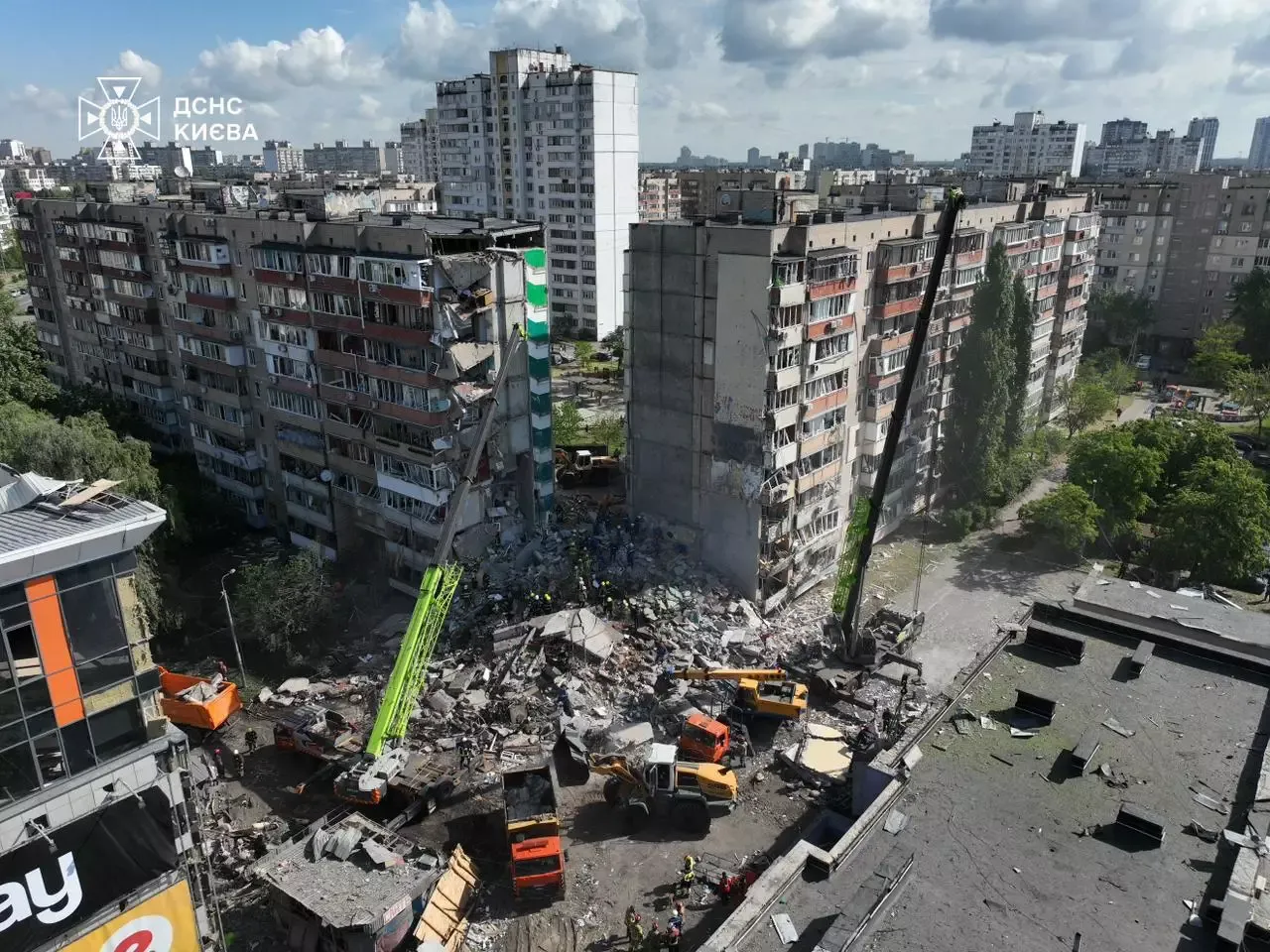
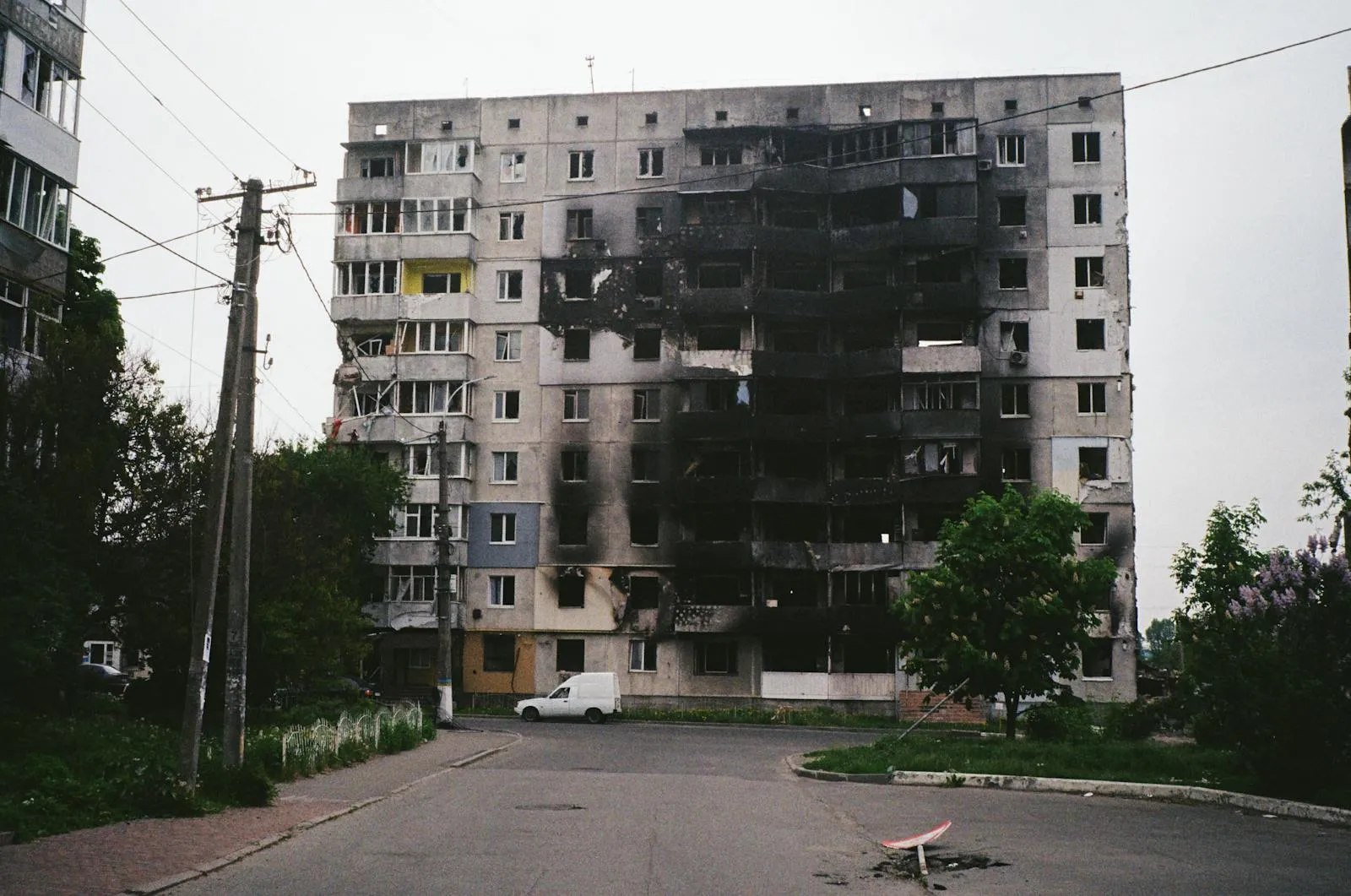
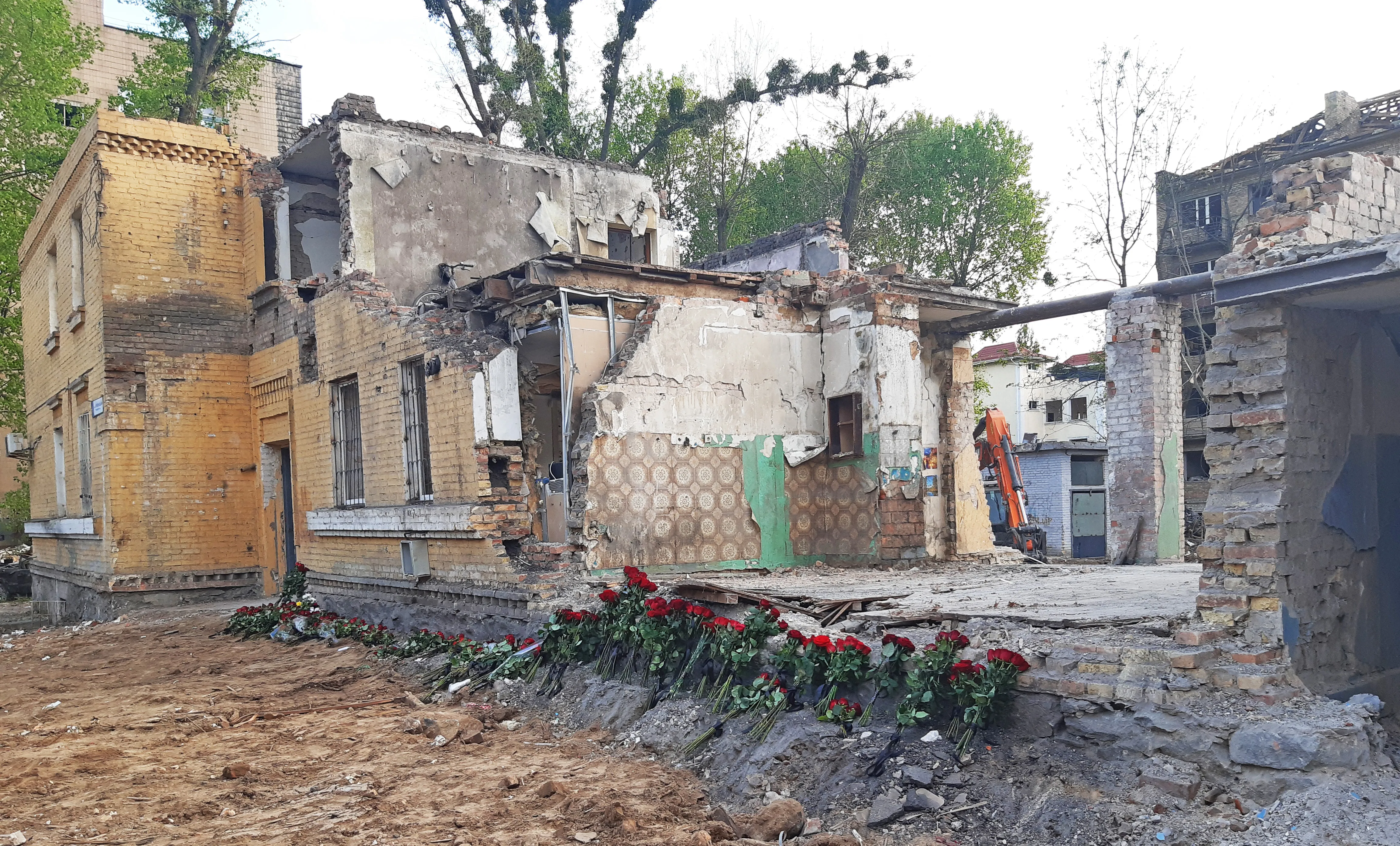
The pledges followed a day of mourning in Kyiv, where a Kh-101 cruise missile brought down nine floors of an apartment building in the Darnytskyi district on Thursday, killing 24 people, including three children. It was the deadliest single strike on a civilian residential building since Russia’s full-scale invasion began more than four years ago, part of a campaign that involved more than 1,500 drones and 56 cruise missiles over roughly 48 hours.
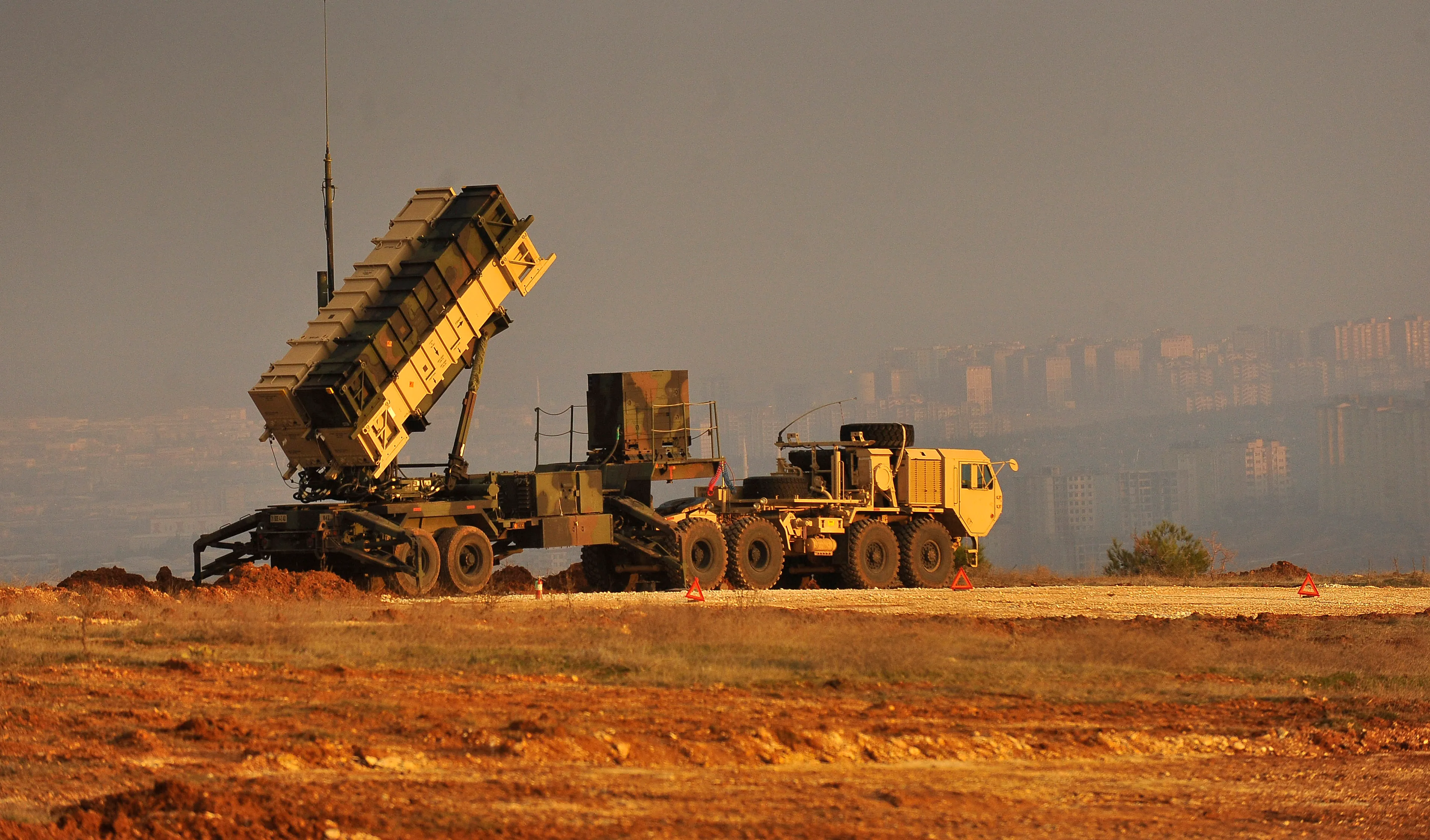
Ukrainian President Volodymyr Zelensky, speaking via video address Saturday, pressed Europe’s leaders in terms that left little diplomatic room: Ukraine needs four additional Patriot air defense batteries — not pledges of future deliveries, but systems that can be deployed within 30 to 90 days. “Every Patriot battery saves lives,” Zelensky said. “Not eventually. Not in a procurement timeline. Now.”
What Europe Pledged Saturday
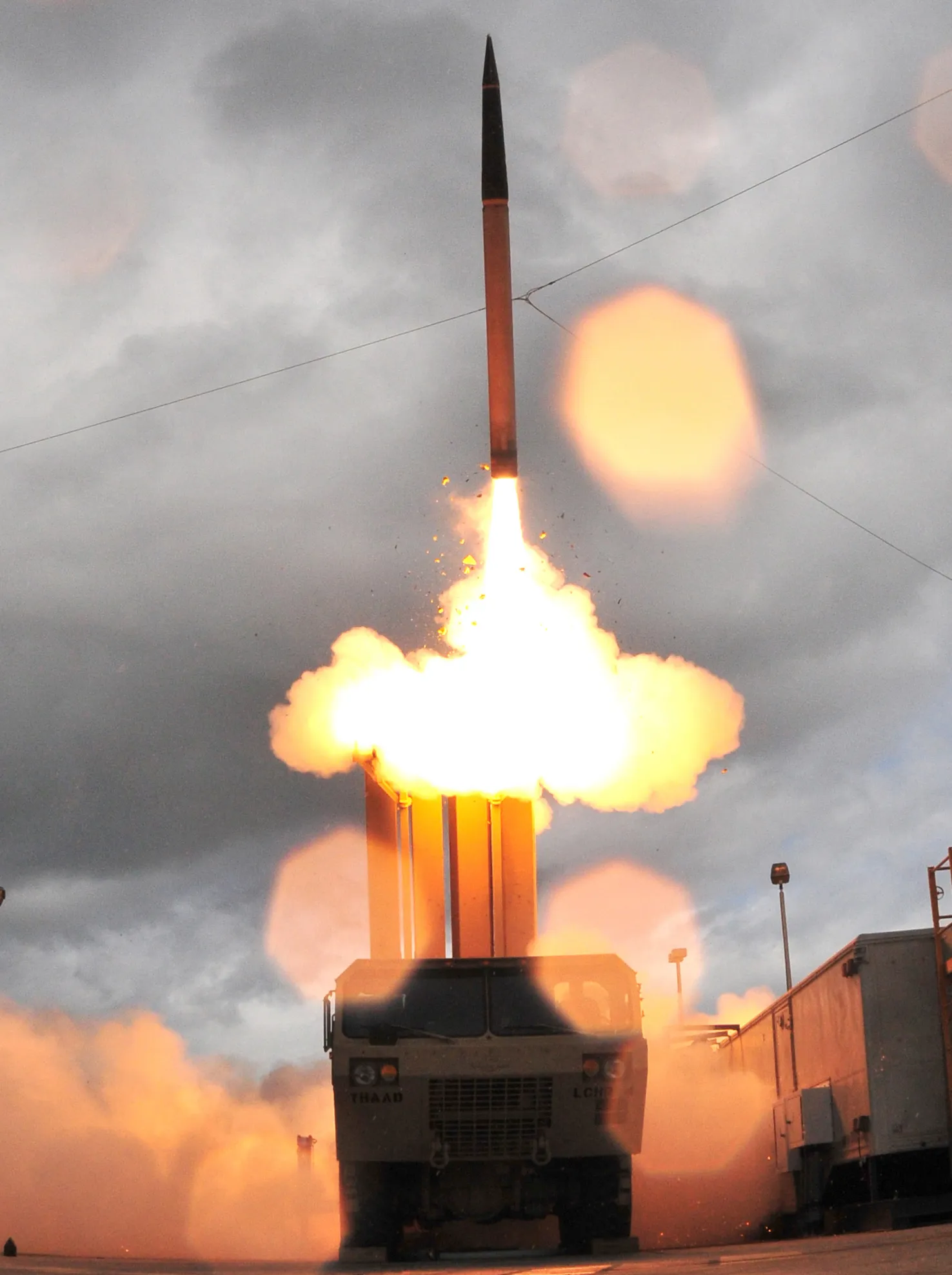
The United Kingdom announced that it would accelerate delivery of one Patriot battery from a previously committed tranche, pushing the target deployment date from early 2027 to August 2026. Germany’s defense ministry confirmed the transfer of a third Patriot battery from Bundeswehr stocks — a commitment Berlin had resisted for months, citing concerns about its own defensive posture under NATO’s collective defense baseline. France pledged additional ASTER 30 long-range interceptors and said it would expedite the next tranche of long-range Scalp cruise missiles authorized for Ukrainian strike operations.
The combined announcements, if fully executed, would roughly double Ukraine’s deployable Patriot coverage by year’s end. That qualifier — if fully executed — carries weight earned through experience. NATO members have made comparable pledges since the invasion began in 2022 and delivered on timelines measured in months rather than weeks, sometimes requiring sustained political pressure from Kyiv before systems arrived in-country.
“The pattern has been: Russia strikes, Europe pledges, Ukraine waits,” the Institute for the Study of War observed in its Saturday assessment of the diplomatic situation following the Kyiv attack. ISW analysts noted that the logistics gap between announcement and deployment of heavy systems like the Patriot typically runs six to nine months under current conditions, and that none of the commitments announced Saturday would address Ukraine’s air defense needs before summer.
Rutte, speaking after the North Atlantic Council emergency session, called the Kyiv attack “a war crime by any legal definition” and said allies had agreed to accelerate existing commitments and identify any additional stocks that could be transferred on shorter timelines. The council’s follow-on session is scheduled for Monday, at which defense ministers will be asked to specify which already-committed systems can be pulled forward from six-month to 60-day transfer timelines — a different and harder question than what was on the table Saturday.
What Ukraine Is Asking For
Zelensky’s requests on Saturday were specific in a way that his earlier appeals often have not been. He published a list: four more Patriot batteries, a new tranche of F-16 deliveries to build on the training pipeline already underway, and an explicit removal of existing restrictions on Ukraine’s use of Western-supplied long-range weapons to strike launch sites inside Russian territory.
The third item is the most politically sensitive. The United States and certain NATO allies have maintained restrictions on Ukraine’s use of Western-supplied long-range missiles for deep strikes into Russian territory, citing escalation concerns. Those restrictions have been eased incrementally but never fully lifted for targets well beyond the front line. Zelensky’s argument cuts directly at the underlying logic: the Kh-101 missiles that killed 24 people in Kyiv were launched from airfields and staging areas hundreds of kilometers inside Russia. Ukrainian forces cannot suppress those platforms without long-range strike authorization that doesn’t currently exist.
ISW’s Saturday assessment supported that framing. The institute noted that the Russian cruise missile launch sites in the Saratov and Volgograd regions responsible for Thursday’s attack lie beyond the authorized strike range for Ukraine’s Western-supplied systems. Allowing strikes on those platforms, the assessment concluded, “represents the most direct available means of degrading the specific capability that killed 24 civilians in Kyiv on May 15.”
The Sanctions Problem No One Has Solved
No discussion of Saturday’s response could avoid the evidence Zelensky placed on the record 24 hours earlier: the Kh-101 cruise missile that struck the Darnytskyi apartment block was manufactured in the second quarter of 2026 — this quarter — after the European Union had already imposed 21 consecutive sanctions packages targeting Russia’s defense industrial base. The packages included measures specifically designed to cut off the microelectronics and precision-guidance components that make advanced cruise missiles operable.
The missile flew anyway. Russia built it while the sanctions were active.
EU foreign policy chief Kaja Kallas acknowledged the problem directly in a Saturday statement calling for a 22nd package and specifically proposing stricter secondary sanctions — measures that penalize third-country entities continuing to supply Russia with restricted components through alternative supply chains. She identified several transit corridors through which microelectronics and precision-guidance parts are reaching Russian weapons manufacturers despite existing restrictions.
The secondary sanctions question puts Brussels in a structurally awkward position. President Trump’s trade framework with China — agreed at the Beijing summit this week — was negotiated in part to avoid precisely this kind of direct confrontation between Europe and Beijing over Russia’s industrial resupply. Iran placed Hormuz naval forces on full combat alert and the U.S. vetoed a UN Security Council ceasefire resolution on the same day the Kyiv death toll was confirmed, leaving the White House simultaneously managing a China relationship it had spent weeks preparing, an Iran escalation threatening global energy markets, and the diplomatic weight of 24 dead civilians in Ukraine’s capital.
The U.S. Position, Complicated by Beijing
The White House issued a statement Friday evening condemning the Kyiv attack as “a deliberate strike on civilians” and reaffirming U.S. commitment to Ukraine’s security. The statement did not announce new weapons commitments or modify existing restrictions on long-range strike operations inside Russian territory.
Trump did not reference the Kyiv attack in his public remarks at the Beijing summit on Friday — a silence that Zelensky’s office described as “regrettable.” A National Security Council spokesperson told reporters aboard Air Force One that the administration was “in constant contact with Ukrainian counterparts” and would have more to say upon the president’s return to Washington.
The architecture of American support for Ukraine has operated on the assumption that the United States sets the pace and scope of military assistance and European allies calibrate around it. Trump’s administration has maintained that framework in most respects but has been more cautious about initiating new commitments unilaterally, particularly during negotiations that require China’s tacit cooperation on other issues. Thursday’s attack landed at the worst possible diplomatic moment — midway through a summit where appearing simultaneously confrontational toward Beijing while asking for restraint was exactly what the administration needed to avoid.
How the Ceasefire Collapse Set the Stage
The barrage followed directly from the breakdown of the U.S.-brokered ceasefire that expired May 11 without extension and without a completed prisoner exchange, leaving the diplomatic track effectively suspended. Talks that had been cautiously encouraged by Washington, Brussels, and third-party mediators wound down when Moscow declined to extend the pause. What followed in the next four days was Russia’s largest aerial assault of the war, conducted with a scale that Ukraine’s defenders had not seen in a single 48-hour window.
Analysts at the European Council on Foreign Relations said Saturday that the attack’s timing and volume suggest Moscow calculated it could absorb the diplomatic cost. Western attention was split: the Beijing summit occupied Washington, and the Iran escalation occupied the energy and financial markets. If that calculation was accurate, it describes a pattern Russia may attempt to replicate during other high-distraction moments — summit windows, election periods, major crises elsewhere.
What Comes Next
The EU’s Foreign Affairs Council has a scheduled meeting May 21, and EU officials confirmed Saturday the Kyiv attack and the proposed 22nd sanctions package would be added to the agenda. Ukraine’s foreign minister is expected to attend in person to press for accelerated weapons deliveries and stronger secondary sanctions on component suppliers.
In NATO, Monday’s North Atlantic Council session will focus on a specific operational question: whether any member state holds Patriot batteries in existing storage — not deployed, not committed to another purpose — that could be released to Ukraine on a 60-day rather than six-to-nine-month timeline. The answer to that question is not yet public, and the gap between what is publicly pledged and what is physically available has proven to be a difficult one throughout the war.
In Washington, the Senate Foreign Relations Committee had a routine Ukraine oversight hearing scheduled for Thursday. Committee Chairman Jim Risch indicated Saturday that the Kyiv attack would substantially reshape the hearing’s agenda. The immediate legislative question is whether existing Ukraine aid appropriations carry sufficient authority to accelerate delivery of already-funded systems, or whether new legislation is required to pull forward the transfer timelines NATO is now asking member states to consider.
Europe’s $106 billion Ukraine loan package represents a commitment large enough to matter. The harder question is whether that political will translates into the specific hardware Ukraine is asking for — four additional Patriot batteries, authorization to strike the launch sites that kill people in Kyiv — on the timeline Ukraine says it needs them. Not eventually. Now.
Sources 6 cited · 3 primary
- Statement by NATO Secretary-General Mark Rutte on Russian Strikes on Kyiv, 16 May 2026
- President Zelensky Video Address — 16 May 2026
- Russian Offensive Campaign Assessment, May 15–16, 2026
- UK Announces Accelerated Patriot Transfer to Ukraine
- Statement by HR/VP Kallas on Russian Strikes on Kyiv and Proposed 22nd Sanctions Package
- Germany Confirms Third Patriot Battery Transfer to Ukraine, May 2026
American Courant cites its sources and links to primary documents where they exist. How we report →