The three-day ceasefire brokered by President Trump between Russia and Ukraine expired at midnight Monday without a formal extension, without a prisoner exchange, and with the same unresolvable territorial dispute that launched the war still defining every dimension of the diplomatic standoff.
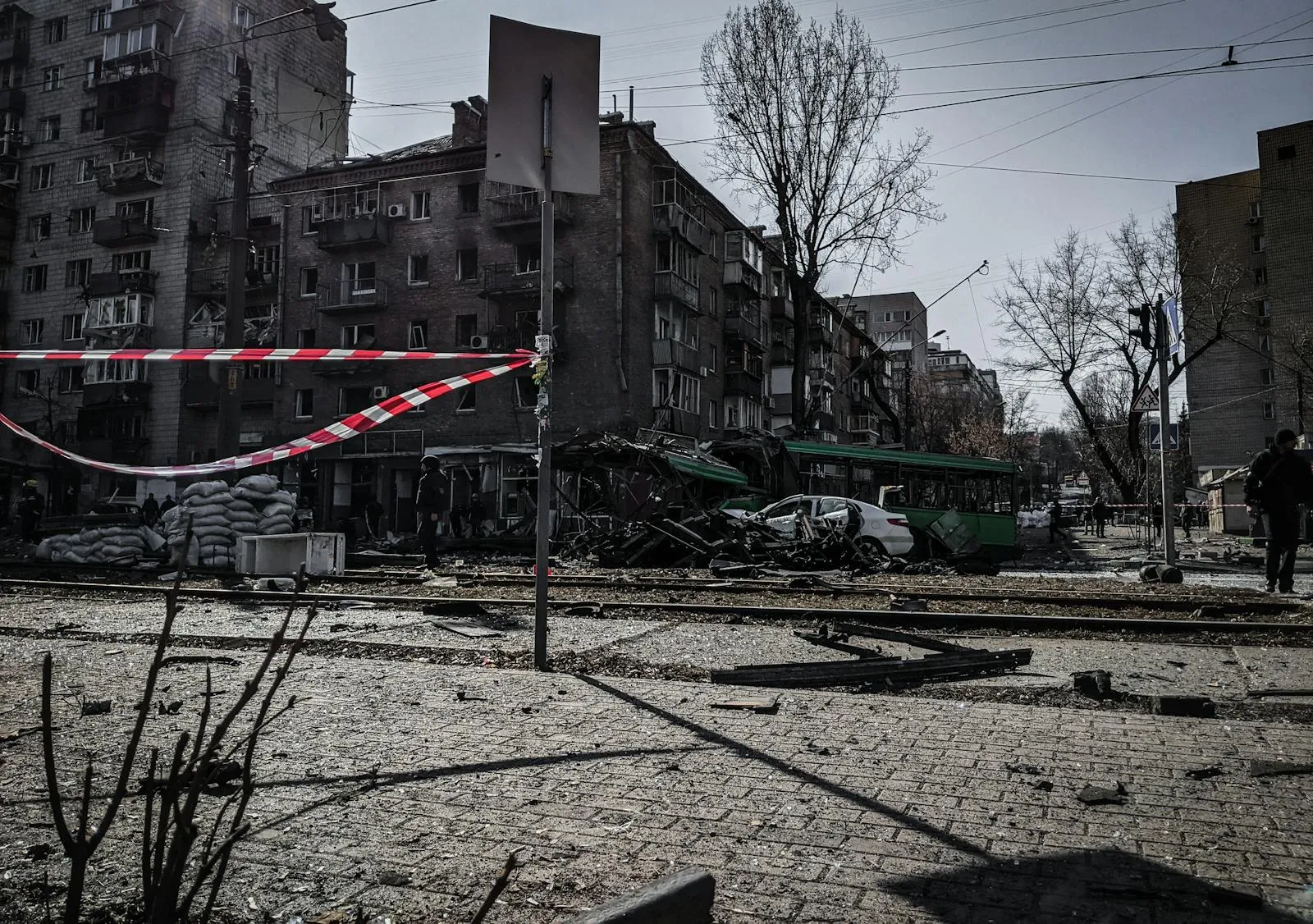
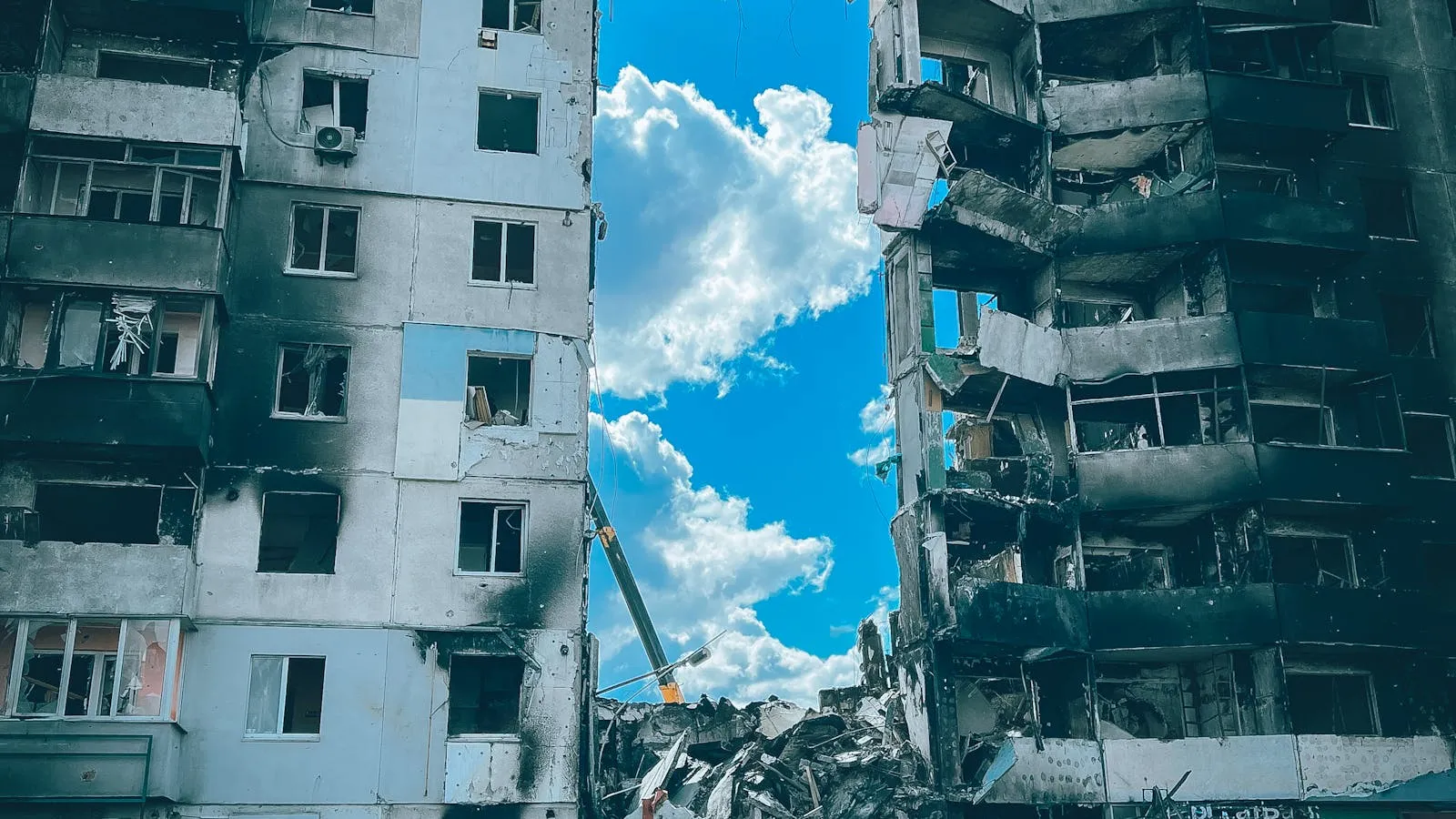
The Institute for the Study of War said Monday that satellite observations from NASA showed military activity levels declined during the ceasefire window but never stopped. Ukrainian President Volodymyr Zelensky reported that Russian forces launched more than 150 ground assaults across the front line during the ceasefire’s first two days — roughly the tempo of a routine combat week. Russian drone and artillery strikes struck civilian areas of the Kharkiv and Kherson regions, killing at least two people and wounding seven others, including a 14-year-old boy, Ukrainian authorities said Monday.
Russia’s Defense Ministry did not concede a single violation. Instead, Moscow accused Ukraine of committing more than 23,000 ceasefire breaches during the same period — a figure Ukraine dismissed and that independent monitors cannot verify, since no third-party observation mission was put in place when the ceasefire was announced. In the second day of the ceasefire, both governments were already exchanging mirror-image accusations with no mechanism for adjudicating who was right.
The Prisoner Exchange That Didn’t Happen
The most concrete, measurable failure of the ceasefire window is that the prisoner exchange never came.
When Trump announced the three-day truce on May 8, he embedded a specific commitment alongside the combat pause: both sides would simultaneously exchange 1,000 prisoners of war each. Zelensky quickly confirmed the agreement, framing it in pointed terms — he said he valued the lives of Ukrainian prisoners more than Russian Victory Day symbolism, a sardonic reference to Trump’s diplomatic push that produced the three-day pause and Kyiv’s previous threat to strike Red Square during the parade.
By Monday evening, no exchange had materialized. Neither government offered a formal explanation for why the swap collapsed. Putin’s office accused Ukraine of “disappearing” from negotiations over the prisoner list. Zelensky’s office denied the characterization and placed responsibility on Moscow for failing to provide a verified, agreed-upon list of prisoners it was willing to release.
The sequence matters because it was specific: a named number, 1,000 on each side, announced by both presidents within hours of each other. Its failure is not a vague outcome. It is an outcome with a precise measure — the prisoner swap did not happen — and families of prisoners of war on both sides, who had been given a specific date and framework to hope for, received nothing.
The 1,000-for-1,000 formula echoed earlier wartime exchanges that had succeeded. What changed is that those earlier exchanges happened in a lower-intensity diplomatic environment with narrower logistical scope. The scale of Monday’s announced exchange — 2,000 prisoners total — required both governments to simultaneously compile lists, verify identities, arrange transport corridors, and trust that the other side would comply on a set timetable. None of that groundwork had been formally completed when the ceasefire was announced, and the ceasefire period was too short to complete it.
Why the Ceasefire’s Design Made Failure Likely
In the days leading up to Monday’s expiry, there were reasons to read modest signs of movement. Russia’s unusually subdued Victory Day parade proceeded without armored vehicles — a notable departure from years of military spectacle that analysts read as a signal of the war’s toll on Russia’s heavy equipment inventories and public morale. Vladimir Putin, in the most expansive public statement on the conflict he had made since the 2022 invasion, said the war may be “coming to an end” and suggested a willingness to meet Zelensky in a third country if terms could be agreed.
But the ISW’s assessment of the ceasefire itself was blunt. Drawing on NASA satellite fire-detection data, the organization found that combat activities decreased but did not stop. “Ceasefires without explicit enforcement mechanisms, credible monitoring, and defined dispute resolution processes are unlikely to hold,” the ISW said Sunday. The organization’s analysts noted that reduced combat tempo during a ceasefire window is not the same as a functioning ceasefire — a distinction that matters enormously for how the episode gets interpreted by both sides.
The design problem was baked in from the start. The Trump announcement created a 72-hour window with no monitors, no defined consequences for violations, no agreed list of what counted as a ceasefire breach, and no framework for adjudication when the inevitable disputes arose. In a war where both governments have consistently accused the other of conducting attacks during past negotiation periods, the absence of any verification mechanism meant that violations — real or claimed — were guaranteed to become the story.
Zelensky’s conditions for any longer pause had included concrete Russian movement on the prisoner exchange and a halt to strikes on civilian infrastructure. Neither materialized. The Kremlin’s stated position requires Ukraine to legally recognize Russia’s claim to four eastern and southern regions — most of which Russian forces have not fully occupied militarily — as a precondition for any permanent settlement. Zelensky has made equally clear that no Ukrainian government can accept that terms. The gap is not the kind that a 72-hour pause can close.
What the Diplomatic Landscape Looks Like Now
The expiry of the ceasefire without extension leaves the peace process without a defined next step, and both American and European officials are now trying to determine what follows.
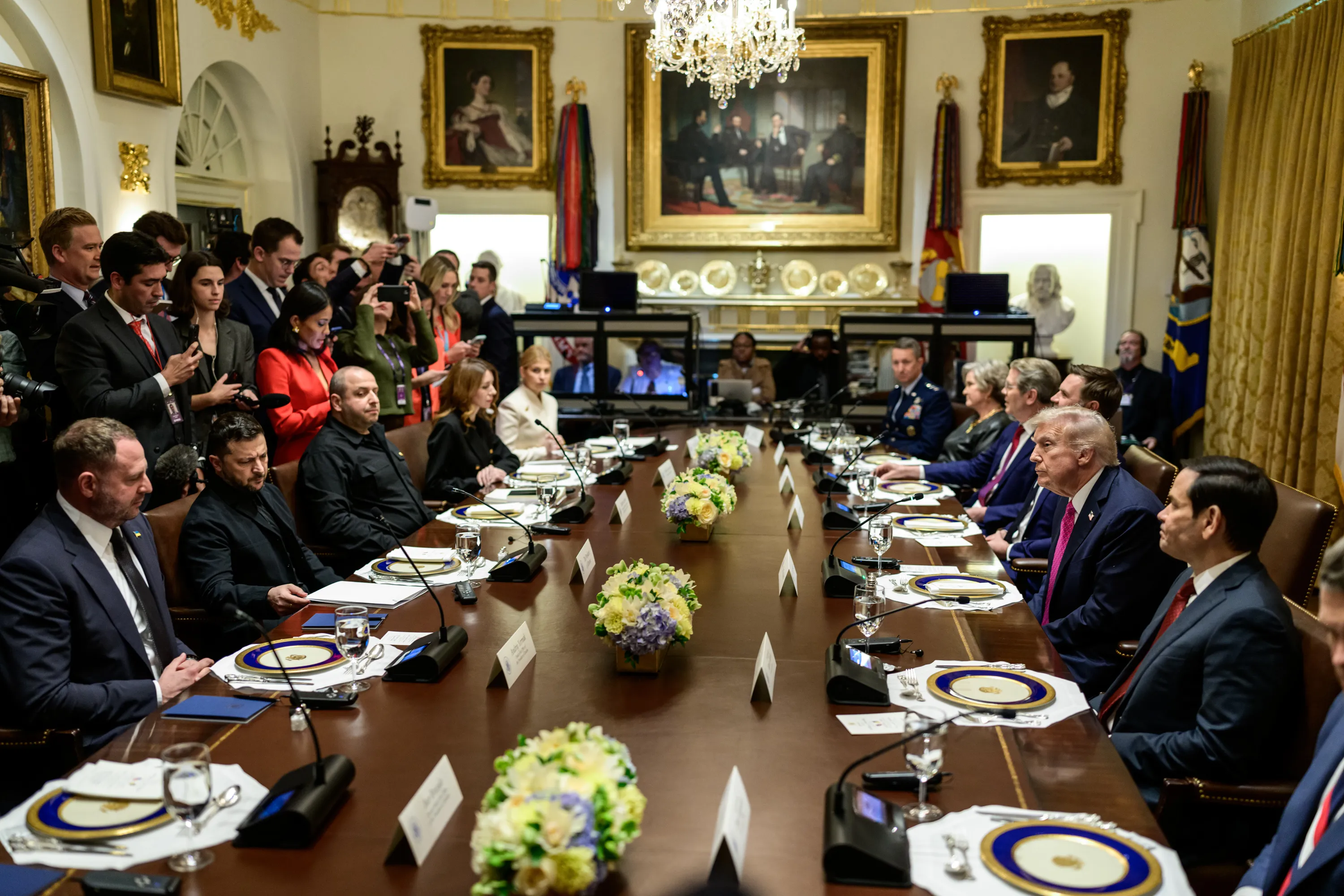
Trump had said publicly he hoped the ceasefire would be extended. It was not. His administration has not announced any formal follow-up framework — no new proposed negotiating structure, no named dates for further talks, no multilateral process. The president’s approach to the Ukraine war has centered on bilateral calls with Putin and Zelensky, but the ceasefire’s collapse illustrates the limits of bilateral goodwill without institutional scaffolding.
European governments that were sidelined during most of the Trump-era ceasefire discussions are now weighing a more active role. Several European officials told reporters Monday that the ceasefire’s failure had reinforced their view that any durable pause requires formal third-party observation — something Russia has consistently opposed on sovereignty grounds. The European Union’s position throughout the past year has been that it wants Ukraine to prevail militarily, not to freeze conflict at current lines. The ceasefire did not shift that position, and the EU’s return to a more active role would likely come with conditions that complicate rather than simplify Trump’s diplomacy.
Putin’s statement about the war potentially “coming to an end” is being read cautiously by analysts. He offered no timeline, no list of conditions under which Russia would halt operations, and no withdrawal framework. His formulation is consistent with Russia’s longstanding pattern of suggesting openness to peace while requiring that peace be on Russian terms — which means Ukrainian territorial concessions that no elected Ukrainian government has the political room to make.
The war continues with no end date established and no negotiating structure in place to establish one. The ceasefire was the most significant diplomatic moment in months. Its expiration, without extension or prisoner exchange, leaves the conflict in the same fundamental stalemate it entered three days ago.
Sources 6 cited · 2 primary
- Russia and Ukraine trade blame for continued fighting that killed at least 2 as U.S.-brokered ceasefire nears its end
- Ukraine and Russia fight on despite US-mediated ceasefire
- ISW: Russia's 'Victory Day ceasefire' reduced combat but didn't stop it
- End of ceasefire deadline looms as Russia, Ukraine blame each other for continued attacks
- Russia and Ukraine trade blame for continued fighting as U.S.-brokered ceasefire nears its end
- Trump says Russia and Ukraine have agreed to his request for a 3-day ceasefire
American Courant cites its sources and links to primary documents where they exist. How we report →