The first Ukrainian prisoners of war began returning home Saturday afternoon under International Committee of the Red Cross monitoring, initiating the largest prisoner exchange of the nearly four-year war as the Trump-brokered ceasefire entered its first day without a significant reported violation.
Ukrainian officials, through statements Saturday, outlined the terms Ukraine would require before agreeing to extend the ceasefire beyond its Monday expiration: verified compliance monitoring by an independent international body, a halt to Russian military repositioning and resupply during the pause, and a Russian commitment to enter formal bilateral negotiations within a defined period. None of those conditions are new to Ukraine’s negotiating position; what shifted Saturday was Zelensky presenting them as explicit prerequisites for an extension rather than as long-standing background demands.
The three-day ceasefire took effect Saturday morning as Putin’s stripped-back Victory Day parade concluded on Red Square — no tanks, no missiles, the shortest modern ceremony in Russia’s history — against the backdrop of what Trump called “the beginning of the end of a very long, deadly, and hard fought War.” Whether the pause produces anything beyond 72 hours depends largely on how Moscow responds to Kyiv’s conditions before Monday arrives.
The Exchange on Day One
The prisoner transfer is proceeding at two crossing points along the southern front in staged batches, according to the Ukrainian presidential office and ICRC officials who briefed journalists Saturday. ICRC delegates are present at both locations to document handoffs, verify identities against pre-agreed lists, and perform initial medical assessments on each individual crossing.
Both governments agreed in advance to move prisoners in groups of roughly 100 to 150 individuals per crossing window — a format intended to prevent the list disputes that derailed a January 2025 exchange and required ICRC intervention before transfers resumed. The Ukrainian presidential office confirmed that the first wave of returning soldiers had reached processing centers inside Ukrainian-controlled territory by late afternoon, with families gathered at reception points near Zaporizhzhia awaiting word. The government declined to release names publicly, stating that notifications are being coordinated individually through military channels.
Russia’s Defense Ministry confirmed that Russian prisoners were crossing in the same timeframe. Statements from both governments aligned on the fact that transfers were proceeding, though figures on total numbers completed by day’s end varied between each side’s official communications. The ICRC declined to characterize Day One as smooth or troubled, saying only that its delegates remained present at both crossing points and that the process was continuing.
The 1,000-for-1,000 commitment — if completed in full — would represent the largest single prisoner exchange of the war by a significant margin. The previous benchmark was the January 2025 swap, which completed at 200 individuals on each side after a two-day delay. At Saturday’s pace, the full transfer is expected to extend through Sunday. Ukrainian officials have not indicated how they would treat the prisoner exchange commitment if the ceasefire expires before it concludes.
What Ukraine Is Asking For
Ukraine’s conditions for extension are rooted in the failure of every previous ceasefire arrangement rather than in optimism about the current one.
The first condition — independent international monitoring along the full line of contact — addresses the core verification problem that made the 2014 and 2015 Minsk agreements effectively unenforceable. Ukraine has consistently argued since Minsk that any ceasefire without external observers is unverifiable, allowing both sides to claim compliance while selectively violating it. The OSCE special monitoring mission that operated in eastern Ukraine until Russia terminated it in March 2022 is the most recent precedent; Ukrainian officials have called for a comparable mission reconstituted under OSCE or UN Security Council authority, covering the full contact line rather than designated areas agreed upon by both parties.
The second condition follows from reporting Saturday by Ukraine’s military intelligence directorate, which stated that Russian forces had moved logistical convoys through rear corridors during the ceasefire window — routes the directorate described as typically too exposed for daylight movement. Russia did not respond publicly to those specific claims. Ukraine’s requirement, as outlined by officials Saturday, is that any extension come with a verified halt to all military repositioning during the pause, not only a halt to direct fire exchange.
The third condition is the most structurally consequential: Ukraine is asking Russia to commit publicly, before any extension, to entering formal bilateral negotiations within a defined timeframe. Ukraine’s minimum framework for such talks has not changed — restoration of its internationally recognized 1991 borders, binding security guarantees with an enforcement mechanism, and a reparations framework for civilian infrastructure destroyed since February 2022. Russia has consistently declined to negotiate on that basis, framing any talks as requiring Ukraine to first accept the territorial changes Russia has imposed by force.
The Kremlin had not responded publicly to Ukraine’s conditions by late Saturday. In a brief exchange with journalists, Kremlin spokesman Dmitry Peskov said Russia’s focus was on completing the prisoner exchange as the two governments had committed to doing, and declined to address the monitoring or negotiation conditions.
How Europe Is Reading It
European governments welcomed the prisoner exchange while declining to treat the broader ceasefire as the diplomatic breakthrough Trump’s language implied.
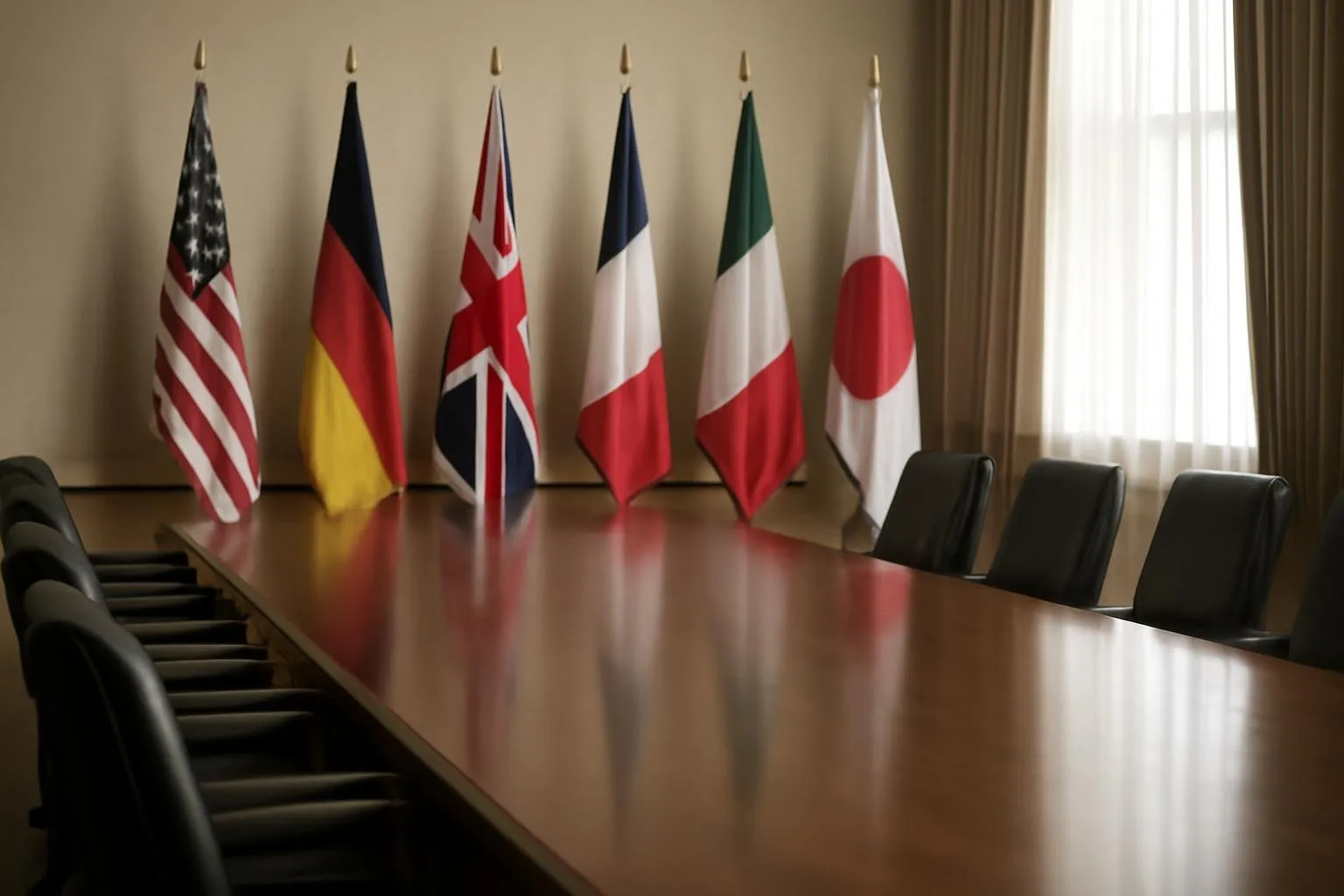
German Chancellor Friedrich Merz, who completed Germany’s largest Ukraine defense assistance package this week, described the ceasefire as a meaningful step while endorsing Ukraine’s demand for independent monitoring as the minimum standard for taking any extension seriously. Merz has consistently argued that external compliance verification is a prerequisite for credible ceasefire architecture, a position shaped by Germany’s experience as a co-signatory to the Minsk agreements that neither party honored in practice.
French President Emmanuel Macron took a notably warmer public line than his counterparts, characterizing the prisoner exchange as evidence that diplomatic engagement can produce tangible results and welcoming Trump’s role in brokering the pause. France has pressed harder than most EU governments for a negotiated settlement, and Macron’s framing treated Saturday’s exchange as proof of concept for a broader process rather than as a transaction embedded in a continuing war.
British Prime Minister Keir Starmer backed Ukraine’s monitoring conditions directly, describing external verification as essential to any credible extension. The UK’s public position has been among the most consistent in Europe on the question of what an extension would require Russia to demonstrate before Kyiv should agree to it.
NATO Secretary-General Mark Rutte issued a statement confirming the alliance was monitoring the ceasefire closely and that members remained united behind Ukraine’s territorial integrity, without indicating whether NATO would seek a formal monitoring role — one that would require Russian agreement the Kremlin has not indicated it would provide.
The EU’s $106 billion long-term financial support for Ukraine, finalized after a months-long process that required bypassing Hungary’s veto, remains on its disbursement schedule regardless of ceasefire status. EU officials confirmed Saturday that the financial support framework is not conditioned on the outcome of the Trump-brokered pause.
What the Ceasefire Does Not Resolve
The gap between the humanitarian achievement of the prisoner exchange and the political distance between the two governments remains, one day in, as wide as it was when the ceasefire began.
Russia’s publicly stated position — as repeated by Putin, Lavrov, and Peskov throughout the war — holds that Zaporizhzhia, Kherson, Donetsk, and Luhansk oblasts are Russian territory, regardless of the fact that Russia does not fully control any of them militarily. Ukraine’s publicly stated position holds that its internationally recognized 1991 borders are not subject to negotiation. A ceasefire pauses the fighting. It does not pause those positions.
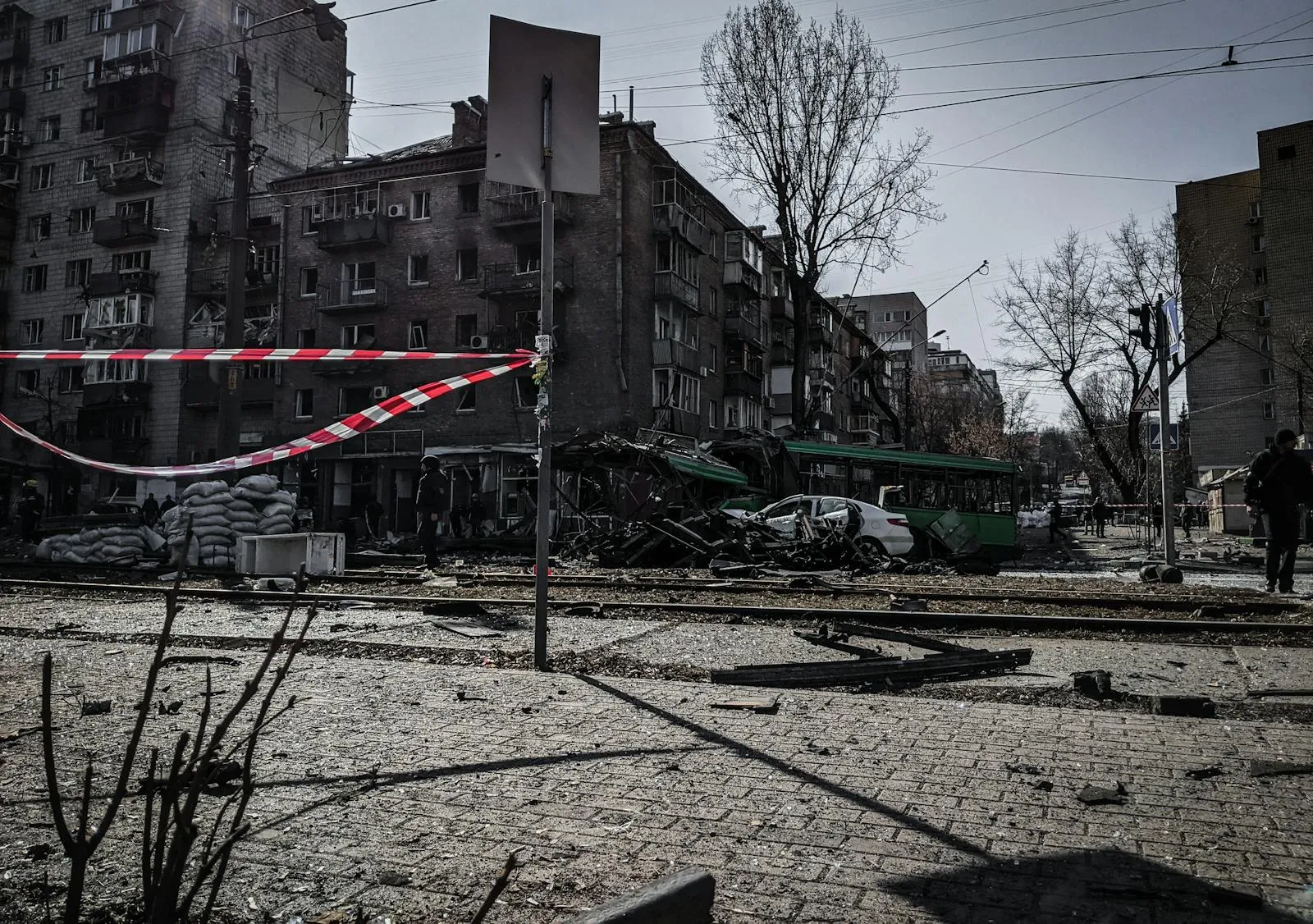
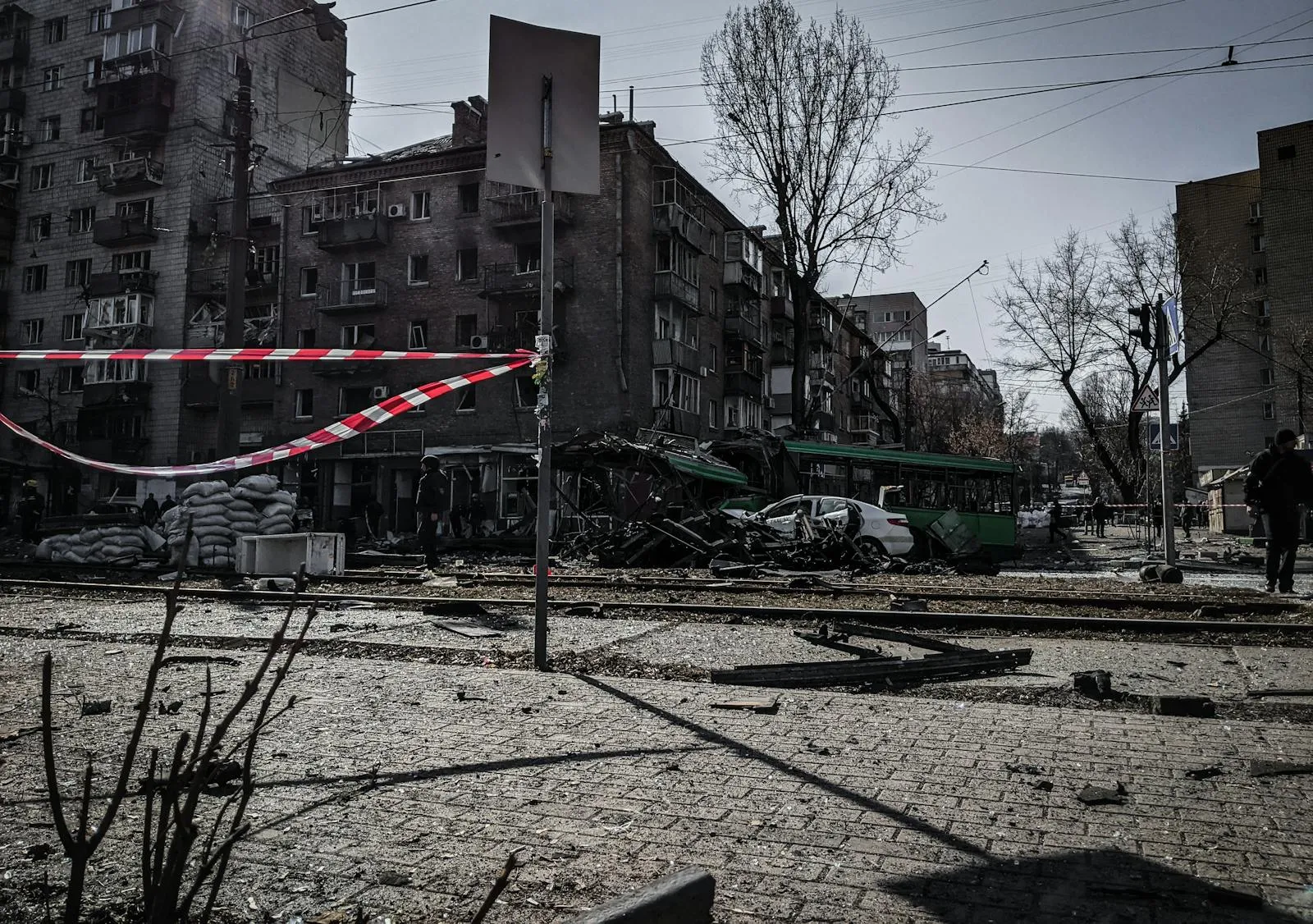
Ukraine entered the ceasefire with its military capabilities intact. Russian strikes killed 22 Ukrainian civilians in the hours before the prior unilateral ceasefire window opened, and the intensity of combat in the days before Trump’s announcement demonstrated that the operational tempo had not slowed at the tactical level despite months of diplomatic activity. Ukraine’s FP-5 Flamingo cruise missile struck a Russian defense production facility more than 1,000 miles from the front line earlier this month, establishing a long-range reach that neither government has agreed to constrain as part of the ceasefire framework. Both sides are entering any potential extension with their military capabilities undiminished and their stated war aims unchanged.
The Window Closes Monday
The three-day ceasefire expires Monday, May 11. Whether it extends depends on whether Russia responds publicly to Ukraine’s three conditions, whether Trump applies pressure on Moscow to do so, and whether the prisoner exchange is completed in full before the deadline.
If the 1,000-for-1,000 swap concludes as committed, it will represent the largest concrete outcome the war’s diplomatic track has produced — more prisoners returned in a single exchange than through any previous arrangement, and a humanitarian achievement independent of the strategic questions that remain unresolved.
Whether the ceasefire becomes the foundation for a broader negotiating process or the latest in a sequence of diplomatic pauses that opened, generated attention, and closed without producing binding terms will not be answered by what happens Monday. It will be answered in the weeks that follow, by what both governments choose to do with the record the exchange has created.
Sources 6 cited · 3 primary
- Zelensky Statement on Ceasefire Implementation — Office of the President of Ukraine
- ICRC confirms monitoring role in Ukraine-Russia prisoner exchange under ceasefire
- First Ukrainian POWs return home as 1,000-for-1,000 swap begins under ceasefire
- Zelensky names conditions for extending ceasefire as European leaders respond
- Statement by NATO Secretary General Rutte on Ukraine-Russia Ceasefire
- Ukraine war briefing: prisoner swap begins; Zelensky sets conditions for extension
American Courant cites its sources and links to primary documents where they exist. How we report →