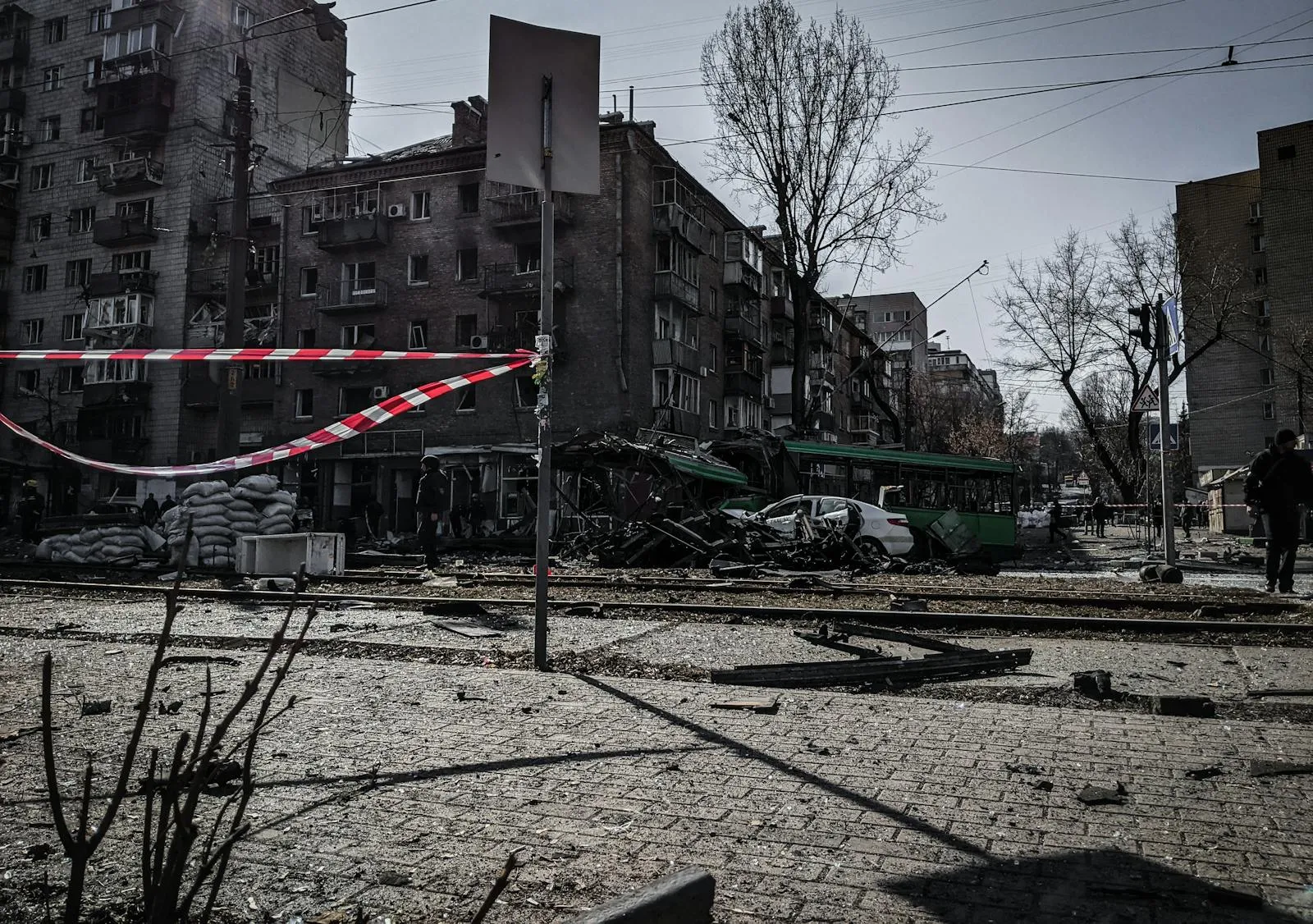
Russian guided aerial bombs struck residential neighborhoods in Zaporizhzhia and Kramatorsk on Tuesday afternoon, killing at least 22 civilians and wounding more than 80, in one of the deadliest single-day attacks Ukraine has recorded in recent weeks. The strikes came hours before Ukraine’s self-declared ceasefire was set to take effect at midnight—and three days before Russia has promised its own two-day truce to coincide with its Victory Day military parade.
President Volodymyr Zelensky condemned the timing as “utter cynicism.” Moscow had announced a ceasefire for May 8 and 9 while its warplanes were dropping guided bombs on a car repair shop in southeastern Ukraine. The juxtaposition was, in his framing, not accidental.
“Russia continues to kill,” Zelensky said in his evening address. “They talk about a ceasefire and then do this. The whole world can see what kind of state Russia is.”
The Attacks: City by City
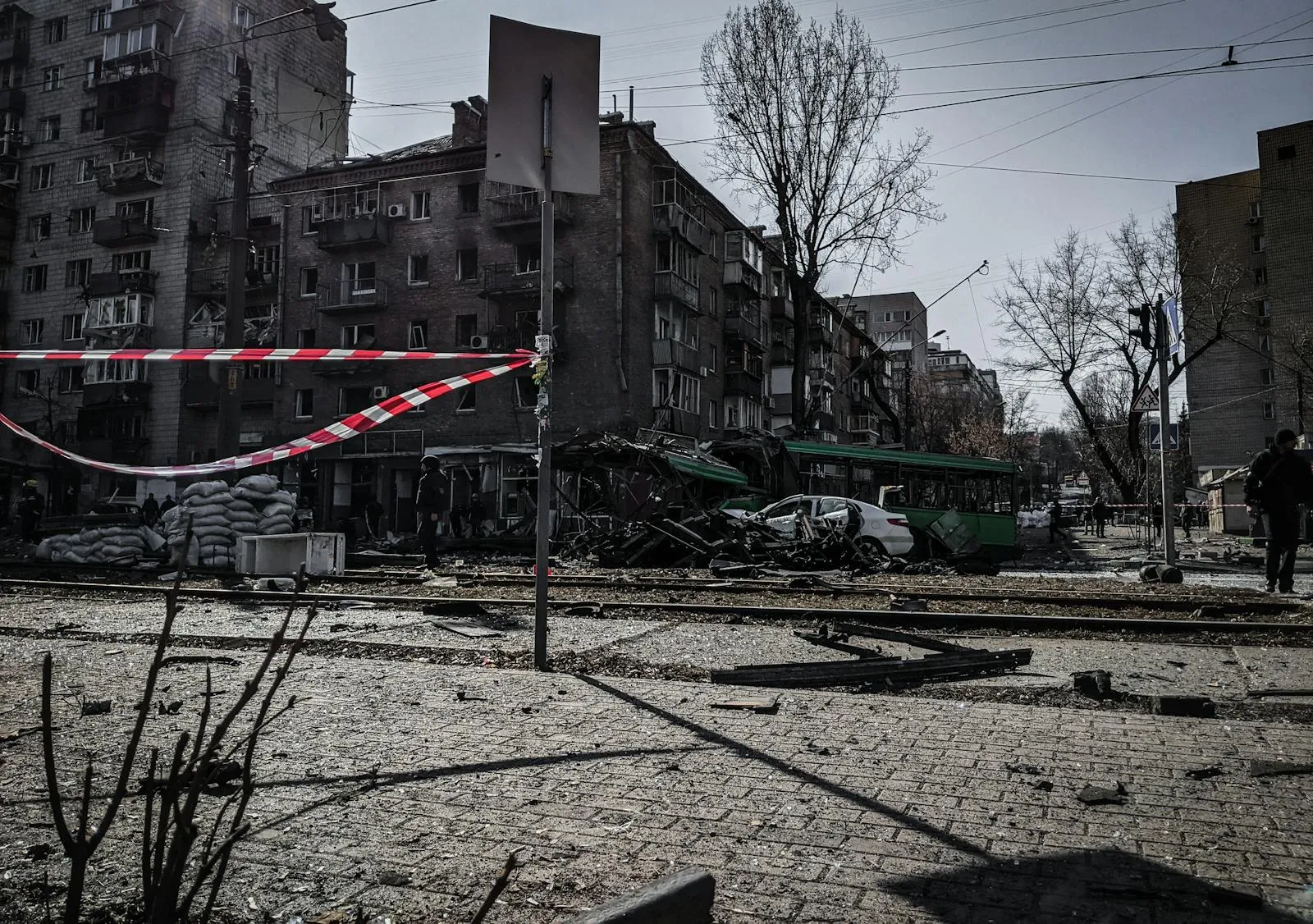
The deadliest strike of the day hit Zaporizhzhia, the industrial city in southeastern Ukraine that Russian forces have repeatedly targeted since 2022. At approximately 4 p.m. local time, Russian forces dropped four guided aerial bombs on an automobile repair shop in a densely populated section of the city. The bombs also struck adjacent car washes, a commercial shop, and several residential buildings. At least 12 civilians were killed and 39 were wounded, one critically. As emergency crews began clearing the debris, Russian drones were deployed to the same area—a tactic designed to force rescue workers to take cover and slow the extraction of people trapped in collapsed structures.
Kramatorsk, the last major Ukrainian-held city in the contested Donetsk region, was struck about an hour later. A guided aerial bomb hit the city center at roughly 5 p.m., killing at least five civilians and wounding 12 others. The explosion shattered windows in apartment buildings across a wide radius and left portions of the city without electricity through the evening. Municipal officials said crews worked through the night to search damaged buildings for additional victims.
Four more deaths were recorded in Dnipro, where drone strikes in the overnight hours before dawn on Tuesday struck residential areas in two separate incidents.
The combined toll of at least 22 confirmed dead by Tuesday night—with Al Jazeera citing Ukrainian authorities for a higher figure of 27 once overnight strikes across multiple regions were included—made May 5 one of the heavier civilian casualty days in recent weeks, a period in which frontline combat had slowed and both governments had publicly signaled openness to a pause.
Two Declarations, No Actual Halt
The attacks occurred in the gap between two competing ceasefire announcements that have so far produced no halt to fighting.
Ukraine declared on May 4 that it would observe a unilateral ceasefire beginning at midnight on May 5, calling on Russia to follow suit. Zelensky framed the move as a test of Russian intentions: if Moscow honored Ukraine’s ceasefire, it would provide a basis for the broader 30-day pause that Ukraine has been pushing for since the Trump-Putin phone call on April 30, in which Putin first proposed a Victory Day truce and Trump expressed public support. If Russia did not honor it, the international community would have a clear data point.
Russia had separately announced a two-day unilateral ceasefire for May 8 and 9, tied to the 81st anniversary of the Soviet Union’s victory in World War II—what Russia calls Victory Day. Moscow framed the pause as a precautionary measure to protect its celebrations from Ukrainian drone strikes, not as a diplomatic overture. The Russian Defense Ministry also warned explicitly that if Ukraine attempted to disrupt the Victory Day commemorations, “the Russian Armed Forces will launch a retaliatory, massive missile strike on the centre of Kyiv.”
Neither government communicated with the other about coordinating the timelines, and neither treated the other’s declaration as binding. The result on May 5 was that Ukraine’s ceasefire was hours away from taking effect while Russian aircraft were conducting one of the war’s larger guided-bomb runs of the month.
Victory Day Without Tanks
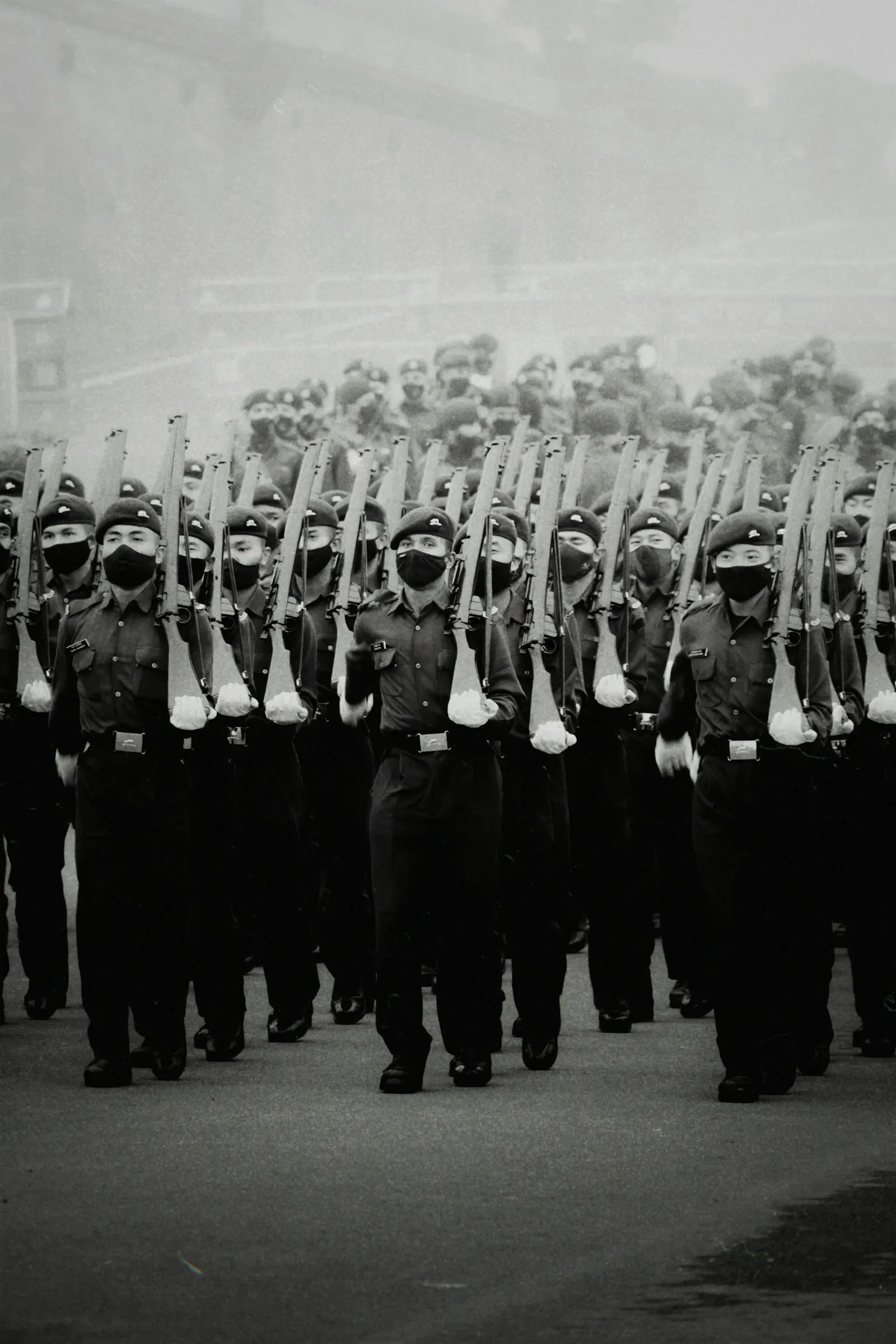
Russia is proceeding with its Victory Day parade in Moscow on May 9, but this year’s procession will not include tanks, missile launchers, or other heavy military equipment—the first time in nearly two decades that the parade’s hardware component has been stripped out. Russian officials cited the threat of Ukrainian drone strikes on the Russian capital as the reason, a precautionary move that acknowledges how Ukraine’s long-range strike capability has extended its reach deep into Russian territory.
The parade will feature soldiers, veterans, and ceremonial honor guards. Kremlin officials have not publicly described the exclusion of armor as a concession, instead framing it as an updated format appropriate for current conditions.
Zelensky noted the contrast in his address: Russia had used the parade as justification for announcing a two-day ceasefire, and had then conducted one of the month’s deadliest civilian attacks during the run-up to it. “What they have proposed is not peace—it is a performance,” he said. “And while they prepare the performance, they are killing our people.”
The Diplomatic Deadlock Behind the Numbers
The civilian deaths in Zaporizhzhia, Kramatorsk, and Dnipro land against a backdrop of stalled peace efforts that has repeated itself at least twice before since February. Each time both sides have expressed willingness to pause, fighting has continued or escalated in the days immediately before any declared ceasefire window, eroding confidence in the declarations themselves.
Zelensky has been consistent since the Trump-Putin April 30 call: Ukraine will accept a ceasefire, but only one that is at least 30 days long, verified by international monitors, and agreed in writing by both parties. A two-day Russian truce tied to a military parade and threatened with Kyiv missile strikes if disrupted does not meet that standard.
Trump’s administration has pushed both sides to accept a 30-day pause as a precondition for broader peace negotiations it wants to host. The White House has not commented publicly on Tuesday’s strikes.
European governments, which committed $106 billion in long-term loans to Ukraine in April, have said sanctions on Russia will remain in place unless a verifiable ceasefire takes hold. That linkage has given Ukraine a measure of leverage to insist on a real pause rather than a temporary lull—but it has not produced one.
What the Next 72 Hours Determine
If both sides honor Russia’s May 8-9 ceasefire announcement, it would be the first verifiable halt to frontline combat since the war began. That outcome is technically possible: Ukraine has said it will observe a ceasefire if Russia does the same, and Russian officials have not publicly walked back the May 8-9 declaration. The question is whether either government’s military commanders will actually stop firing, or whether the declarations will dissolve into the same pattern of mutual accusations that has followed every prior ceasefire attempt.
Western officials monitoring the situation describe the next 72 hours as the most consequential test of whether any form of pause is achievable. If the May 8-9 window holds even partially, it gives negotiators a foundation to push for a longer truce. If it collapses under more strikes—like the ones that killed 22 Ukrainians while the world watched the countdown to Ukraine’s own ceasefire start—it will confirm that the war’s trajectory remains determined by military action rather than diplomatic calendars.
Sources 6 cited · 1 primary
- Zelenskyy slams Russia as strikes kill 22 in Ukraine before announced ceasefire
- Russian strikes kill 22 in Ukraine before looming ceasefire
- Russian strike on Zaporizhzhia kills 12; aerial bomb hits Kramatorsk, killing 5
- Russia kills 27 in 'senseless' strikes on Ukraine days before ceasefire
- 17 dead after Russia carries out deadly evening strikes on Kramatorsk, Zaporizhzhia
- Russia unilaterally declares Victory Day ceasefire while Zelenskyy tables own truce
American Courant cites its sources and links to primary documents where they exist. How we report →